
Place · 0.8 mi away
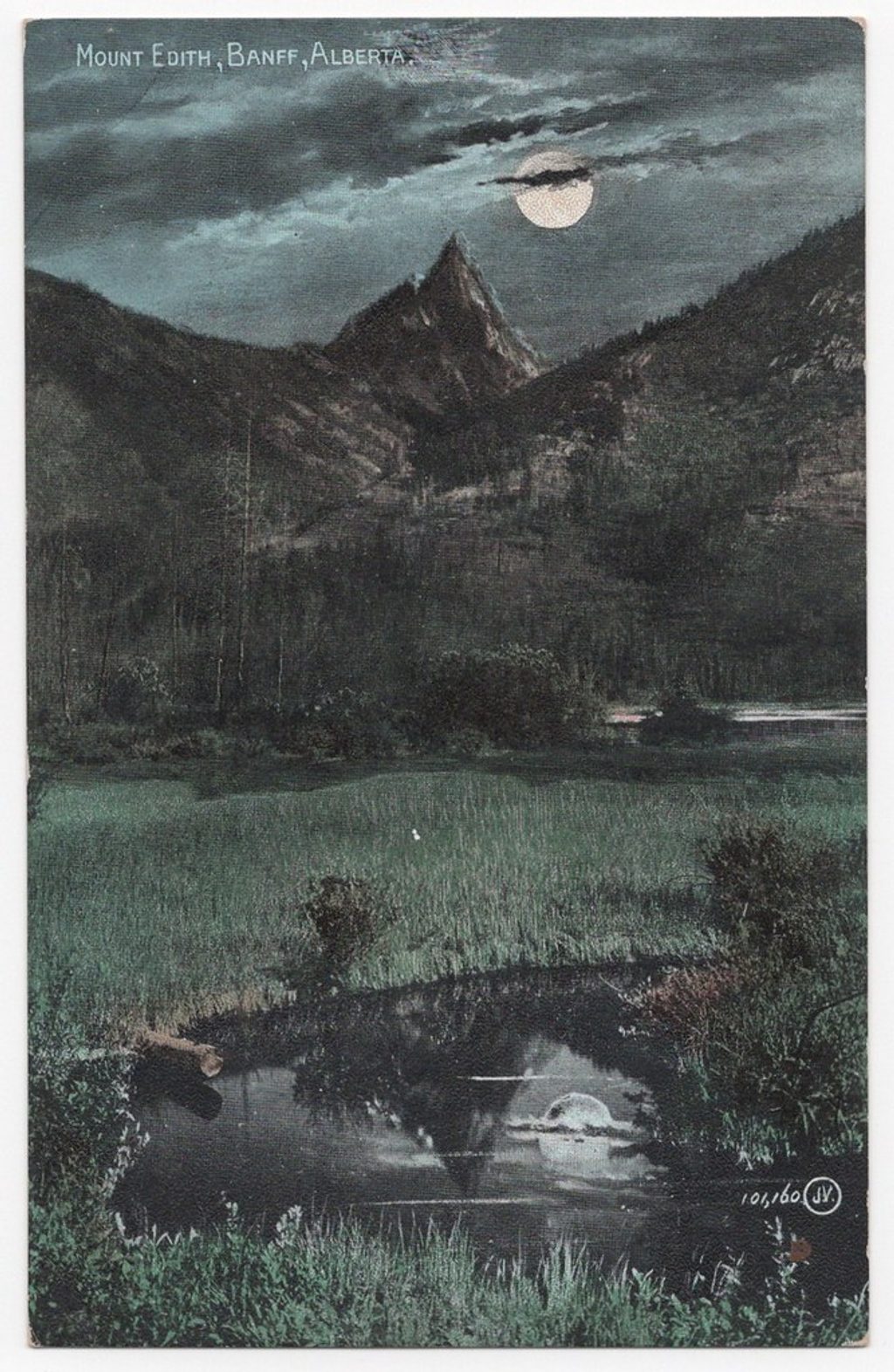
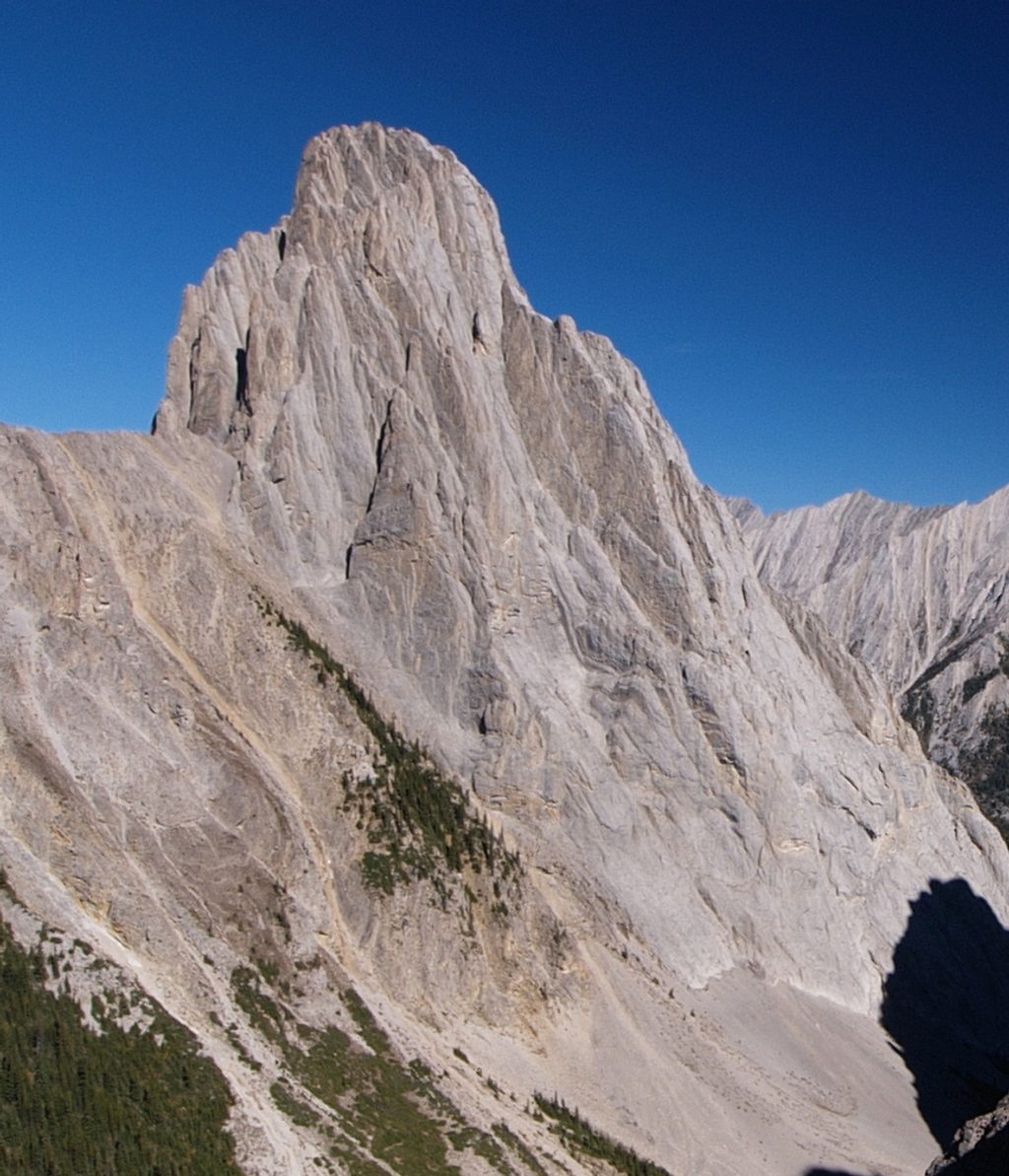
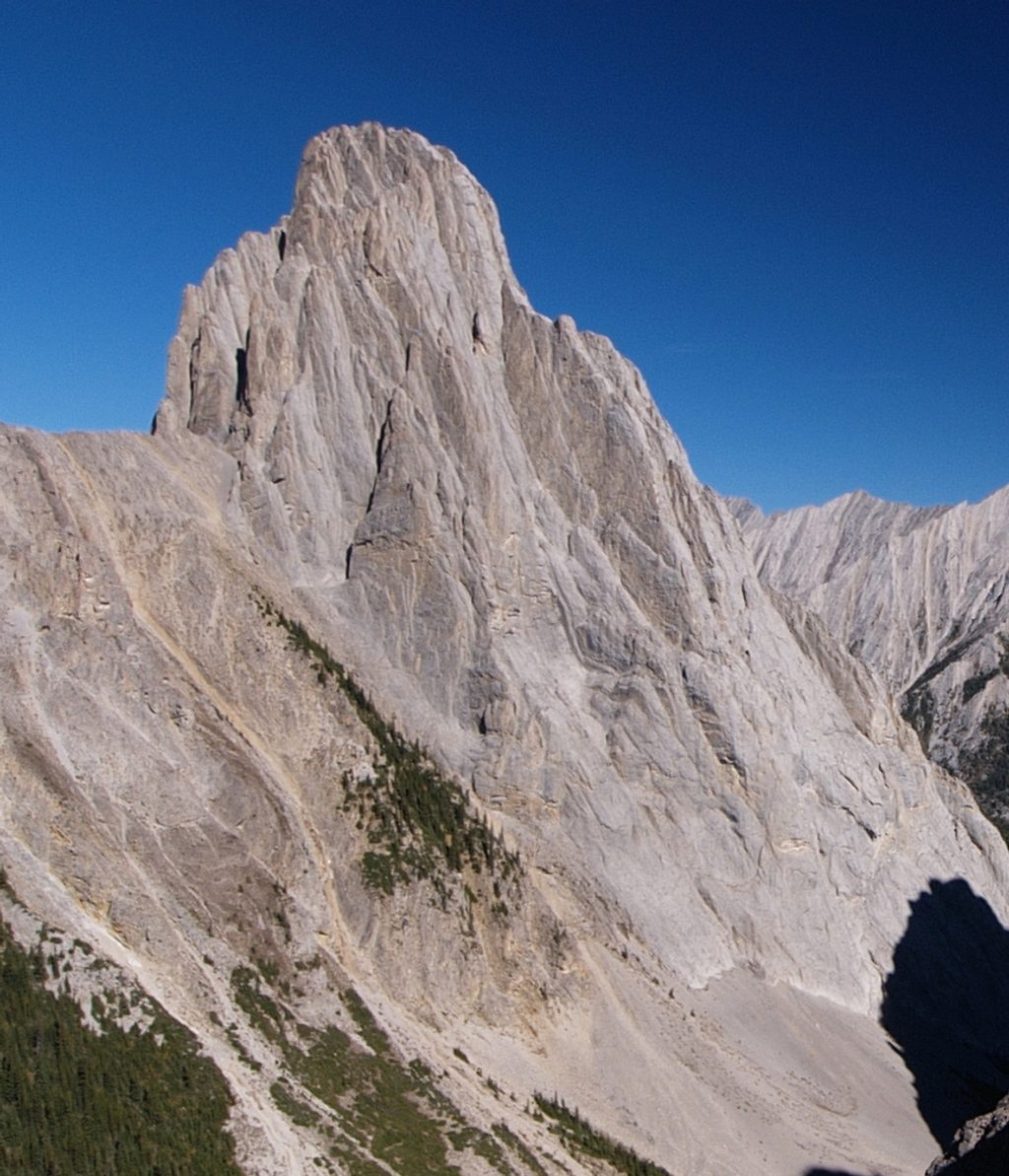
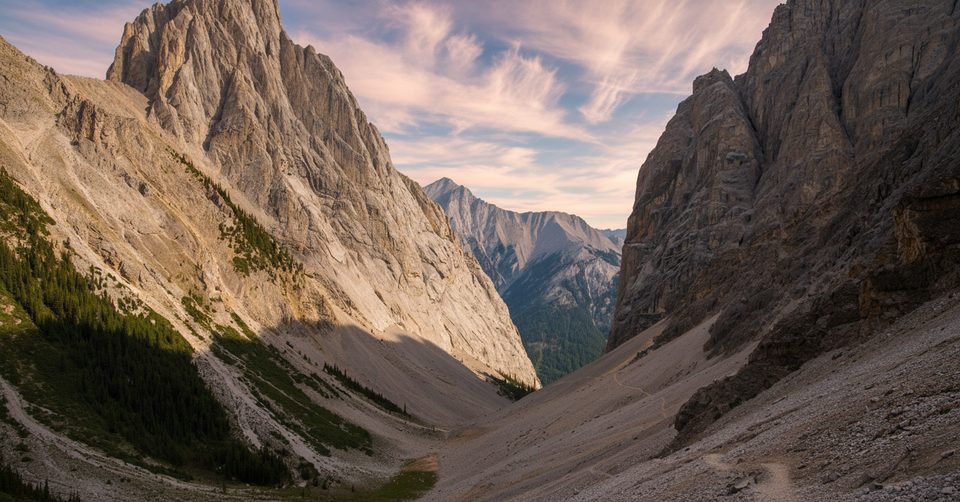
Mount Edith is a rugged limestone massif with three distinct summits—North, Centre, and South—looming above Cory Pass. It’s a favorite of confident scramblers who want big alpine terrain without the crowds. Expect hands-on sections, airy traverses, and a real sense of accomplishment if you tag all three peaks.
Most parties approach via the Cory Pass trail (from the Fireside day-use area on the Bow Valley Parkway), then leave the main path at the pass to follow an obvious user trail toward the peaks. The North Peak is known for chimney moves; from there, many continue along the crest to the Centre and South summits. The scenery is classic Banff: sheer limestone cliffs, rugged ridgelines, and sweeping views that take in Mount Louis, Mount Cory, and broad valleys.
This is a strenuous outing with moderate-to-difficult scrambling and real exposure in places. The North Peak chimneys are a defining feature, and the South Peak is the most exposed and feels the spiciest underfoot. There’s no signage past Cory Pass, so you’ll rely on route descriptions or a GPX track. Start early to give yourself time for careful navigation and to beat typical afternoon weather.
You’re in prime mountain country: hikers report mountain goats, bighorn sheep, marmots, and plenty of bird life. Bears (black and grizzly) roam the lower elevations—carry bear spray and follow standard bear safety.
The mountain is built of Devonian-age limestone uplifted during the Laramide orogeny, which created the dramatic relief you’ll be scrambling over. It was named in 1886 for Edith Orde, and the first recorded ascent came in 1900 by J. Norman Collie and P. Stevens.
Aim for summer through early fall when conditions are most reliable. An early start is key for clearer skies, drier rock, and ample time for the traverse. Even though this loop sees fewer people than Banff’s headliners, mornings keep it quieter and safer if storms build later.
Experienced hikers and scramblers who enjoy route-finding, hands-on movement, and linking summits. If you’re new to exposure or chimney scrambling, this one can feel intense—save it for when you’re ready.
Place · 0.8 mi away
Place · 0.9 mi away
Place · 1.1 mi away
Place · 2.5 mi away
Challenging · 2.2 mi away
Challenging · 2.2 mi away
Challenging · 2.2 mi away
Moderate · 3.1 mi away

Parkwolf Tour Guide
