Overview
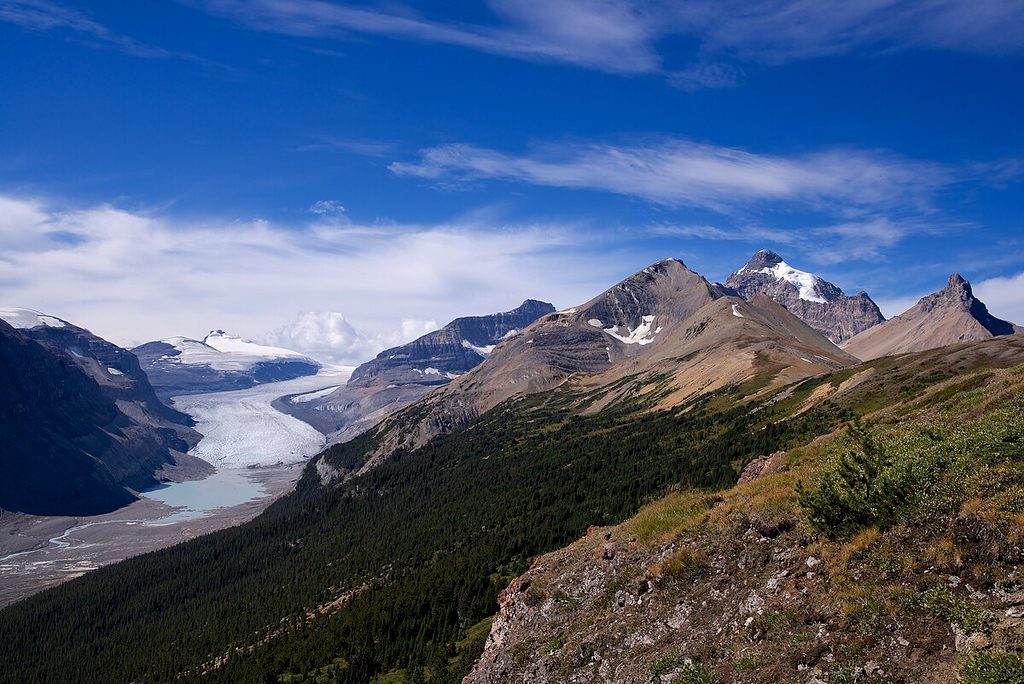
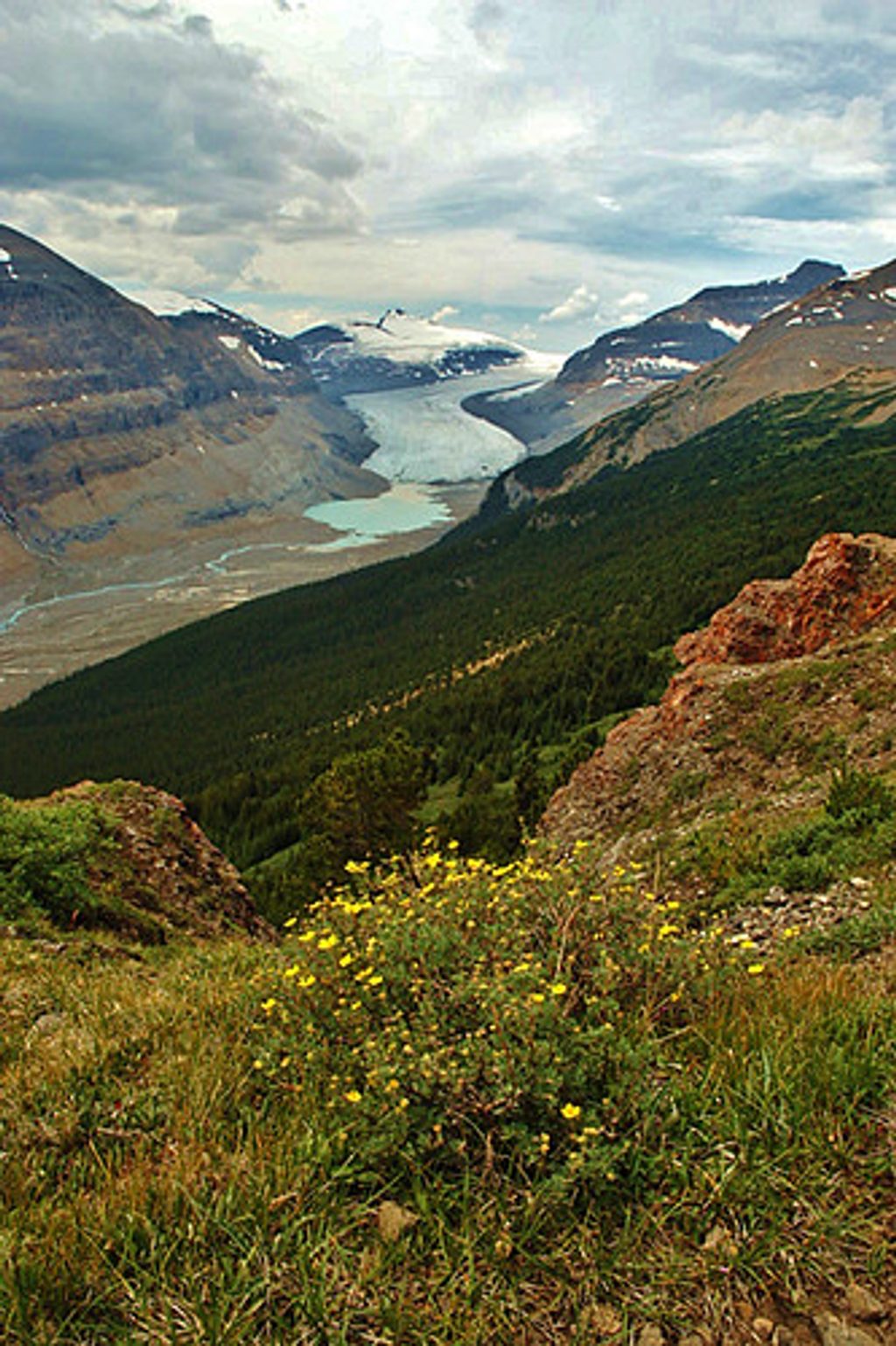
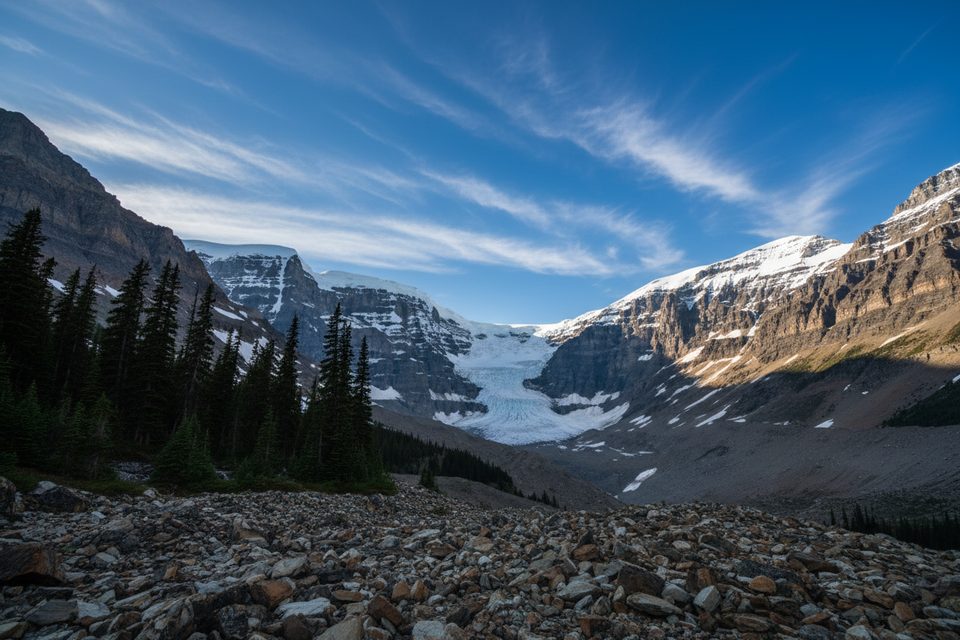
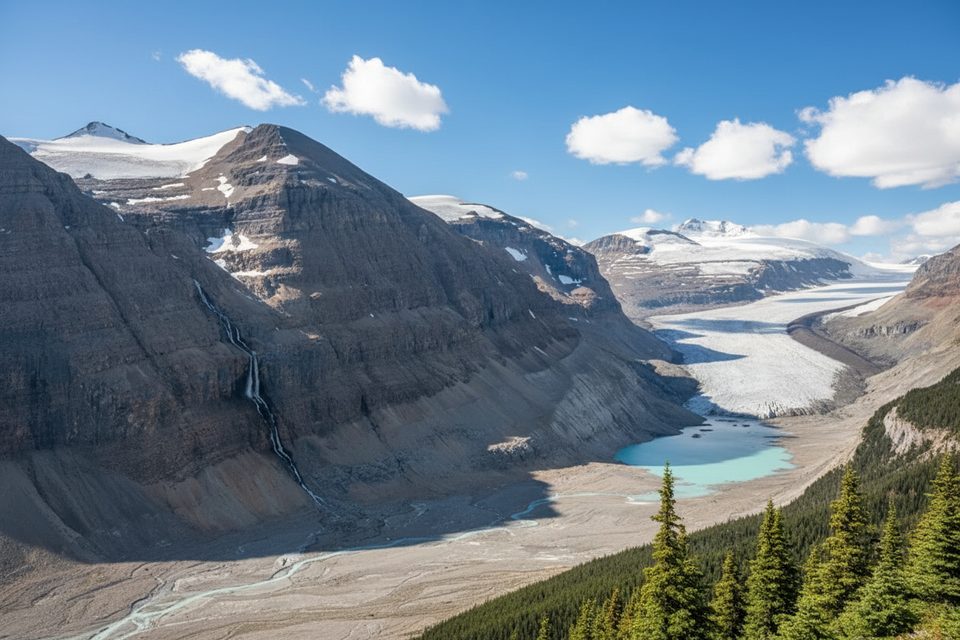
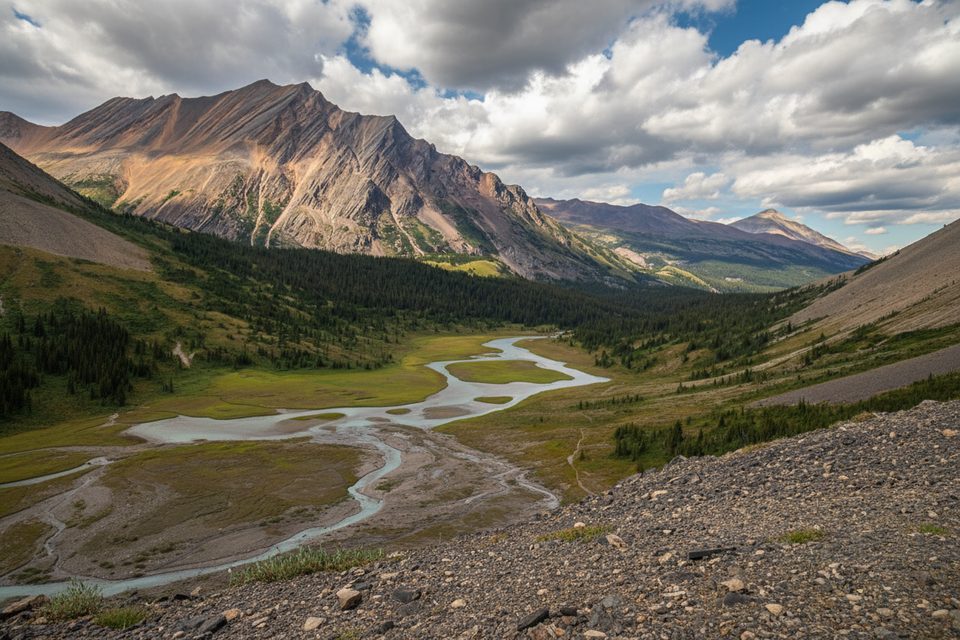
Saskatchewan Glacier is the largest outflow of the Columbia Icefield and the source of the North Saskatchewan River. It pours northeast through a wide, U‑shaped valley—an eye‑opening place to see active glaciation and its retreat in real time. It’s dramatic and, compared to Athabasca Glacier, usually far less crowded.
What makes it special
- Hydrologic heavyweight: this is the headwaters of a river that supplies many Alberta communities.
- Classic glacial scenery: deep‑blue ice, clear bands of rock debris (medial moraines), and a proglacial lake at the snout.
- Part of the Columbia Icefield, a continental‑divide ice mass where meltwater ultimately runs to different oceans.
Access and best viewpoints
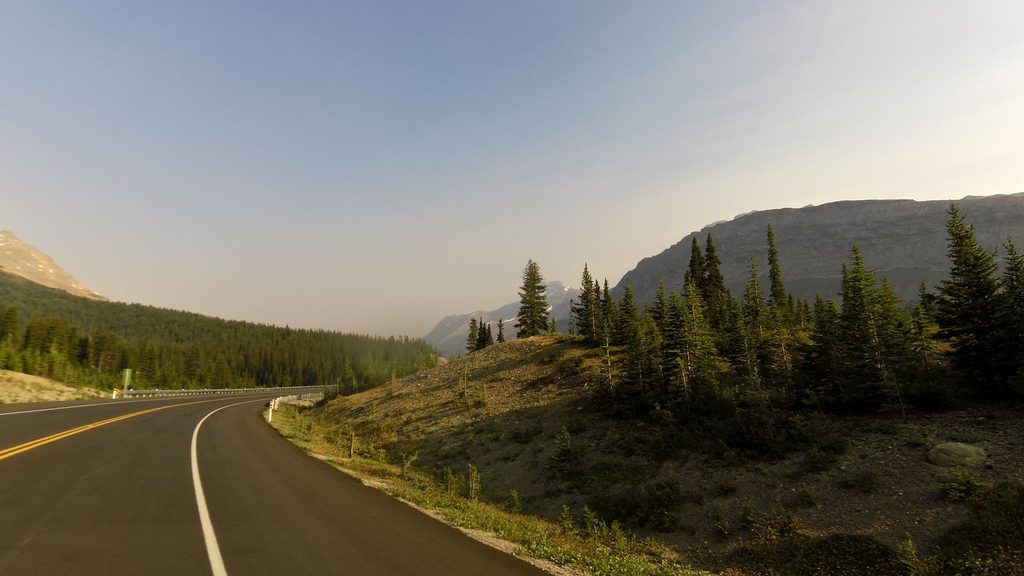
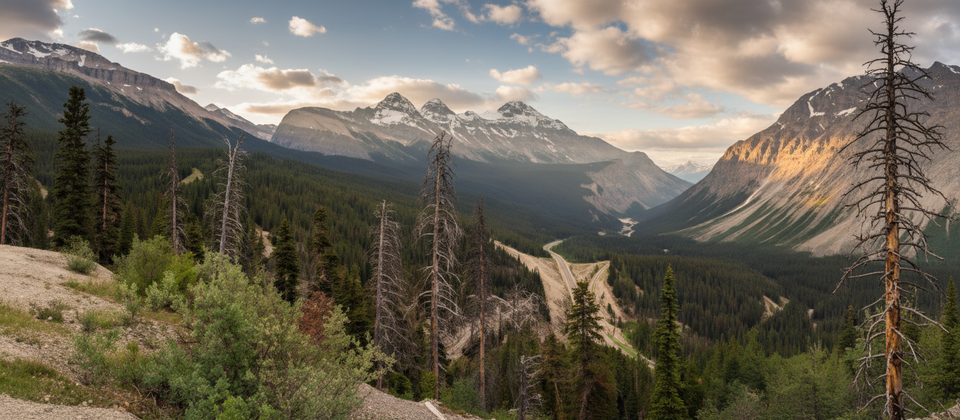
- Icefields Parkway is your corridor. The most popular vantage is via the Parker Ridge Trail—a manageable hike that rewards you with a grandstand view down to the glacier. You can also glimpse it from the Big Bend pullout along the Parkway.
- Expect rocky sections on approaches; some trip reports mention boulders on the way and occasional sketchy creek crossings depending on season.
Conditions, safety, and what to expect
- There are no services at the glacier or along the Parker Ridge route: no food, water, or confirmed toilets. Bring everything you need and pack out what you bring in.
- Do not step onto the glacier without proper training and equipment (think crampons, ice axe, avalanche gear) or a qualified guide. Ice caves can appear blue and photogenic but are inherently unstable.
- Visitors have reported avalanche rumbles in the wider area—treat steep snow and ice with respect and adjust plans to conditions.
- Cell service is essentially nonexistent; download maps/GPX beforehand.
Geology and change
Saskatchewan Glacier has been in notable retreat for over a century (it shrank more than a kilometer between the late 1800s and mid‑1900s), and the pace has accelerated. It’s a stark, memorable window into climate change and how valley glaciers reshape landscapes as they pull back, exposing fresh moraines and glacial till.
When it’s best
- Best time to visit: late summer to early fall for the most reliable trail and weather conditions. Summer conditions are generally preferable, but always check for seasonal closures aimed at protecting fragile terrain.
- Pair it with the world‑class scenery of the Icefields Parkway; start early to give yourself a weather window and unhurried time on the ridge.
Services and amenities
There are no built amenities at the glacier viewpoint or along the hike. Fuel, food, and restrooms are many kilometers away along the Parkway—plan accordingly.