
Place · 6.2 mi away
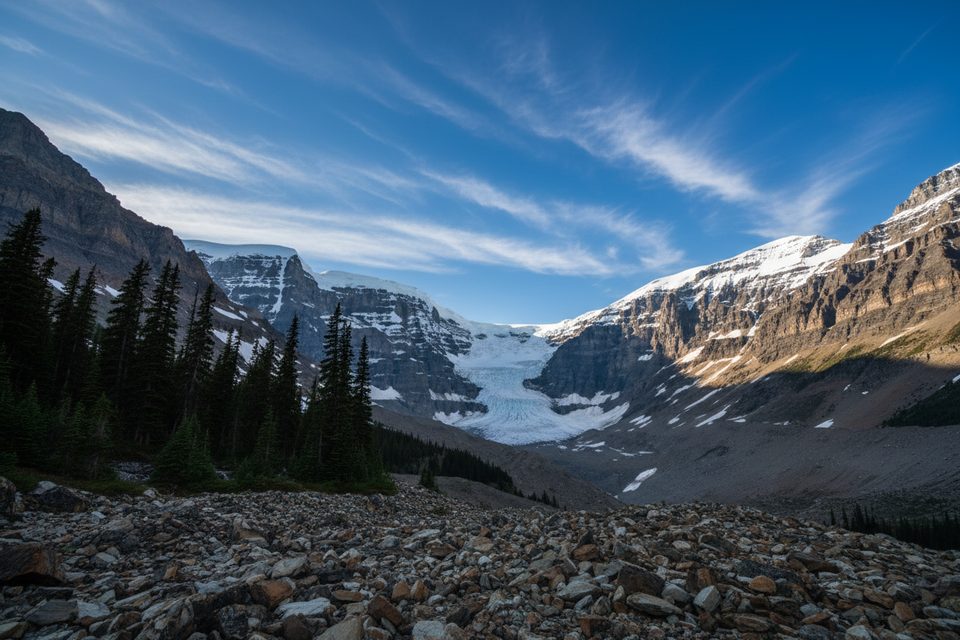
Snow Dome is a glaciated summit on the Banff–Jasper border in the Columbia Icefield, rising to 3,456 m. It’s a place of big horizons and bigger consequences—pure alpine terrain with no frills, all ice and sky.
This peak is one of North America’s few hydrological apexes: meltwater from its crown flows toward three different oceans (Pacific, Arctic, and Hudson Bay). That triple divide alone makes it a geographic unicorn.
From the upper slopes and summit, you’re ringed by the Columbia Icefield’s major glaciers and neighboring giants—think endless snowfields, crevasses, seracs, and a skyline that keeps going. It’s the sort of view that shrinks you down to the size of a snowflake.
There’s no official trailhead or casual trail here. Standard ascents involve glacier travel (often referenced as the Snow Dome–Kitchener route). Parties typically stage from the broader Columbia Icefield area; facilities are down at the Discovery Centre, not on the mountain.
Expect crevasses, variable snow bridges, and weather that can flip fast. Glacier kit and know-how are non‑negotiable: rope, harness, crampons, ice axe, helmet, probe, and avalanche gear—and partners who know how to use them. Whiteouts are common; navigation skills are crucial. Don’t go solo.
First climbed in 1898 by J. Norman Collie, H. E. M. Stutfield, and H. Woolley. The name says it all—its snow‑capped, rounded summit looks like a dome of ice.
At these elevations, you won’t see much beyond hardy birds. Lower approaches in the broader region sometimes turn up marmots or mountain goats, but the peak itself is more ice than life.
Place · 6.2 mi away
Place · 6.9 mi away
Place · 7.9 mi away
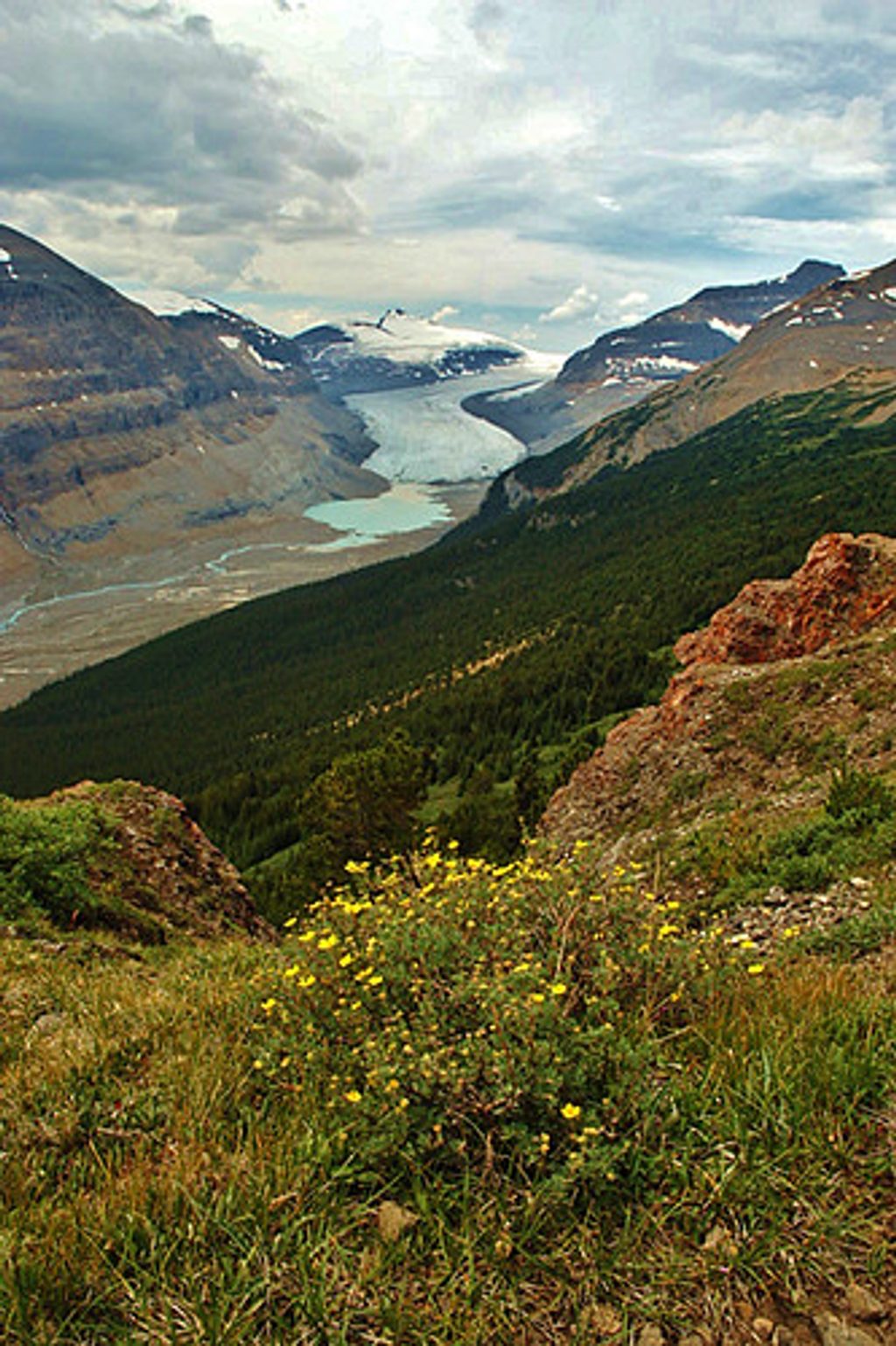
Place · 9.6 mi away
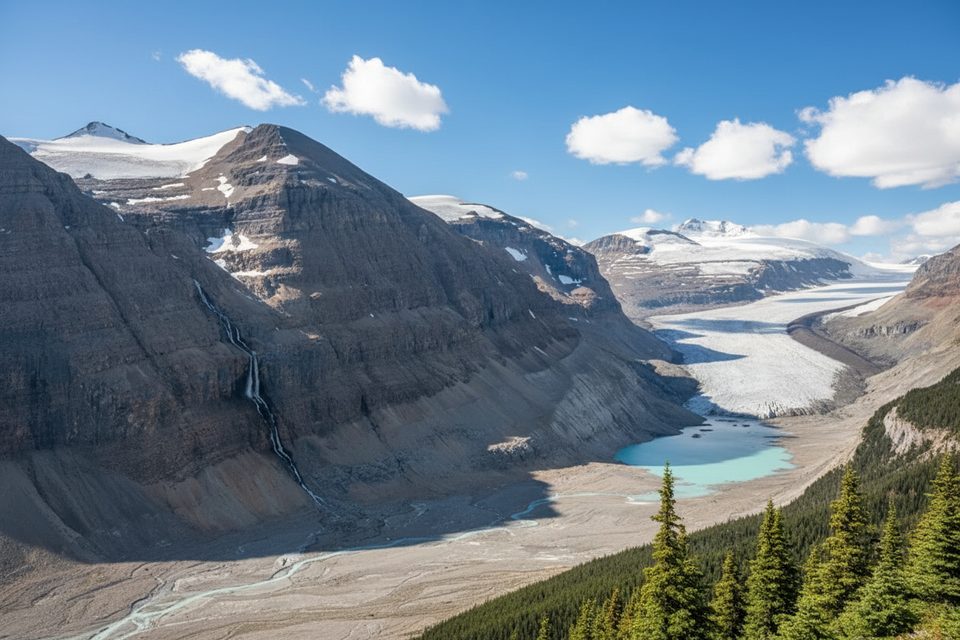
Moderate · 8.5 mi away
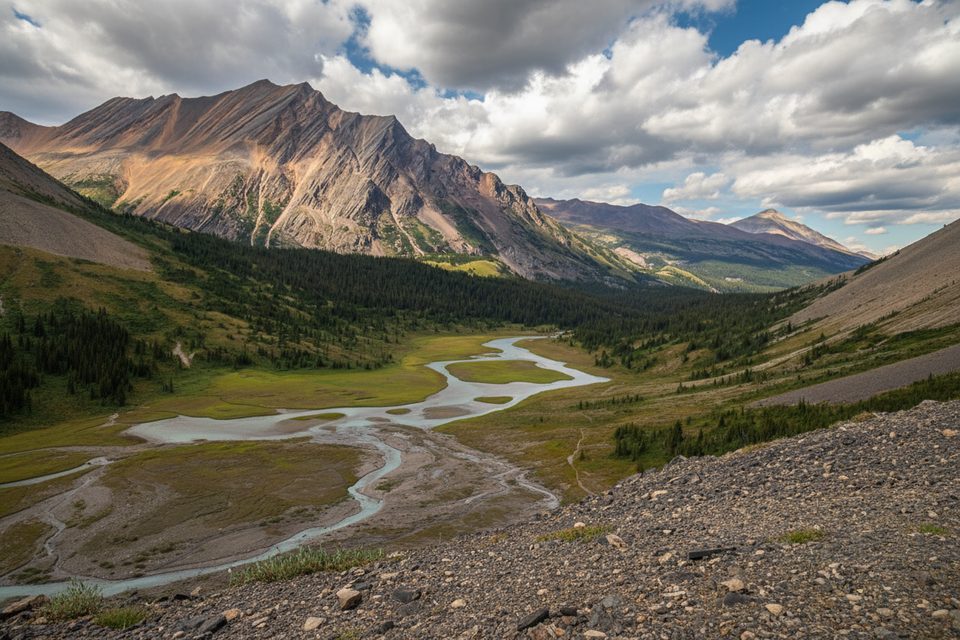
Moderate · 10.5 mi away
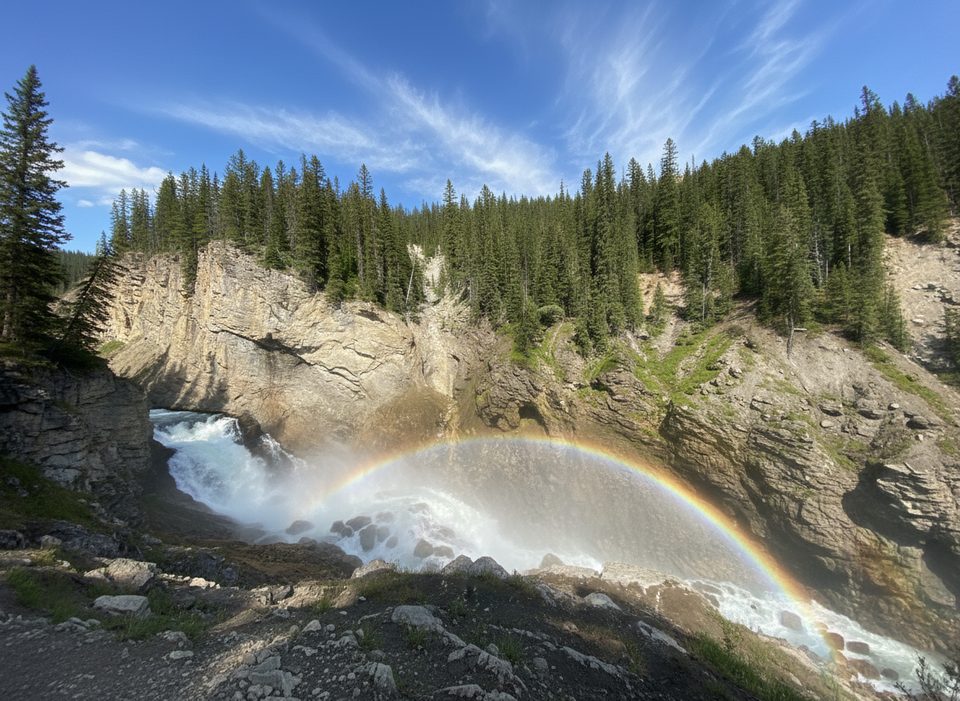
Easy · 11 mi away
Easy · 11 mi away

Parkwolf Tour Guide
