
Place · 0.8 mi away
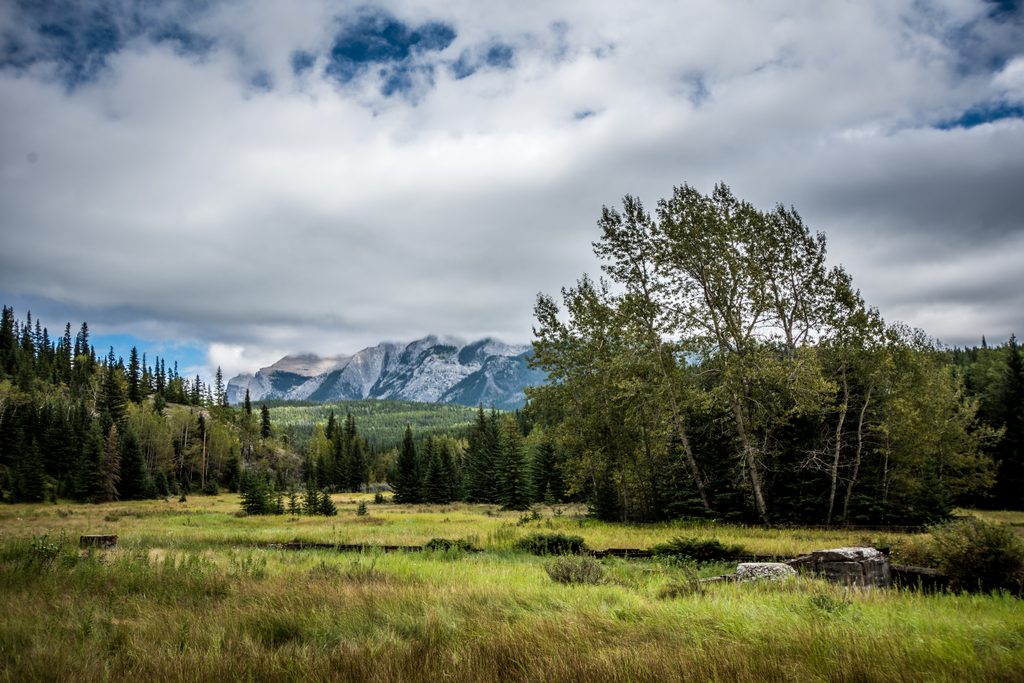
Tucked below Cascade Mountain on the Lake Minnewanka Loop, Bankhead Ghost Town is Banff’s most atmospheric history walk: a compact, 1.1 km interpretive loop through the remains of an early‑1900s coal town. It’s an easy, kid‑friendly stroll that trades crowds for stories—perfect when you want something different than lakes and peaks.
Bankhead sprang up in 1903 as a company town for an anthracite coal mine, swelling to nearly 1,000 residents. The coal here was brittle, so the operation blended tar oil pitch to form briquettes—an industrial workaround you’ll read about on site. Despite its modern trappings (even supplying power to Banff), the mine closed in 1922 after strikes and mounting costs. Buildings were moved away, and Bankhead faded into a ghost town by 1925—leaving the foundations and stories you’re walking through today.
It’s rare to find such a well‑interpreted industrial townsite inside a national park, and it’s all delivered in a bite‑size loop you can do between big-ticket stops. If you’re into photography or history, it’s a quiet, textured counterpoint to the usual alpine scenery.
Start from the Lower Bankhead parking just off Lake Minnewanka Road; the right‑hand turn can be easy to miss. Plan 1–2 hours if you like to read every sign. There are additional remains near Upper Bankhead, and that area has a picnic day‑use setup. No food or water on site, so bring your own.
Sources focus on history here, but this is still wildlife country. You may encounter deer or elk; occasionally bears or coyotes roam the Minnewanka corridor. Keep dogs leashed and carry bear spray, as you would on any Banff trail.
Wear sturdy shoes (foundations and paths can be uneven), bring water and bug spray in summer, and consider pairing this stop with Lake Minnewanka or the C‑Level Cirque trail for a fuller half‑day.
Place · 0.8 mi away
Place · 0.9 mi away
Place · 1.1 mi away
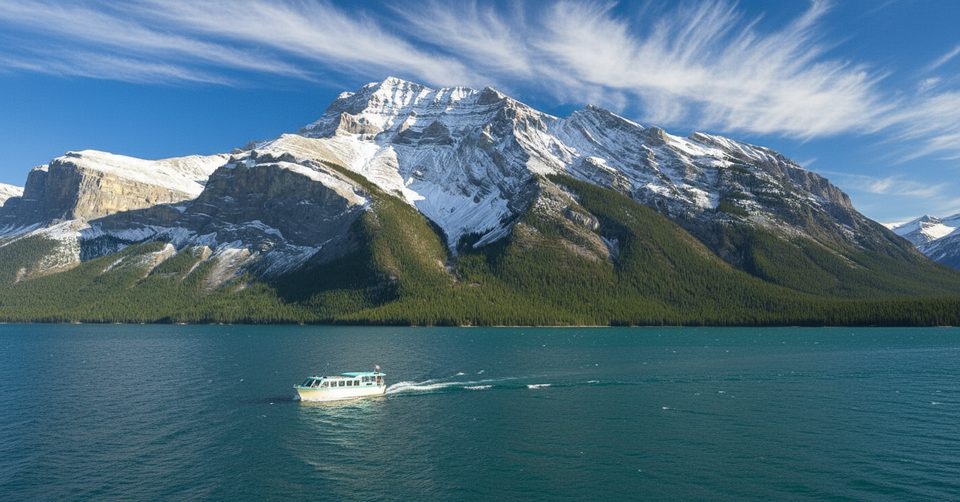
Place · 1.4 mi away
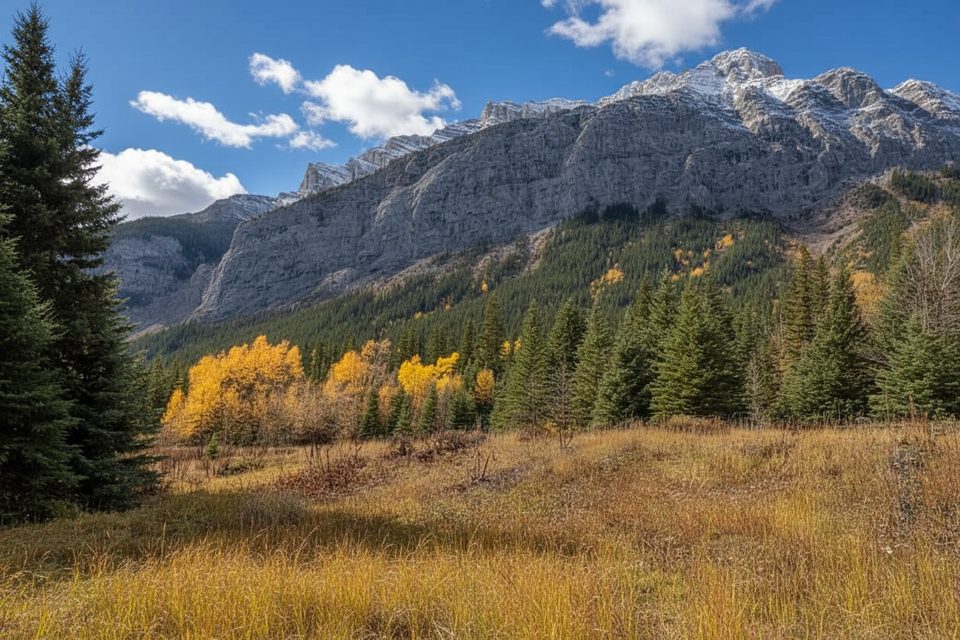
Easy · 0 mi away
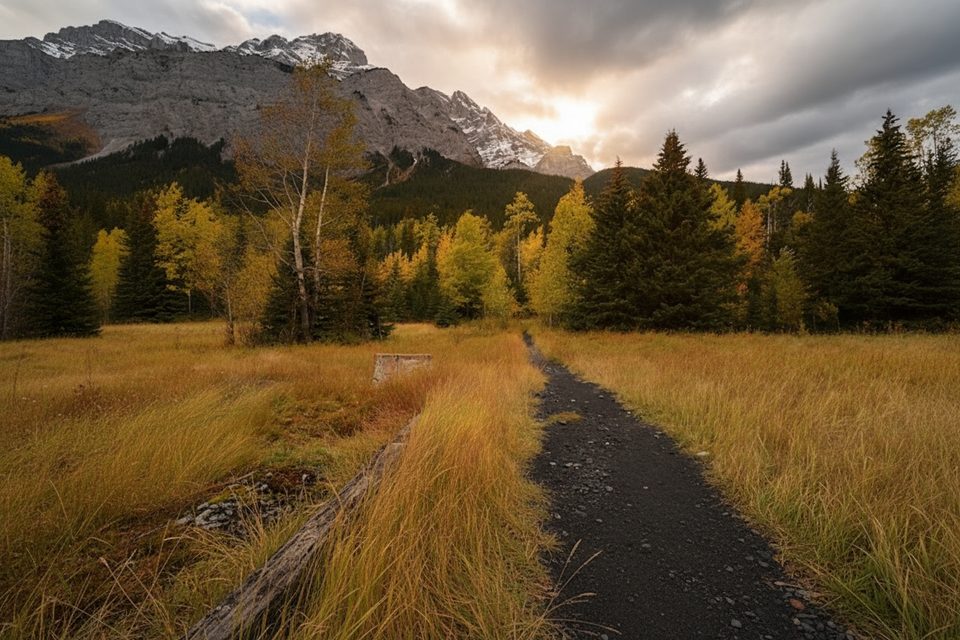
Easy · 0 mi away
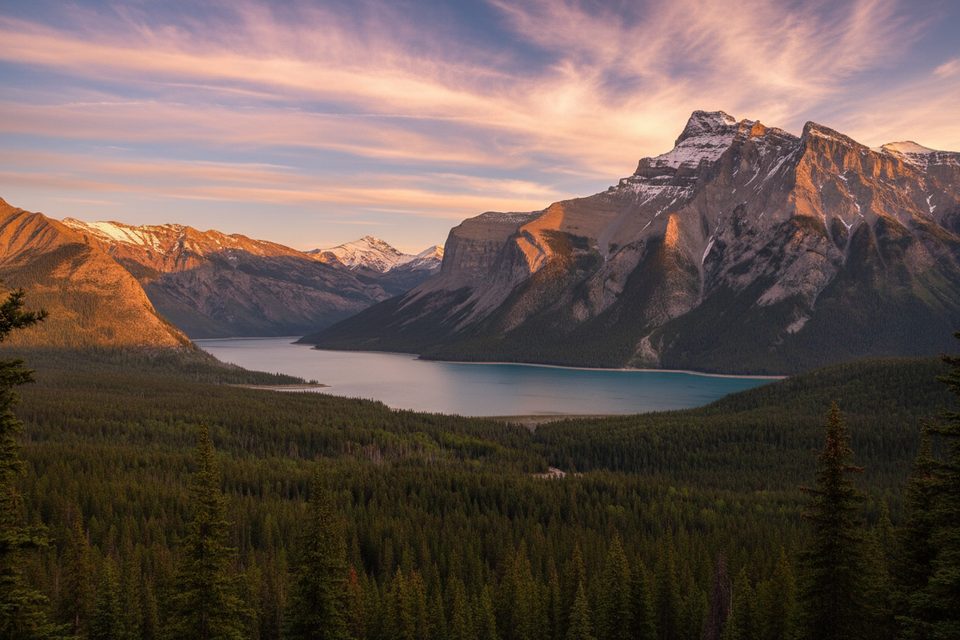
Moderate · 0.3 mi away
Easy · 1.4 mi away

Parkwolf Tour Guide
