
Place · 1.3 mi away
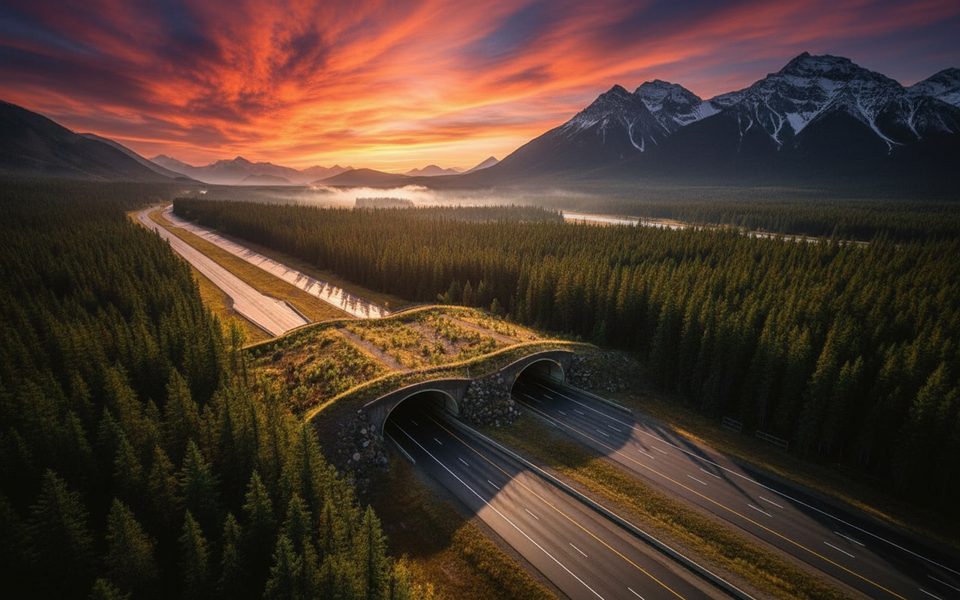
A vegetated wildlife overpass on the Trans‑Canada Highway, part of a corridor with 6 overpasses, 38 underpasses, and 82 km of fencing. It’s designed for animals—not people—so you observe it from outside the structure. Think grassy, tree‑topped bridges that blend into the forest while quietly keeping animals off the road.
This is the largest concentration of wildlife crossings in one place, paired with the longest continuous monitoring program of its kind (since 1996). The system has slashed wildlife‑vehicle collisions by over 80% overall, and by more than 96% for elk and deer. It’s a rare spot where you can literally see conservation engineering at work.
From safe, legal roadside vantage points you’ll spot the vegetated arch over the divided highway, plus tall fencing guiding animals toward it. Some sections of the corridor feature interpretive signs, but this isn’t a museum-style exhibit—there’s no public access onto the bridge itself.
At least 13 large-mammal species use Banff’s crossings, including elk, deer, moose, bighorn sheep, black and grizzly bears, wolves, coyotes, cougars, and the occasional wolverine. Dawn and dusk are your best odds for seeing movement, but usage is sporadic and never guaranteed.
Built as part of the Trans‑Canada Highway upgrade that began in the 1980s, the first crossings opened in 1996 and the full 82‑km corridor within Banff wrapped in 2014. Early designs were fancy; later ones were simplified when research showed animals didn’t care about aesthetics—just cover, substrate, and a quiet path.
Year‑round. For potential wildlife movement, aim for early morning or evening on weekdays when traffic is lighter. For photos of the structure itself, midday offers the most even light. Expect busier highway conditions on summer weekends.
Place · 1.3 mi away

Place · 3 mi away
Place · 3.2 mi away
Place · 3.3 mi away
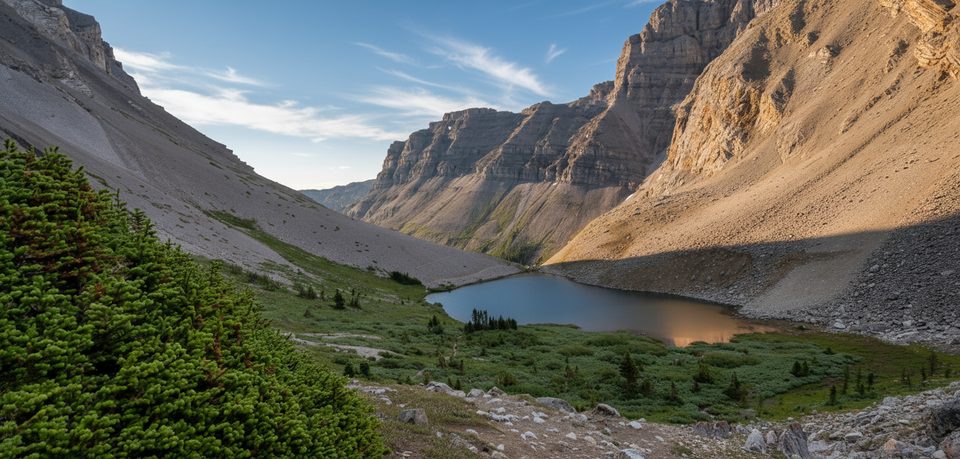
Challenging · 0.9 mi away
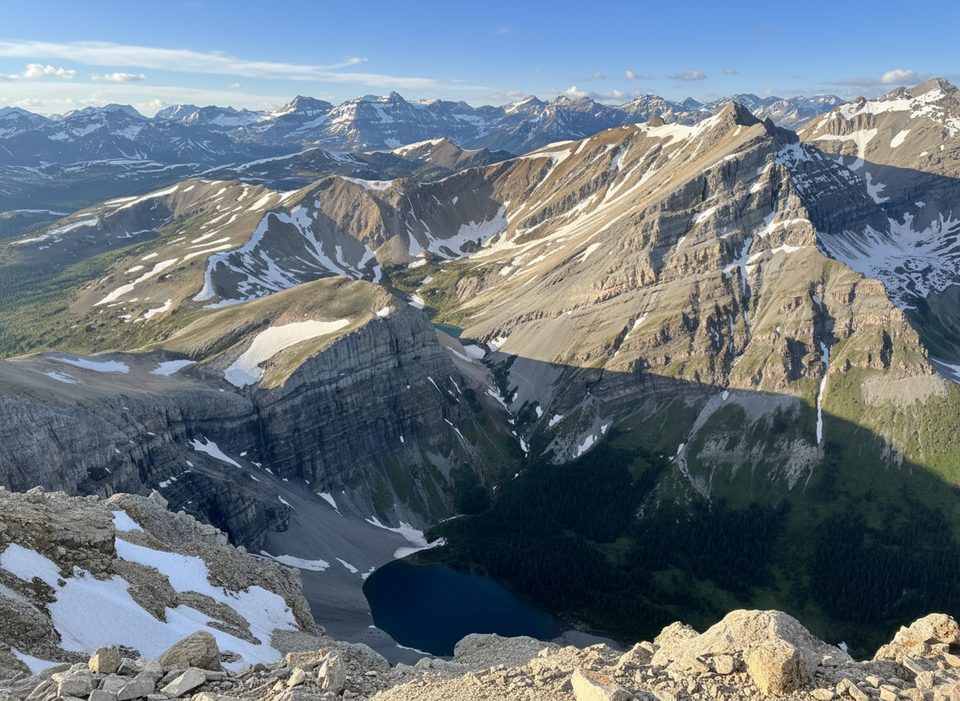
Challenging · 0.9 mi away
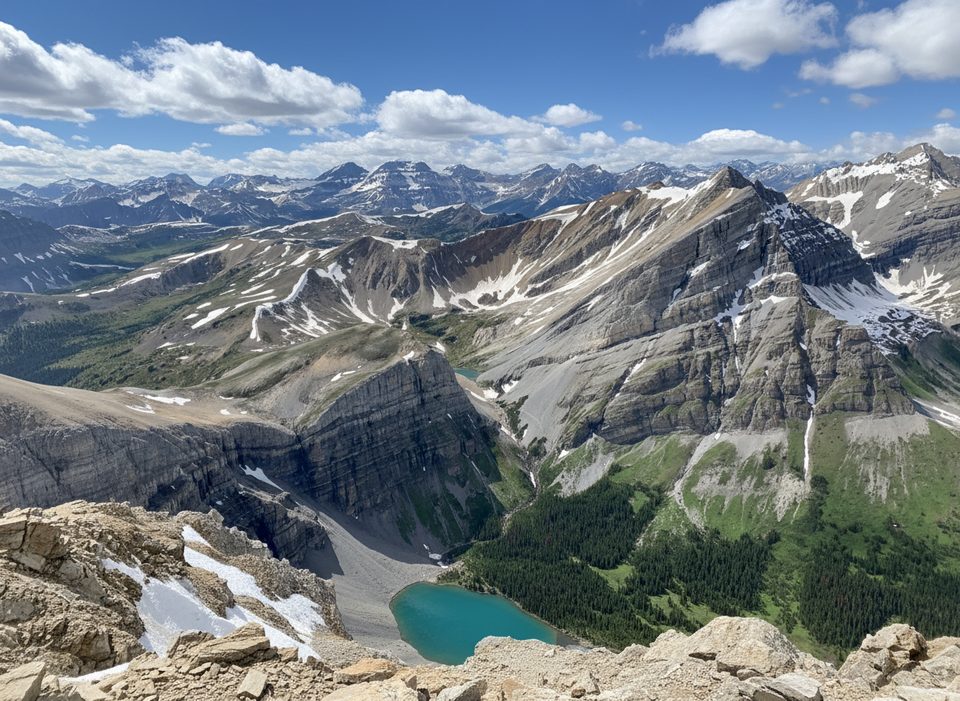
Challenging · 0.9 mi away
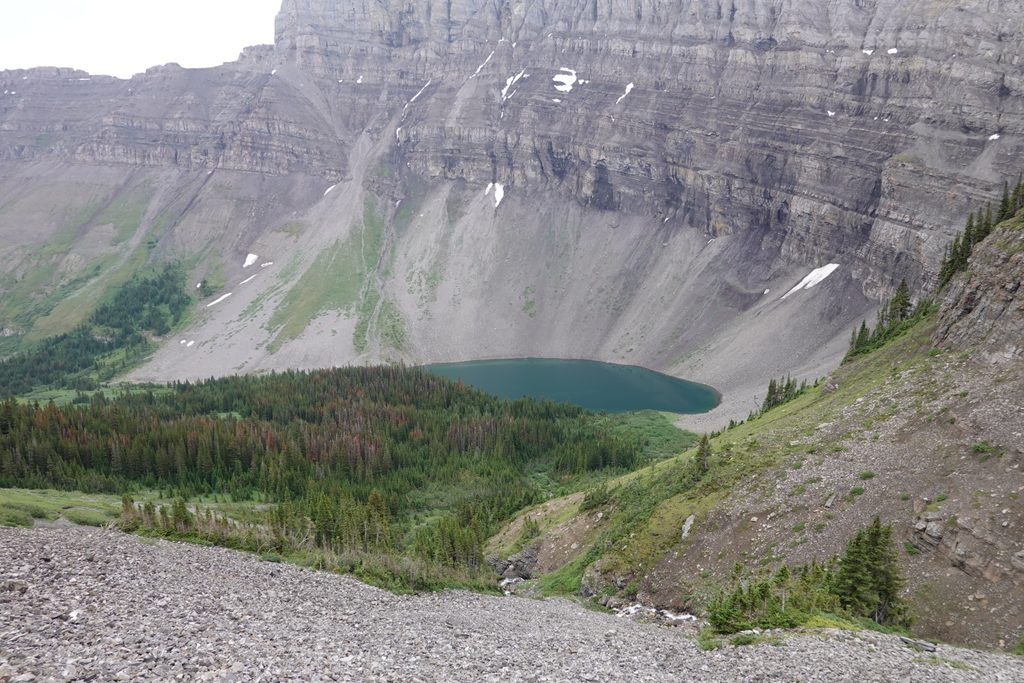
Moderate · 0.9 mi away

Parkwolf Tour Guide
