
Place
Easy
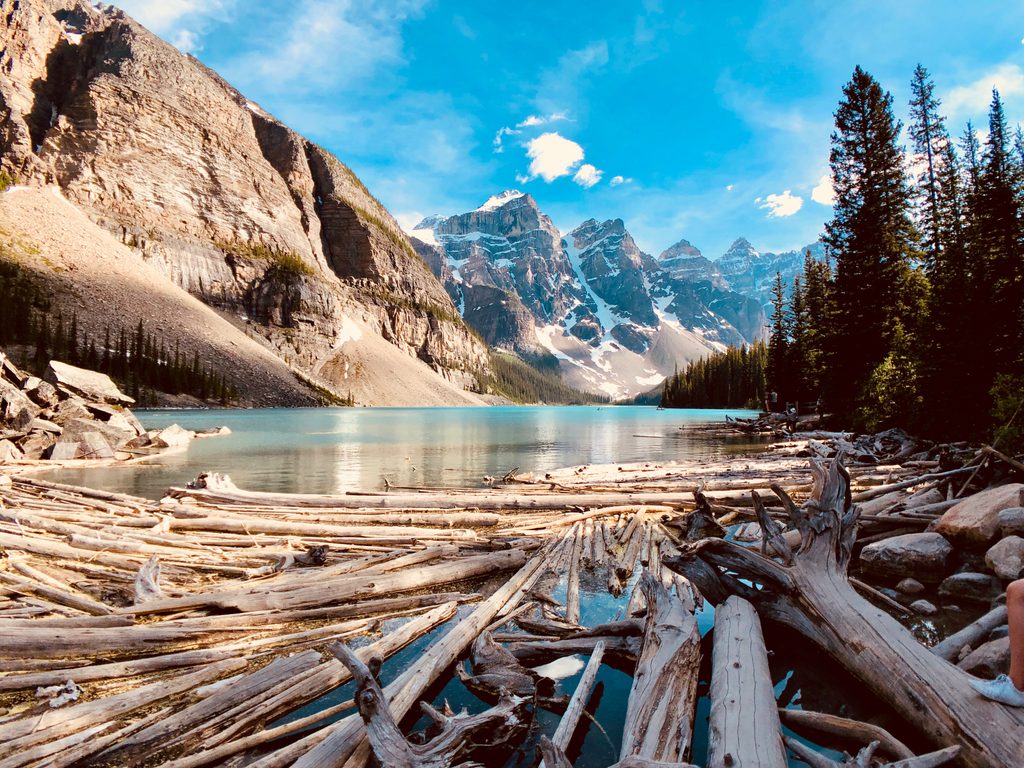
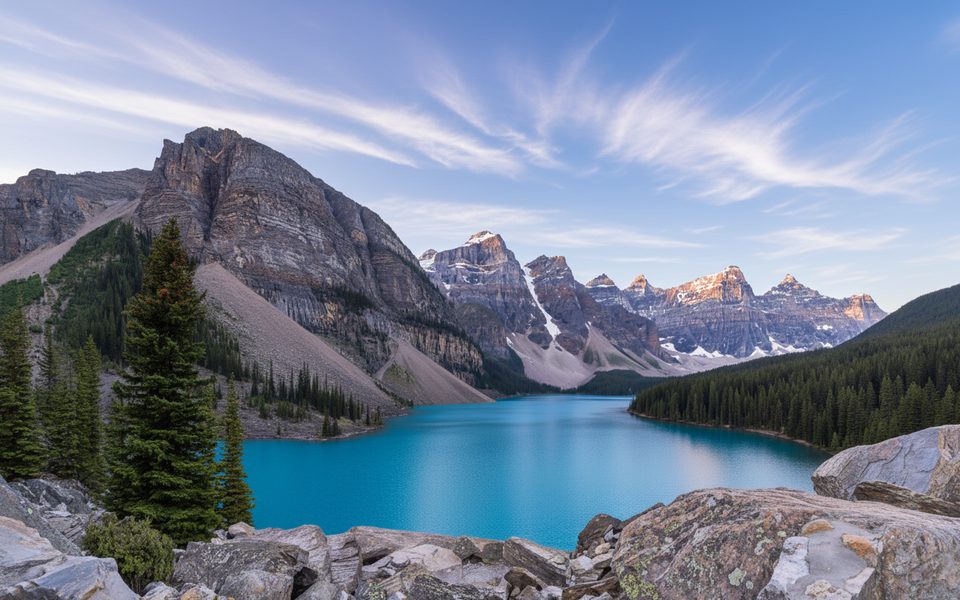
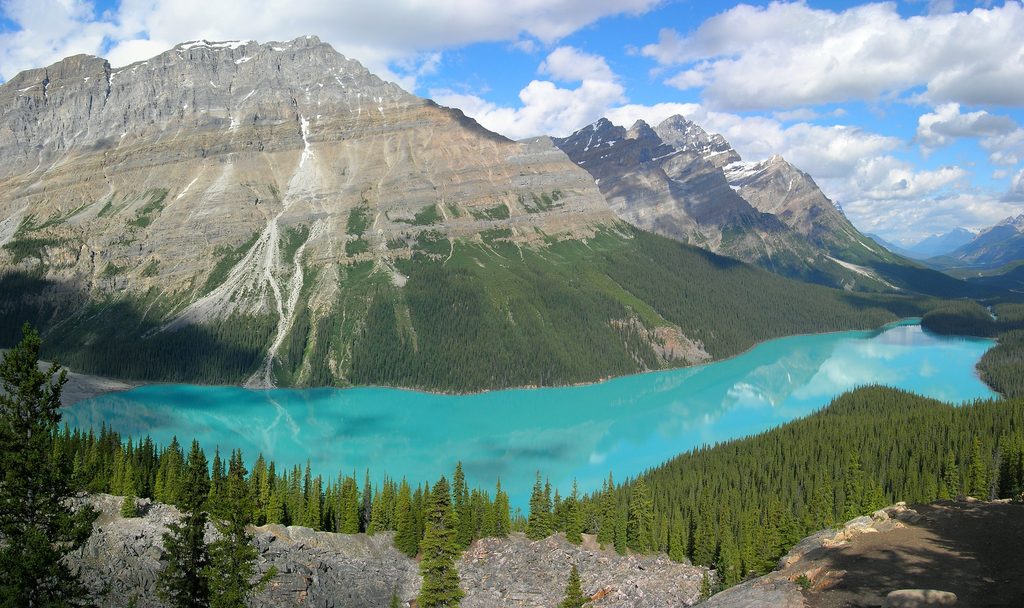
If you want classic Rockies eye candy without a grind, this is it. The Bow Lake Lakeshore Trail hugs a turquoise, glacier-fed lake with big-mountain backdrops, then carries on to the base of Bow Glacier Falls. Views are immediate and constant—this is a high‑reward, low‑effort day.
From the Bow Lake/Num‑Ti‑Jah area, cross a small wooden bridge and follow the north shore. You can walk right beside the lake for uninterrupted water-and-peak views, or take a parallel forest path for more shade and shelter. Many hikers do a pleasant out‑and‑back along the lakeshore; others continue past the head of the lake through a short gorge and across an outwash plain to Bow Glacier Falls, where stairs help you reach better viewpoints.
Expect easy to moderate grades overall. Wind on the shoreline is common and can make it feel colder than the forecast—conditions usually calm once you leave the lakeshore. Dogs must stay leashed.
The full out‑and‑back to Bow Glacier Falls is about 5.6 miles total with roughly 520 feet of elevation gain. That’s an easy–moderate effort for most, taking about 2.5–3.5 hours depending on stops. The surface is mostly packed dirt and gravel with some rocky sections and wooden stairs near the falls.
Bow Lake’s brilliant aquamarine color comes from glacial silt washing in from the Bow Glacier above—the same system that forms the headwaters of the Bow River. Keep an eye out for reflections of Crowfoot Mountain and Bow Summit on calm mornings. Past the lake, the trail threads a small gorge and spreads onto a glacial outwash plain, a front‑row look at how ice, water, and rock shape this valley.
Photography is best at calm early morning when reflections are most likely. Arrive early in summer to snag parking and enjoy quieter trails.
Absolutely. Iconic color, big peaks, and a bonus waterfall with modest effort—it’s one of the park’s most reliable crowd‑pleasers.
Park at Bow Lake near the Num‑Ti‑Jah Lodge access off the Icefields Parkway; the trail starts from the lakeshore by the parking area.
Shoreline winds are common; weather changes fast. Sections are rocky/uneven with stairs near the falls. Snow/ice linger in shoulder seasons; snowshoes may be needed in winter. No services along the route; dogs must be leashed.
Place
Place
Place
Place
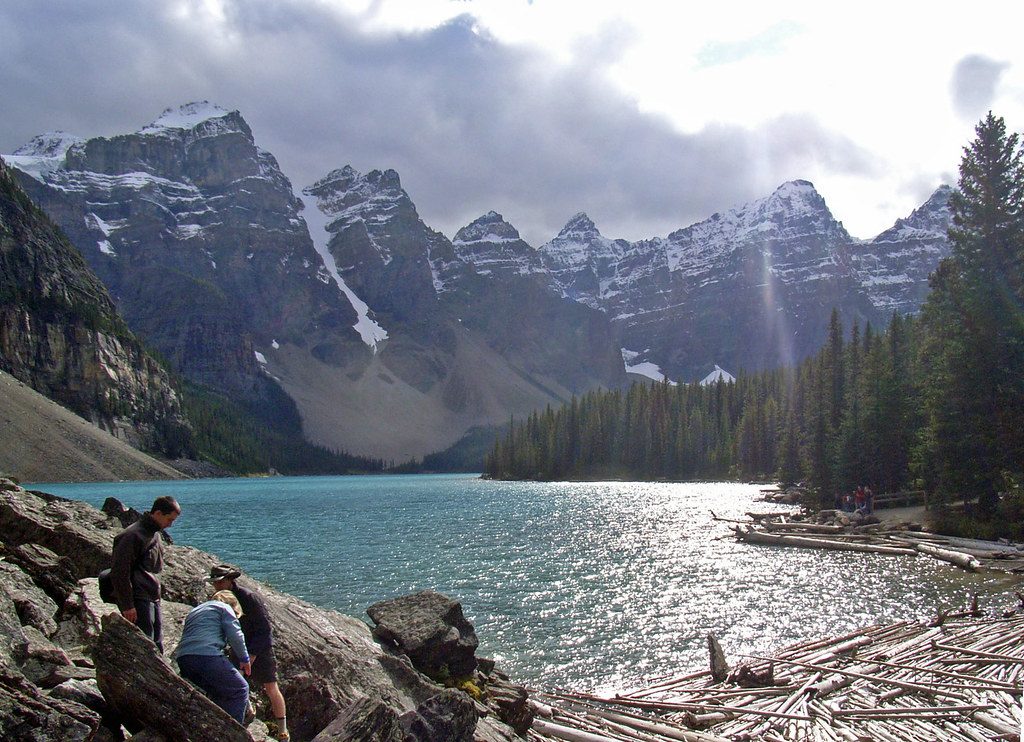
Easy
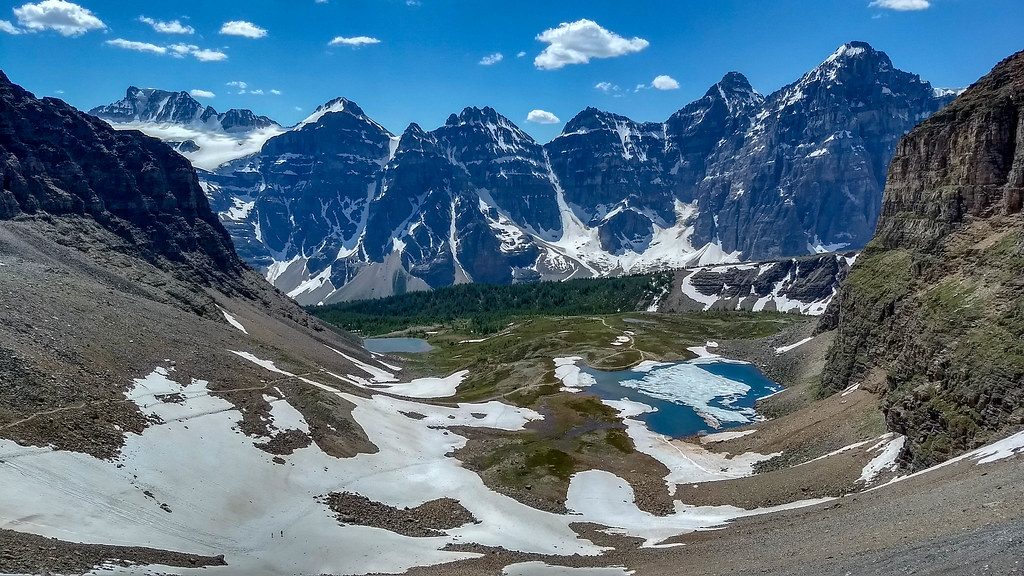
Challenging
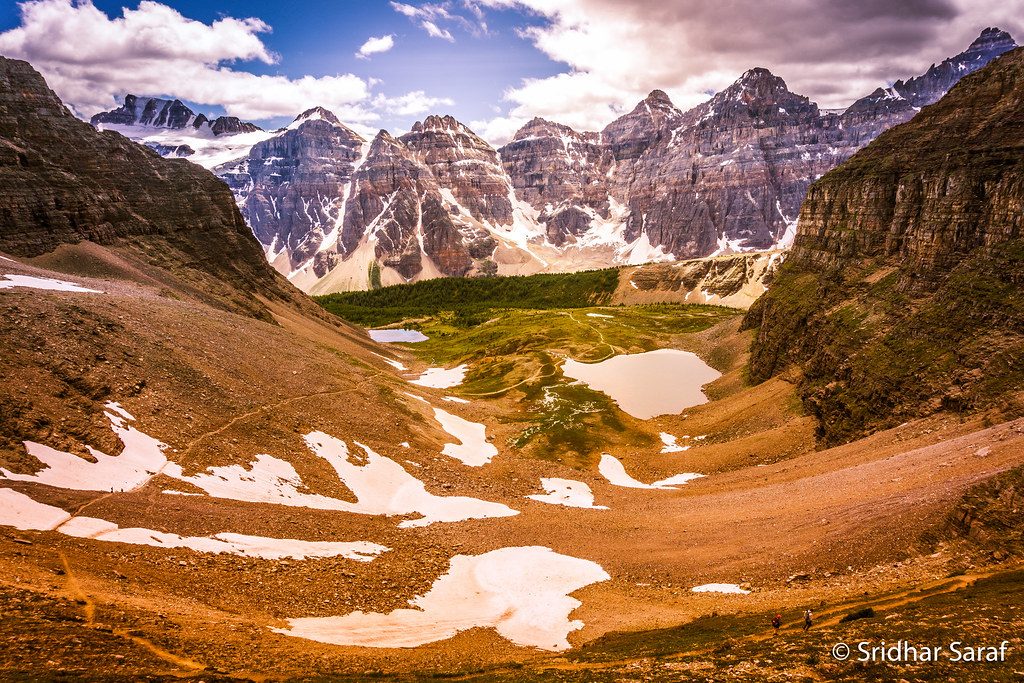
Challenging
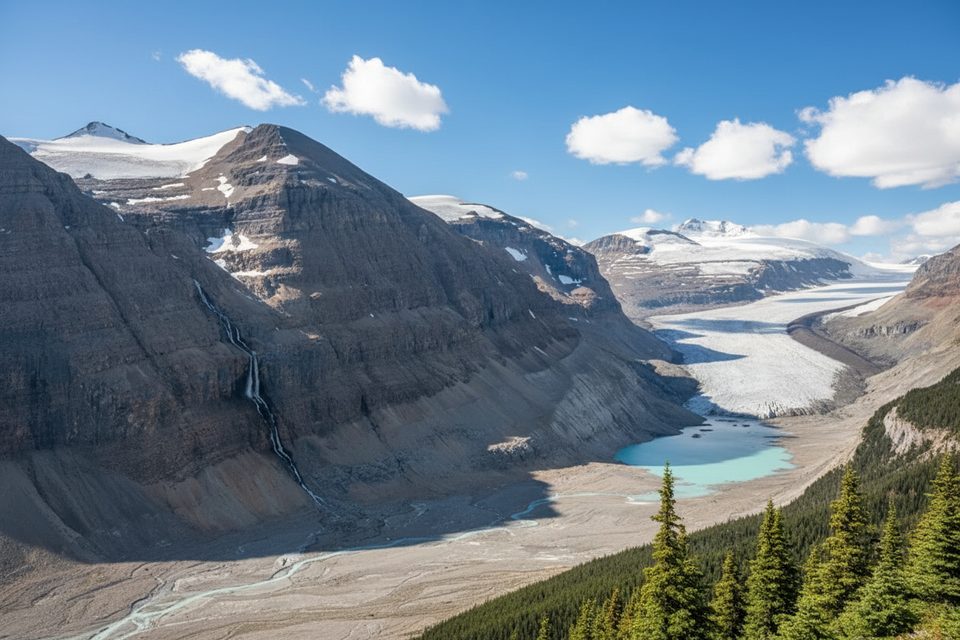
Moderate

Parkwolf Tour Guide
