
Place · 0.1 mi away
Challenging
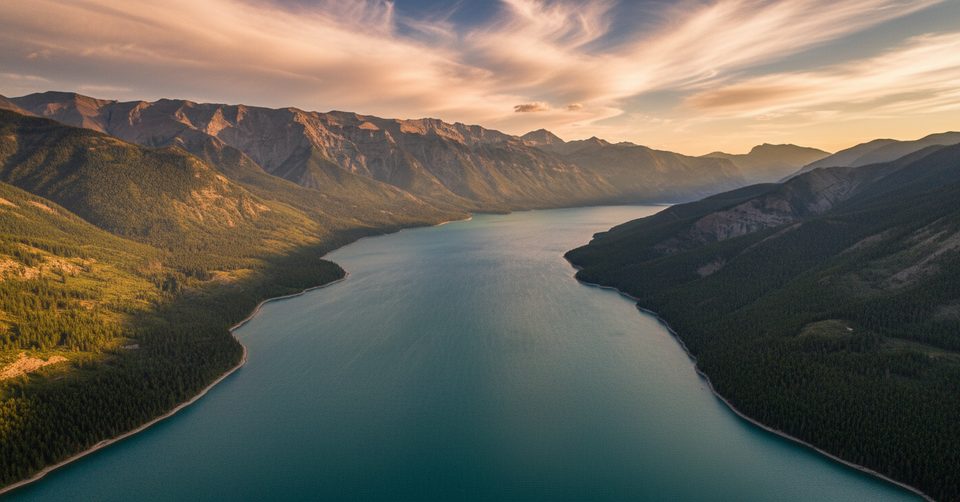
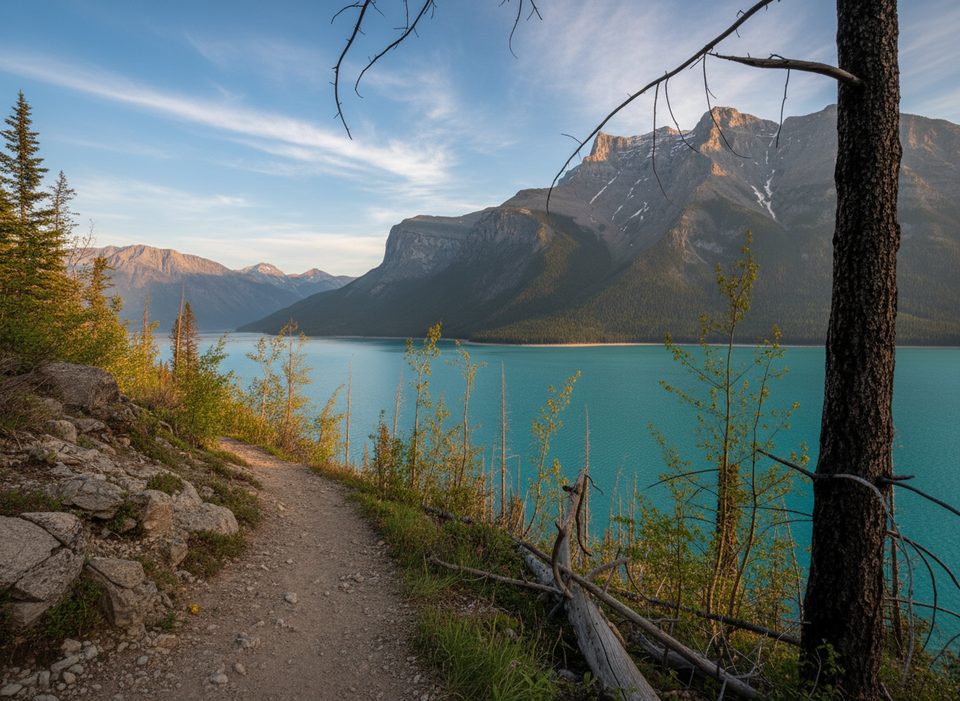
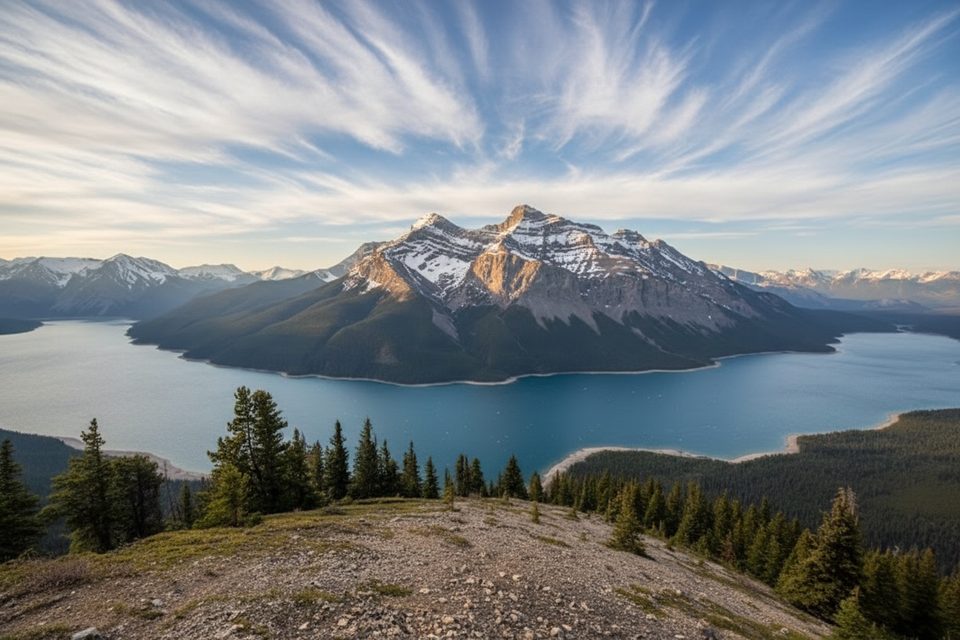
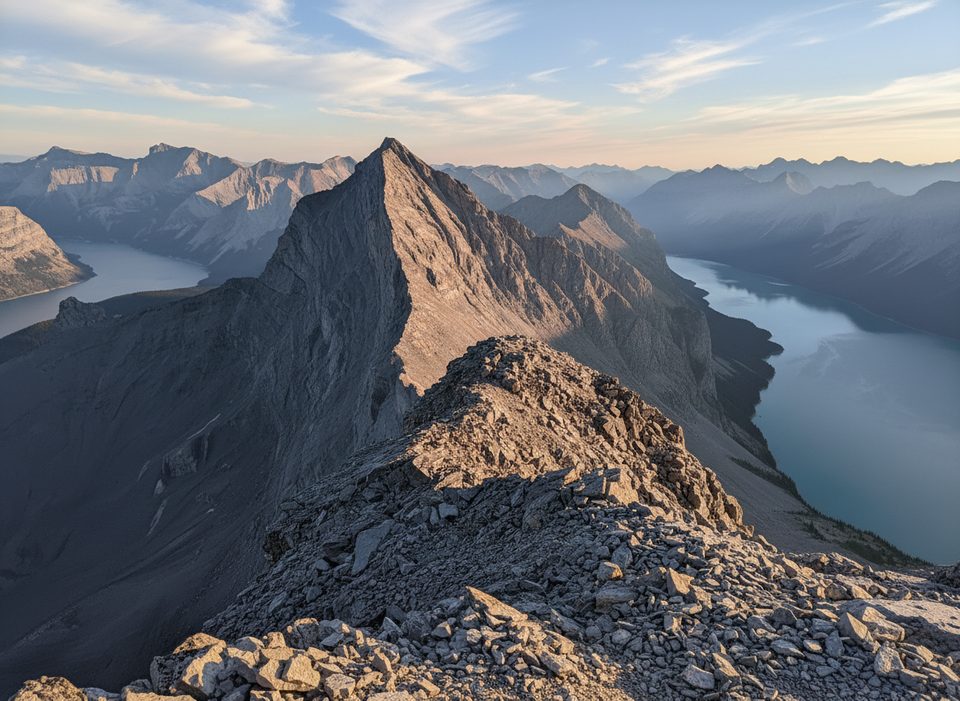
This route traces the north shore of Lake Minnewanka all the way to Devil’s Gap, a wide U‑shaped break in the Front Ranges that funnels you from big mountains toward rolling foothills and prairie views. It’s a remote-feeling corridor with panoramic lake vistas, open gravel flats, forested pockets, and the marshy Ghost Lakes area—very different from most front‑country Banff hikes. If you want solitude, big landscape transitions, and a bit of geology-in-motion, this is your ticket.
Plan for nearly 30 km one way (~18.6 miles) from the Lake Minnewanka parking lot to Devil’s Gap. Terrain is mostly moderate with relatively little sustained elevation gain, but the sheer distance and remoteness make it a serious undertaking. The full out-and-back is an ultra‑long day (12–14 hours) for the very fit, or a more enjoyable 2–3 day backpack using designated camps like LM9. Expect sections of narrow singletrack, sidehill benches, open gravel flats, and occasional muddy or marshy bits near Ghost Lakes. There’s also a “Dunes” variant near Ghost Lakes that offers a drier, more open option than the main marsh-side track.
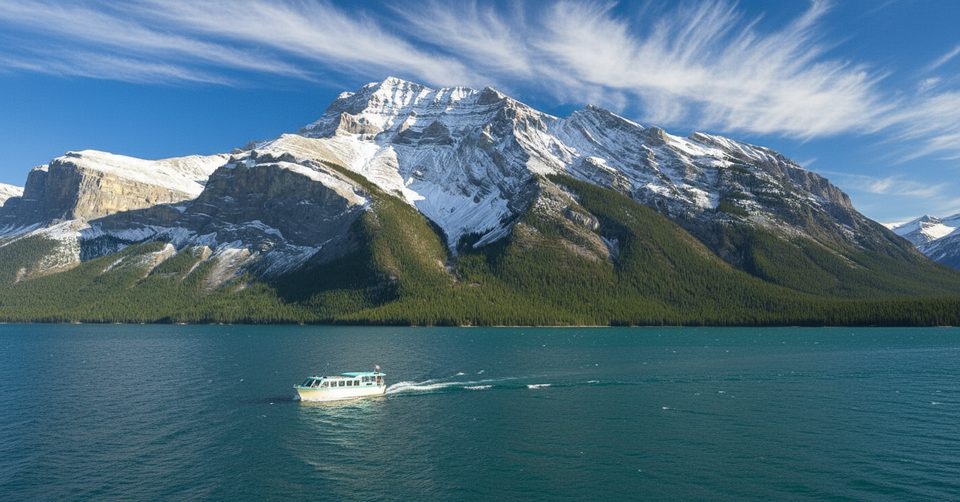
Lake Minnewanka delivers big water and big walls for much of the hike. Eastward, the valley widens and the landscape subtly shifts—by the time you reach Devil’s Gap you’re literally standing at the mountains-to-prairie threshold carved by glacial meltwater. Watch for elk and waterfowl (wild geese are common near the marshes) and be bear-aware throughout this wildlife corridor.
Late spring through early autumn (June–September) brings the best conditions. Early season (May) can hold lingering snow or muddy stretches in shaded forest and around Ghost Lakes; late autumn can see early snow and cold. For calmer water and softer light along the lakeshore, start early. Crowds thin dramatically once you’ve left the busy day-use area—east of the main lakeshore it’s often just you and the wind.
If you want a remote, distinctive Banff experience and have the stamina or are happy to backpack, this is a rewarding, underrated objective. If you’re after a short, punchy summit or a quick lakeshore stroll, this isn’t it—consider a shorter Minnewanka-area outing instead.
Park at the Lake Minnewanka day-use/parking lot; the trail starts from the lakeshore near the lot.
This is a long, remote corridor with bears; carry spray and know how to use it. Seasonal restrictions may require travel in groups of four and limit cycling (mid-summer window); confirm current advisories with Parks Canada. Expect marshy sections near Ghost Lakes, occasional confusing junctions (use a map/GPS), and no random camping—book designated backcountry sites. Treat all water.
Place · 0.1 mi away
Place · 0.2 mi away
Place · 1.4 mi away
Place · 1.4 mi away
Easy · 0 mi away
Challenging · 0 mi away
Challenging · 0 mi away
Challenging · 0 mi away

Parkwolf Tour Guide
