
Place
Challenging
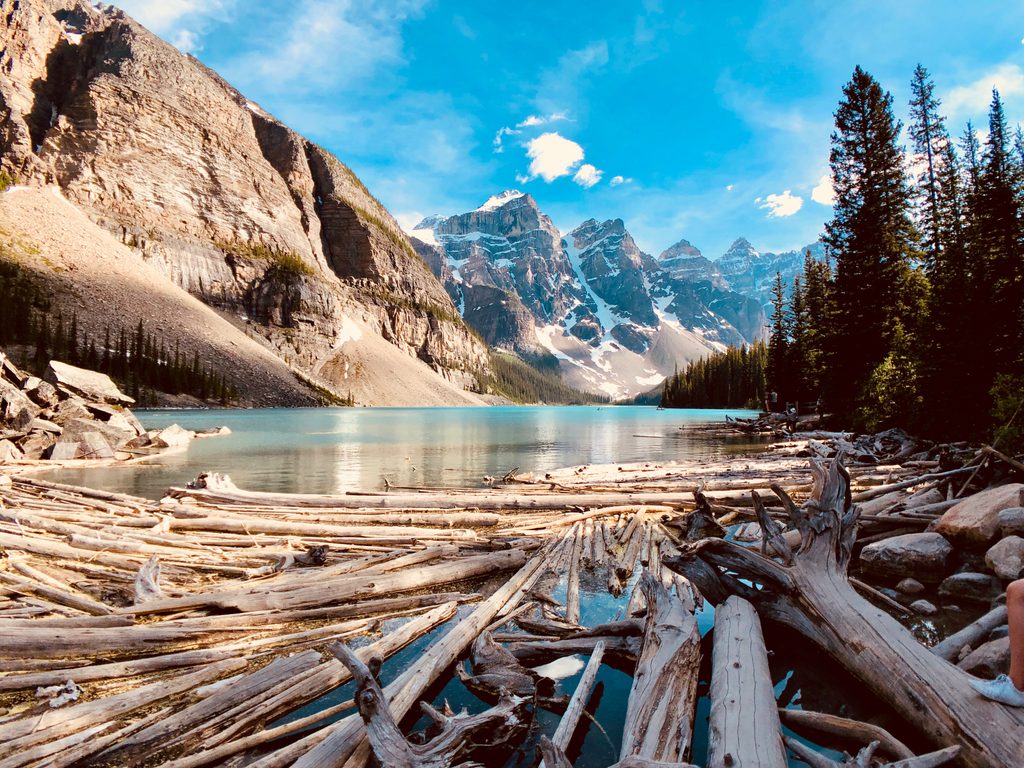
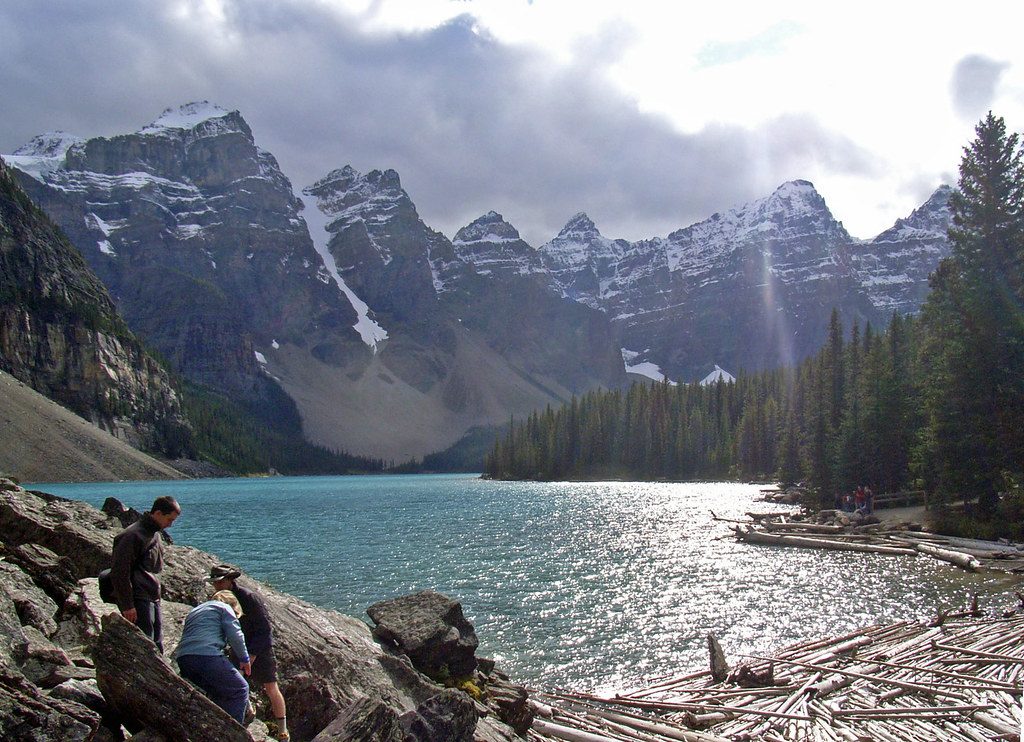
If you want a peaceful alpine lake without the circus that swirls around Banff’s headliners, O’Brien Lake delivers. Most of the approach rides the popular Taylor Lake trail, then peels off to a quieter basin tucked beneath Mount Bell. In late summer and especially fall, wildflowers and golden larches steal the show, and the shore is a fine place to lounge on drift logs and soak in the Rockies.
Start from the Taylor Lake parking lot off Highway 1 and follow a steady, wooded climb alongside the sounds of Taylor Creek. Views are limited in the forest, but a viewpoint near the top opens things up. From the signed junction near Taylor Lake, a brief, less-traveled spur leads to O’Brien. Many hikers tag both lakes since they’re minutes apart from the junction. Expect well-marked, non-technical singletrack with roots, rocks, and the occasional muddy patch. This is an out-and-back route, and the 10.8 miles total (17.4 km) make it a full-day outing for most.
O’Brien Lake sits in a glacially carved basin of the Bow Range, with classic subalpine forest, meadows, and larch stands. The best window is late June through September when the trail is generally snow-free. Fall larch season is a standout—one of the area’s better color shows. Shoulder seasons can be muddy or hold lingering snow higher up, which can obscure the path.
Underrated and rewarding if you’re up for the distance. You’ll earn quieter shoreline time than at the big-name lakes, with bonus larch and wildflower payoffs. If you only have energy for one, O’Brien feels more tranquil than Taylor, but visiting both is easy from the junction.
Late June–September for snow-free travel. Aim for fall for peak larches. Start early for cooler temps, steadier weather, and a calmer trail; expect more company on the shared approach in prime months.
Park at the Taylor Lake parking lot off the Trans-Canada Highway (Hwy 1) between Castle Junction and Lake Louise; the trail starts at the locked gate at the back of the lot.
Grizzly bear country—carry bear spray and make noise. Snow can linger outside late spring–early fall and may obscure the route; expect roots, rocks, and muddy stretches. Weather changes quickly and afternoon thunderstorms are common. Not accessible.
Place
Place
Place
Place
Easy
Challenging
Challenging
Moderate

Parkwolf Tour Guide
