
Place
Challenging
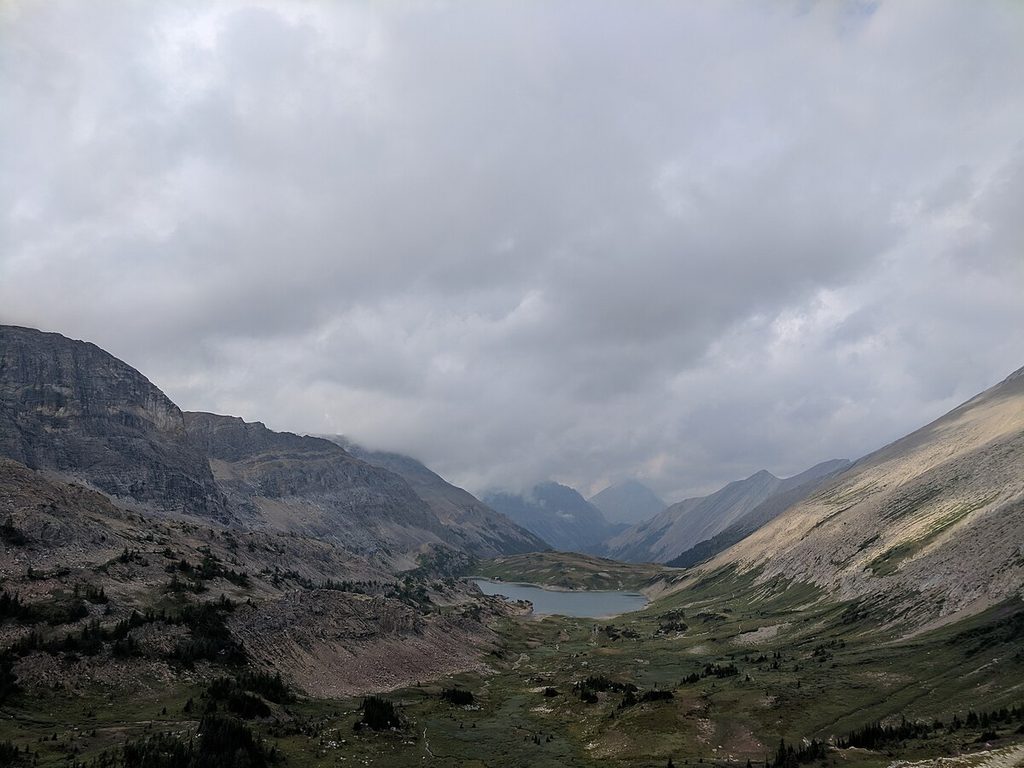
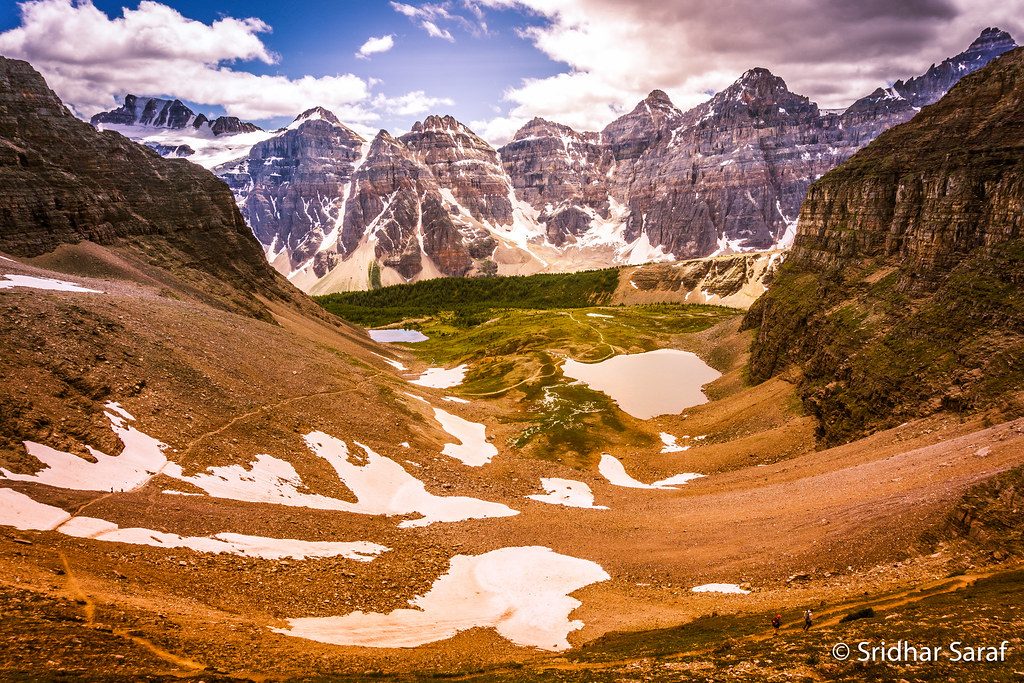
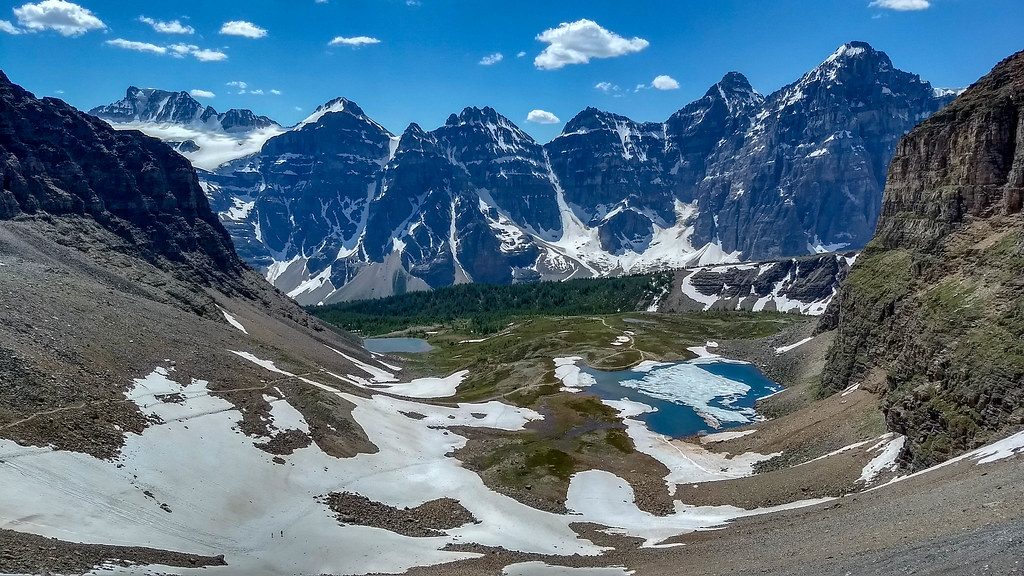
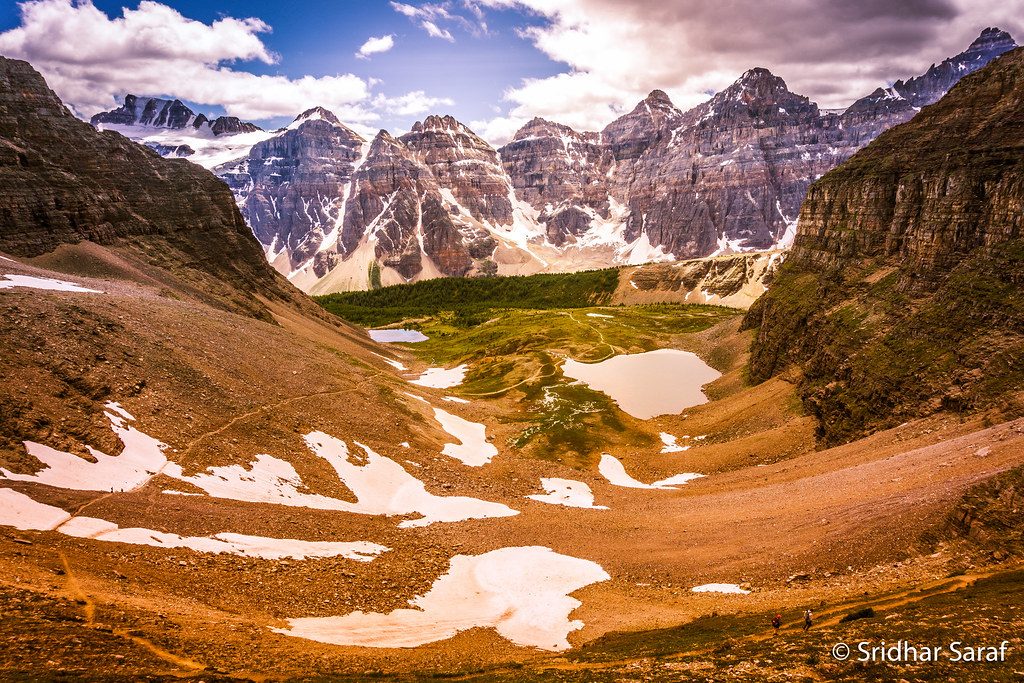
Pulsatilla Pass is the quiet, high-country heart of the Sawback—broad alpine meadows, rare karst flats, and big Sawback Range views without the usual Banff crowds. It’s remote and feels it. If you crave solitude and scenery over amenities, this one delivers.
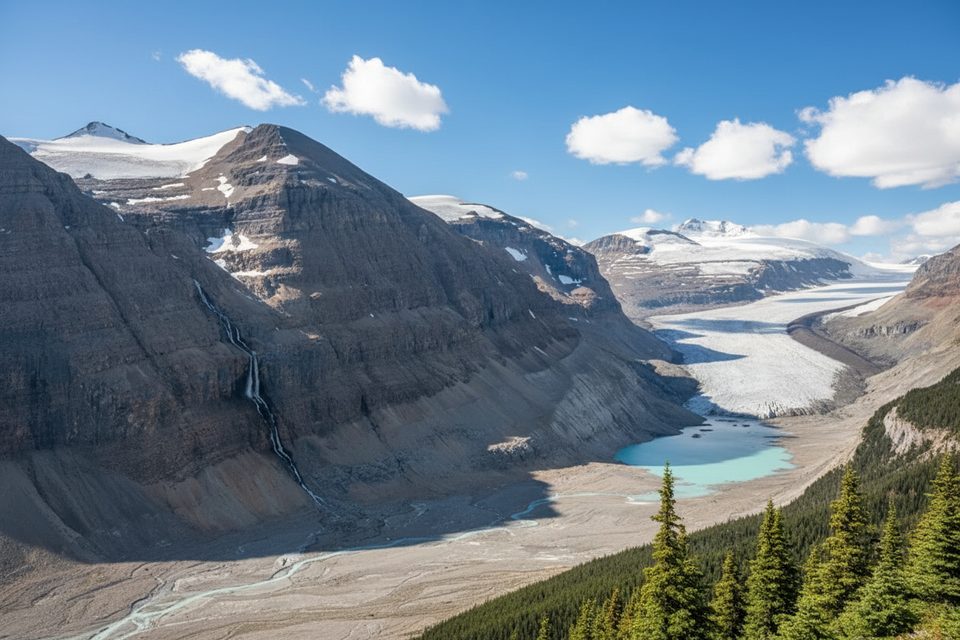
Most hikers reach Pulsatilla Pass as part of the multi-day Sawback Trail traverse, not as a short day hike. Expect a long, committing backcountry trip with forested approaches, open meadows, rocky and rooty singletrack, and occasional scree and rubble. The pass area looks down toward Pulsatilla Lake and invites ridge rambles if you’ve got extra time and stable weather.
You’ll cross broad karst flats (limestone terrain shaped by underground drainage) and flower-laced meadows—keep an eye out for western pasqueflower (Pulsatilla occidentalis), the namesake bloom. The pass grants sweeping mountain views and a “spell-binding” look toward Pulsatilla Lake. Nearby backcountry spots like Wildflower Creek Campground, Hidden Lake, and Baker Lake make stellar bases, and strong hikers sometimes link onward toward Badger Pass for an even wilder vibe.
Late July through early September is the sweet spot: snow has typically melted off the pass and wildflowers peak. Early season (June–early July) can mean lingering snow and muddy, flooded sections. By late September, expect the chance of early snow. Aim for early or late in the day for the best light on the pass and lake.
This is grizzly country—carry bear spray, keep an immaculate camp, and stay alert. Water is available from streams but can be intermittent; filter or treat everything. Signage exists but isn’t comprehensive, and navigation can get spicy in fog or bad weather—carry a real map or GPS. Nights are cold even in summer. You’ll need backcountry camping permits and reservations for designated sites; check current conditions and any restrictions with Parks Canada before you go.
If you want a short, easy crowd-pleaser, skip this. If you’re an experienced backpacker hunting for solitude, big alpine, and a geologically unique pass, Pulsatilla is underrated gold. For a more accessible alternative with similar high-country feel, consider building an itinerary around Baker Lake and Ptarmigan Lake—both can be combined with sections of the Sawback without committing to the full traverse.
Access varies by itinerary; most hikers reach Pulsatilla Pass along the multi-day Sawback traverse using designated backcountry trailheads. Confirm current access, overnight parking rules, and shuttle/vehicle logistics with Parks Canada.
Remote backcountry with grizzly bears, rapid weather shifts, lingering early-season snow, and limited signage. Streams exist but can be intermittent—filter all water. Carry bear spray and reliable navigation; permits required for backcountry camps.
Place
Place
Place
Place
Easy
Challenging
Challenging
Moderate

Parkwolf Tour Guide
