
Place
Challenging
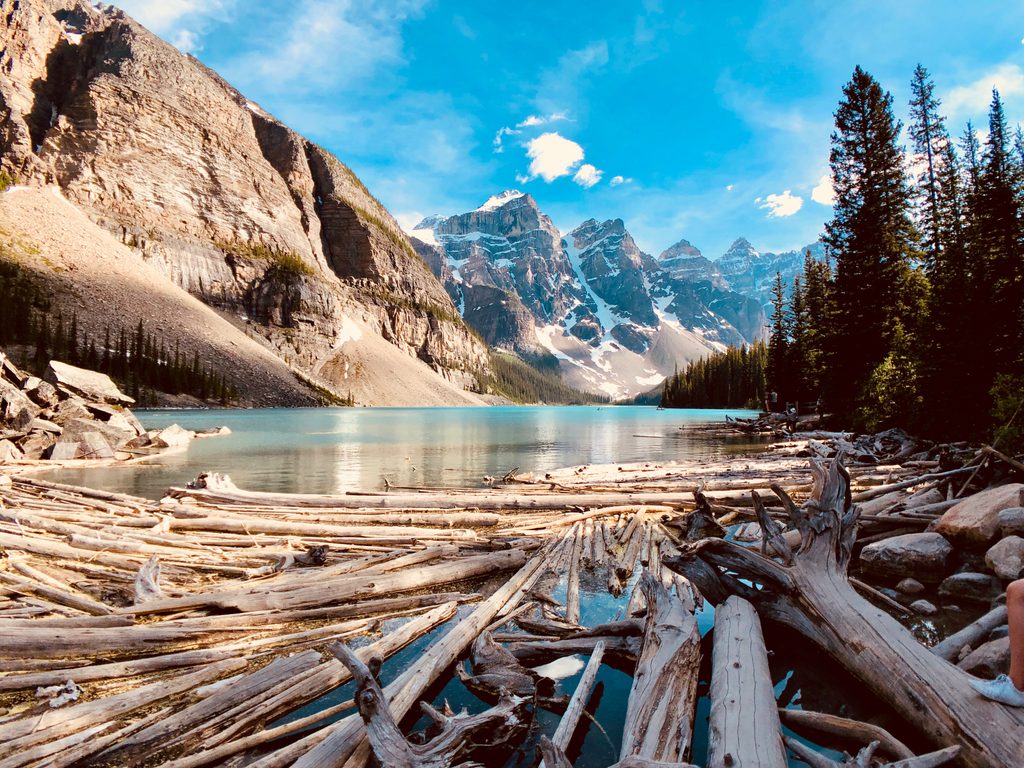
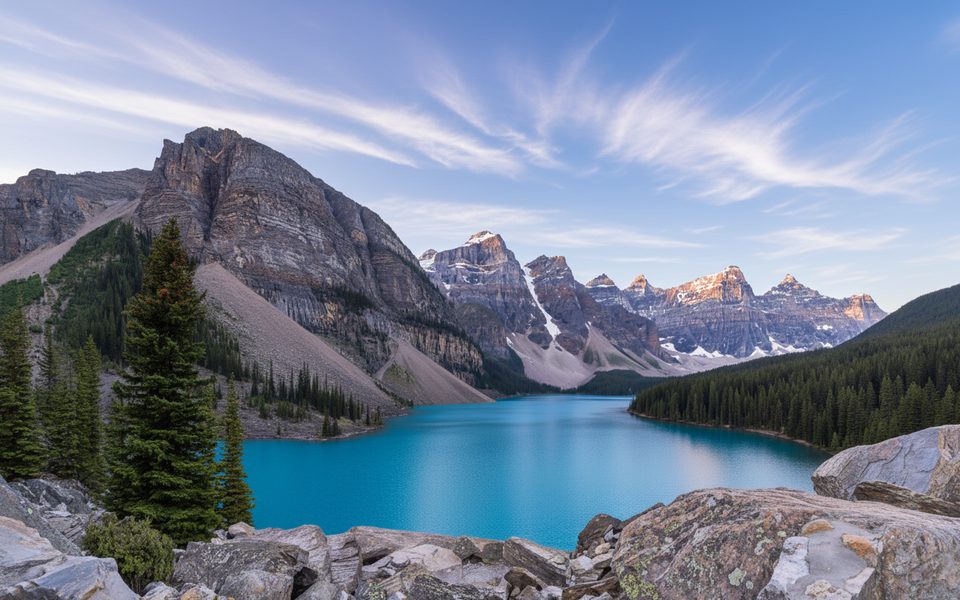
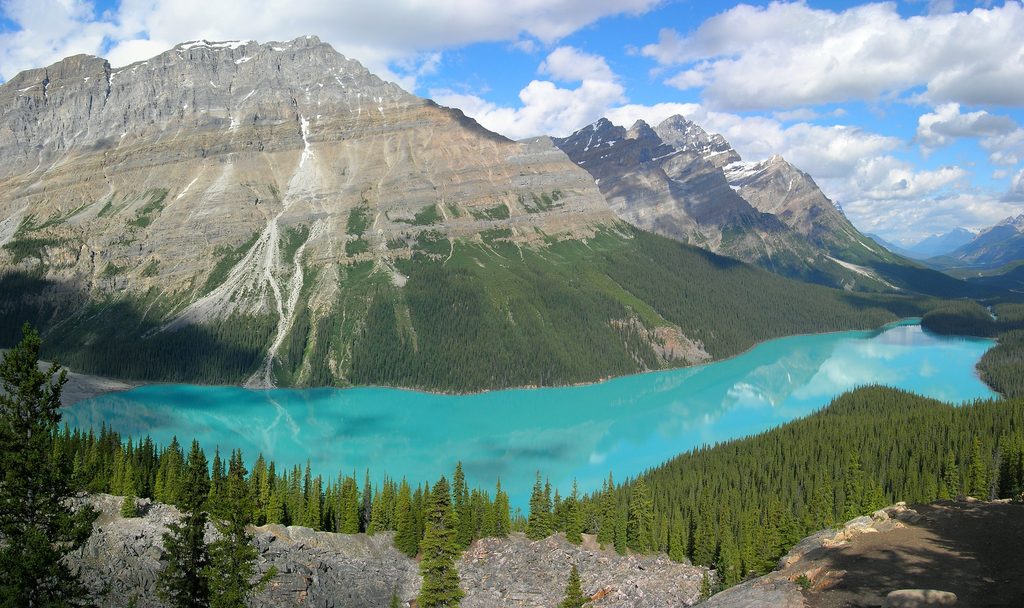
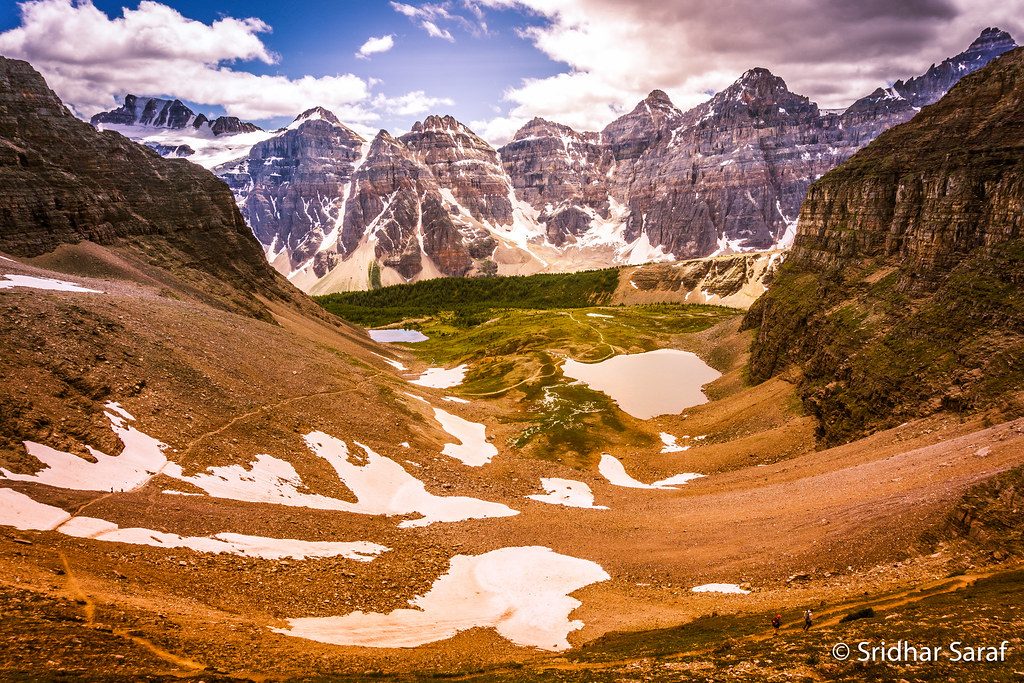
Looking for a big-payoff lake day with fewer people once you’re past the crowds? This out-and-back delivers three distinct basins—Vista, Arnica, and the Twin Lakes—plus larch forests that glow gold in late September. It’s a moderate-to-strenuous outing thanks to real elevation and rough tread, but the scenery and variety make it one of the more rewarding day hikes in the area.
Start at the Vista Lake viewpoint on Highway 93S and immediately drop to turquoise Vista Lake. From there, the trail climbs steadily beneath Storm Mountain to tranquil Arnica Lake, ringed by subalpine larch that put on a show in fall. Beyond Arnica, expect rougher, wetter singletrack as you roll up to the saddle and then into the quieter Twin Lakes basin. Upper and Lower Twin are separated by a short wooded path; the lower lake has a rustic bridge at its outlet. The full hike is about 16.6 km/10.3 miles round trip (total), with roughly 1,170 m/3,840 ft of cumulative gain. Count on about 580 m to reach Arnica, then more undulating climbing and descent to the Twins. Translation: pace yourself for the uphill finish back to the trailhead.
Surface is classic Rockies singletrack—roots, rocks, and some mud beyond Arnica—so trekking poles and waterproof boots help. You’ll get pockets of big views across the Bow Valley and a panoramic feel from the saddle between Arnica and Twin. Larch stands around Arnica are the star in late September. This is also bear country; carry bear spray and make noise.
Arnica Lake is popular, especially during larch season, so expect weekend congestion and a busy lot. Far fewer hikers continue to Twin Lakes, so the back half of the hike is usually quieter. Parking is at the Vista Lake pullout/viewpoint on Hwy 93S (about 8 km south of Castle Junction). Cell service is unreliable—download your map beforehand. Some hikers arrange a shuttle to make it a one-way traverse to the Castle Junction/Altrude Creek side, avoiding the return over the same ups and downs.
July through September typically offers the best conditions. Early summer can be muddy; by late September, cool temps and golden larches make this a standout. Arrive early in larch season to beat parking pressure and catch softer morning light on the lakes.
There’s a backcountry campground at Upper Twin Lake for overnighters (permit required). Day hikers only need a Parks Canada pass—no separate backcountry permit unless camping.
Vista Lake viewpoint pullout on Hwy 93S (Banff–Radium Highway), about 8 km south of Castle Junction; limited spaces—arrive early in larch season.
Bear habitat—carry spray. Rough, rooty, and muddy sections past Arnica. Limited cell service. Save energy for the final climb back to the trailhead.
Place
Place
Place
Place
Easy
Challenging
Challenging
Moderate

Parkwolf Tour Guide
