
Place
Challenging
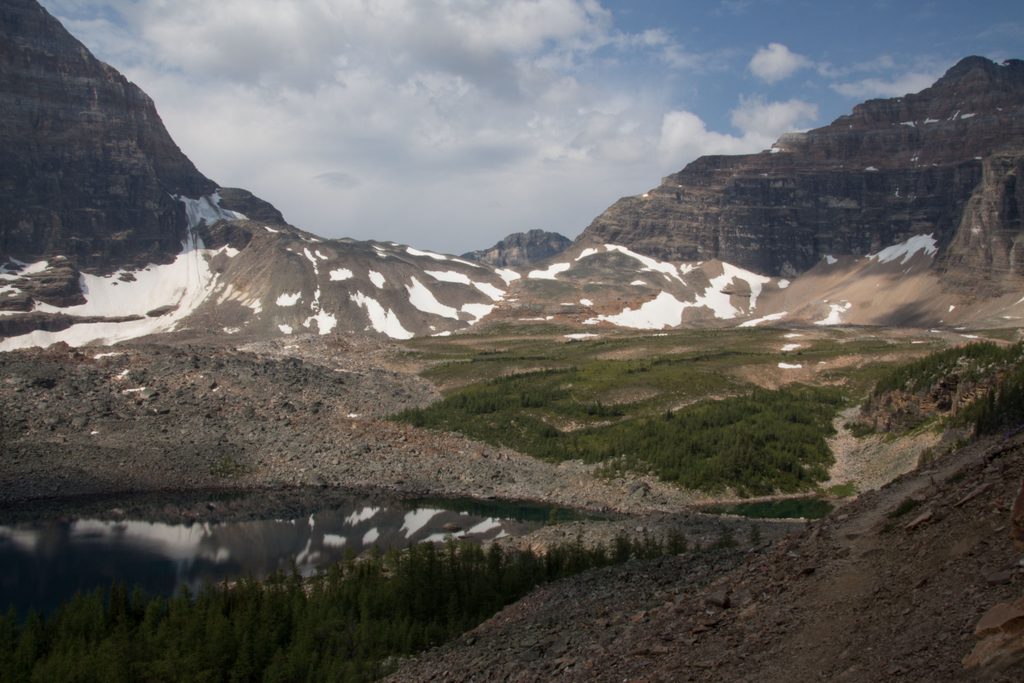
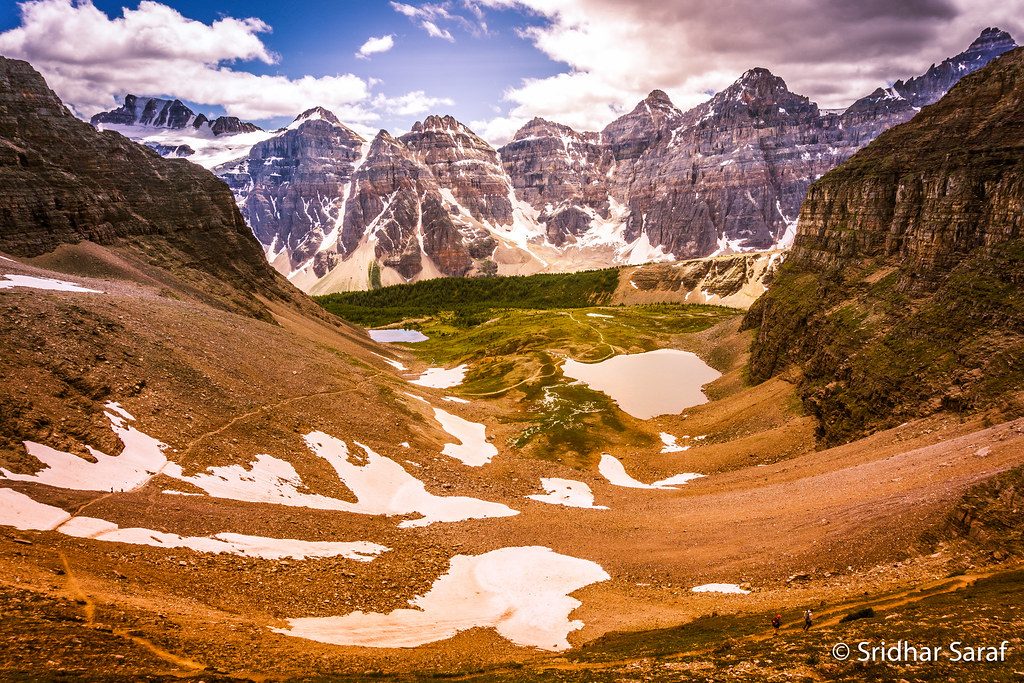
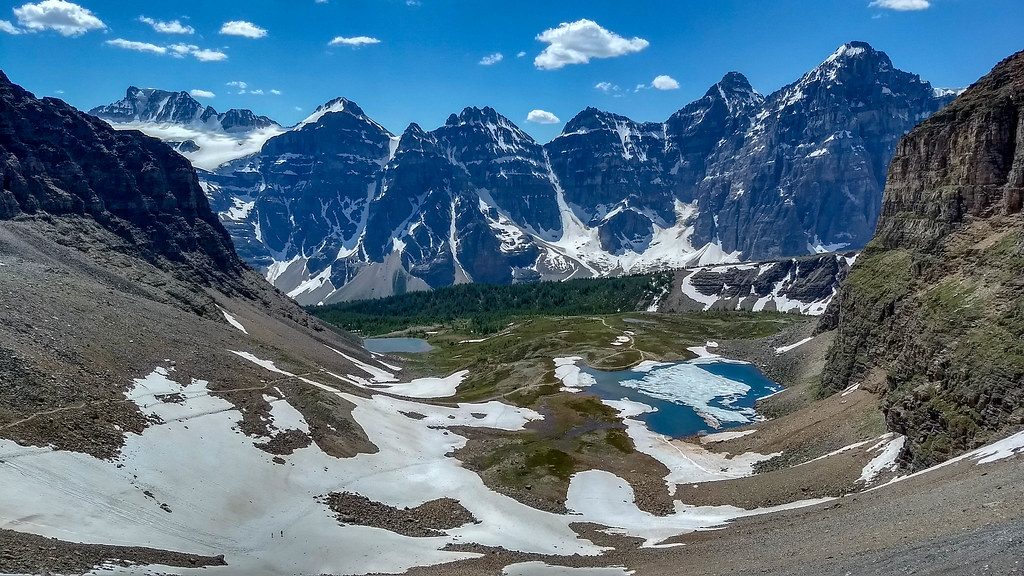
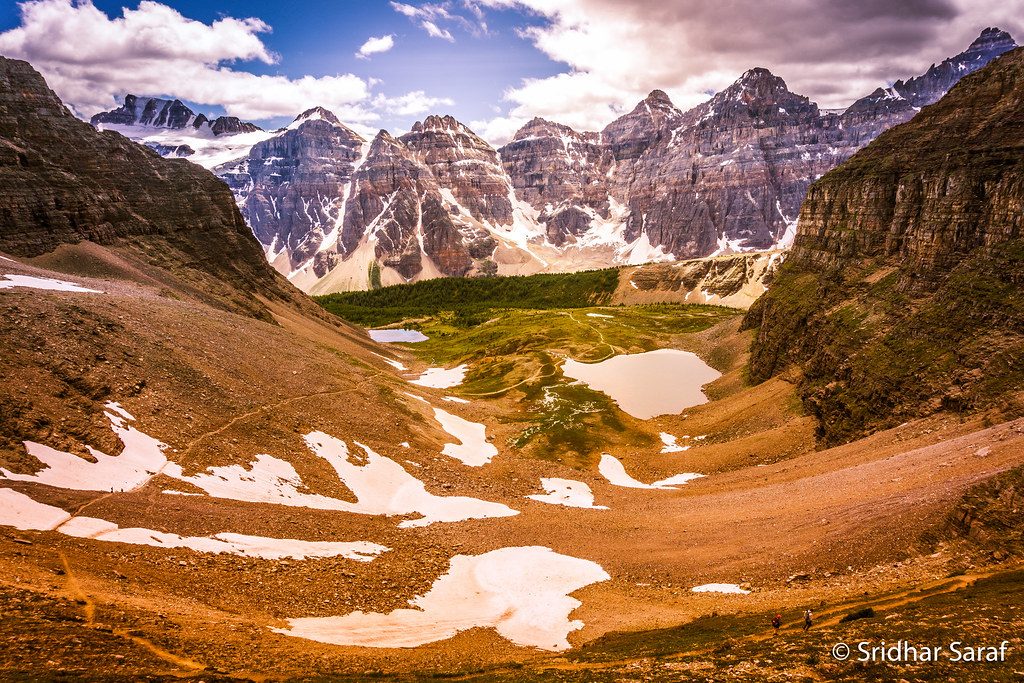
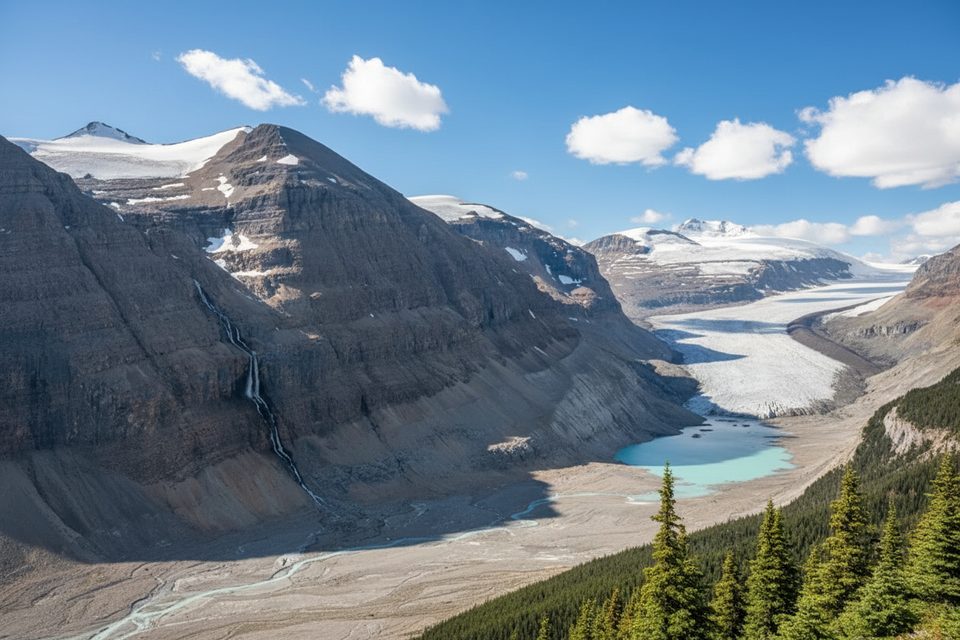
If you’re chasing the big, wild Banff alpine feel, this is the Moraine Lake hike that actually delivers solitude and huge views after the first hour. The out-and-back route (about 11.8 miles/19 km total) leaves the crowds, traces the Valley of the Ten Peaks past serene Eiffel Lake, then grinds up scree and switchbacks to Wenkchemna Pass (~2,610 m). The money shot is looking back from the pass into the entire valley—glaciers, moraines, and all.
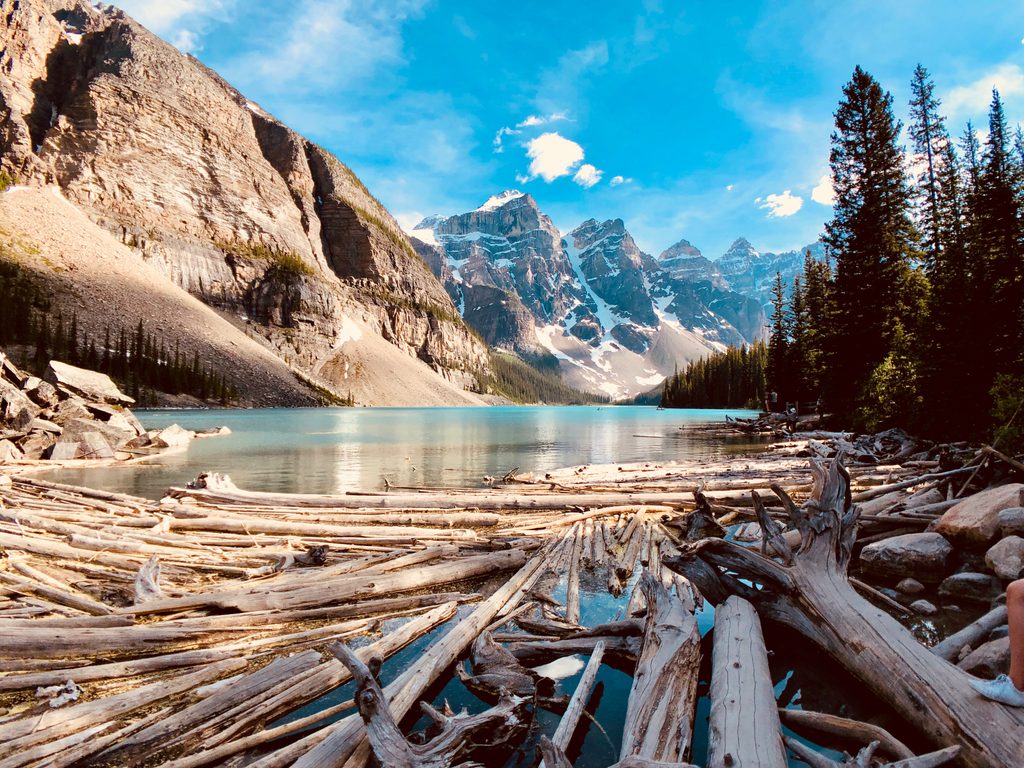
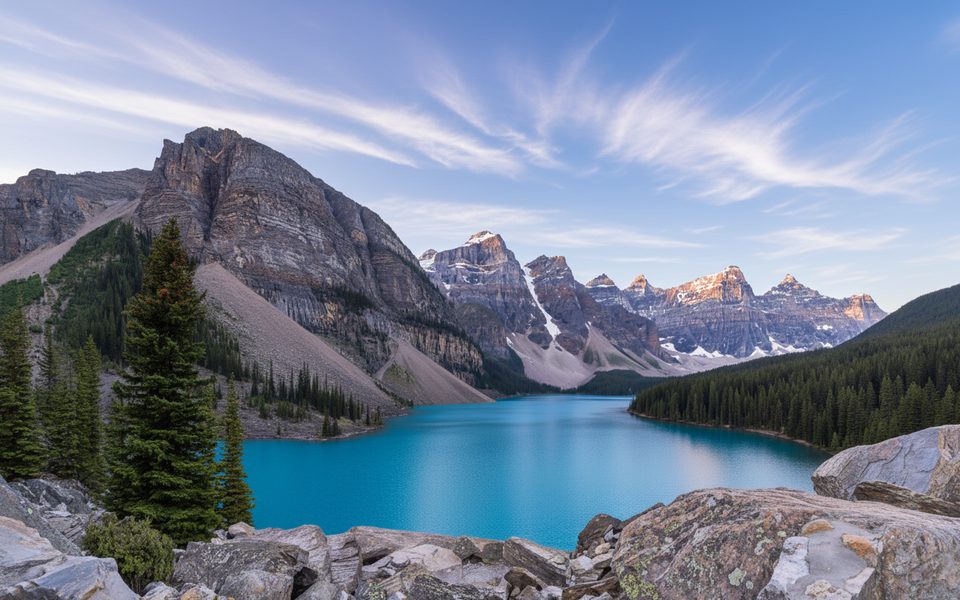
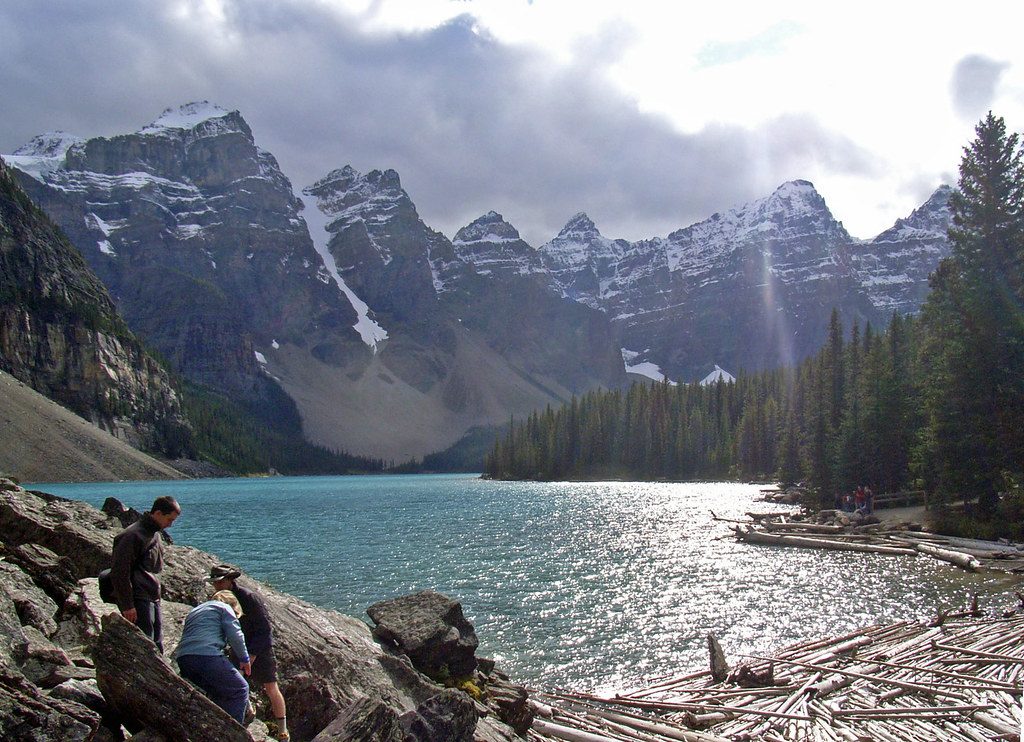
Expect a progressive reveal: turquoise Moraine Lake early on, larch forests that go gold in autumn, big rock walls and boulder fields (especially beneath Wastach/Eiffel areas), and classic glacial landforms—moraines and alluvial fans—etched into the valley. "Wenkchemna" comes from the Stoney word for "ten," nodding to the Ten Peaks that frame your day. Past the pass, the country feels truly remote and trail-less—worth peeking into, but most day hikers turn around at the crest.
From Moraine Lake, climb switchbacks to a signed junction: go left for Eiffel Lake/Wenkchemna Pass (right heads to Larch Valley/Sentinel Pass). The traverse to Eiffel Lake is gentler and a popular turnaround; continuing to the pass adds steeper, rockier terrain with scree and braided paths near the top. Figure 7–8 hours round-trip with roughly 2,800–3,300 ft (850–1,010 m) of gain. Route-finding can be tricky early season when snow lingers on the upper switchbacks.
Late July through September is the sweet spot—snow melts back, avalanche hazards fade, and you’ll have the most straightforward navigation. Autumn brings prime larch color (and more people). Moraine Lake Road isn’t maintained in winter, so this one’s a summer–fall objective. For light and fewer people, start early; you’ll also beat the parking crunch.
Yes—if you’re up for the distance and the rocky final push. It’s quieter than the Sentinel Pass crowd scene and punches above its weight in views and geology. If you want something shorter and more social, the Larch Valley/Sentinel Pass route is the common alternative.
Start at Moraine Lake. Parking is extremely limited—arrive very early or book a shuttle; paid shuttle options operate to the Moraine Lake lot.
Steep scree and switchbacks near the pass; snow can linger into mid-summer with route-finding challenges. Avalanche slopes exist below Eiffel Peak. Grizzly habitat—group travel and bear spray recommended; a group-of-four rule may be in effect. No facilities beyond Moraine Lake and rapidly changing alpine weather.
Place
Place
Place
Place
Easy
Challenging
Challenging
Moderate

Parkwolf Tour Guide
