
Place
Moderate
If you’re chasing classic Banff alpine—big-mountain skylines, flowered meadows, and the sharp whistle of marmots—Whistling Pass delivers without the crowds of the park’s famous day hikes. It’s most often a connector on multi-day trips linking Gibbon Pass, Haiduk Lake, and the Egypt Lake basin, and it’s a scenic, moderately strenuous segment that rewards prepared hikers with wide-open views of Mount Ball, the Pharaoh Peaks, and a string of blue-green lakes.
Plan on roughly 6 miles/10 km point-to-point between Ball Pass Junction and Egypt Lake via Whistling Pass. If you’re just climbing from Haiduk Lake, it’s about 3 miles/4.8 km one way to the pass with roughly 225–300 m of gain to around 2,290 m. The ascent from Haiduk is steep but well-trodden; the descent toward Egypt Lake starts gently, then turns rockier and more awkward in the last 2 km—take it slow if you’re carrying an overnight load.
Haiduk Lake is the star here—often described as prettier than better-known Egypt Lake—and makes a perfect rest stop before the final climb. Expect classic Rockies geology (limestone and shale shaped by glaciers), airy meadows that pop with wildflowers in mid-summer, and constant chances to spot or hear the hoary marmots that give the pass its name. Views swing between the Mount Ball cirque and the Pharaoh Peaks, so don’t forget to turn around as you climb.
Beyond the Sunshine/Healy Creek approach, expect a “real” backcountry tread: muddy after rain, rocky, and rooty in places. It’s doable for strong hikers and backpackers who don’t mind uneven footing and occasional snow patches early season. If you want manicured, this isn’t it; if you want solitude and big terrain, you’re in the right place.
July to early September is the sweet spot—snow is typically off the pass, wildflowers are out, and weather is more reliable. Earlier in the season you may hit lingering snow and higher water crossings. Mosquitoes spike in wet years, especially around meadows and lakes, so bring repellent.
There’s a signed junction to Scarab and Mummy Lakes about halfway from the pass to Egypt Lake—add roughly 3 km and 300 m up/down if you’ve got gas in the tank. Pack rain layers, warm extras, and navigation (map + compass or GPS); fog or fresh snow can obscure the route up high. If you’re camping, reserve backcountry permits early—Egypt Lake and Ball Pass Junction fill fast—and use the food lockers. Be bear-aware: carry spray and make noise.
Most hikers access via the Sunshine parking lot to the Healy Creek approach into the Egypt Lake basin. Whistling Pass is otherwise reached as a backcountry connector on multi-day itineraries (e.g., via Ball Pass Junction/Gibbon Pass), so plan parking based on where your traverse begins.
Expect rough, muddy, and rooty sections; the descent toward Egypt Lake turns rockier near the end. Snow can linger early season, and fog/snow may obscure the route—bring navigation. Mosquitoes can be intense in wet years. Be bear-aware. In winter/shoulder seasons in the broader area, check avalanche info before committing.
Place
Place
Place
Place
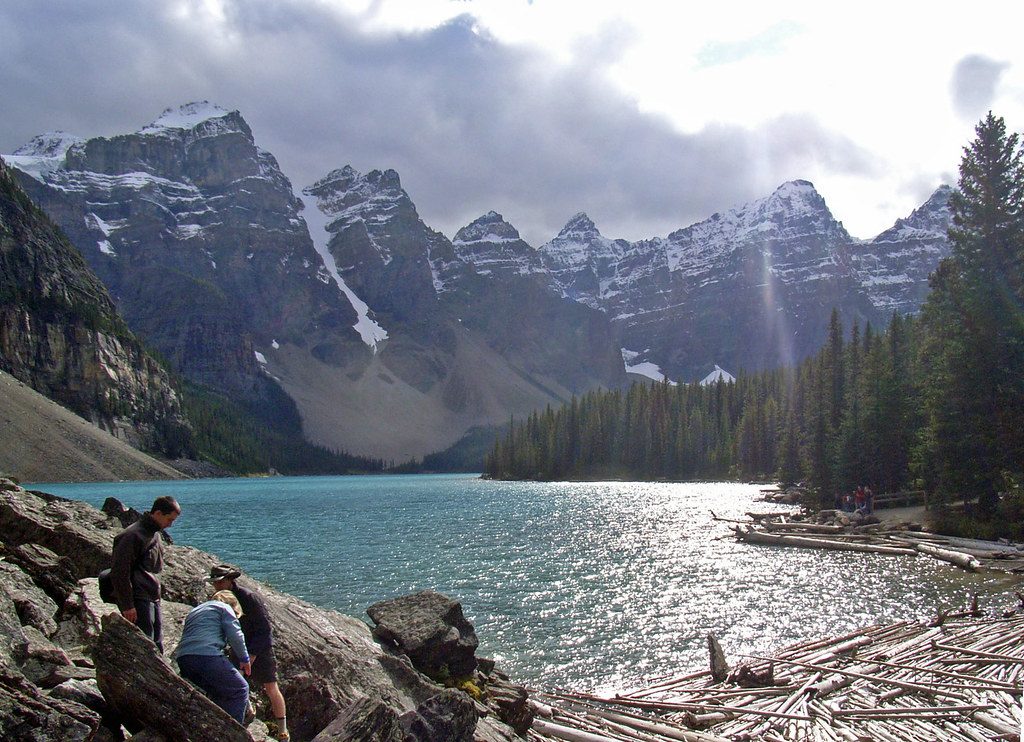
Easy
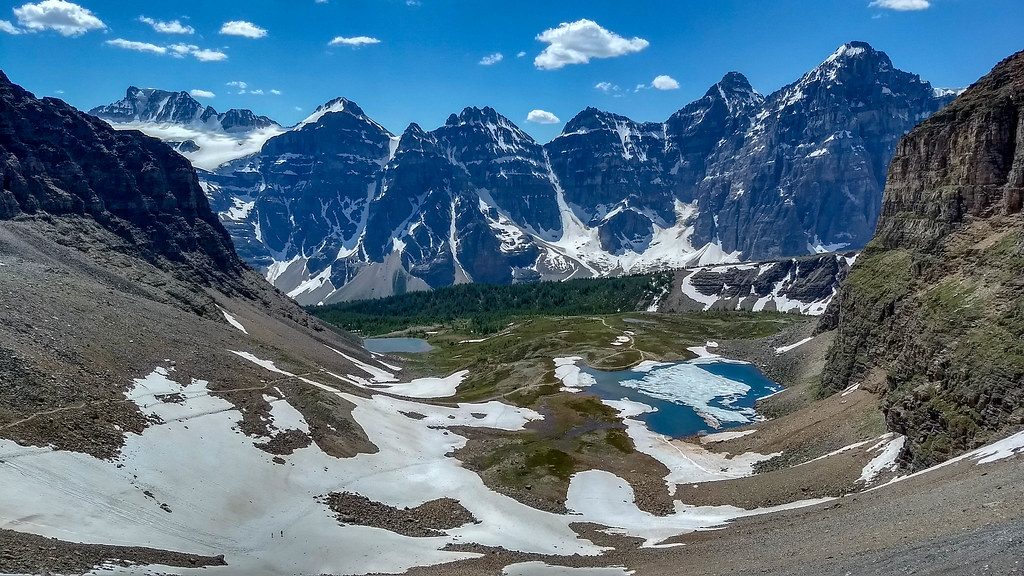
Challenging
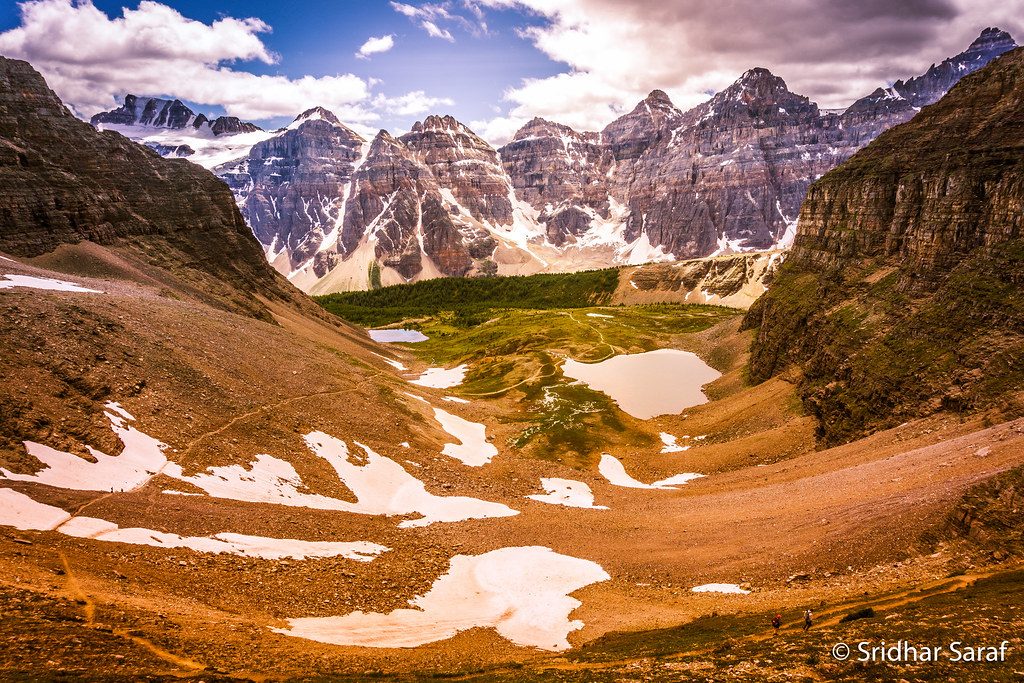
Challenging
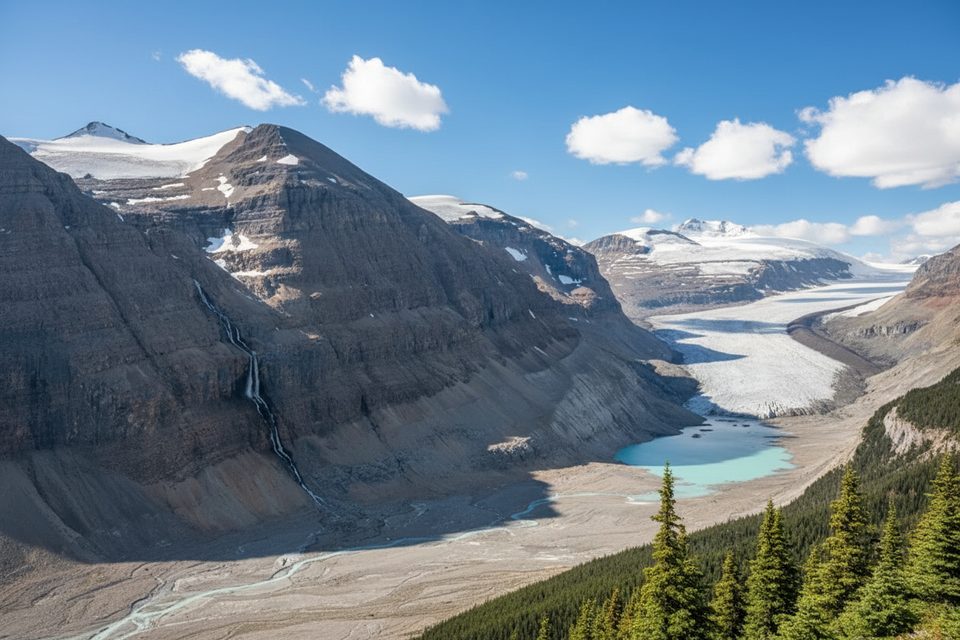
Moderate

Parkwolf Tour Guide
