
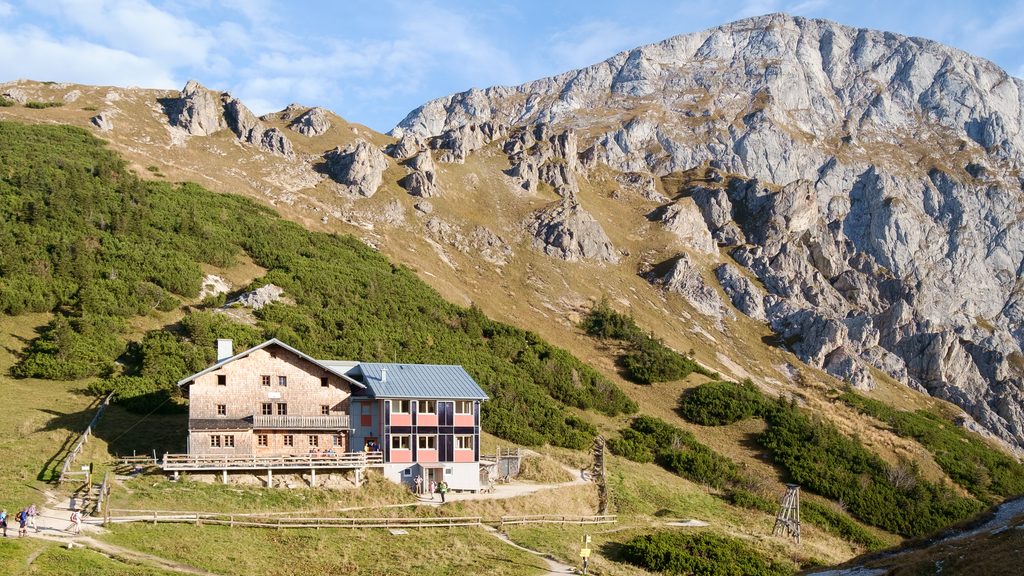
Place · 1.3 mi away
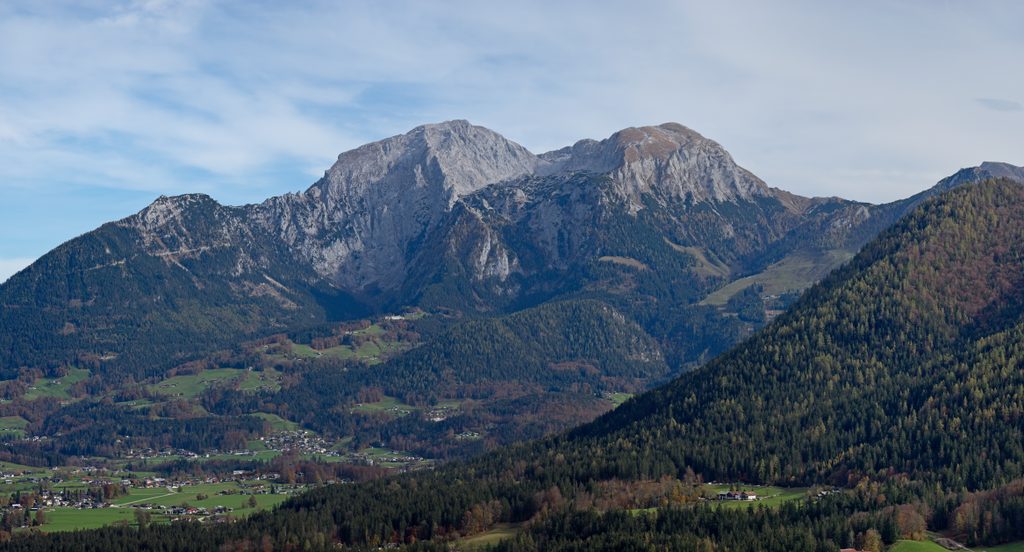
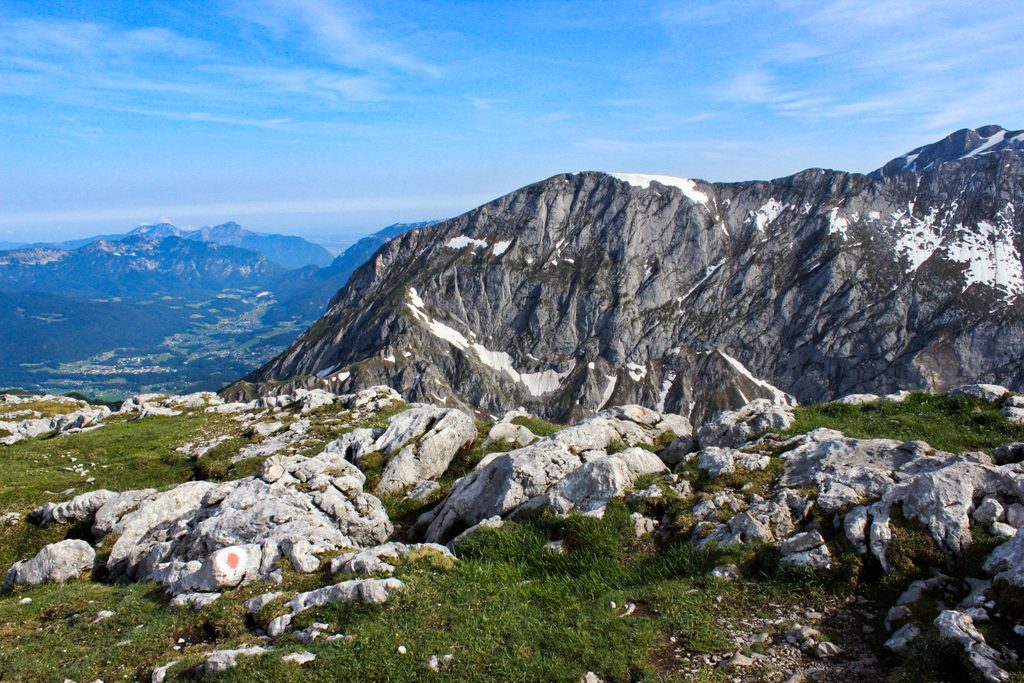
Hoher Göll (2,522 m) straddles the Germany–Austria border and dominates the northern skyline with pale limestone walls and a broad summit plateau. It’s a classic big‑mountain day: physically demanding, occasionally airy, and richly rewarding with sweeping views from Watzmann to the Dachstein range.
A representative day via Purtschellerhaus clocks roughly 10.1 km with about 1,180 m gain and 6–6.5 hours of moving time for fit hikers.
Common access points include the Roßfeldstraße area (parking and a bus stop toward Purtschellerhaus/Schustersteig), Hinterbrand (useful for Alpetal descents), and the Kehlsteinhaus area for Mannlgrat. Note that Roßfeldstraße is a toll road.
Summer is the most straightforward window (roughly May–September), but even then, expect lingering snow on shaded slopes. In shoulder seasons, short days and verglas are real factors; winter ascents and ski tours are possible only for well‑equipped, expert parties. Helmets are wise on all rocky routes; many hikers carry a via ferrata set for Mannlgrat. Microspikes are helpful in spring and autumn.
This peak is part of the Northern Limestone Alps. The base layers are brittle Ramsau dolomite that weather into scree, while the summit blocks are massive Dachstein limestone—classic for big, banded walls and fossil megalodonts. The range rose from ancient Tethys Ocean deposits later uplifted and folded by plate tectonics.
You may spot chamois moving between cliffs and forest edges. The park allows largely natural wildlife dynamics; carcasses on the landscape become biodiversity hotspots, drawing scavengers like foxes, ravens, and golden eagles. Observe from a distance and leave no trace.
For the highest chance of snow‑free footing and open services, aim for July–September. If you want hut meals or an overnight at Purtschellerhaus, plan between mid‑May and late October. Start early, pick a stable weather window, and build a Plan B descent (e.g., Alpeltal) if conditions deteriorate.
Weather changes quickly on this exposed summit. Even the “easy” lines demand stamina, sure‑footedness, and comfort with exposure. Carry enough water—there are no on‑route services between huts—and bring layers, gloves, headlamp, navigation, and a small emergency kit.
Place · 1.3 mi away
Place · 1.4 mi away
Place · 1.5 mi away
Place · 1.6 mi away
Easy · 2 mi away
Moderate · 2 mi away
Challenging · 2.2 mi away
Easy · 3.4 mi away

Parkwolf Tour Guide
