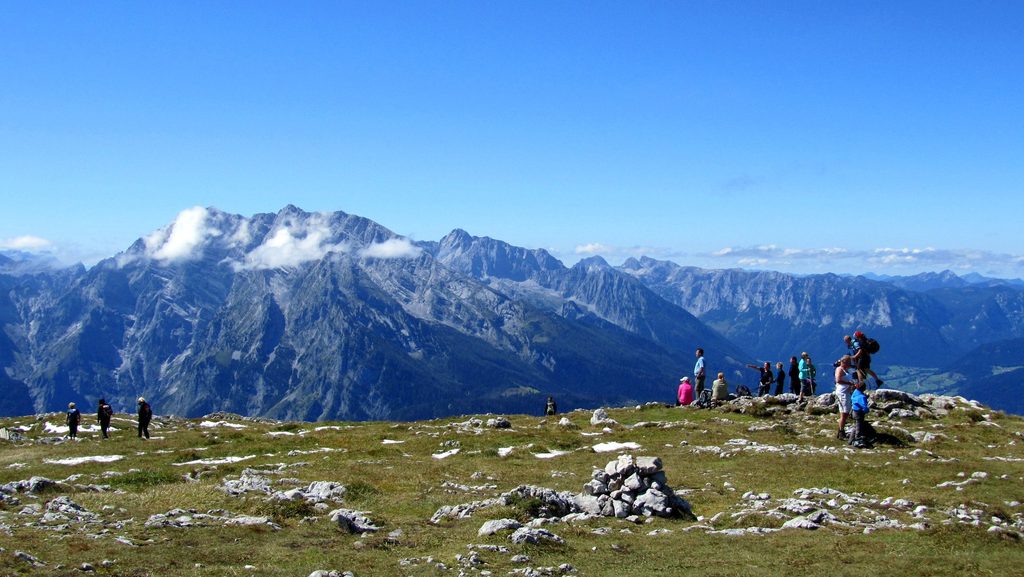
Schneibstein

Karst-topped summit with huge views and a mid-route alpine swim
Schneibstein, Berchtesgaden National Park
InsideBerchtesgaden National Park

Overview

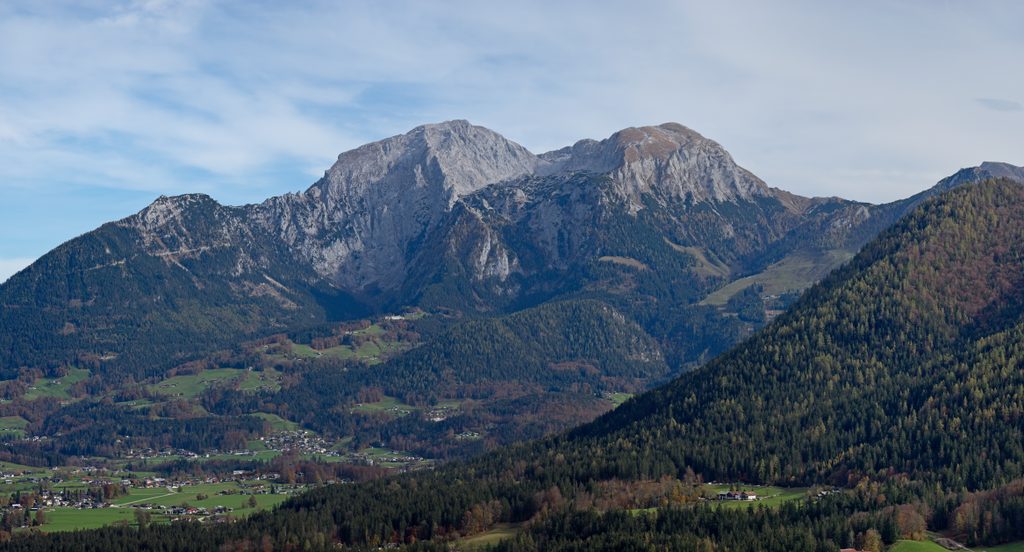
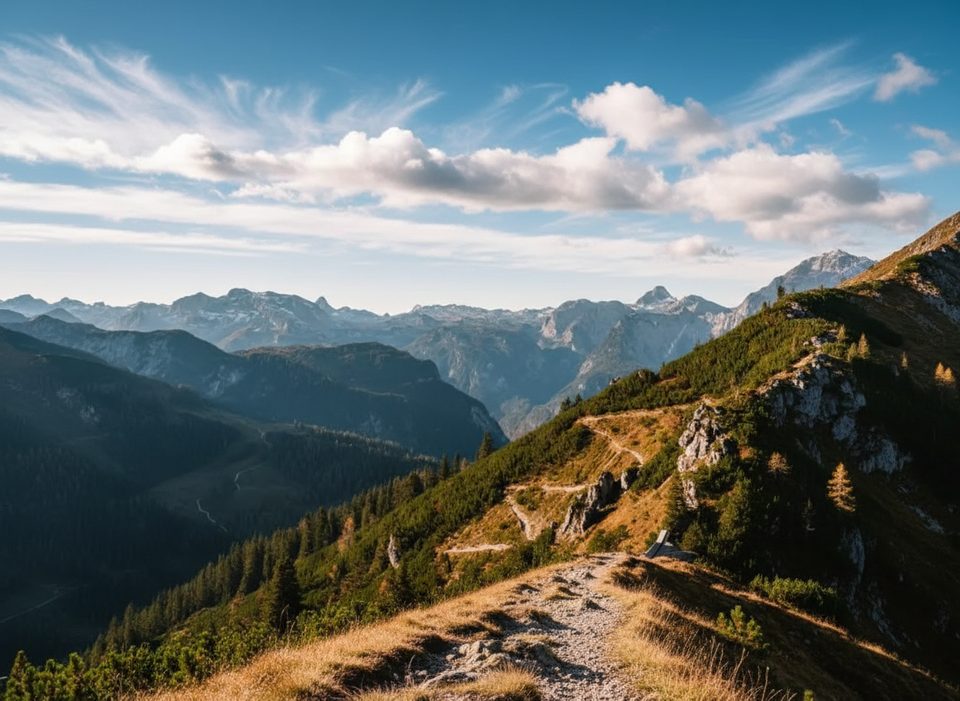
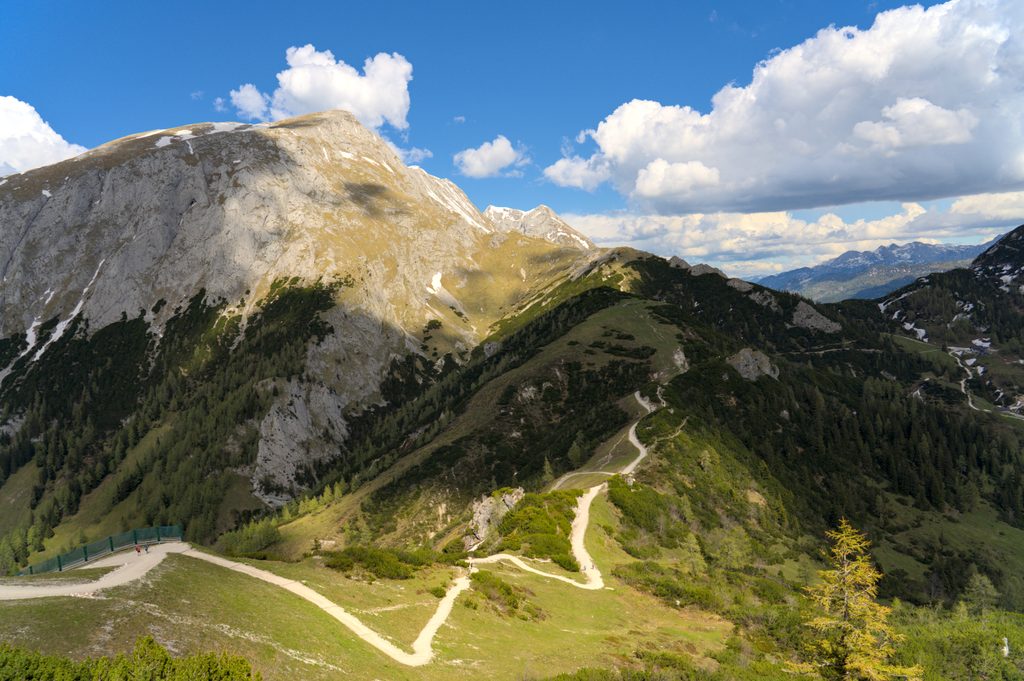
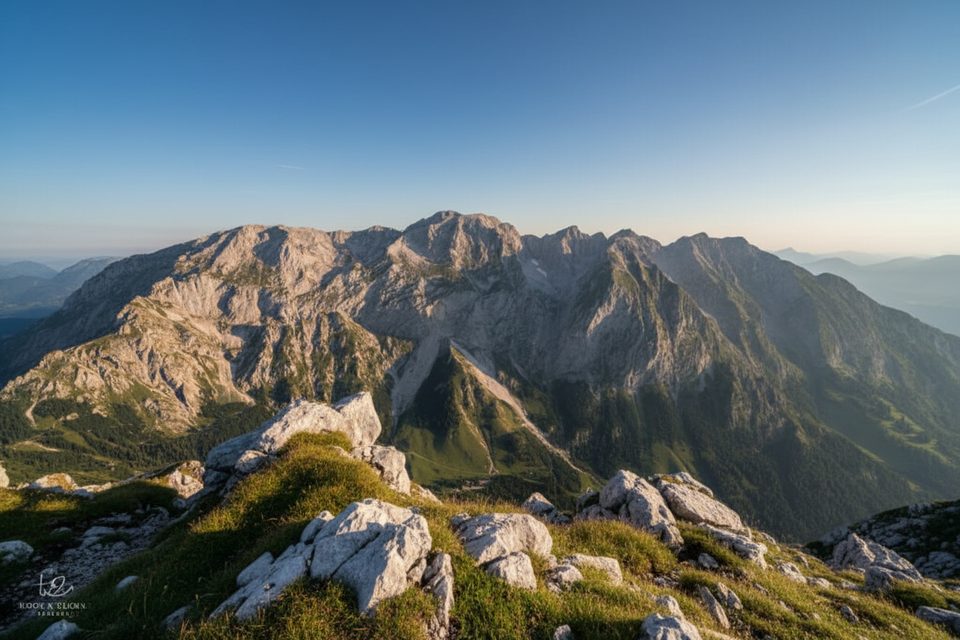
Schneibstein (2,275 m) is a broad, karst-topped summit on the Bavaria–Salzburg border, prized for all‑around views and a high‑alpine feel without technical climbing. Expect vast limestone plates, dwarf pines, wildflower pockets, and classic vistas toward Watzmann and the Göllstock.

How to Hike It

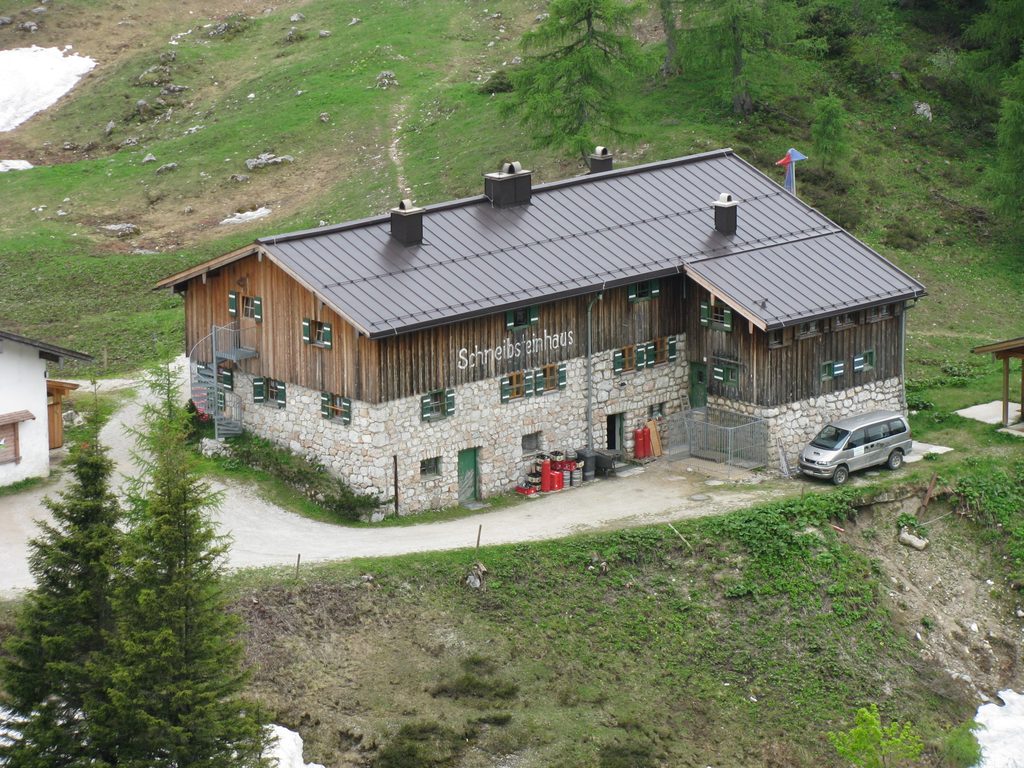
  • Classic out‑and‑back from Hinterbrand: a medium‑difficult 14 km day with about 1,220 m ascent, typically 6–8 hours. The route climbs via Mitterkaseralm and Schneibsteinhaus/Carl‑von‑Stahl Haus to the summit before returning the same way.
  • Kleine Reibn circuit with Jennerbahn: ride the gondola to the Jenner mountain station, then traverse to Schneibstein and onward across karst to Lake Seeleinsee, descend Stiergraben to Priesbergalm, and finish at the Jenner middle station. Roughly 16 km, +753 m/−1,359 m, 6:35–7 hours. It’s rated difficult mainly for the rugged, slippery karst.

Terrain & Wayfinding

This is classic alpine karst: uneven, often polished limestone that demands sure‑footedness and patience. Even the “easy” bits can feel taxing because the surface never really smooths out. The route is well signed and waymarked with posts, blazes, and cairns, but stay alert where paths braid across the rock.

Huts, Food & Facilities

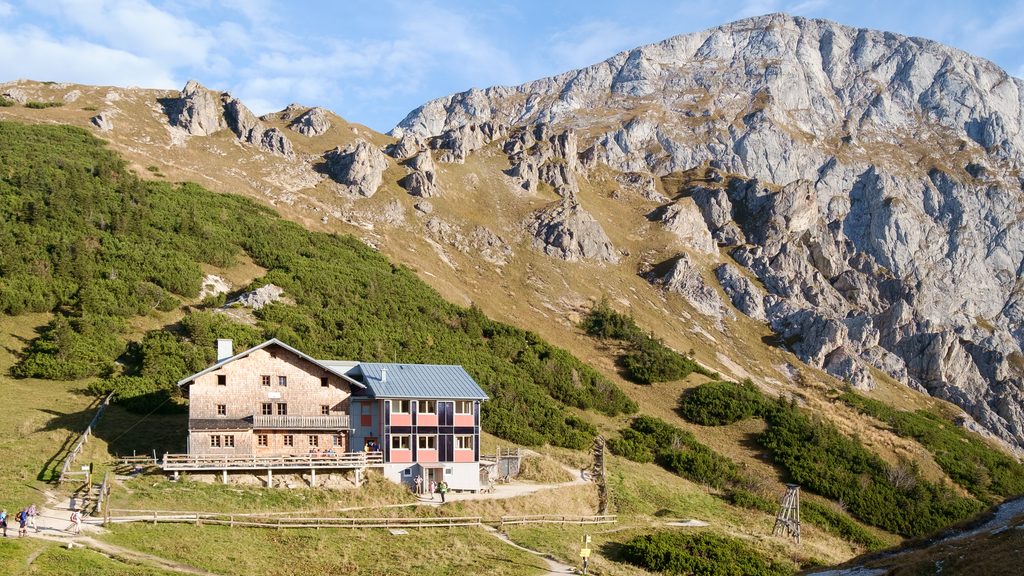
  • Schneibsteinhaus: open early May to late October; offers meals, overnights (pillows/blankets provided), and warm showers.
  • Carl‑von‑Stahl Haus: prominent hut on the Torrener Joch saddle, a handy staging point for the summit.
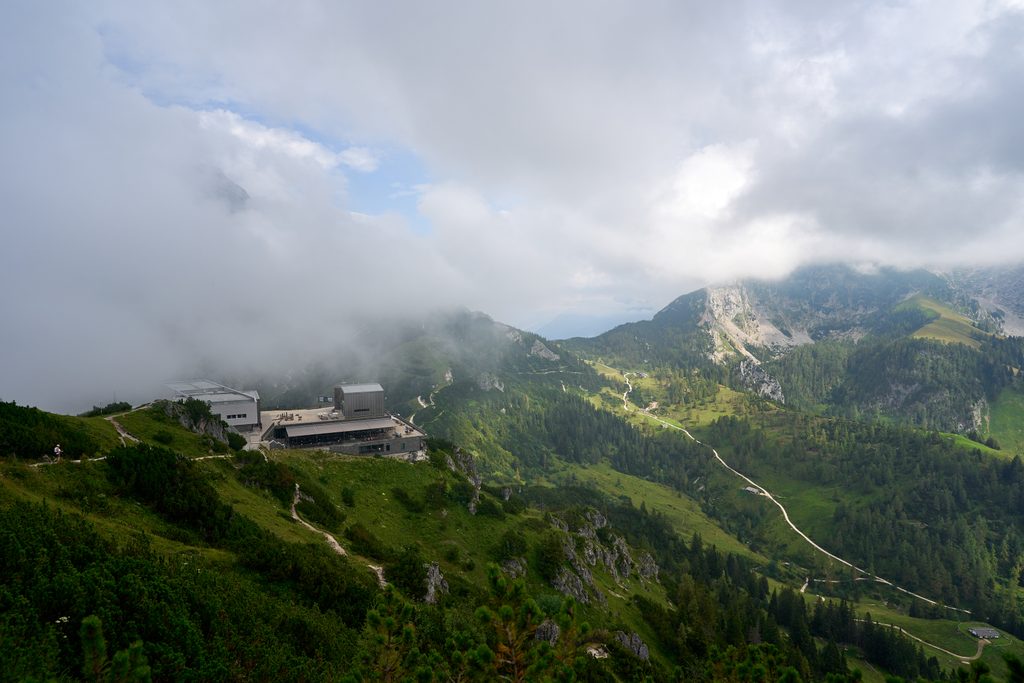
  • Priesbergalm and the Jenner middle‑station restaurant provide refreshments on the Kleine Reibn line. Facilities are also available at the Jenner cable‑car stations. Many huts operate seasonally and may prefer cash—plan accordingly.

The Lake Bonus

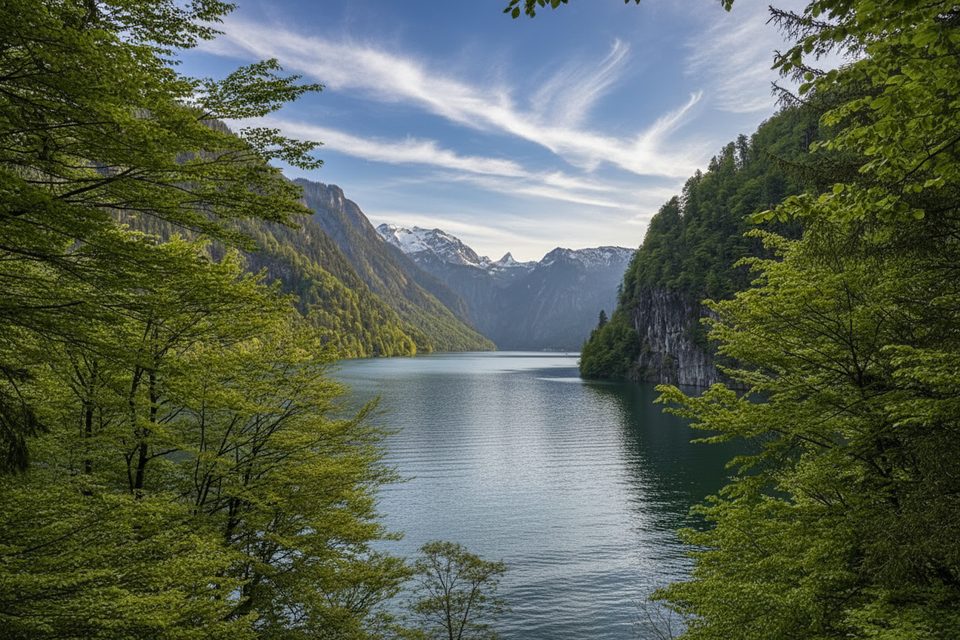
On the Kleine Reibn, emerald Lake Seeleinsee is a highlight, and swimming is permitted. It’s a sublime way to cool down before the final descent.

Best Time to Visit

Late spring through October is the sweet spot, aligning with hut operations and typical snow‑free conditions on the karst. The Jennerbahn generally runs during the day (9:00–17:00) with an early 8:30 “Bergsteigerfahrt” for hikers; start early and build a buffer for the last ride down. Outside the main season, verify hut and cable‑car operations and be prepared for winter conditions.

Nature Notes

You’ll cross alpine pastures grazed in summer and pass through larch, maple, and dwarf‑pine zones with varied plants and flowers. Clear days make the views sing; after fresh weather, rock can be slick, so time your summit for dry footing.

Pros

  • Expansive summit plateau with big panoramas toward Watzmann and the Göllstock
  • Flexible routes, including the Kleine Reibn with Jennerbahn assist
  • Lake Seeleinsee on the circuit allows a refreshing swim

Cons

  • Long stretches of polished karst make footing slippery and tiring
  • Limited shade and seasonal hut openings (Schneibsteinhaus early May–late Oct)

Tips

  • Catch the 8:30 Bergsteigerfahrt gondola to get a head start.
  • Build a time buffer for the day’s last gondola down.
  • Wear grippy boots and consider poles for the polished karst.
  • Carry ample water and sun protection; shade is limited much of the way.
  • Pack a small towel—swimming is permitted at Lake Seeleinsee.
The Parkwolf tour guide sitting on a phone mounted in a car

Parkwolf Tour Guide

Like a tour guide in your car.

Save the places you found around Berchtesgaden, then let Parkwolf guide the drive between them.Download Parkwolf on the App Store