Place · 0.2 mi away

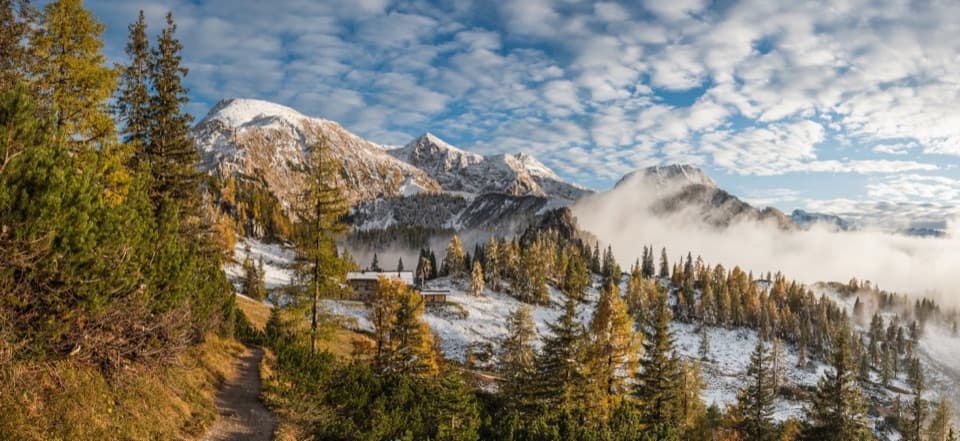
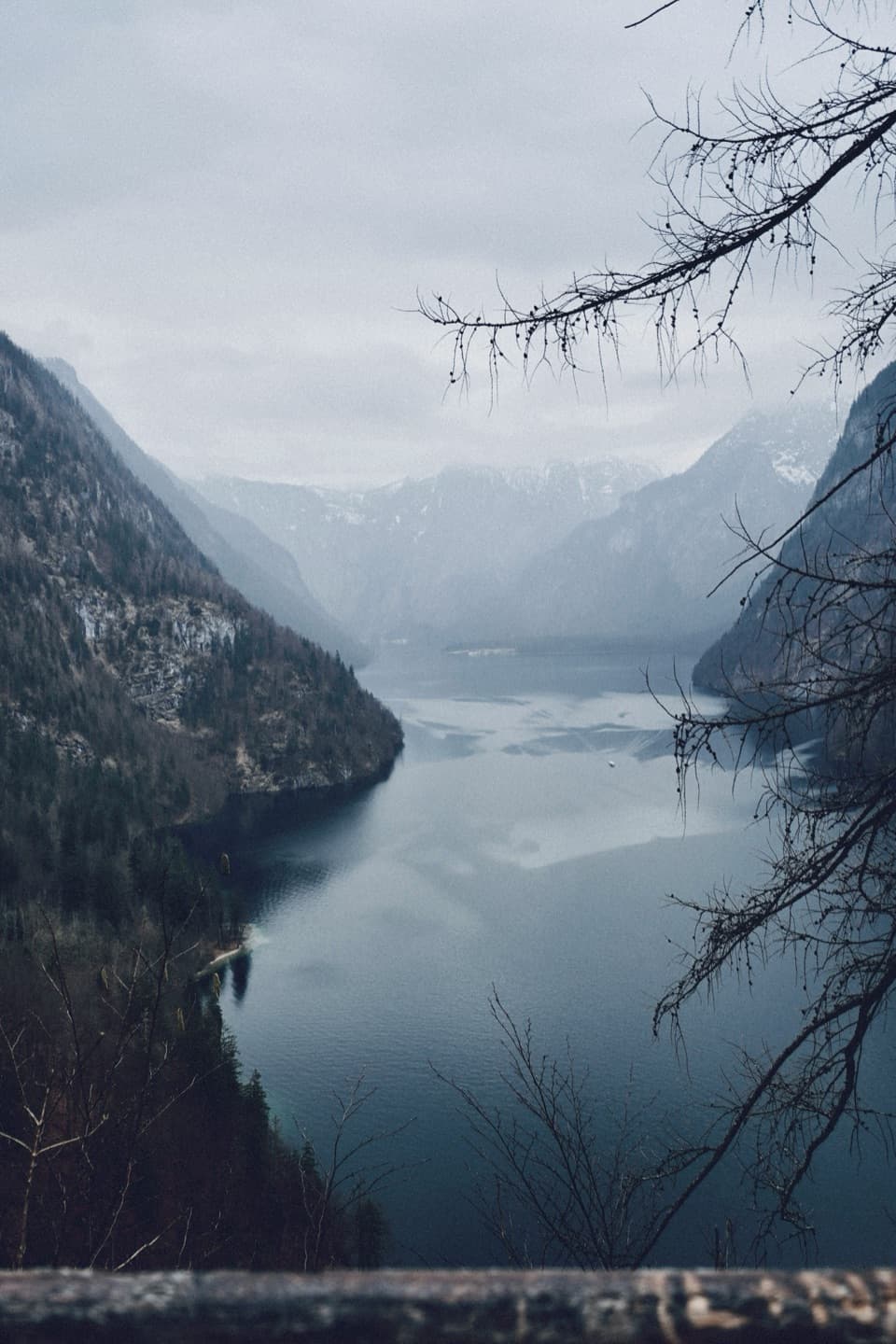
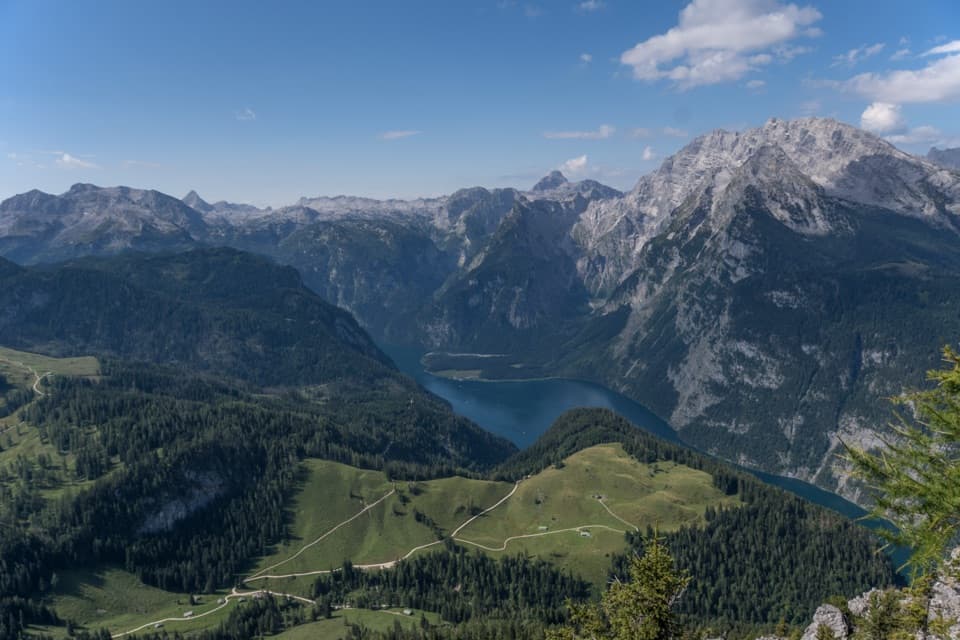
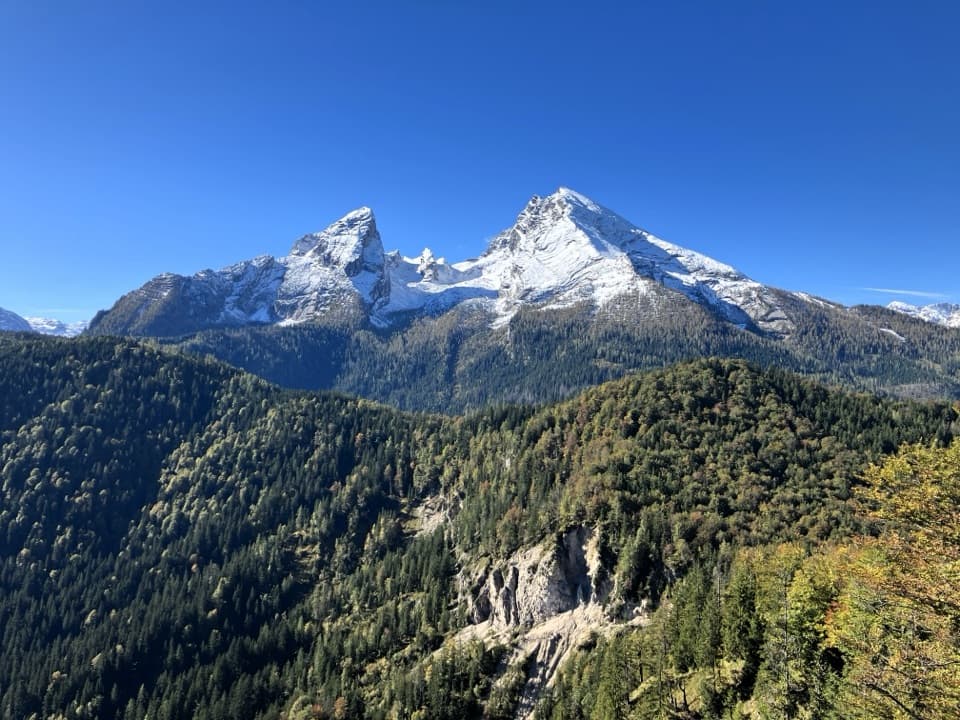
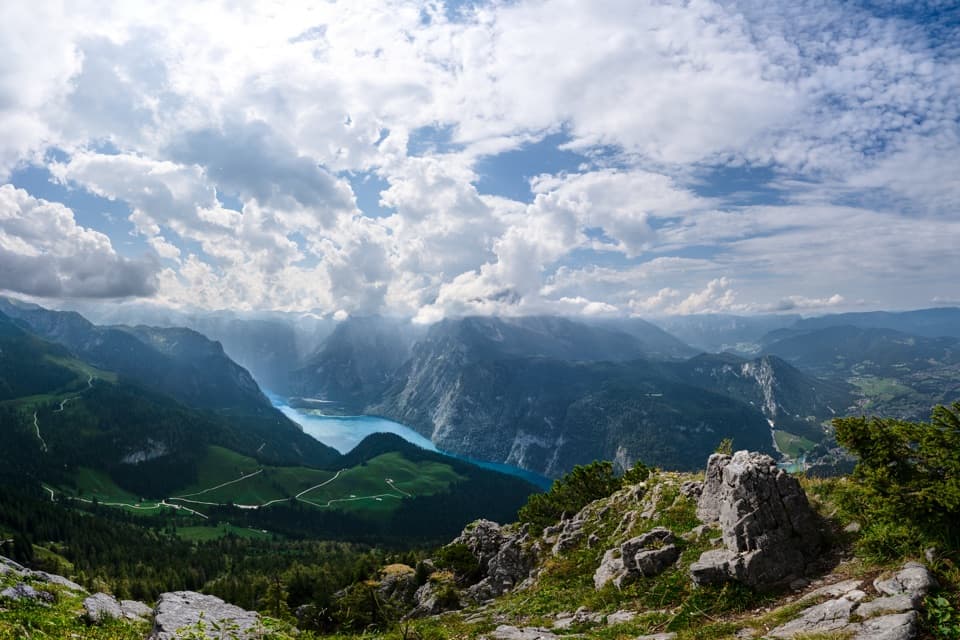
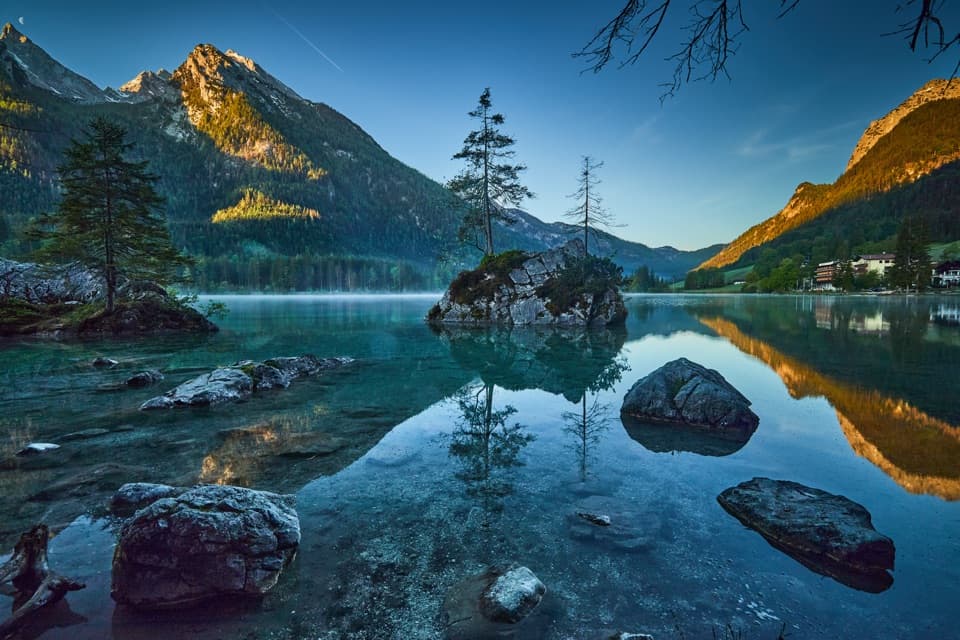
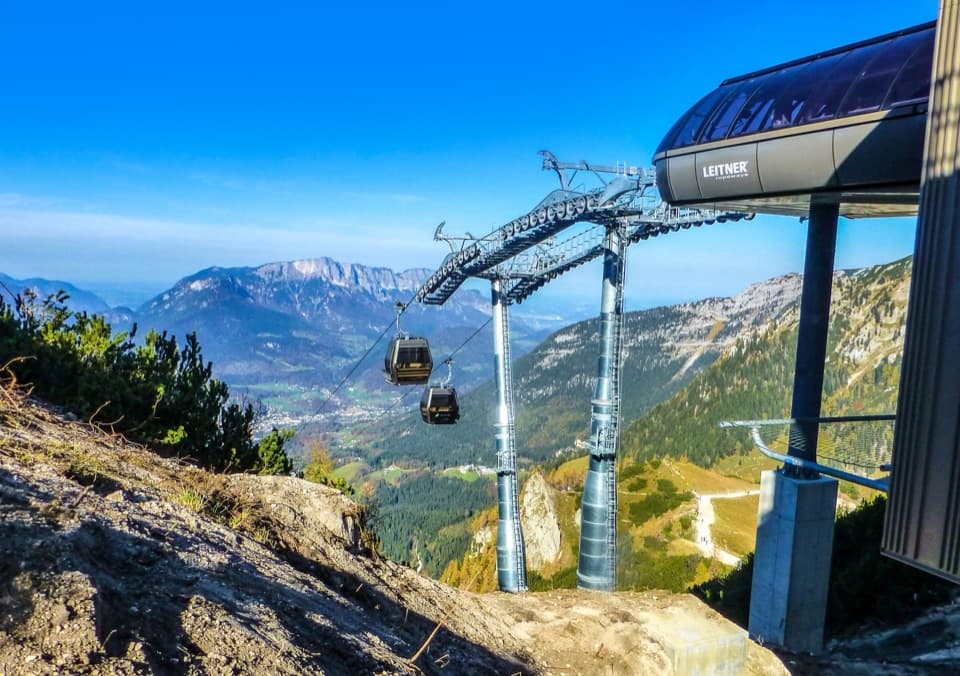
The Jennerbahn is the easy button for big alpine scenery. A modern gondola (new since June 2019) lifts you from Schönau am Königssee to the middle station (~1,200 m) or the mountain station (~1,800 m) in about 20 minutes. From up top, lake-and-peak panoramas spill out toward Königssee and the Watzmann.
Step off the top station and you’re moments from wide-open viewpoints. A short, mostly easy 15–20 minute walk reaches the Jenner summit cross (1,874 m) for the classic look straight down to Königssee. Inside the summit station, the free “This is the summit” exhibit dives into alpine flora and fauna with hands-on displays. Sun decks and a spacious panoramic restaurant make it tempting to linger.
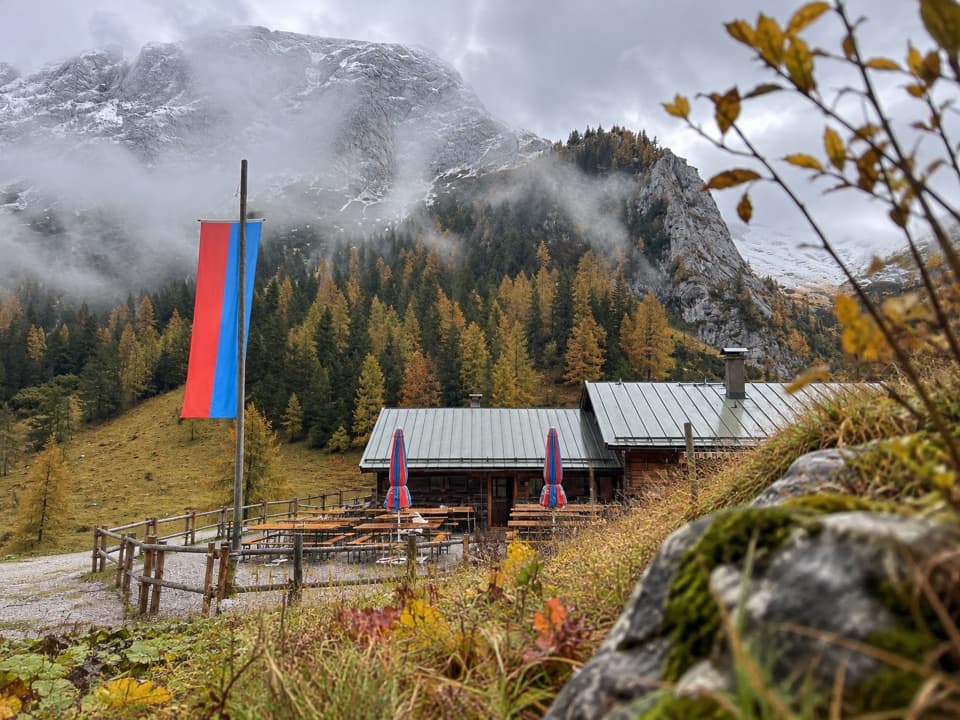
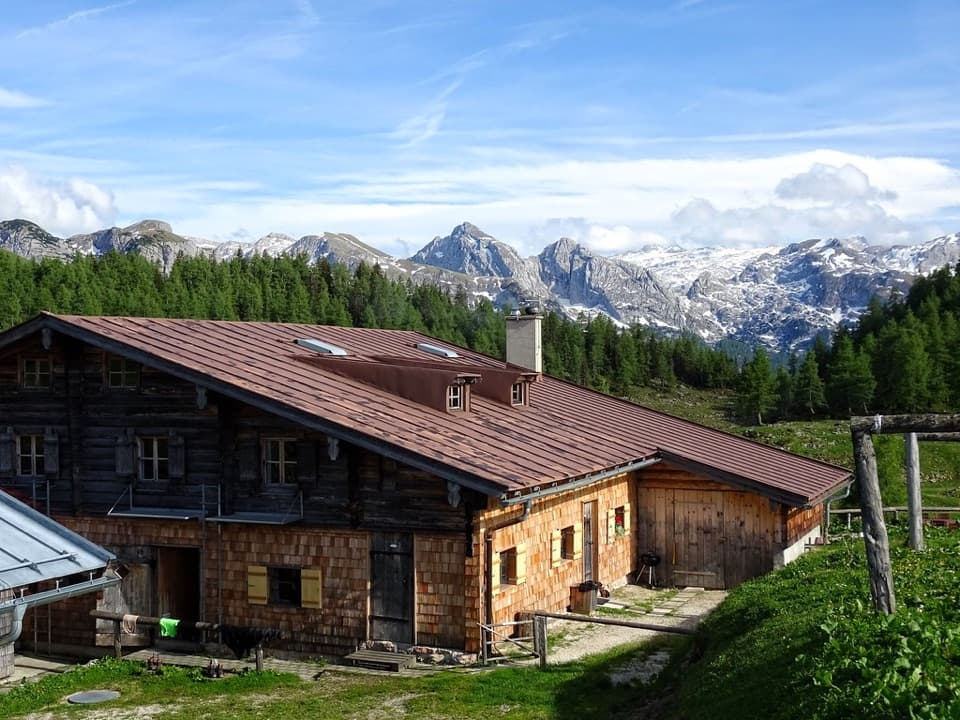
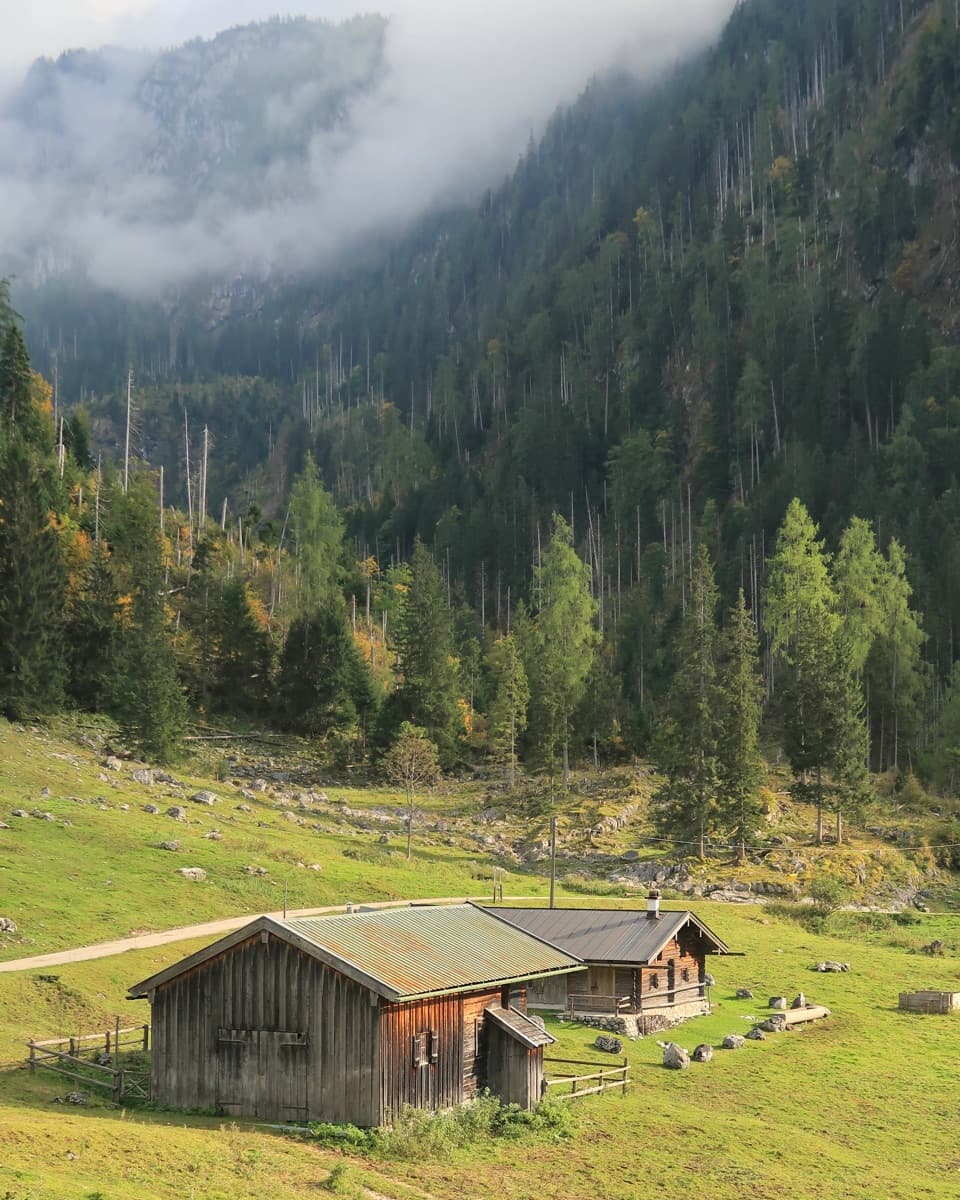
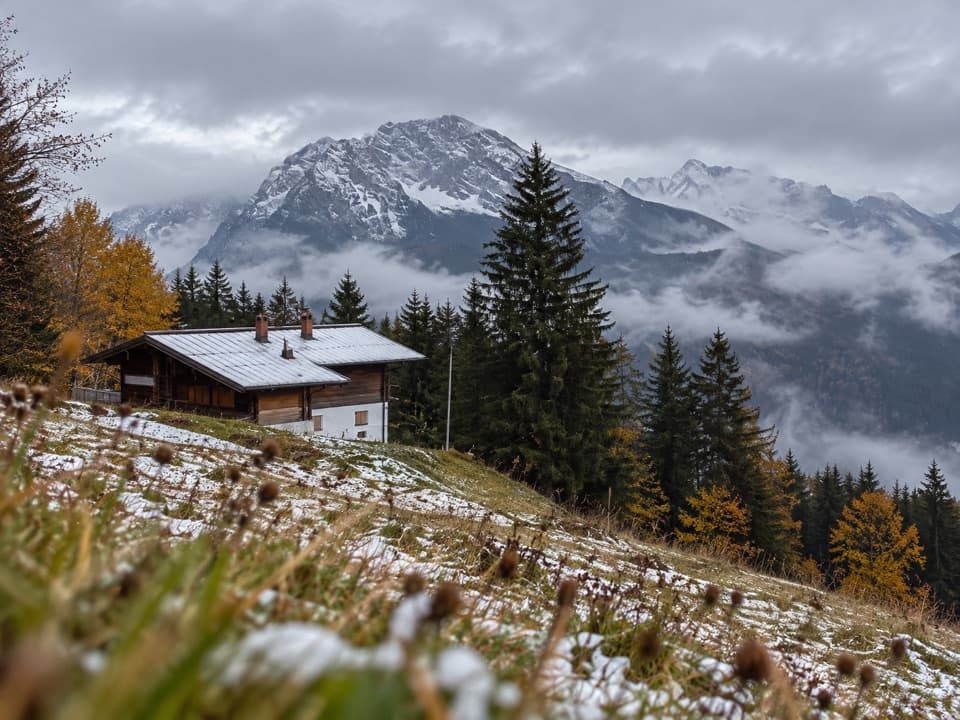
Beyond the summit stroll, trails fan out toward huts and pastures such as Jenneralm, HALBZEIT (at the middle station), Carl-von-Stahl-Haus, Schneibsteinhaus, and Königsbachalm. A nice knee-saver: ride up, hike down to the middle station, then gondola the rest of the way.
Keep an eye out from terraces and trails for chamois, marmots, and soaring birds. Patient scanning—binoculars help—often pays off, especially in early morning or late afternoon when animals are more active.
You’re standing in the Northern Limestone Alps, built from ancient Tethys Ocean sediments. Lower slopes break into gritty Ramsau dolomite, while the high cliffs and plateaus are tough Dachstein limestone—sometimes banded, sometimes sheer—with cow‑hoof–shaped megalodont fossils hidden in the rock.
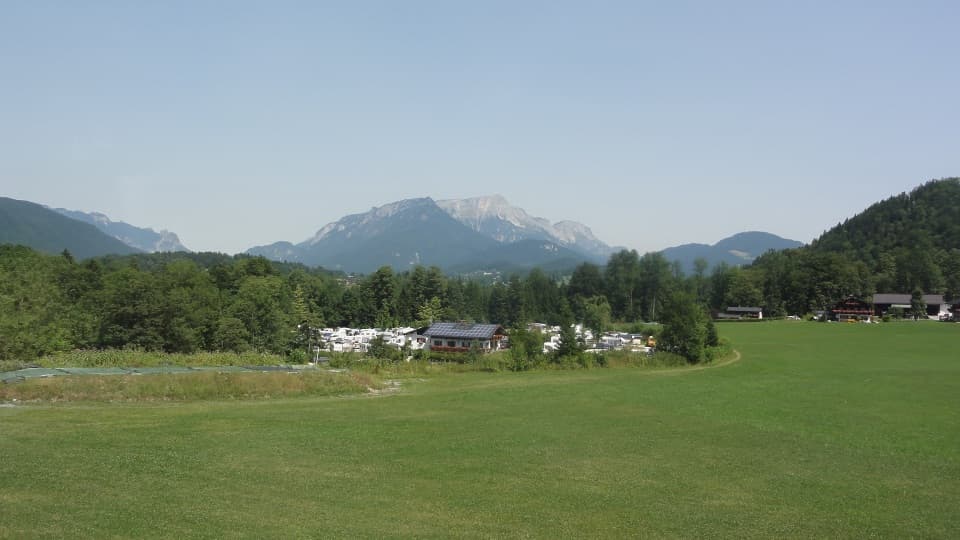
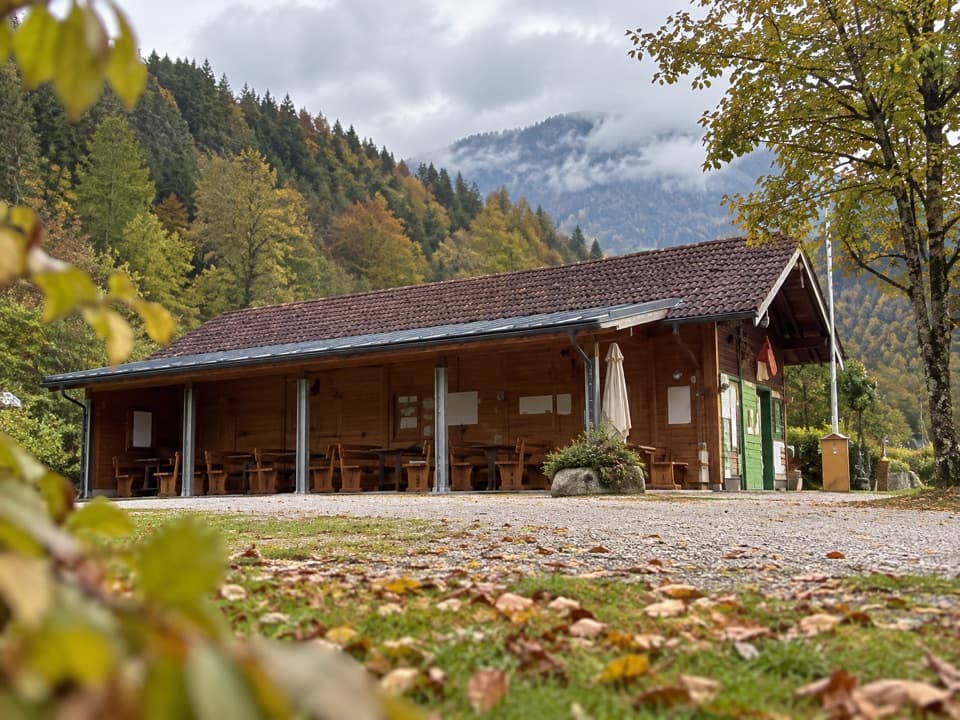
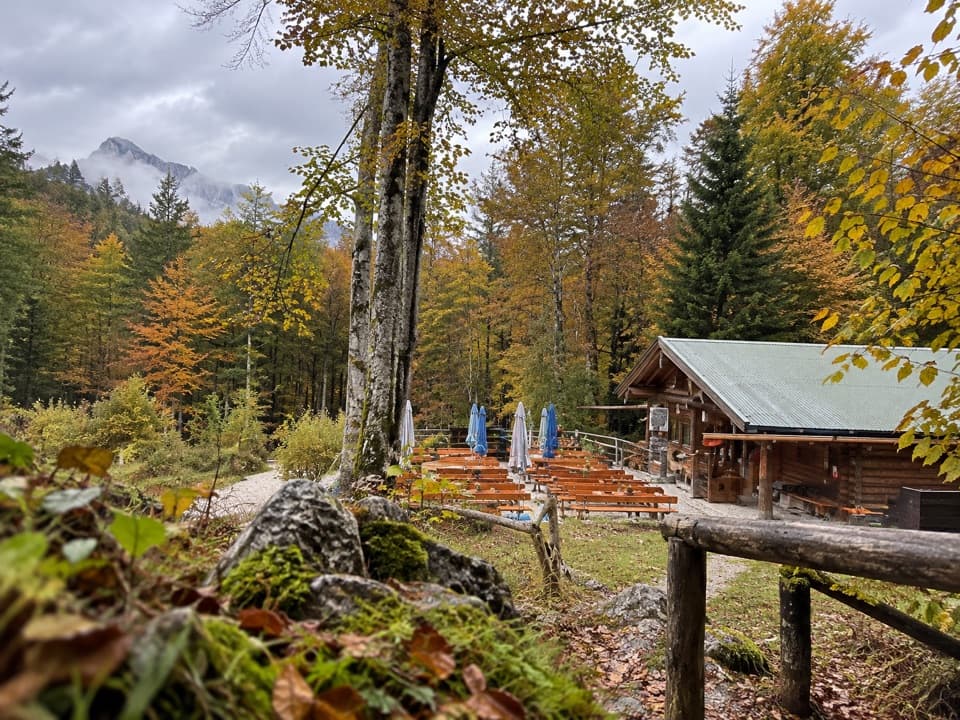
You’ll find restaurants at both the middle (HALBZEIT) and top (Jenneralm/panoramic restaurant) stations, plus indoor spaces and big outdoor terraces. Stations provide the usual comforts, and the base area shares a large paid parking lot with the Königssee boats.
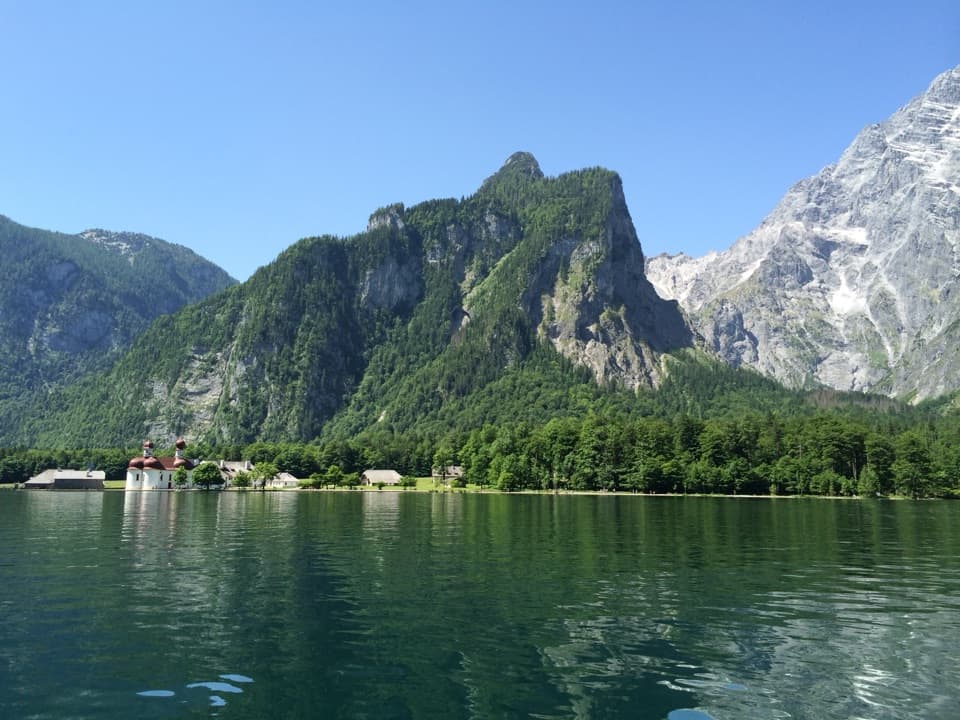
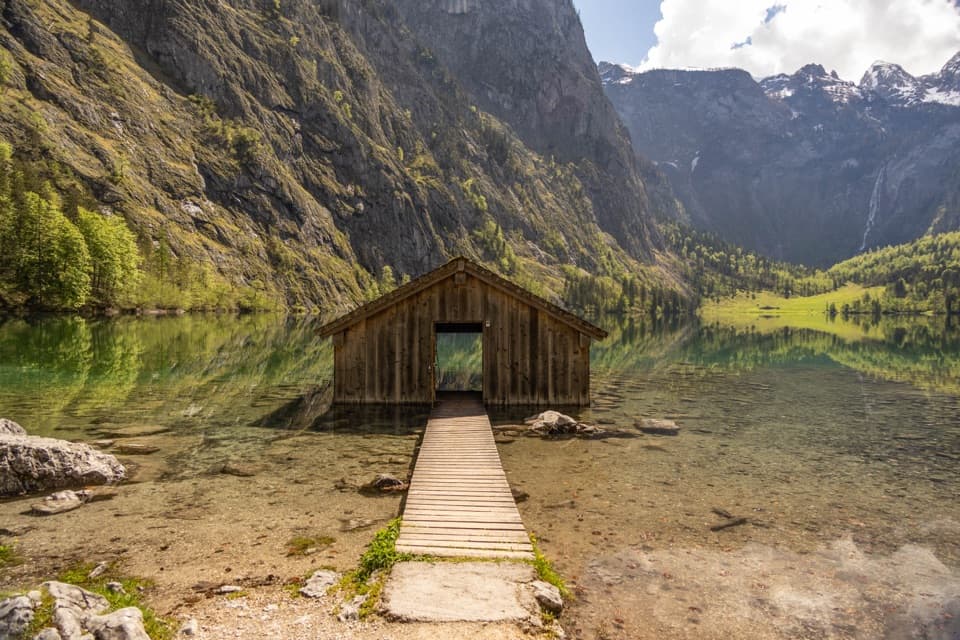
The lake boat dock is a short walk from the valley station. A crowd‑pleasing day: ride Jennerbahn in the morning, then cruise to St. Bartholomä; on longer summer days continue to Salet and stroll to Obersee. There’s also a request‑only stop at Kessel—tell the captain in advance—and always mind the last return boats.
Clear mornings are gold for views and thinner crowds; afternoons often cloud up. Summer and early fall bring the widest trail options (roughly May–October, conditions permitting). In winter, the mountain shifts to ski operations, while the gondola remains your fast path to snow‑covered vistas.
Weather flips fast at altitude—pack a light wind/water layer even in July. Trails and viewpoint paths can be uneven; sturdy shoes make the day more fun. Always check the day’s first and last gondola (and boat) times before you commit to a longer route.