Place · 0 mi away

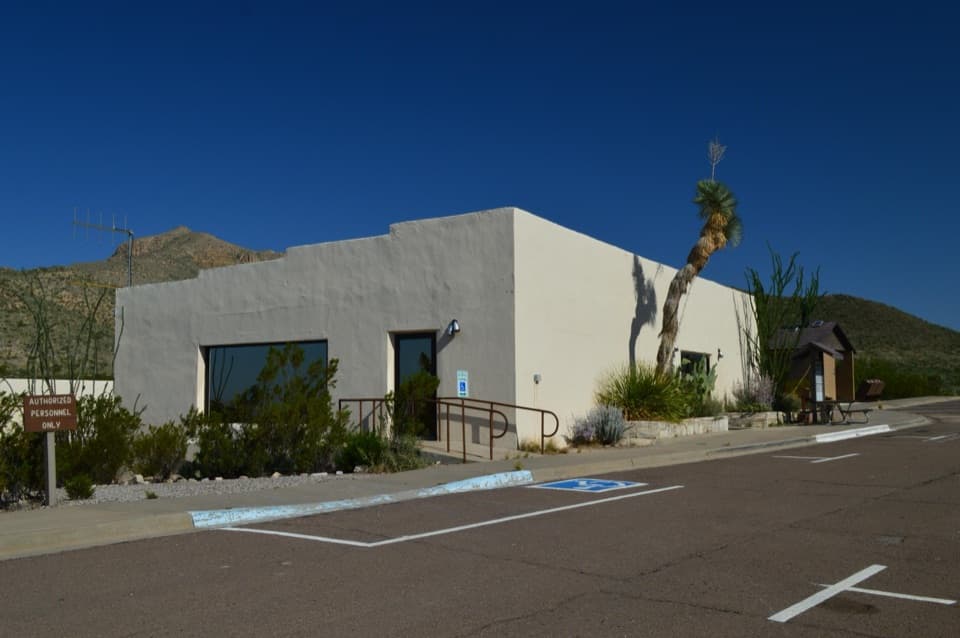
Sitting at the park’s northern gateway on Hwy 385, Persimmon Gap Visitor Center is the natural first stop if you’re rolling in from Marathon. It’s small, friendly, and remote—more orientation stop than museum—and it rarely feels crowded.
When open, you’ll get maps, trip planning help, a small bookstore, educational exhibits, restrooms, and a water bottle filling station. Outside are shaded picnic tables and wide desert views. If the building is closed, parking and an outdoor restroom are typically still available, though facilities can be basic.
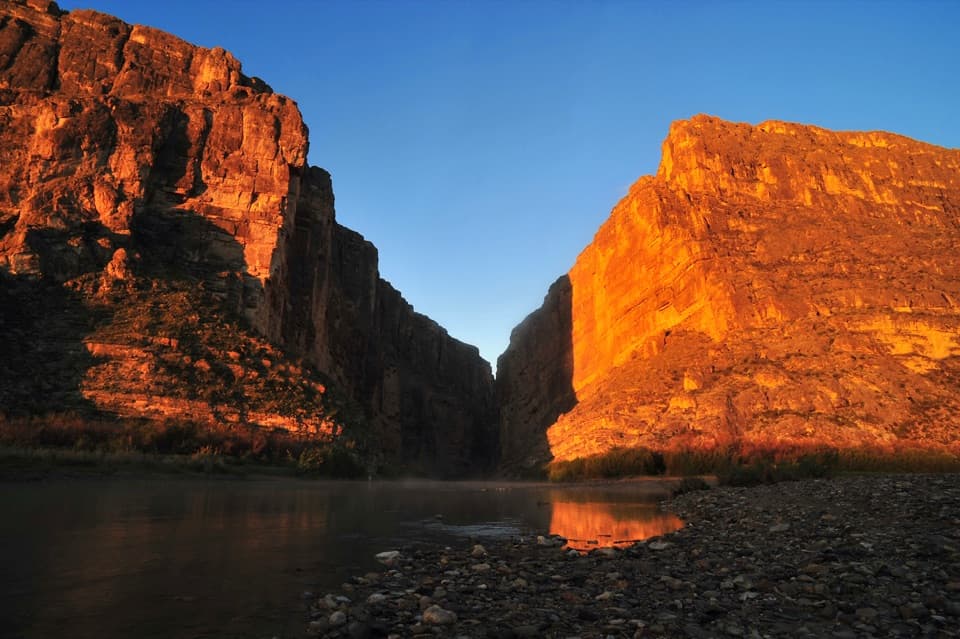
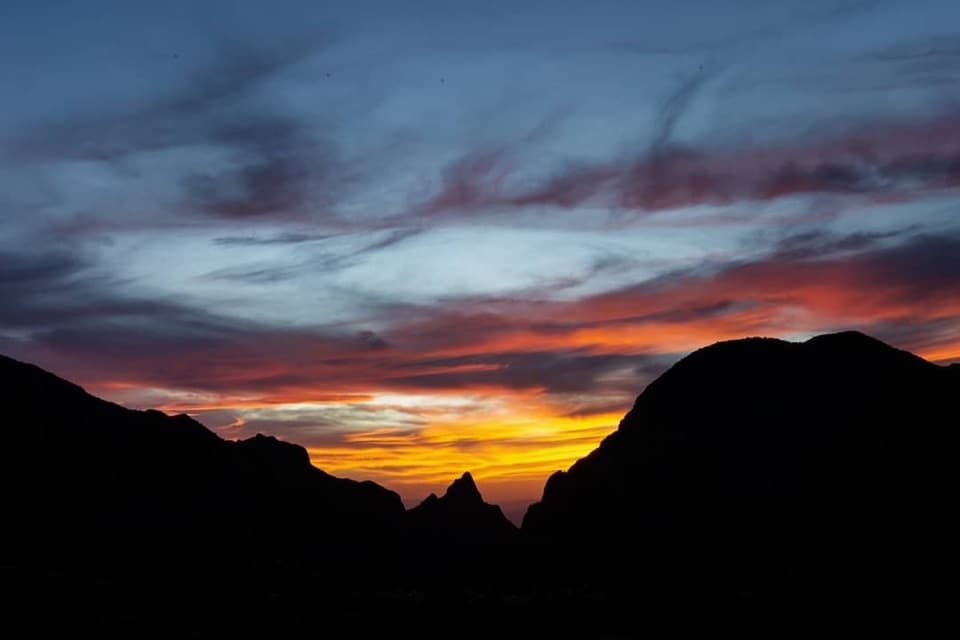
This is the launch pad for the park’s northern desert. The Persimmon Gap Draw Trail sits right across the road, and you’re well placed for nearby highlights like the Fossil Discovery Exhibit, Dog Canyon, Devil’s Den, and the Dagger Flat Auto Trail. On a clear day, you’ll scope big Chihuahuan Desert vistas with the Rosillos Mountains to the west and Dead Horse Mountains to the east.
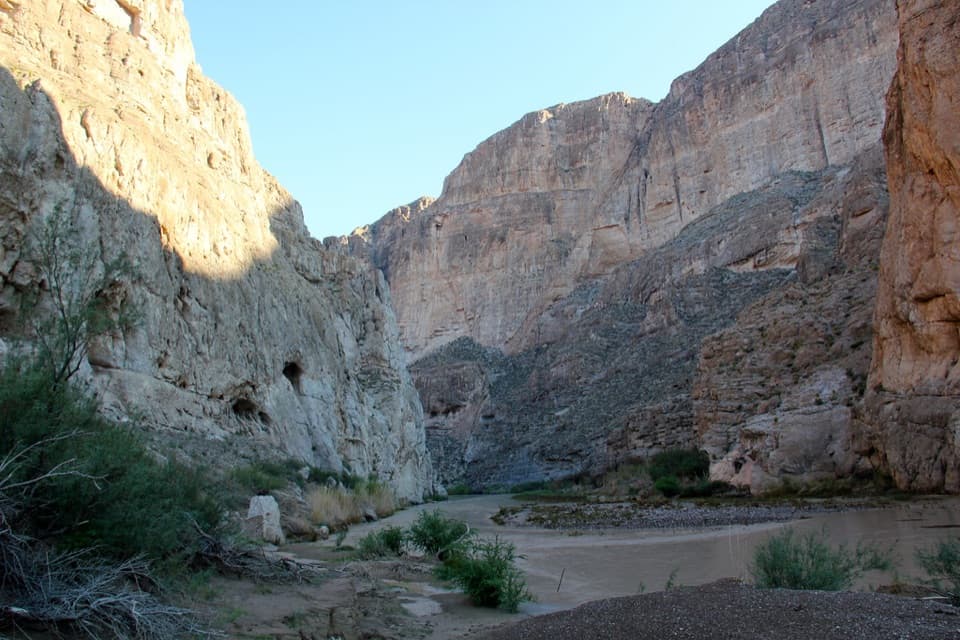
You’re in classic high-desert country—hardy flora and fauna adapted to heat and drought. Expect lizards, jackrabbits, and desert birds; bighorn sheep are a bonus if you’re lucky. The local rock story is a standout: some of the oldest and most diverse formations in the park are exposed around Persimmon Gap. In dry spells, even the cacti’s purple tinge tells a drought tale.
Use Persimmon Gap to fine-tune your route, check conditions, and top off water before committing to long drives and exposed hikes. No gas, food, or WiFi here—think of it as your northern check-in. If you need more services or permits and this center is closed, continue south to Panther Junction (about 26–28 miles).
Mornings are cooler and great for photos before the desert glare sets in. Weekdays are quieter. The center typically operates seasonally (often November–April with limited daytime hours) and may be closed May–October or for occasional construction. Always check current status before you go.