
Place · 1.2 mi away
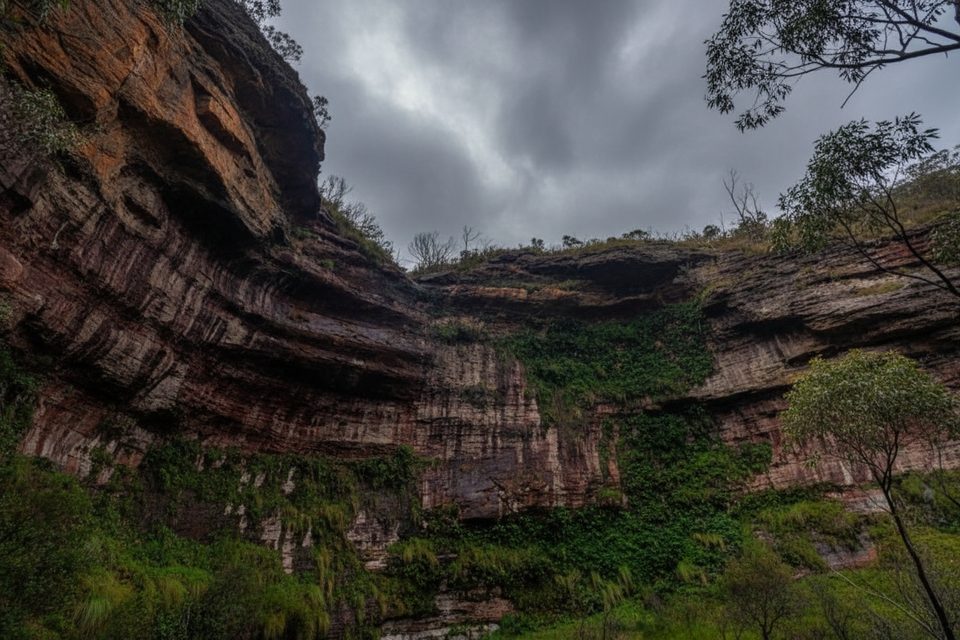
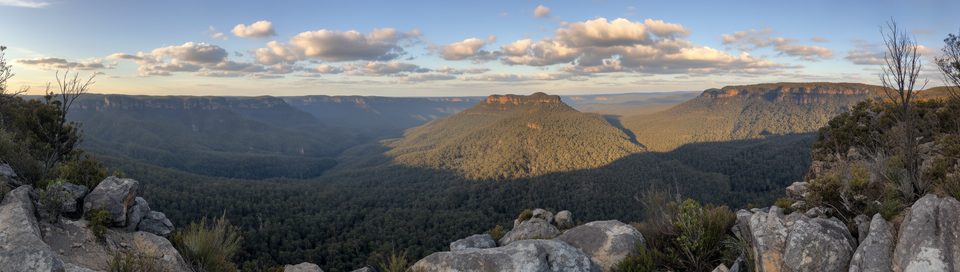
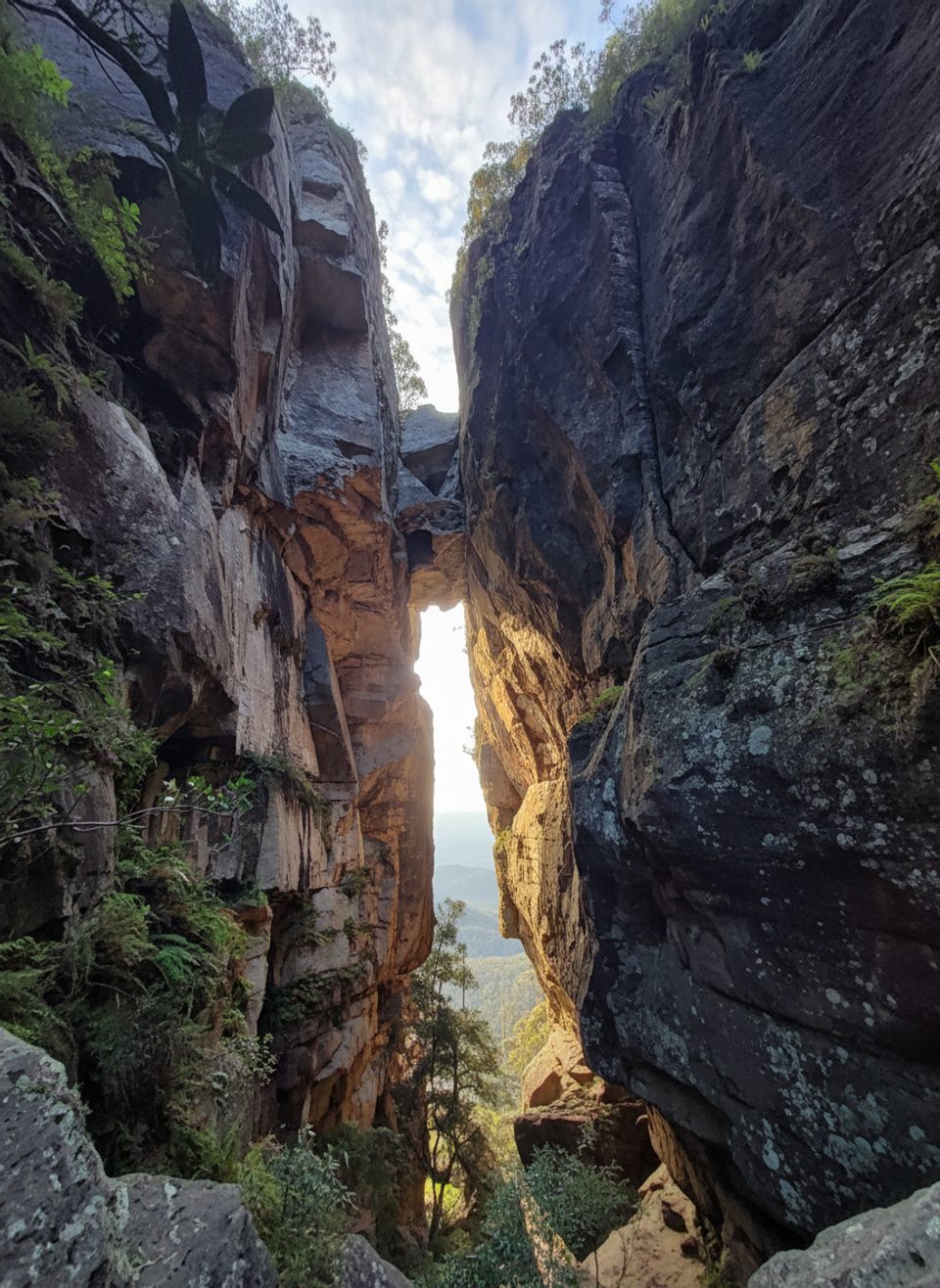
Diamond Falls is a dramatic sandstone cliff amphitheatre best known as a premier sport‑climbing crag rather than a casual waterfall stop. Think towering, vertical‑to‑overhanging walls, big exposure, and sweeping wilderness views. It sits near Katoomba on the Blue Mountains escarpment and has a long-standing reputation for hard, sustained routes.
Expect sheer orange‑grey sandstone and a grand valley backdrop. You’ll likely see experienced climbers working steep lines on bolted routes. Despite the name, the waterfall here isn’t the headline act; any flow tends to be intermittent and is more noticeable after rain. The cliff and its position on the escarpment are the real show.
This place shines for advanced sport climbers seeking long, pumpy pitches and test‑piece grades. If you’re a non‑climber hoping for an easy waterfall stroll, this isn’t set up for that—it’s a cliff environment with exposure and no tourist infrastructure.
The approach is downhill and includes exposed ledges. In wet conditions, the rock and access can be treacherous. There are no facilities—no toilets, water, shelter, or marked trailhead infrastructure—so arrive self‑sufficient. For climbers, a 60 m rope and plenty of quickdraws are standard for the long routes.
The wall faces west, so mornings are cooler and more comfortable; afternoons can get hot, especially in summer. After rain you may see more water in the falls, but that also makes approaches more slippery. Weekdays typically feel quiet, and even on weekends it’s mostly climbers.
There aren’t specific wildlife notes published for this spot. The surrounding bush is typical Blue Mountains habitat, so you may encounter birdlife in the area.
Diamond Falls is a bucket‑list cliff for serious sport climbers, set in an unforgettable location—but it offers little for casual sightseeing. Come prepared, respect the exposure, and you’ll be rewarded with some of the region’s most impressive rock and views.
Place · 1.2 mi away
Place · 1.3 mi away
Place · 1.3 mi away
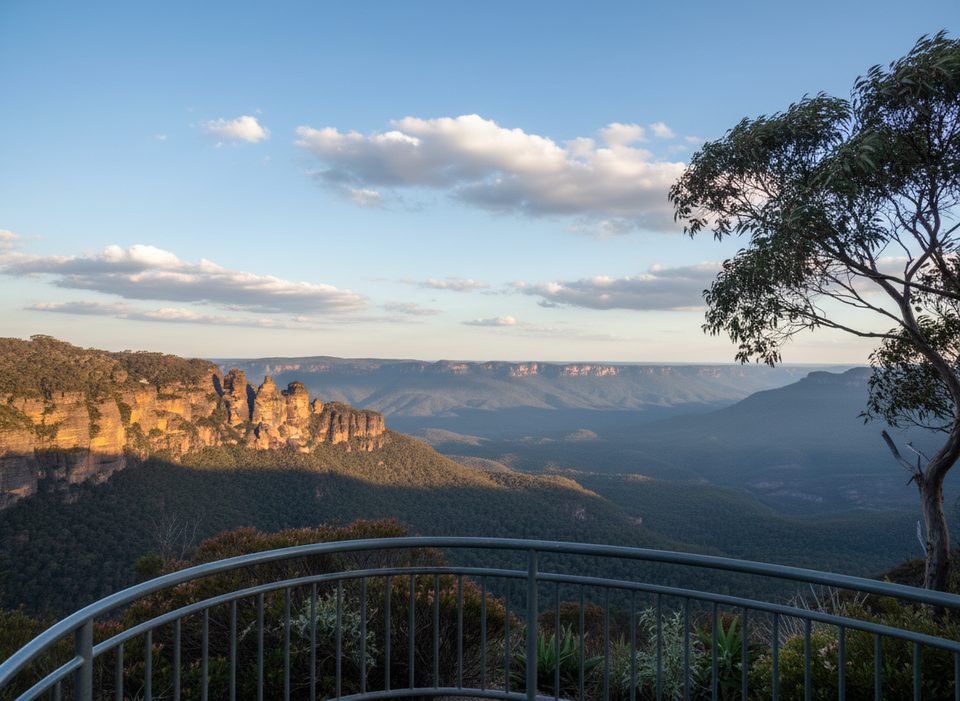
Place · 1.4 mi away
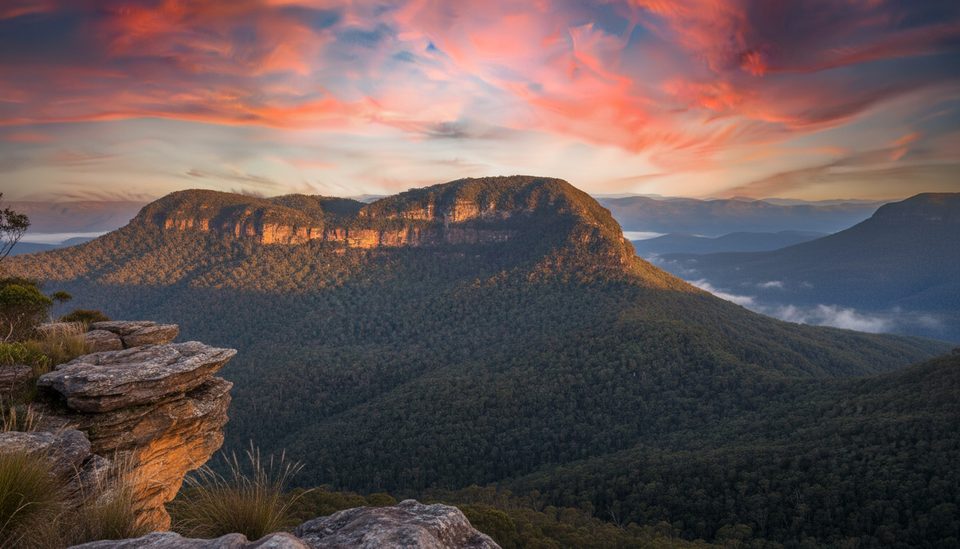
Challenging · 0.5 mi away
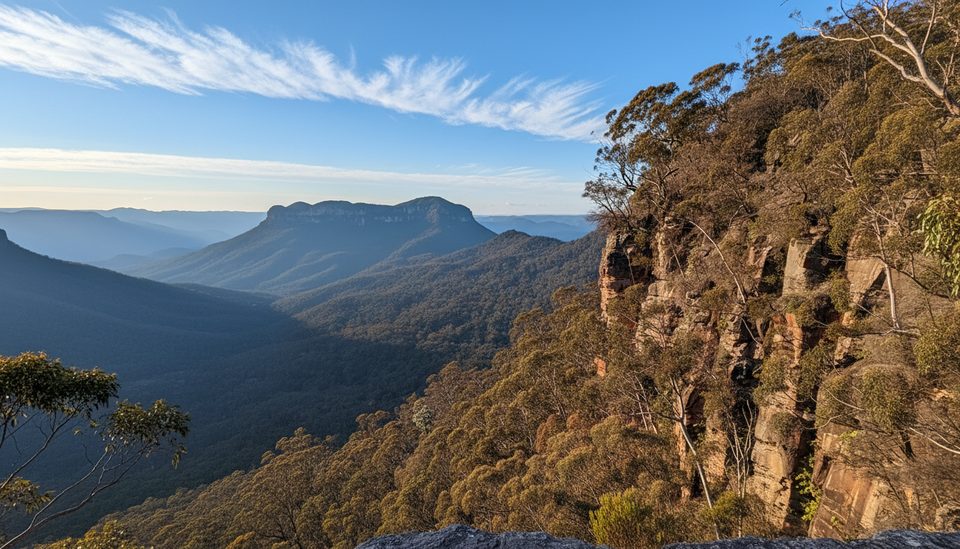
Challenging · 0.5 mi away
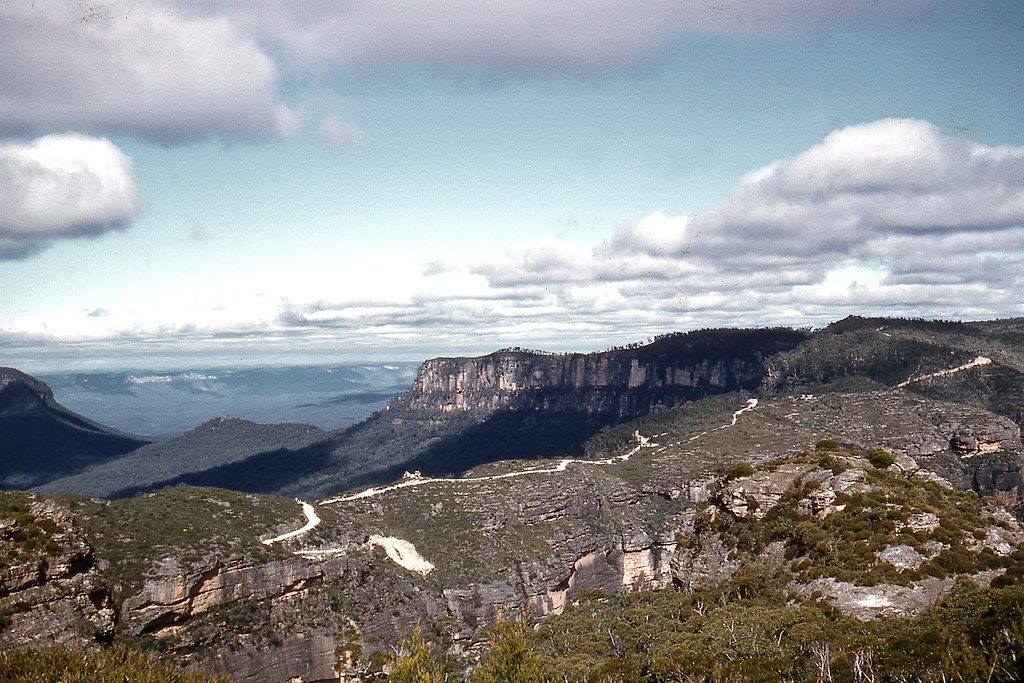
Moderate · 1.3 mi away
Challenging · 1.4 mi away

Parkwolf Tour Guide
