Place · 3.4 mi away

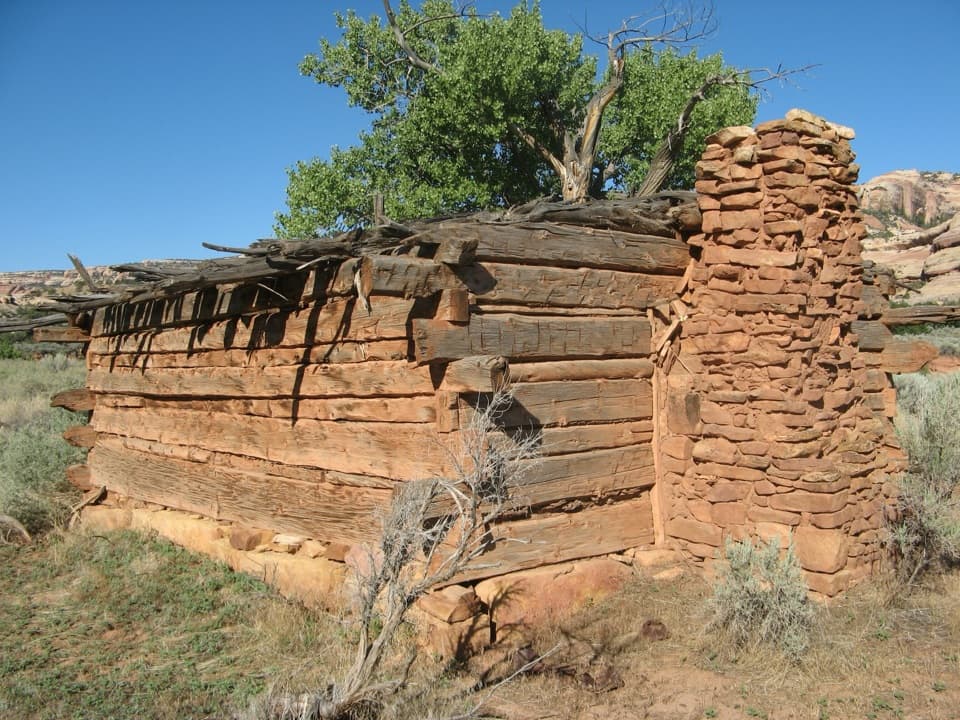
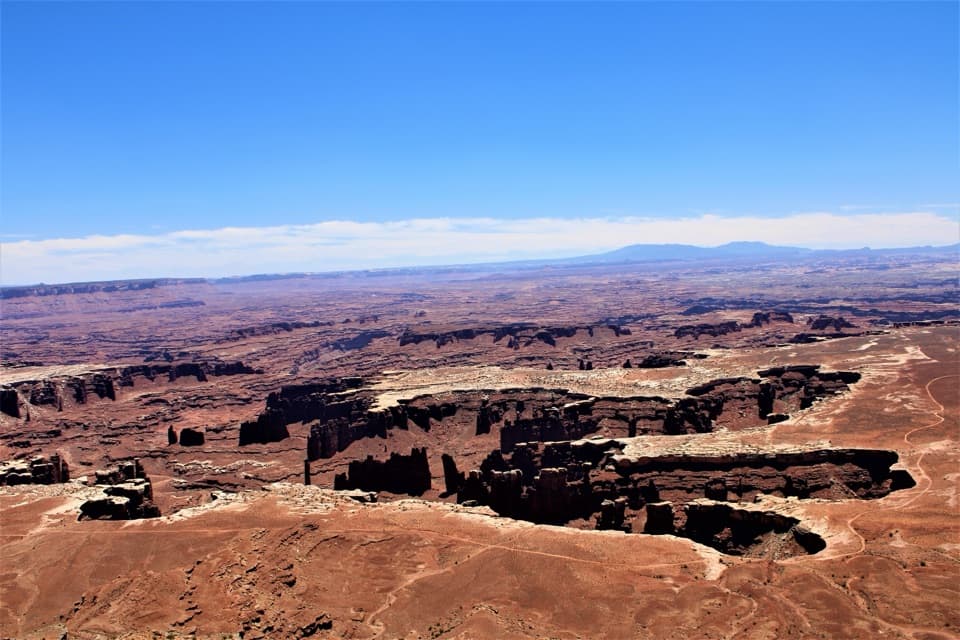
Deep in Salt Creek Canyon, Kirk's Cabin is a backcountry time capsule—an 1890s log homestead tucked into a lush desert corridor. It’s about four miles in along the Upper Salt Creek route, so you earn the solitude and the scene: sandstone walls, a trickling creek (seasonal), and a small, well-built cabin that looks like it simply decided to outlast everything around it.
Reach the site by hiking the Upper Salt Creek route; expect sections of tall reeds, brushy stretches, and a track that can fade in and out. A spring near the cabin and other seasonal water can help, but don’t count on it—always carry and treat your own water. There are no services of any kind here; pack out all waste. If you plan to stay overnight, nearby designated backcountry sites (like SC1 and SC2) require permits.
Rensselaer Lee Kirk built the cabin and two corrals around 1890 during a short-lived homesteading effort. The ranch didn’t last long, but the structure did. The site—often referred to as the Kirk’s Cabin Complex—is listed on the National Register of Historic Places, a rare piece of settler history preserved within a wild canyon.
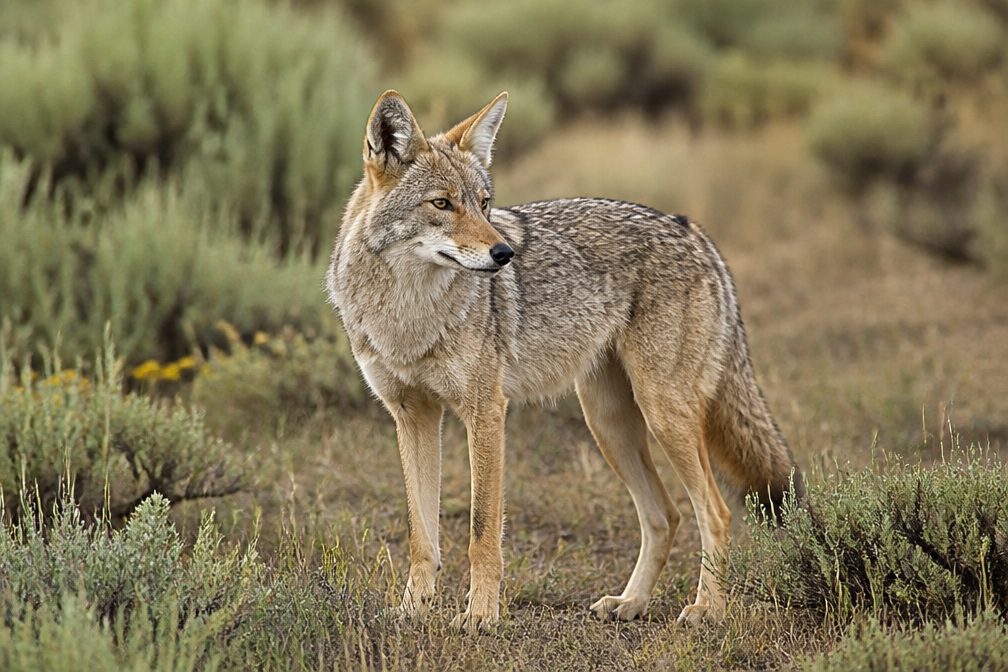
Salt Creek’s water draws life. Hikers report bear tracks in the mud on occasion, and the riparian corridor hosts various birds and small mammals. Standard desert cautions apply: watch for snakes and a healthy bug population, especially in warmer months.
There are no hours—this is a remote backcountry stop—and it sees far fewer people than roadside sights. The nearby waterfall is seasonal, so flows aren’t guaranteed; when it’s running, it adds a lot. Photographing the falls from the canyon bottom can be tricky due to tight angles, so plan your composition with patience.
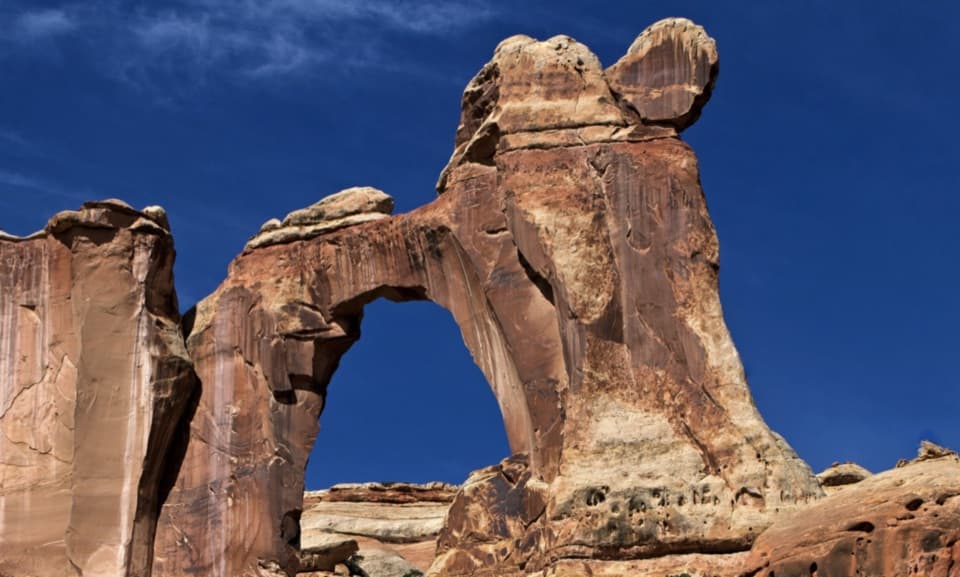
The cabin and associated artifacts are protected cultural resources. Look, photograph, and leave everything as you find it. Nearby travel to Kirk Arch should follow established routes where possible; a direct scramble across the canyon from the cabin is steep and hazardous.