Place · 1.2 mi away

Deep in Salt Creek Canyon, All American Man is a standout pictograph in the Needles District. The figure’s shield—painted with red and white stripes and a dark blue field—looks startlingly modern, which is why the panel has sparked so much curiosity. Despite that appearance, reporting notes it’s ancient (roughly 700+ years) and widely regarded by specialists as authentic.
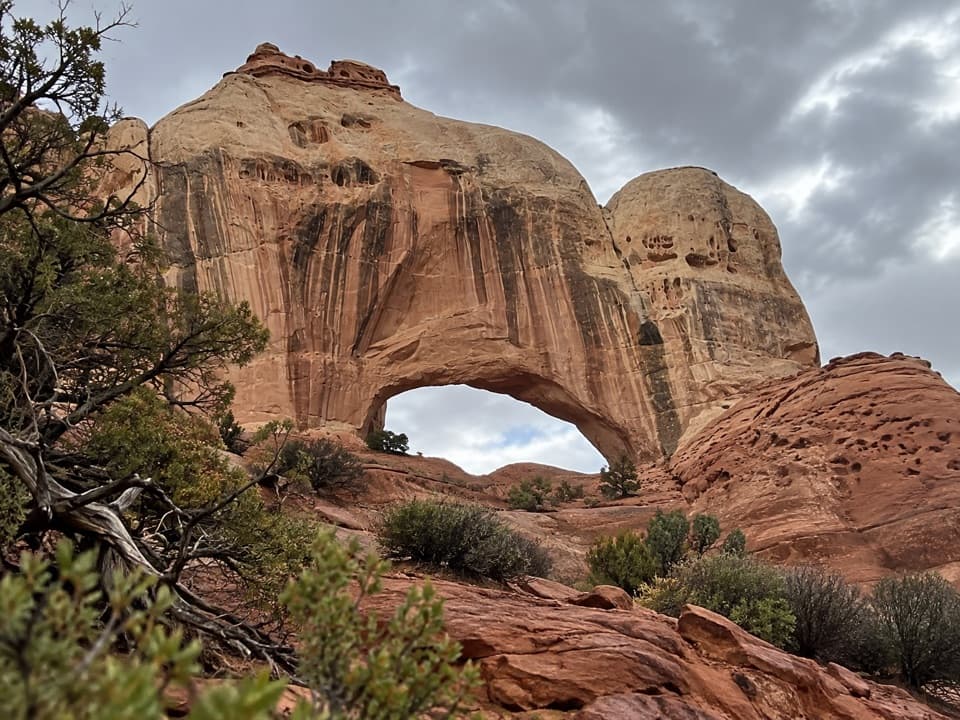
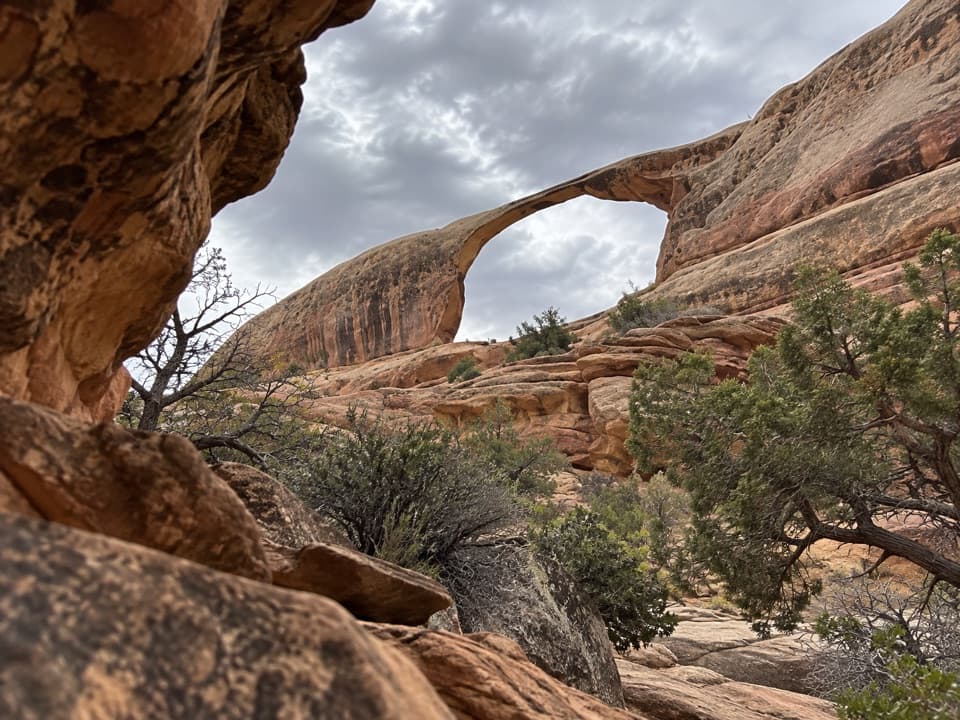
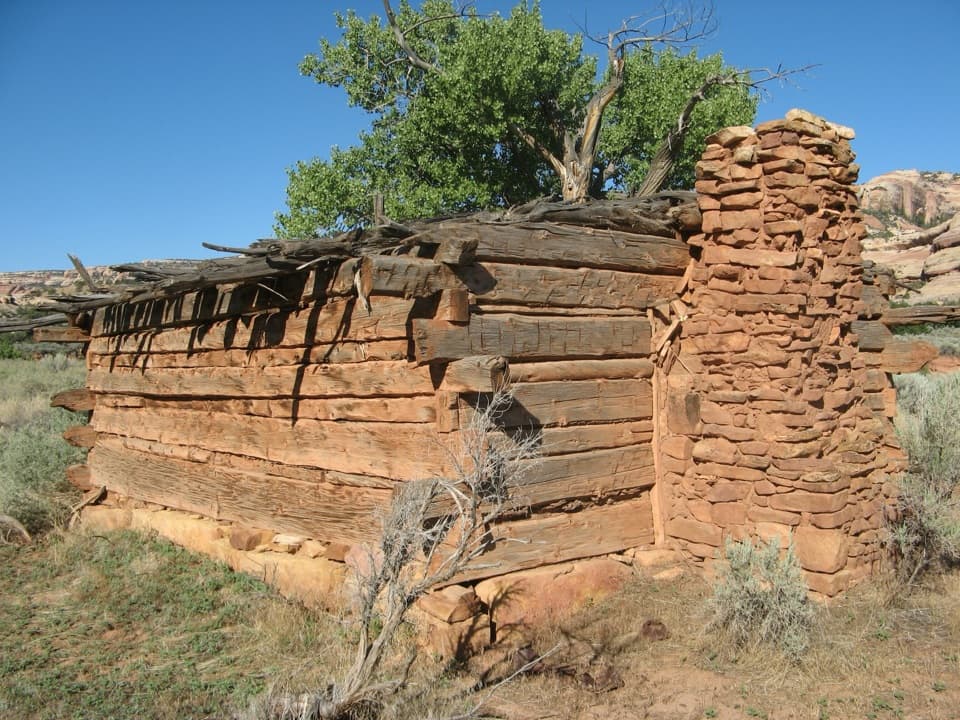
The painting sits inside a small cave whose mouth is about 10 feet above the canyon floor, visible from below if you know where to look. The setting is classic Needles: sculpted sandstone, arches, and cliffs framing a riparian corridor. Along the same route you can encounter other rock art panels and prehistoric granaries—this stretch of Salt Creek is rich with cultural sites that make the journey feel like a rolling museum.
This is a remote, commit‑worthy outing. Expect a long hike through sand, brushy sections, and rocky benches, sometimes undertaken as part of a multi‑day backpack. Some approaches combine rough 4WD travel with on‑foot miles. The route can be confusing; the panel itself isn’t obvious among the canyon’s many alcoves, and the final access includes a steep scramble through a crack to reach the alcove area. Backcountry permits are required for overnights, and bear canisters are mandated for food storage along Salt Creek.
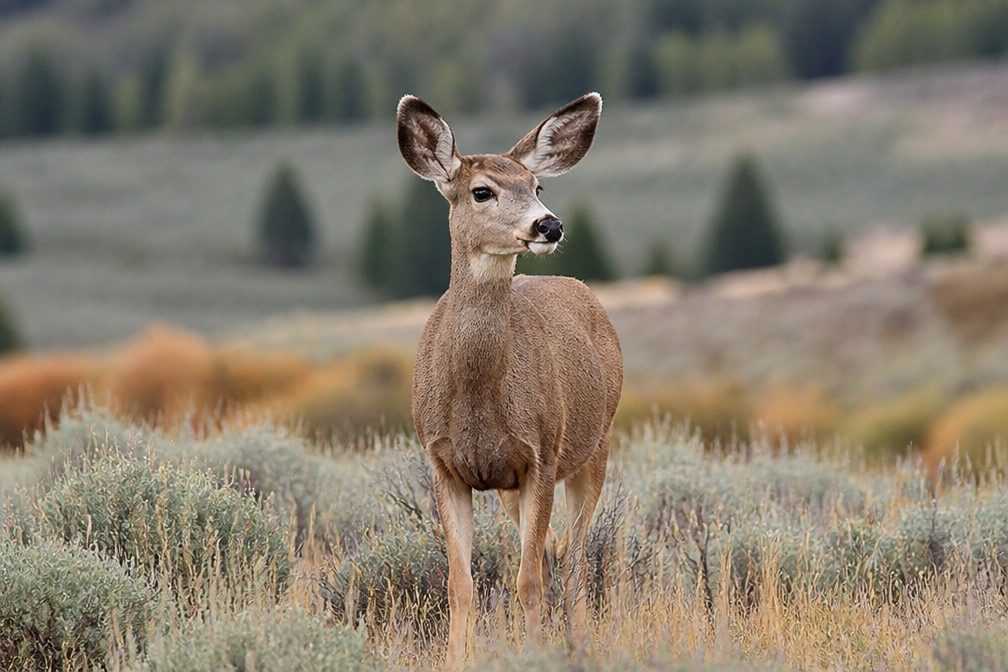
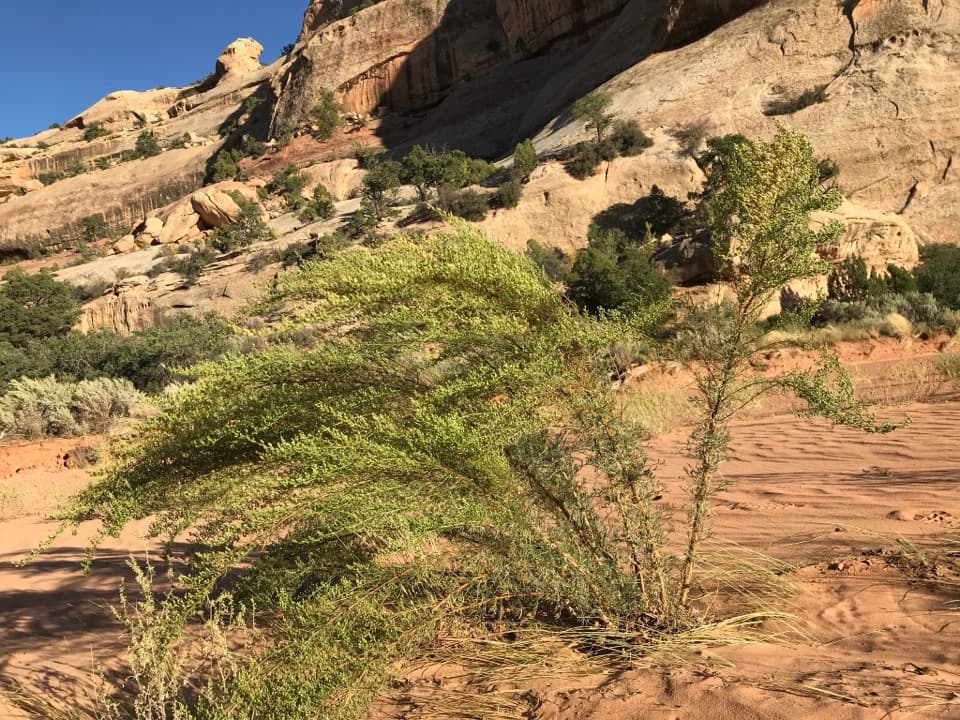
Salt Creek is the park’s largest perennial stream, supporting meadows and willows amid desert stone. Hikers commonly report rabbits, deer, lizards, and a variety of birds along the corridor. In spring, wildflowers can brighten the canyon floor, while dense vegetation (willows, rabbitbrush, tamarisk) constricts the path in places.
This is fragile, irreplaceable rock art. Look, photograph, and leave no trace—do not touch the panel or surfaces around it. The route to the alcove includes exposed moves; skip any scramble you’re not comfortable with.
You can photograph the panel from the canyon floor, but a moderate, exposed scramble near the alcove improves angles. A zoom lens helps if you prefer to stay below. Light varies with canyon orientation; plan extra time to work the composition safely.
Spring and fall offer cooler temperatures and, in spring, possible wildflowers—ideal for a long push in and out. Crowds are minimal year‑round, but start early to beat heat and give yourself margin for navigation and the scramble.