
Place · 0.4 mi away
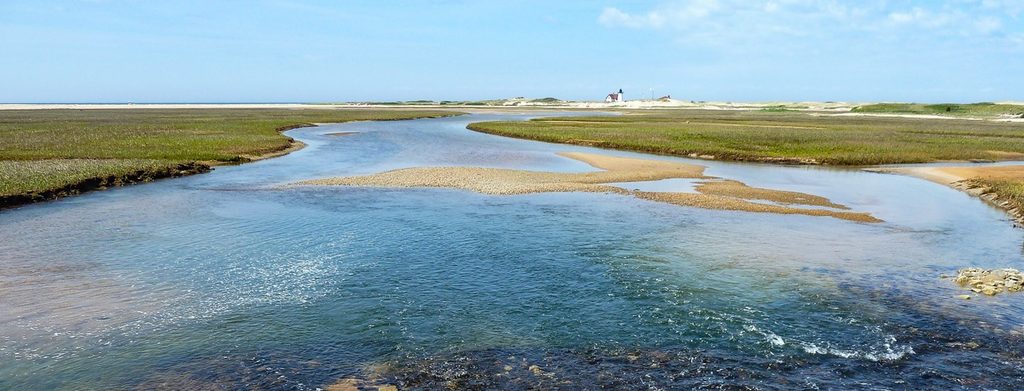
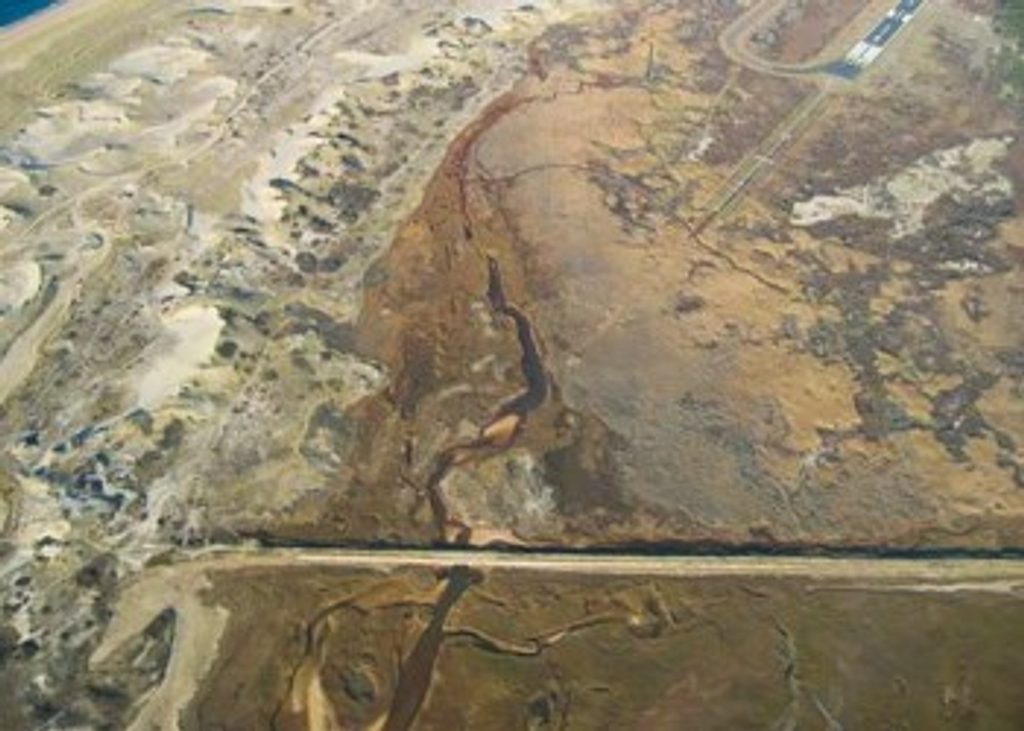
Hatches Harbor is a quiet slice of the outer Cape where salt marsh meets dunes and the Atlantic. It’s less about beach umbrellas and more about big skies, wind-sculpted sand, and a living estuary that breathes with the tides.
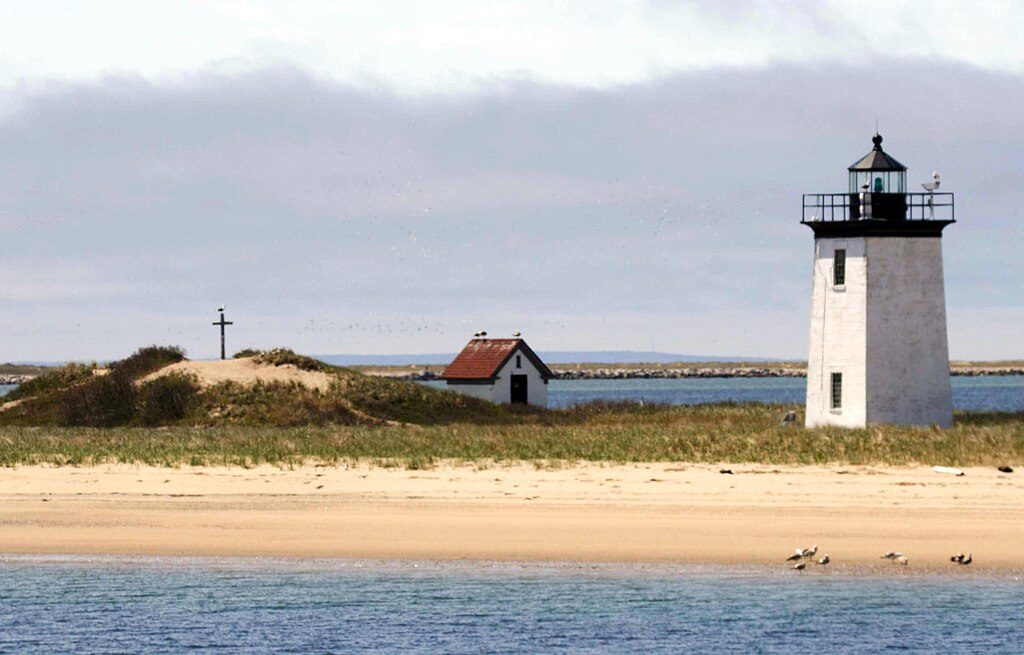
Expect wide-open views across a recovering salt marsh, rolling dunes, and, if you continue, glimpses of Race Point Lighthouse. On a good day you’ll spot shorebirds working the flats and seals cruising the outer beach.
From a small lot on Province Lands Road, an old fire road leads about 3.3 miles round-trip to the harbor, with mostly flat walking that turns sandy and slow in places. Allow 1–1.5 hours for the out-and-back; you can tack on beach walking to reach the lighthouse if conditions and closures allow. There are no dedicated restrooms at the trailhead; use nearby beach facilities in season.
Parts of the route and adjacent flats can flood or turn muddy around high tide, so plan for a low or falling tide window. Beach segments near Race Point can close seasonally for nesting shorebirds; pets are typically allowed on this route only in the off-season (about October 15–April 1) and may be restricted during nesting.
This marsh-and-dune mosaic is prime for birding—shorebirds, waders, and open-land species frequent the area, and the broader seashore hosts over 370 bird species. Seals are common along the outer beach, and in summer, whales feed offshore. Give wildlife plenty of space and heed any roped-off areas.
A dike built in 1930 choked tidal flow here, allowing invasive plants to spread and altering the ecosystem. Restoration began in 1987 and expanded in 1999 with larger culverts, bringing back natural tides and salinity. Since then, the marsh has rebounded, with declines in Phragmites and the return of estuarine fish and shellfish—something you can literally watch across the tide cycle.
April through October is the sweet spot. Aim for early morning or late afternoon for cooler temps, softer light on the dunes, and easier parking. Pair that with a low tide for the most interesting patterns in the marsh and a drier walk.
Place · 0.4 mi away

Place · 1.4 mi away
Place · 1.4 mi away
Place · 1.5 mi away
Easy · 0.9 mi away

Easy · 2.3 mi away
Challenging · 2.6 mi away
Moderate · 2.6 mi away

Parkwolf Tour Guide
