
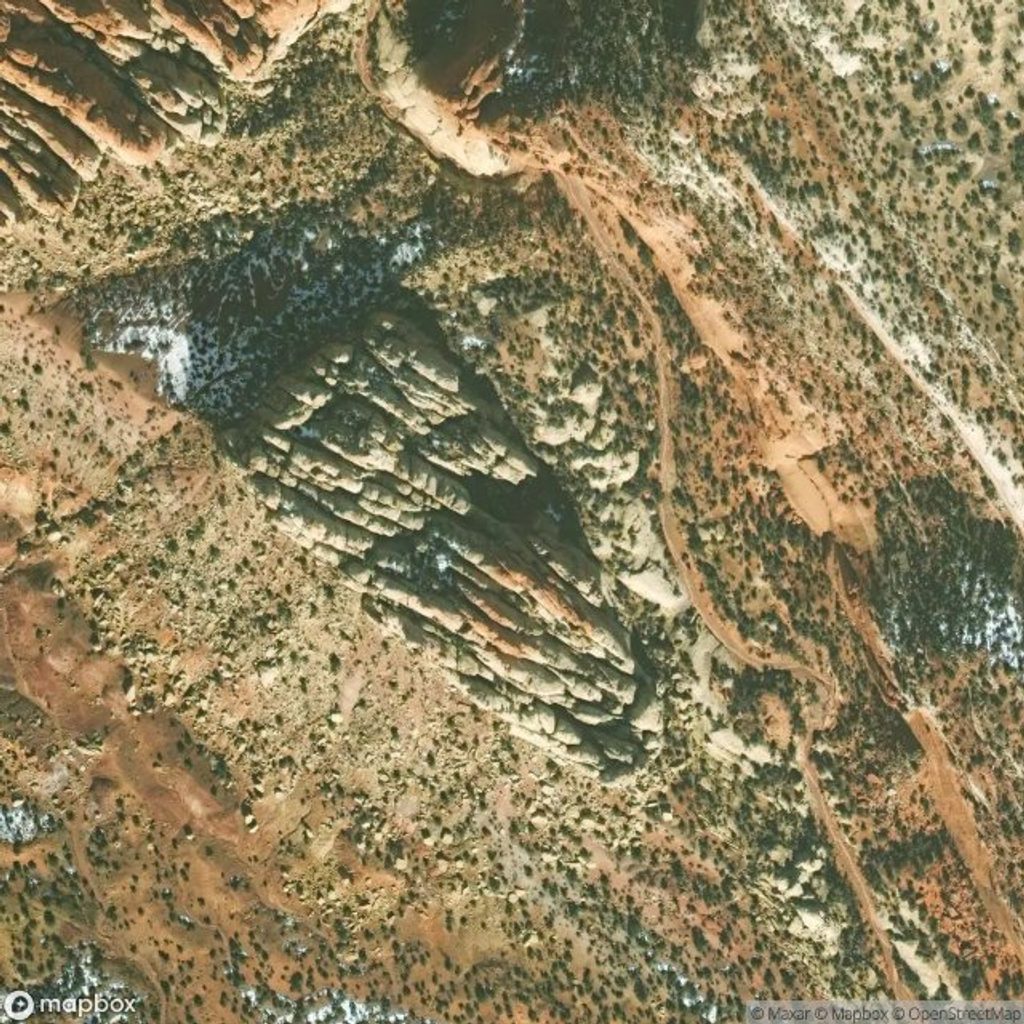
Place · 0.3 mi away
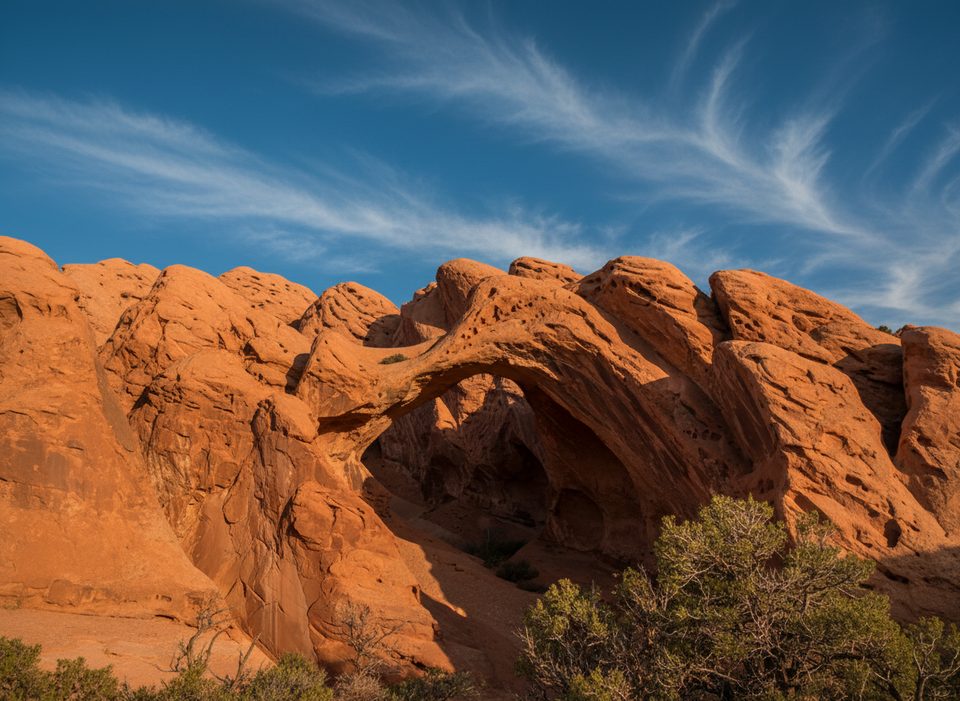
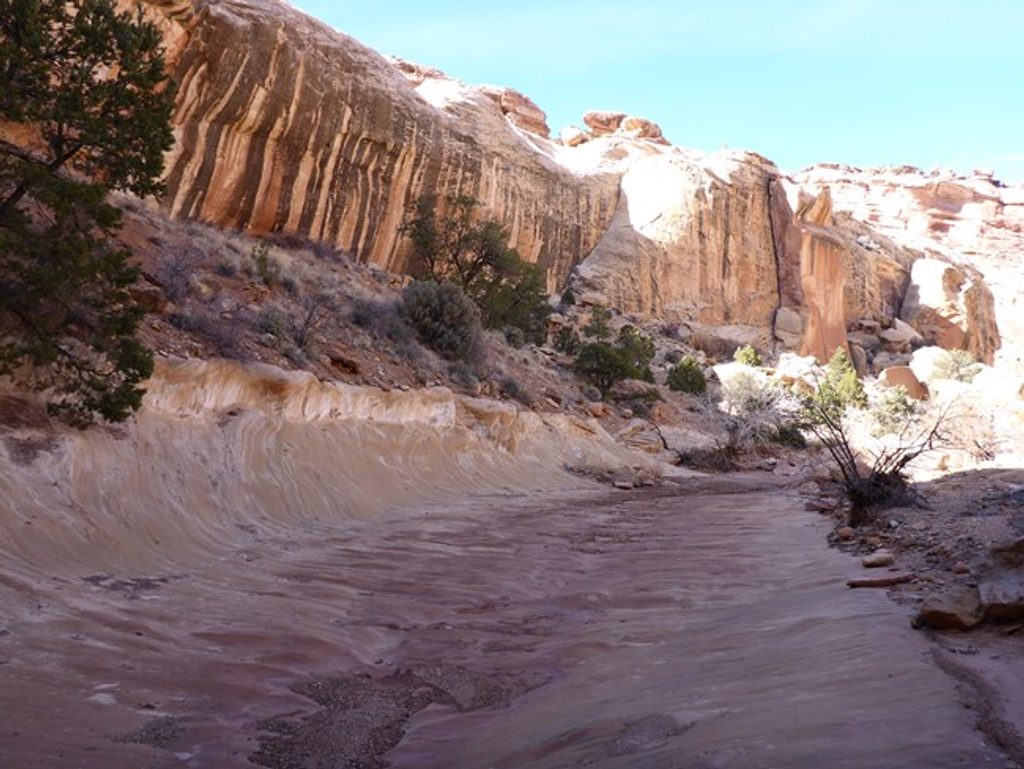
Saddle Arch is the memorable waypoint along the Upper Muley Twist Canyon hike—a graceful opening carved into the rust-red Wingate sandstone. It’s the spot where hikers decide: keep exploring the canyon bottom as an out-and-back, or turn onto the rim route for the full loop. Expect classic Waterpocket Fold scenery and a surprisingly remote feel compared to the park’s main corridor.
You’ll reach Saddle Arch roughly 1.7 miles from the Upper Muley Twist trailhead. A sign at the arch marks the junction with the rim route, making it an obvious and natural place to pause, hydrate, and plan your next move. Many hikers use it as a turnaround if they’re short on time.
The arch itself is a standout—big, airy, and set high in colorful cliffs. The broader route features multiple arches, varied desert rock textures, and commanding views tied to the Waterpocket Fold’s dramatic geology. Past the arch, the canyon narrows into a slot that becomes impassable from the bottom, which is why many opt for the rim route to complete the loop.
This is backcountry hiking: rugged footing, intermittent cairns, and stretches where you’ll need to pay attention to navigation. The rim route includes some exposure, which can rattle hikers uncomfortable with heights. It’s manageable with care, but not a casual stroll.
Spring and fall bring the friendliest temperatures for the long, exposed miles here. Start early to beat the afternoon heat and give yourself enough daylight for the loop. It’s generally less trafficked than the park’s frontcountry, so solitude is common even in popular seasons.
Saddle Arch is sculpted from Wingate sandstone, part of the stack of layers warped by the Waterpocket Fold. That monocline is the park’s signature feature and the reason this canyon delivers such bold bands of color and form.
In this high-desert corridor you may encounter lizards, songbirds, and birds of prey, plus small mammals adapted to arid life. Keep voices low and eyes open along the wash and ledges.
Place · 0.3 mi away
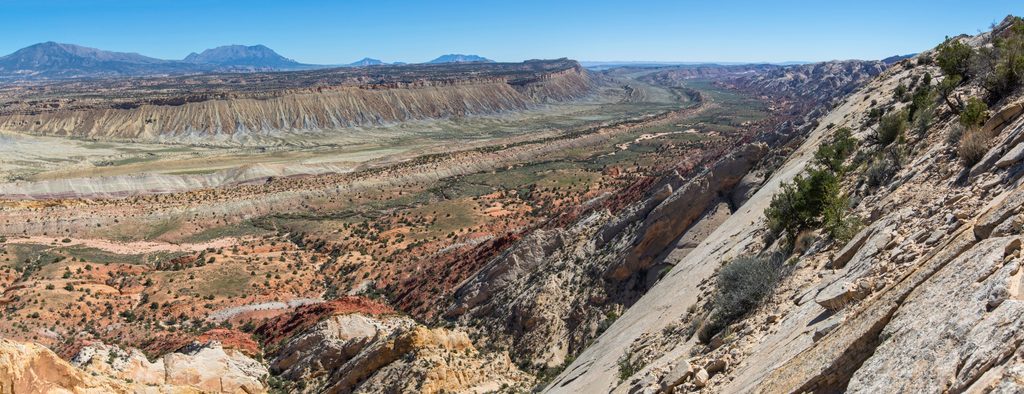
Place · 1.6 mi away
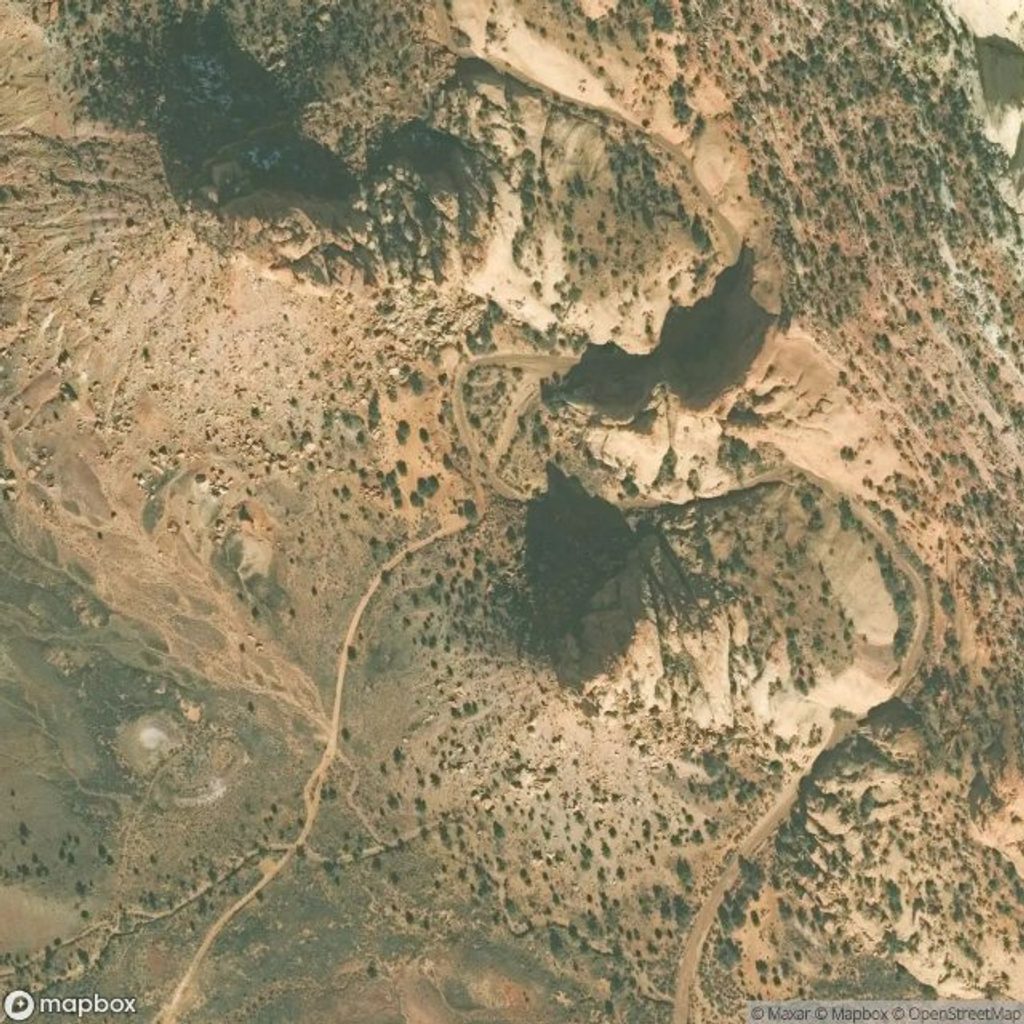
Place · 3.2 mi away
Place · 4.3 mi away
Challenging · 3.2 mi away
Easy · 5.9 mi away
Easy · 6.4 mi away
Moderate · 6.9 mi away

Parkwolf Tour Guide
