Place · 1.3 mi away

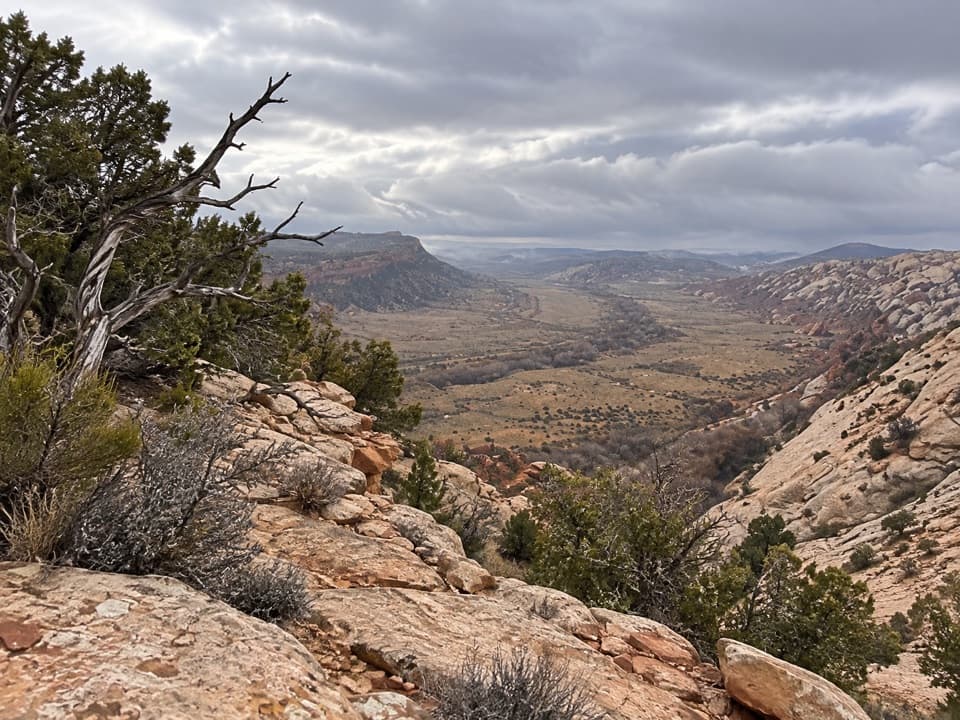
If you like your viewpoints earned and empty, Strike Valley Overlook delivers. Perched above the east side of Capitol Reef’s Waterpocket Fold, it frames a sweeping, linear valley and the dramatic cliffs and domes that define this part of the park. It’s remote, rugged, and easily one of the most rewarding desert panoramas—if you’re prepared for the backcountry approach.
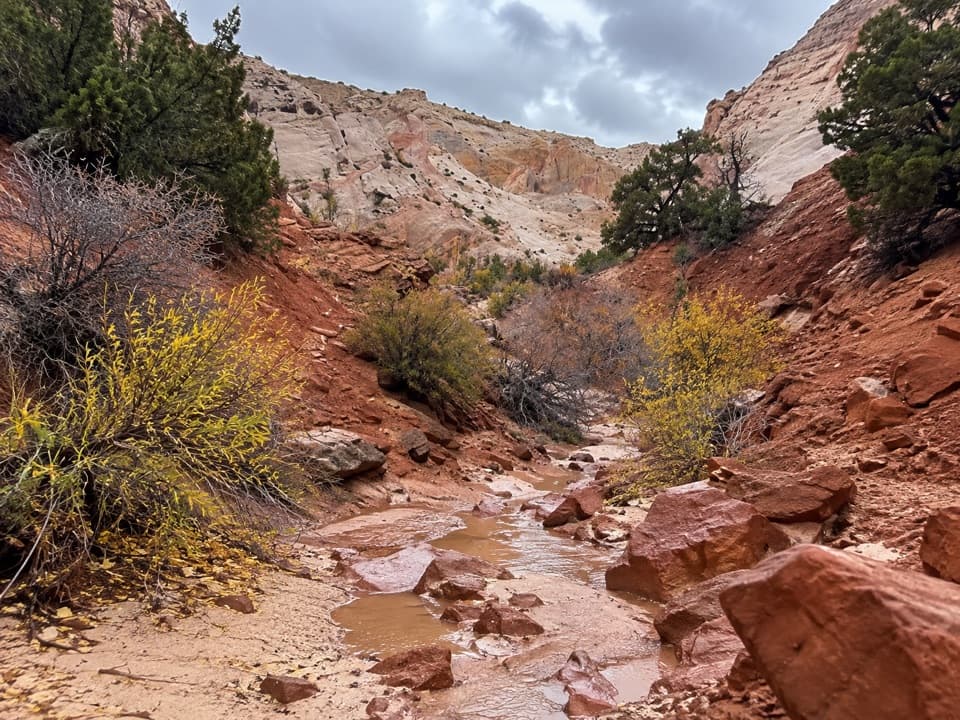
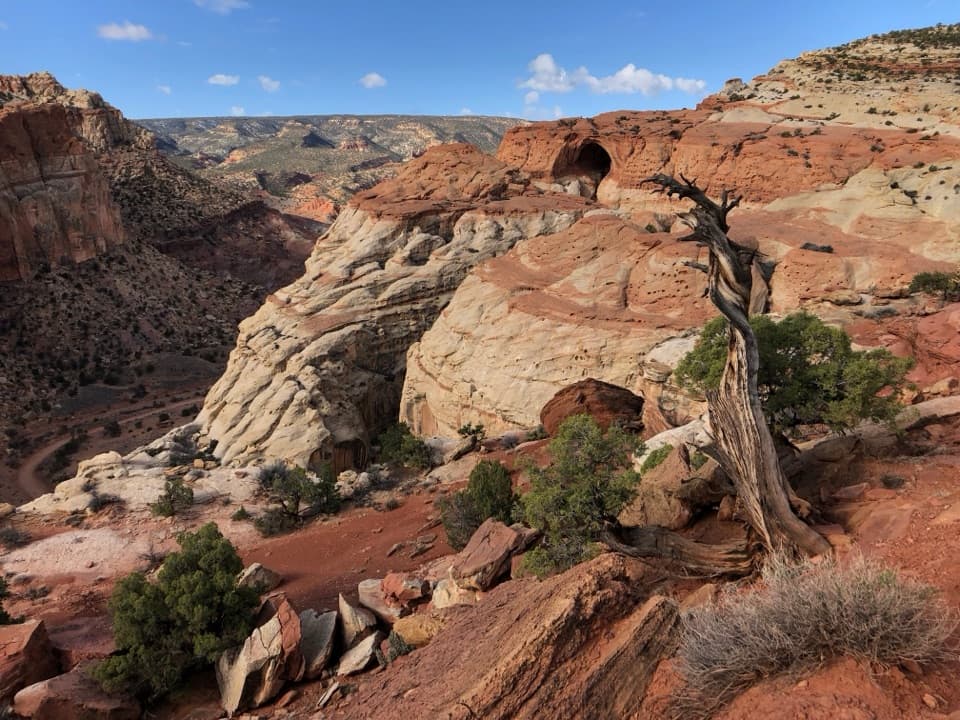
From the rim, the long, straight Strike Valley stretches north–south beneath you, with the towering monocline of the Waterpocket Fold rising sharply on one side. Expect colorful sandstone layers, white Navajo domes, rugged badlands to the east, and distant looks at the Henry Mountains. It’s all big sky and bigger geology.
The valley follows the “strike” (direction) of the tilted rock layers in the Waterpocket Fold, a massive warp in the Earth’s crust. Erosion along this monocline exposes bands of sandstone (including Navajo and Wingate) and carves the cliffs, domes, and canyons you’re looking over.
Access is via the Notom–Bullfrog Road/Burr Trail corridor on the park’s remote east side. High‑clearance 4WD can drive the Upper Muley Twist Canyon jeep road to a closer parking area; from there the hike to the overlook is roughly 0.8–0.9 miles round‑trip with moderate gain. Without 4WD, park at the 2WD area and walk the road—plan on about 6–7 miles round‑trip.
This is true backcountry. The roads can be rough and turn impassable when wet, and surfaces may be washboarded. Past the jeep road, the route is unmaintained and may require basic navigation—don’t rely solely on cairns. There’s limited or no cell service. Bring plenty of water, sun protection, sturdy footwear, and your own snacks; there are no facilities, shade, or water anywhere along the way.
Because it’s far from Highway 24 and requires effort, you’ll likely have the overlook to yourself or share it with a few hardy hikers. Many visitors consider it a highlight precisely because of the solitude and the scale of the view.
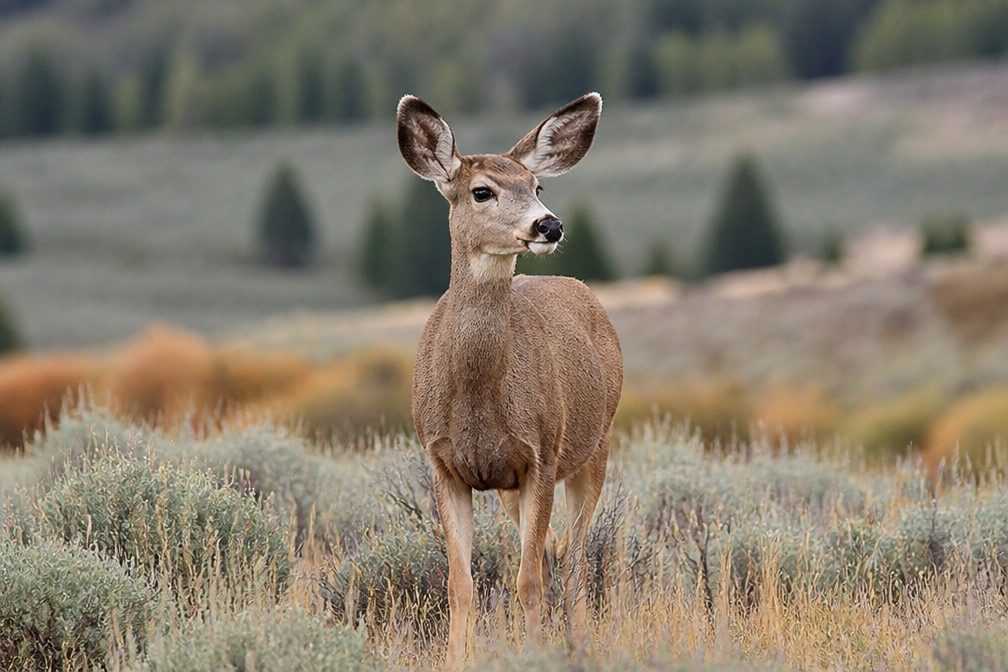
This arid zone hosts desert lizards and snakes, raptors and songbirds, small mammals, and occasional mule deer. Sightings are hit‑or‑miss—don’t count on them, but keep your eyes open along the approach and at the rim.
Go when roads are dry. Cooler mornings and late afternoons are kinder for the exposed hike and make the layered cliffs pop. Any day here is typically quieter than the park’s Scenic Drive area; expect few people most of the time.