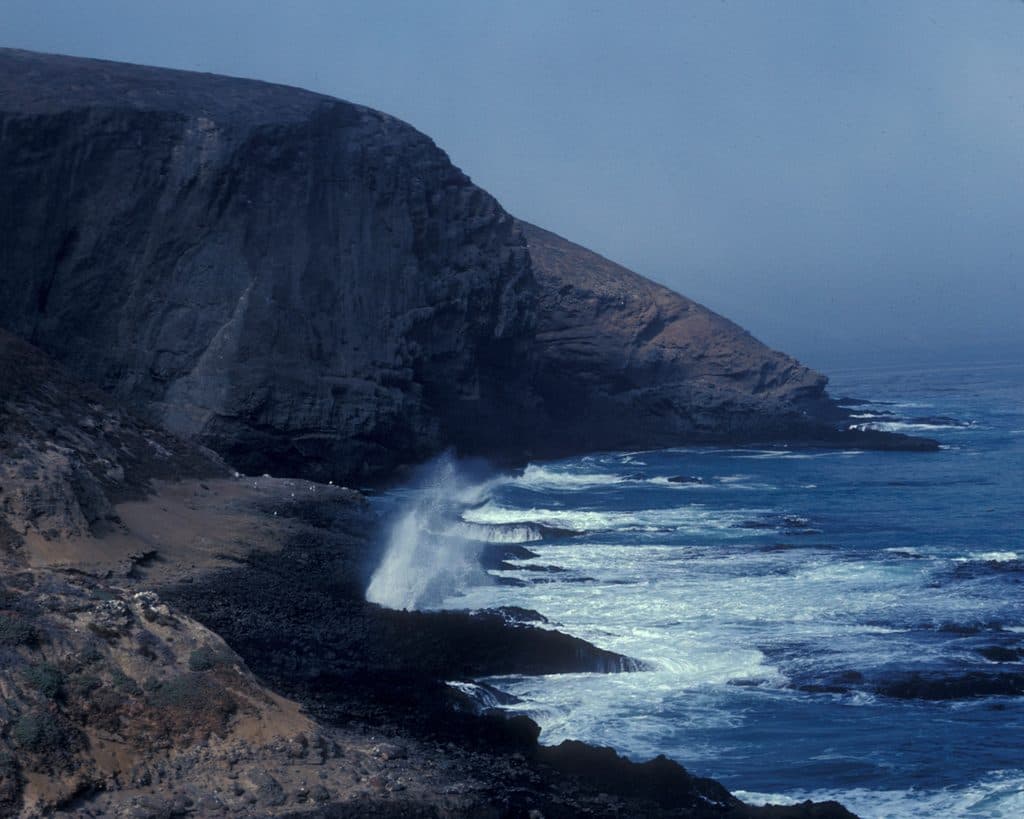
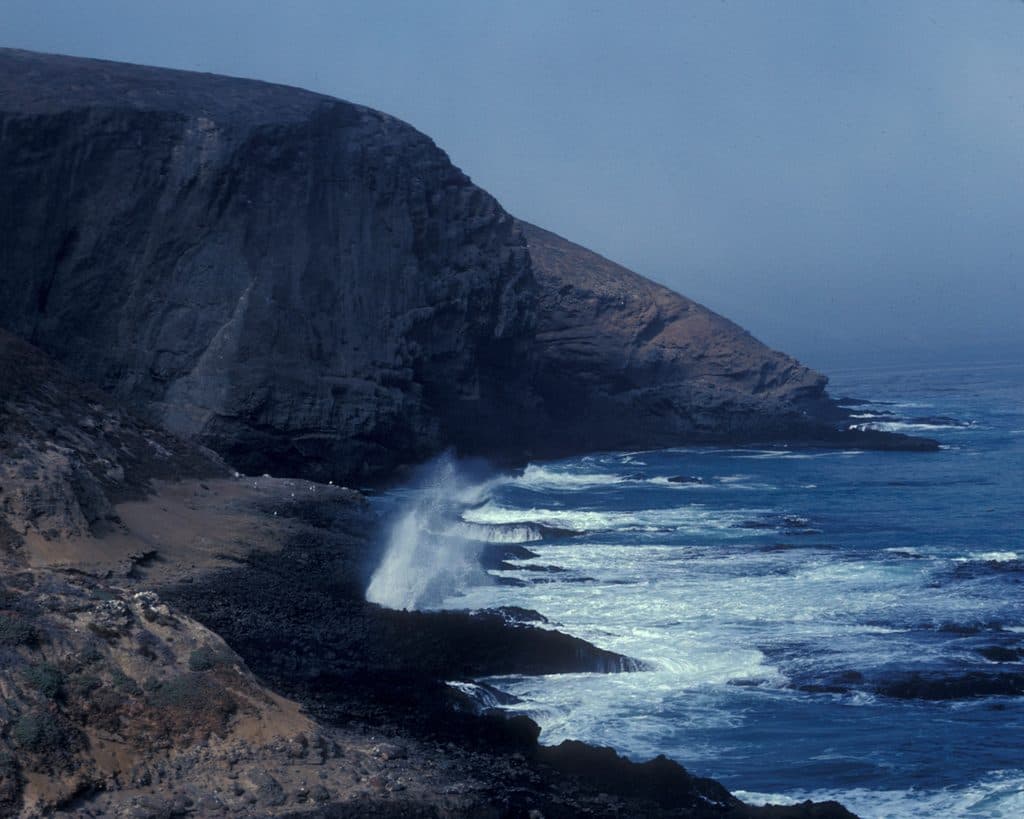
The smallest and most remote of the park’s islands, Santa Barbara Island packs a lot into one square mile. It’s a cliff‑rimmed, volcanic island known for rugged beauty, solitude, and wildlife. If you’re after seabirds wheeling overhead, elephant seals dozing on shore, and wide‑open ocean views with few people around, this is your spot.
Why stop
Concentrated seabird and elephant seal viewing
Excellent snorkeling and diving at Landing Cove
Primitive campground with pit toilets and picnic tables
Heads up
No water or services; bring everything
Access only via Landing Cove dock; no lifeguards
Steep 200-foot climb from dock; boat schedules often mean multi-day stays
If you’re prepared for a self‑reliant, boat‑in adventure with few amenities, Santa Barbara Island is a gem—underrated, wildlife‑rich, and wonderfully quiet. If you need easy access, services, or sandy beaches, choose another island.
Bring all drinking water and food; there are no supplies on the island.
2
Plan water activities at Landing Cove only and remember there are no lifeguards.
3
Expect a steep 200‑foot climb from the dock to the plateau—pack efficiently.
4
Boat schedules often require multi‑day stays; plan meals and fuel accordingly.
5
Download the interpretive trail guide and the park app before departure.
Plan your stop
Before you go
Best time to visit
Seasons: Spring brings wildflowers and bustling bird activity; wildlife viewing is strong through much of the year.
Weather: Winds, fog, and rough seas can pop up anytime—dress in layers and be flexible.
Crowds: It’s never truly crowded; boat capacity keeps numbers low.
Photography: Early and late light flatter the bluffs and cliffs; midday can be harsh on the exposed plateau.
Getting There & Logistics
Access is by boat only, with landings at the dock in Landing Cove due to the island’s steep cliffs.
From the dock, expect a short but steep climb—about 200 feet of gain over a quarter mile—to reach the plateau and campground.
There is no potable water and no services on the island. Bring everything you need and pack it all out.
Boat schedules typically make trips multi‑day rather than quick day visits.
3 active Channel Islands alerts
ClosureSanta Barbara Island dock closed; landings restrictedMentions this placeThe Santa Barbara Island dock is closed; landings are restricted to the adjacent rocky ledge. - Severe winter storm damage caused the closure, and repairs are not expected in the near future.Official details
ClosureSanta Rosa Island wildfire-recovery closuresAvoid closed routes and shorelines on Santa Rosa Island during recovery from the 2026 wildfire.Official details
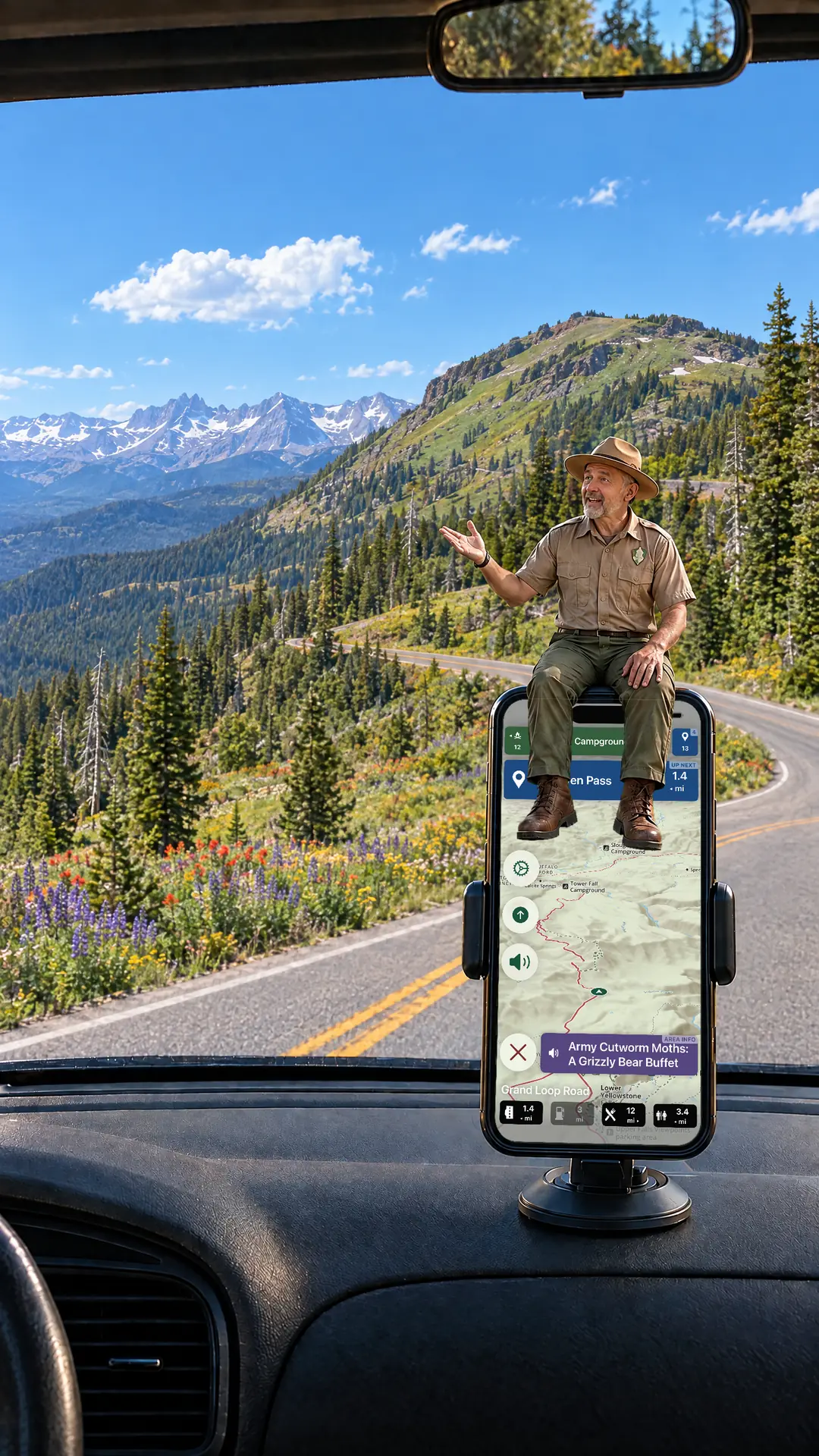
Parkwolf Tour GuideThe highest, rockiest slopes around here are a summer buffet for grizzly bears.
Channel Islands Tour Guide
Your drive to Santa Barbara Island, narrated.
Parkwolf is a GPS audio tour guide for Channel Islands National Park. As you drive, it chimes in with what’s ahead: hidden gems, upcoming stops, history, geology, and wildlife, right through your car’s speakers.
“Coming into view is Santa Barbara Island, the smallest and most remote island in the park. Don't let its size fool you; this one-square-mile volcanic island is packed with wildlife.”
Plays as you drive up to Santa Barbara Island in the Parkwolf Channel Islands Tour Guide.
More stories near here in the app
Signal Peak: The Highest Point on Santa Barbara Island
Santa Barbara Island's Bluff-Top Campground
47 audio storiesacross Channel Islands’s roads, triggered by GPS as you drive
Wildlife heatmapsfor Island Fox, Humpback Whale, Blue Whale, and 13 more
Works offlinemaps, 31 trails, 49 places, and audio download before you lose signal
CarPlay readysimple controls built for the drive
★★★★★
“Fantastic app with many points of information… It’s great to just turn on while you’re driving and it gives you an audio tour of the national Park. We love it!!!!”
JMJamesApp Store review
★★★★★4.7 from 8,600+ ratings
Guide
More about Santa Barbara Island
What You’ll SeeWildlife: Expect busy seabird colonies (including Scripps’s murrelets) and regular marine…
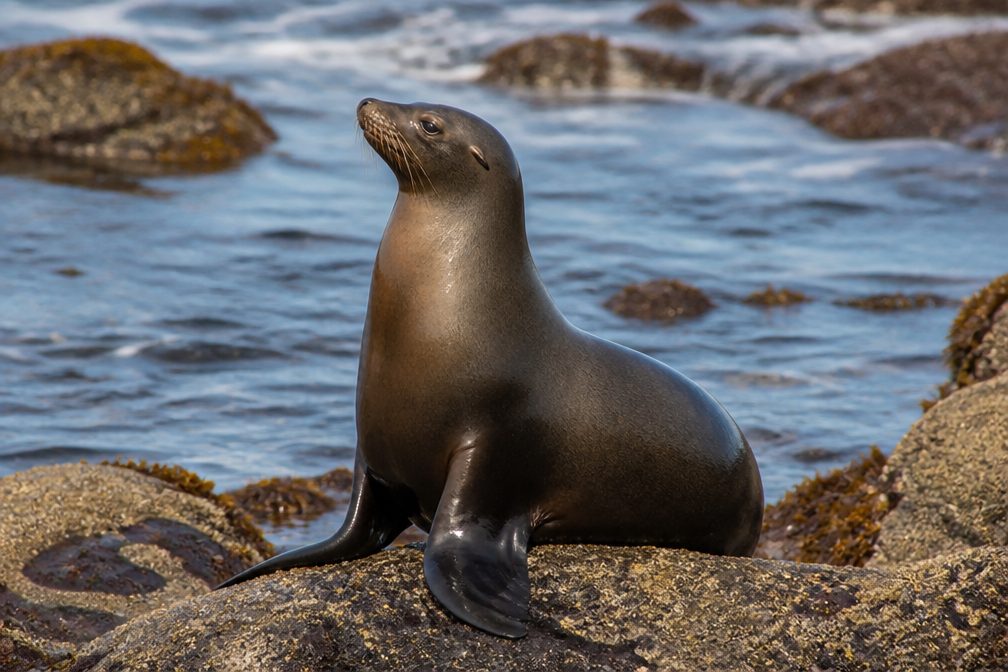
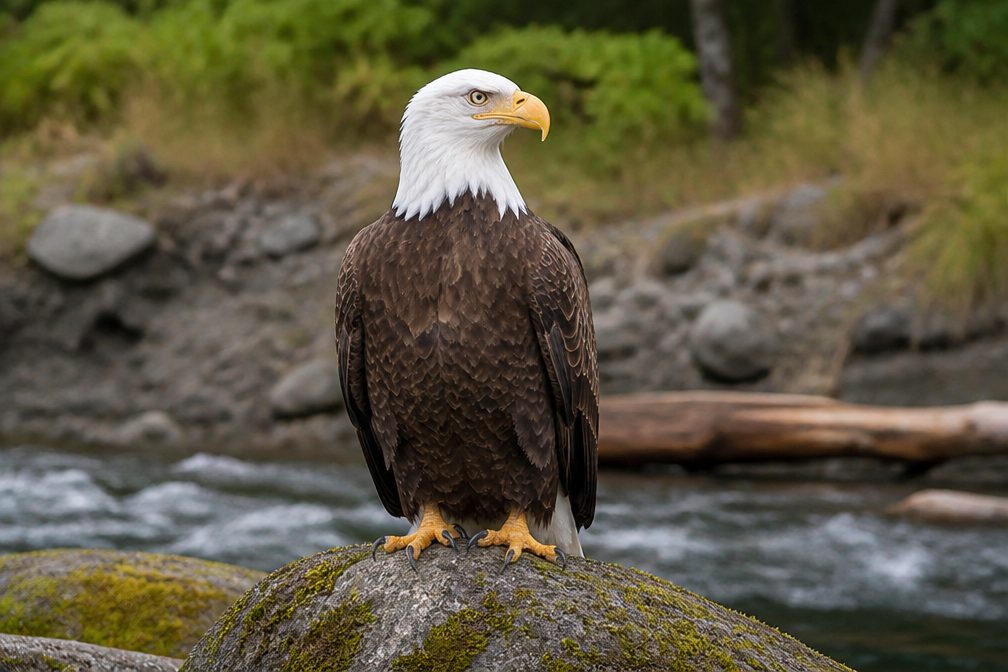
Wildlife: Expect busy seabird colonies (including Scripps’s murrelets) and regular marine mammal action—elephant seals, sea lions, and harbor seals haul out on the rocky shoreline.
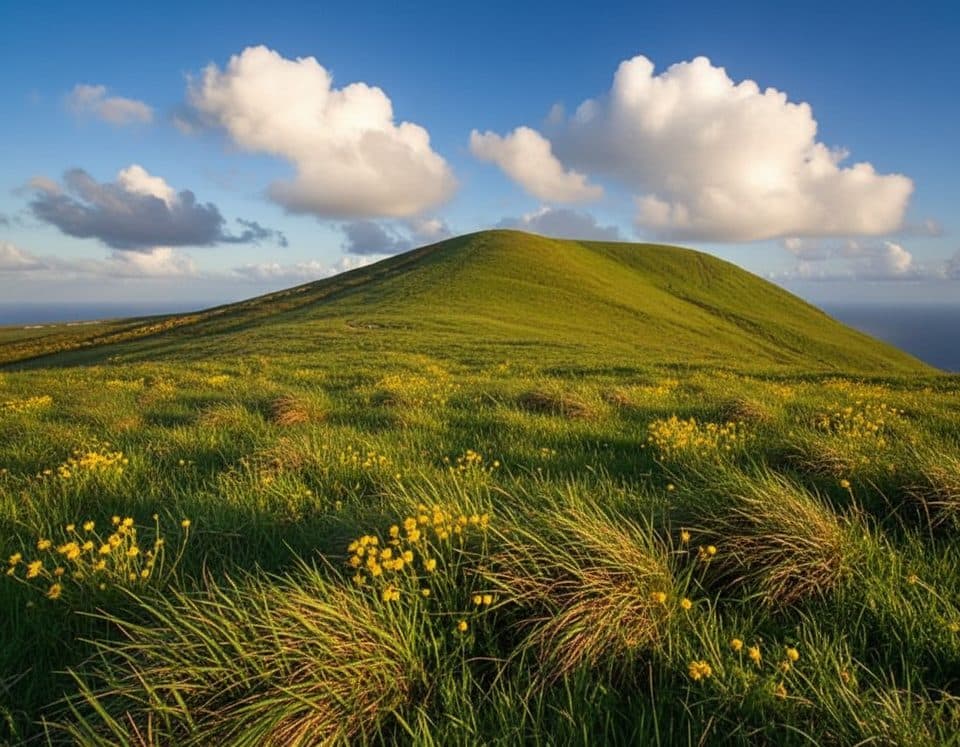
Seasonal color: In spring, wildflowers can blanket the bluffs with bursts of yellow.
Vistas: Trails traverse the plateau and bluffs to dramatic lookouts across the Pacific.
ActivitiesHiking: A compact network of trails makes the island very walkable once you’ve climbed from the…
Hiking: A compact network of trails makes the island very walkable once you’ve climbed from the dock to the plateau.
Watersports: Landing Cove is the place for swimming, snorkeling, diving, and kayak launches. There are no lifeguards—plan conservatively.
Camping: A primitive campground sits up on the island with basic facilities (pit toilets, picnic tables). You’ll carry all gear, food, and water.
Self‑guided learning: Pick up the park’s interpretive trail guide (and pre‑download the official app) for natural and cultural stories as you go.
Wildlife HighlightsSeabirds nest across the island; watch for murrelet chicks during the season.
Seabirds nest across the island; watch for murrelet chicks during the season.
Elephant seals and other pinnipeds haul out along the coast—give them generous space.
Geology & CharacterThis is a cliff island of volcanic origin, which explains the lack of broad beaches and the…
This is a cliff island of volcanic origin, which explains the lack of broad beaches and the single water access point at Landing Cove. The terrain means big views and a wild, exposed feel.