
Place · 3.3 mi away
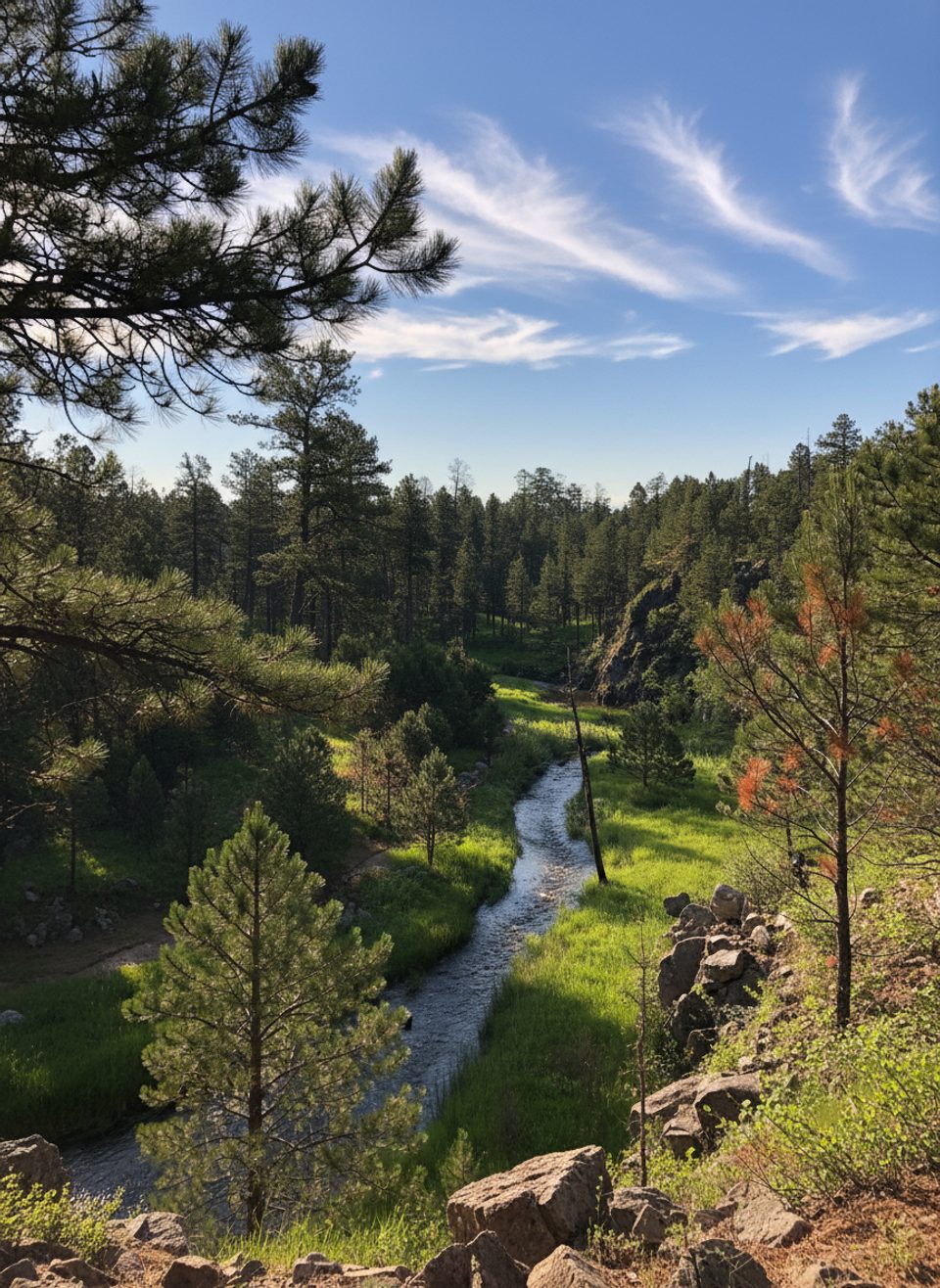
If you’re craving the wilder side of the park, French Creek Natural Area delivers. This is a rugged, 12-mile backcountry corridor that shadows a clear, trouty creek through prairie, tight canyon narrows, and shady riparian pockets. It’s remote, quiet, and purpose-built for folks who like their hikes scrappy and their campsites primitive.
French Creek is the park’s only area where you can legally camp outside developed campgrounds. No designated sites, no amenities—just you, the creek, and a sky full of stars. The sense of solitude here is the draw, along with the wildlife that uses the corridor as a natural highway.
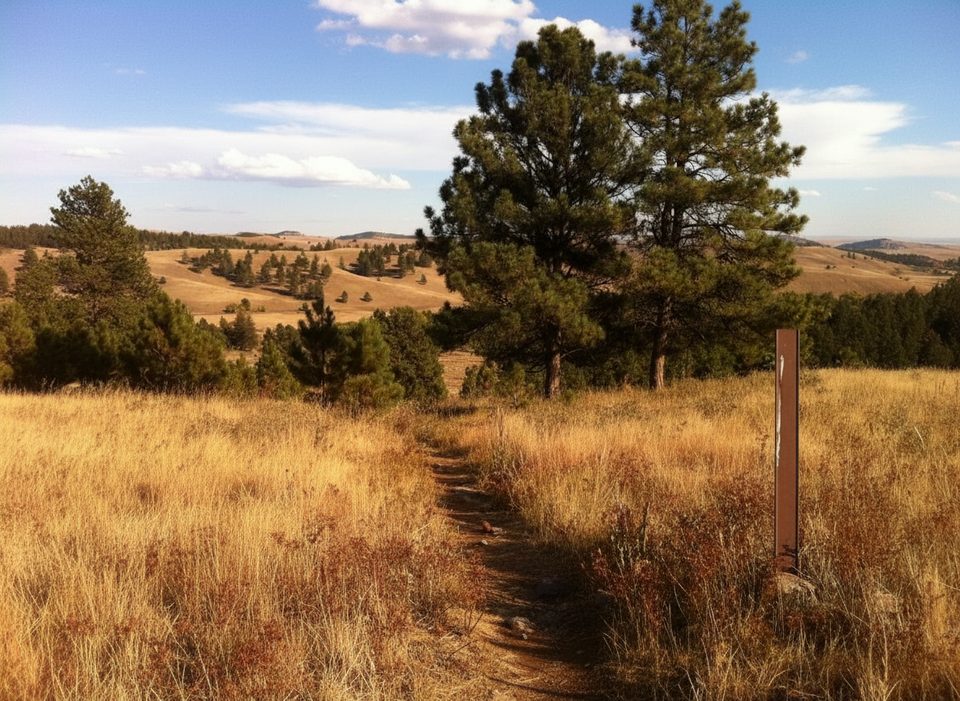
Expect a mash-up of open grasslands, steep rock walls, and cool creek bottoms dotted with deep pools. Bison roam the grassier stretches, and you might spot bighorn sheep on the cliffs, deer in the bottoms, and raptors overhead. The creek itself holds trout in pools, and wildflowers pop in season.
The path is lightly used and often unmarked, especially in the middle section. You’ll wade the creek many times—think dozens of crossings that fluctuate with flow. Footing can be slick, and high water can shut things down. Strong navigation skills (map/compass/GPS) are essential.
Backcountry camping here is first-come, first-served and fully primitive: no potable water, no fire rings, no services. Pack out everything and bring all the water you need or a filter for the creek. Horseback riders and experienced hikers are the usual company; casual day hikers often turn around early.
Poison ivy is widespread and robust—long pants and sleeves are your friend. Bison demand distance, full stop. Expect to detour when they’re on the route. The remoteness adds consequence to small mistakes, so plan conservatively.
This creek is tied to the 1874 expedition that reported gold in its gravels, lighting the fuse on the Black Hills Gold Rush—a big story flowing through a small stream.
May–October typically offers the friendliest conditions. Go early on weekends for cooler temps and softer light, or midweek if you want near-guaranteed solitude. Photography sings in golden hour when canyon walls and riparian greens glow. Spring runoff can spike crossings; late summer and early fall are usually more manageable.
Place · 3.3 mi away
Place · 3.5 mi away
Place · 3.6 mi away
Place · 3.7 mi away
Challenging · 0 mi away
Easy · 3.5 mi away
Moderate · 4 mi away
Easy · 5 mi away

Parkwolf Tour Guide
