Place · 7 mi away

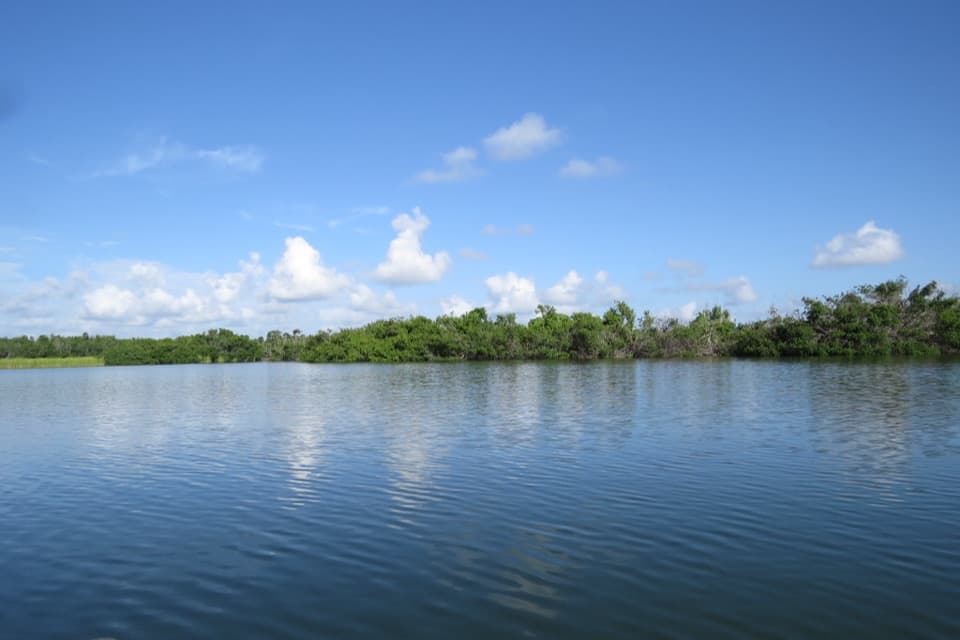
Shark Valley Observation Tower is the big payoff at the far end of the Shark Valley loop—a spiraling concrete tower that lifts you above the sawgrass prairie for a true sense of Everglades scale. On clear days you can see for miles in every direction, with hammocks (tree islands), sloughs, and the park’s oolitic limestone bedrock visible in the shallows below.
You don’t drive to the tower. Park at Shark Valley Visitor Center, then reach the tower via the paved loop by tram, bicycle, or on foot. It sits roughly seven miles from the visitor center along the 15‑mile loop, making it a natural turnaround point for cyclists and the midway stop for tram tours.
From the top: uninterrupted grasslands, glinting sloughs, and distant tree islands. Along the approach: classic Shark Valley wildlife scenes—gator holes, wading birds working the shallows, turtles, and more. Many visitors consider the journey out just as memorable as the tower itself.
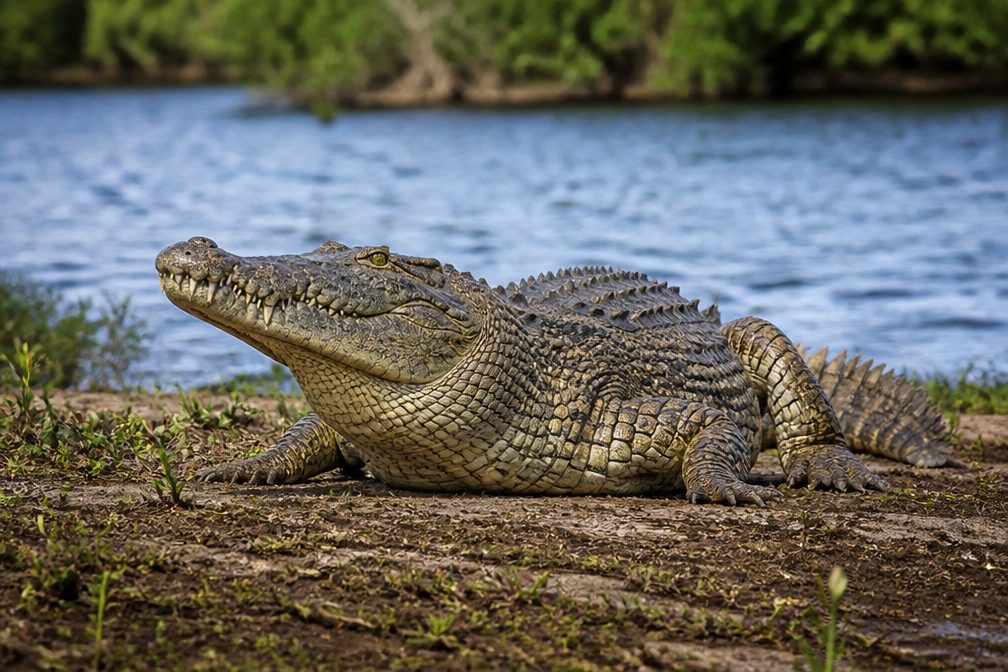
Expect frequent alligator sightings along the road and near the tower, plus ibis, herons, wood storks, roseate spoonbills, and other waders. Give wildlife plenty of space—gators sometimes cross or linger on the path.
At the base you’ll find flush restrooms (occasionally closed; porta‑potties may be staged outside), potable water with a bottle‑filling station, trash/recycling, bike racks, and simple interpretive exhibits. The spiraling ramp makes for a gentle climb with multiple vantage points.
This is arguably the most expansive single viewpoint in the park and a favorite for photographers stitching full panoramas. The structure itself is a noted historic design feature within the Shark Valley landscape.
Arrive early for easier parking at the visitor center and calmer conditions on the loop. Early morning or later afternoon typically means fewer crowds and more active wildlife; late‑day light can be gorgeous from the tower. If you’re taking the tram, a late afternoon departure often lines up with warm, soft light at the stop.
Shark Valley sits in a subtle geological depression at the head of the Shark River Slough, with seasonal water levels shaping wildlife behavior. The tower is recognized in historic building surveys and was designed to provide a safe, elevated window into this vast wetland.