
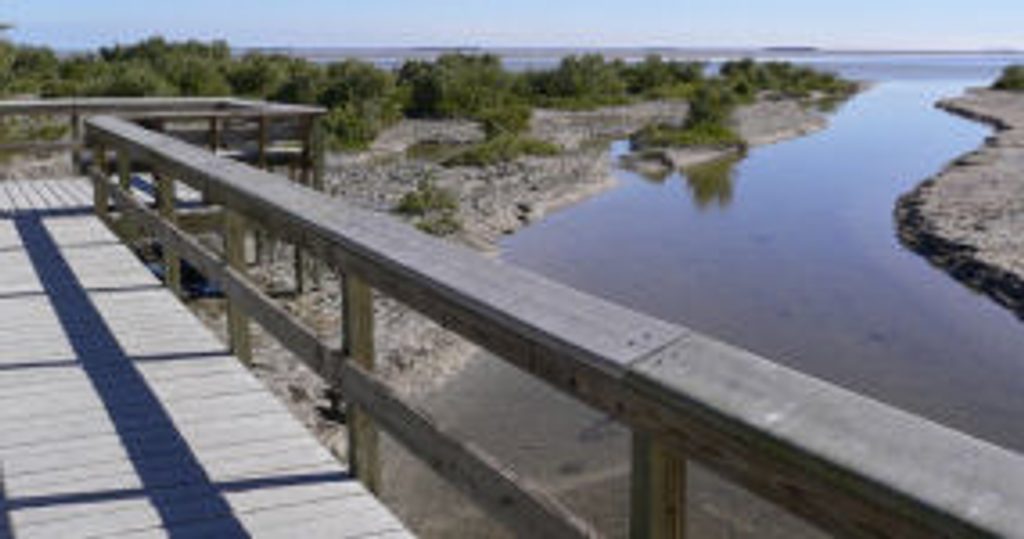
Place · 4.5 mi away
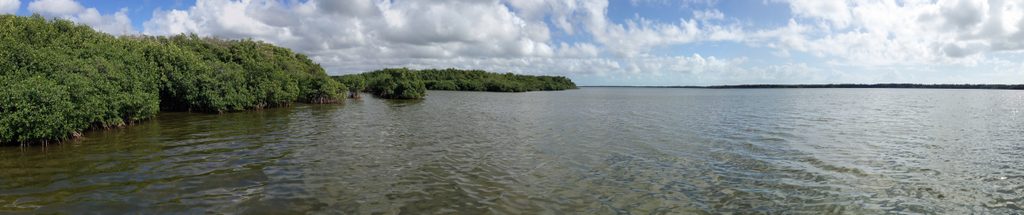
Hell's Bay is Everglades backcountry at its most immersive: a shallow, twisting network of mangrove tunnels, creeks, and ponds that early anglers said was “hell to get into and hell to get out of.” If you’re game for a little route‑finding and want true wilderness, this is your spot.
The park’s marked Hell’s Bay Canoe Trail threads through mangrove mazes and marshy glades to the bay proper. It’s a paddler’s playground with over 160 markers guiding you through tight turns and occasional open water where the next marker can be a hunt. For many, it’s the quintessential Everglades paddle—remote, quiet, and memorable.
Expect mangrove islands, sawgrass glades, and serene open ponds and bays. Some days deliver abundant birdlife—think roseate spoonbills, wading birds, raptors, and ospreys overhead—other days feel hushed. Alligators are a regular presence along the water’s edge. Anglers prize the area for largemouth bass and crevalle jack.
The signed route is straightforward in concept but tricky in practice: narrow passages, tight turns, and stretches of open water where markers can be spread out. Solid navigation skills and patience pay off. A smaller, maneuverable canoe or kayak makes the experience smoother.
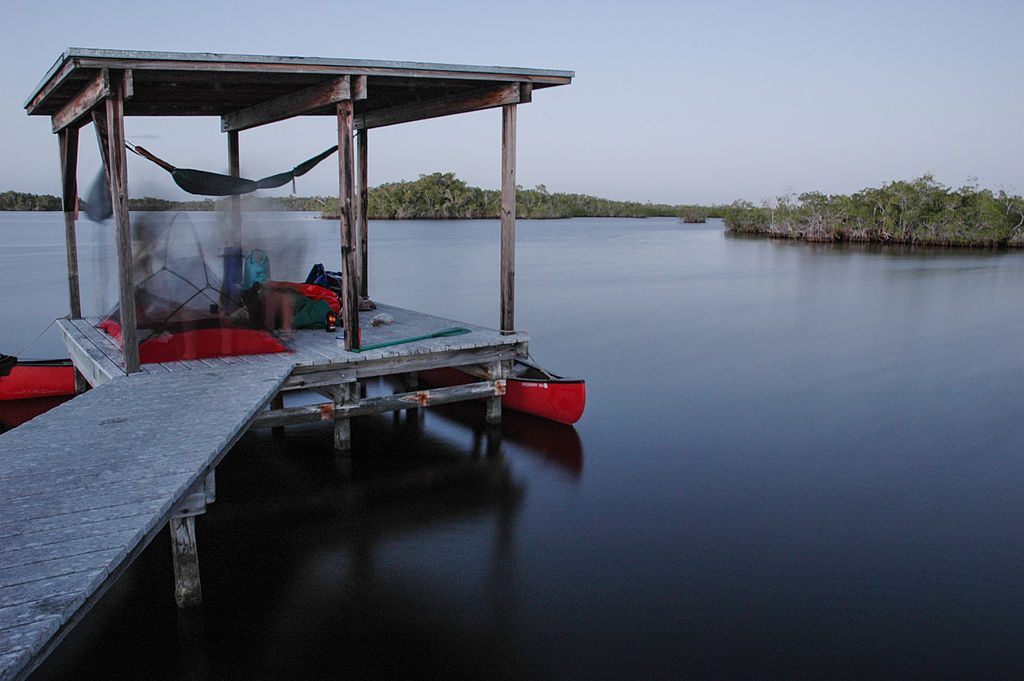
Hell’s Bay features over‑water chickee platforms you can only reach by boat. They’re simple, well‑maintained backcountry pads with a basic toilet and a cooking surface—no water, no store, no frills. You’ll need a wilderness/backcountry permit to stay overnight and you must pack in all food and water. Bring rope or lines; tying up securely to the platform is essential, and low tide can make unloading awkward.
There are no services out here—no potable water, no food, no cell signal. Plan to be completely self‑contained and pack out everything. Mosquitoes and biting insects can be intense, so come prepared.
Start early to give yourself ample daylight for the paddle and route‑finding, and to enjoy calmer, quieter conditions. It’s popular with paddlers yet still feels remote once you’re deep in the mangroves. Spring can add a bonus of flowering air plants along the route.
Place · 4.5 mi away
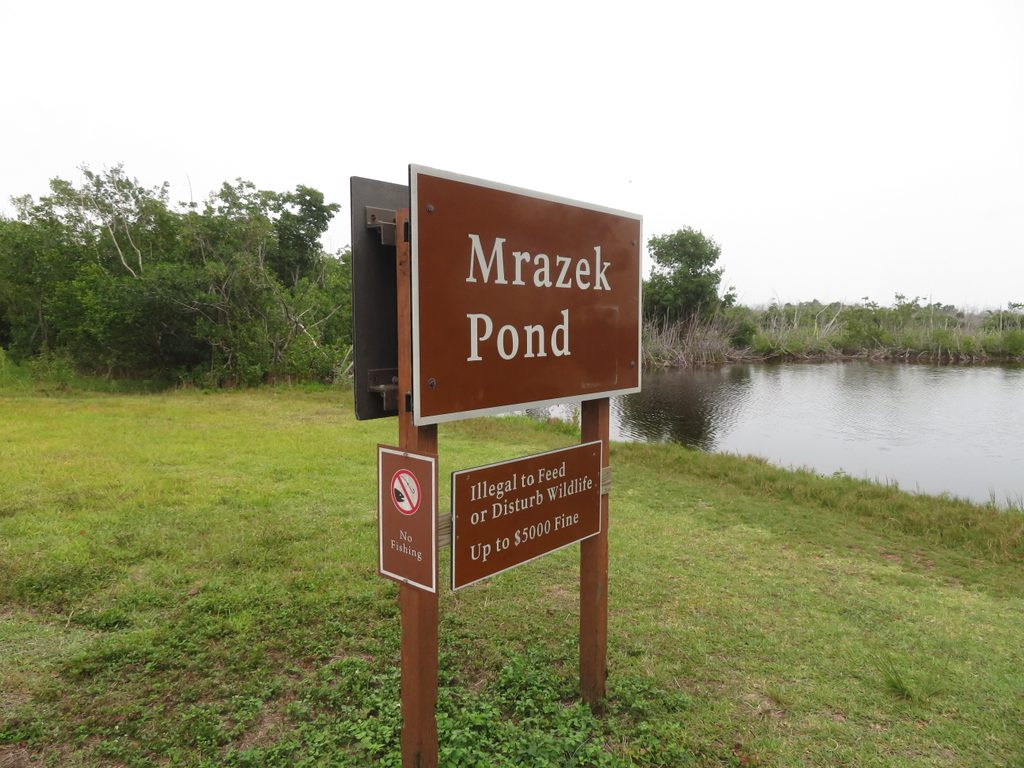
Place · 4.6 mi away
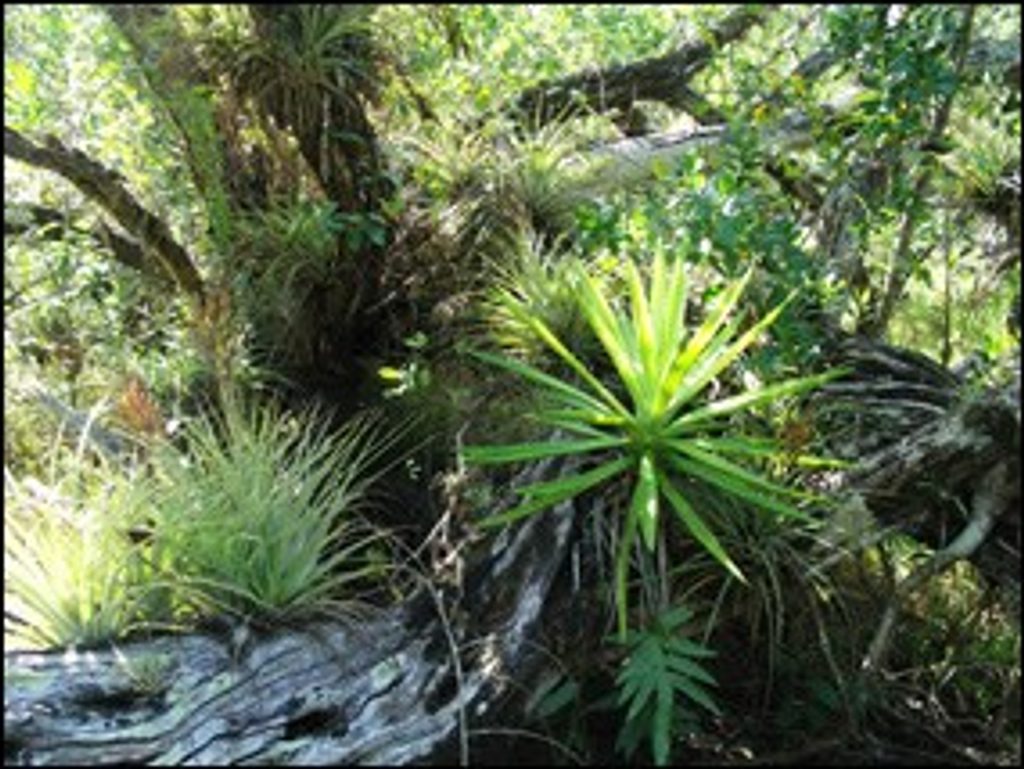
Place · 4.7 mi away
Place · 4.8 mi away
Easy · 3.3 mi away
Easy · 5.3 mi away
Easy · 5.7 mi away
Easy · 6 mi away

Parkwolf Tour Guide
