Browne Falls

Remote, towering cascade best seen from a Doubtful Sound cruise
Browne Falls, Fiordland National Park
InsideFiordland National Park

Overview

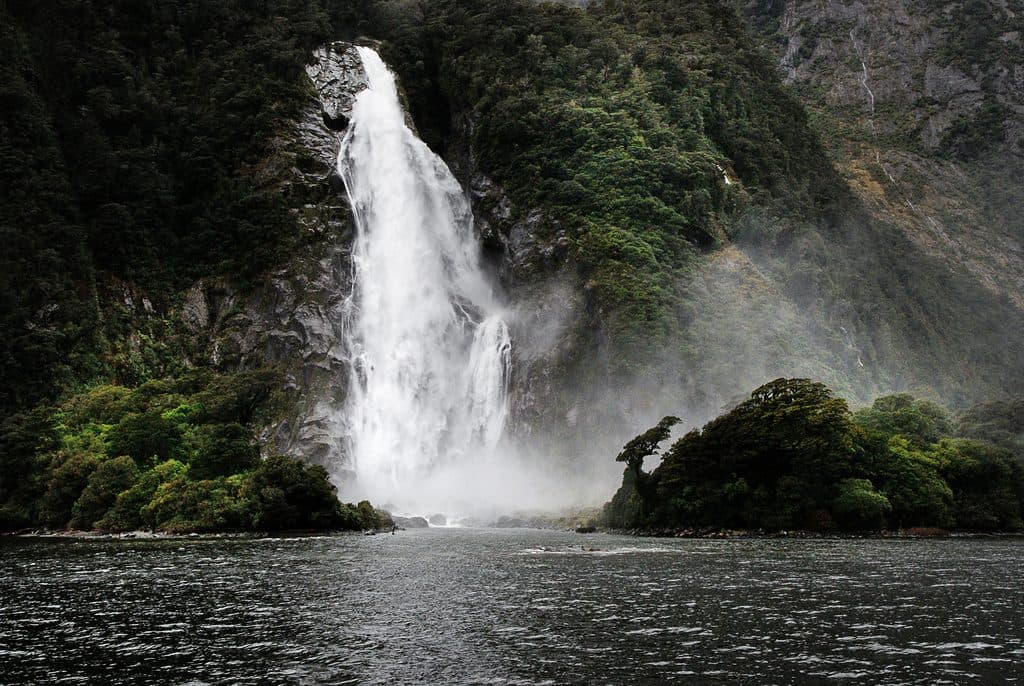
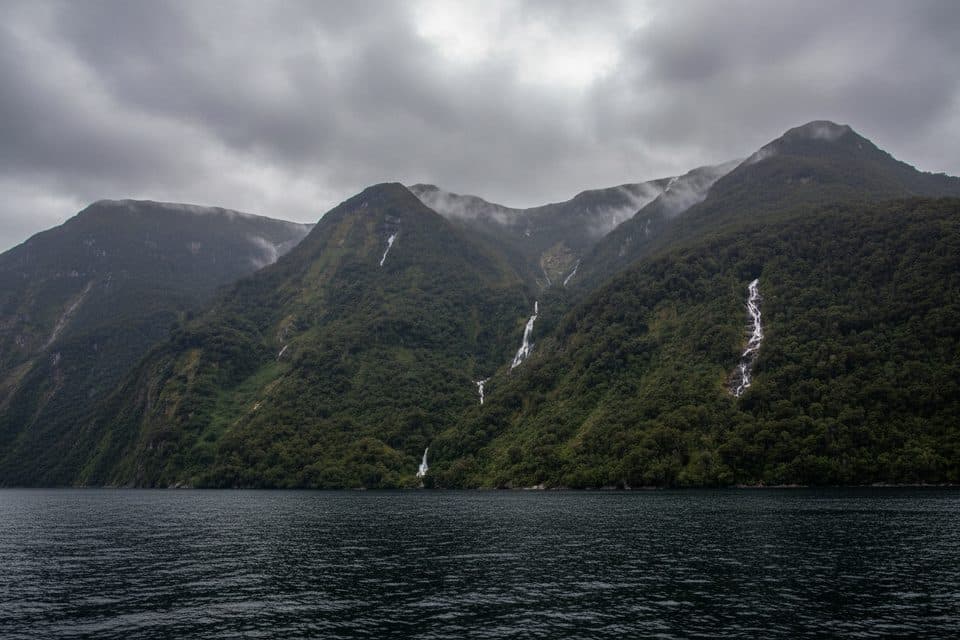
Browne Falls pours down the sheer, rainforest-cloaked wall above Doubtful Sound, ending near Hall Arm. Fed by Lake Browne—a high tarn that overflows after rain—it streaks down the mountainside in a series of tumbling cascades rather than a single vertical plunge. Reported heights range from 619 to 836 meters over about 1,130 meters of run, which is why it’s often cited among New Zealand’s tallest waterfalls.

What makes it special

  • Tarn-fed dynamics: when Lake Browne is brimming, the overflow turns the falls lively and loud.
  • Immense scale: a long, white ribbon set against deep-green Fiordland slopes, dropping essentially from the high tarn to sea level.
  • Quieter setting: Doubtful Sound is far less busy than Milford, so the spectacle often comes with true Fiordland hush.

How to see it

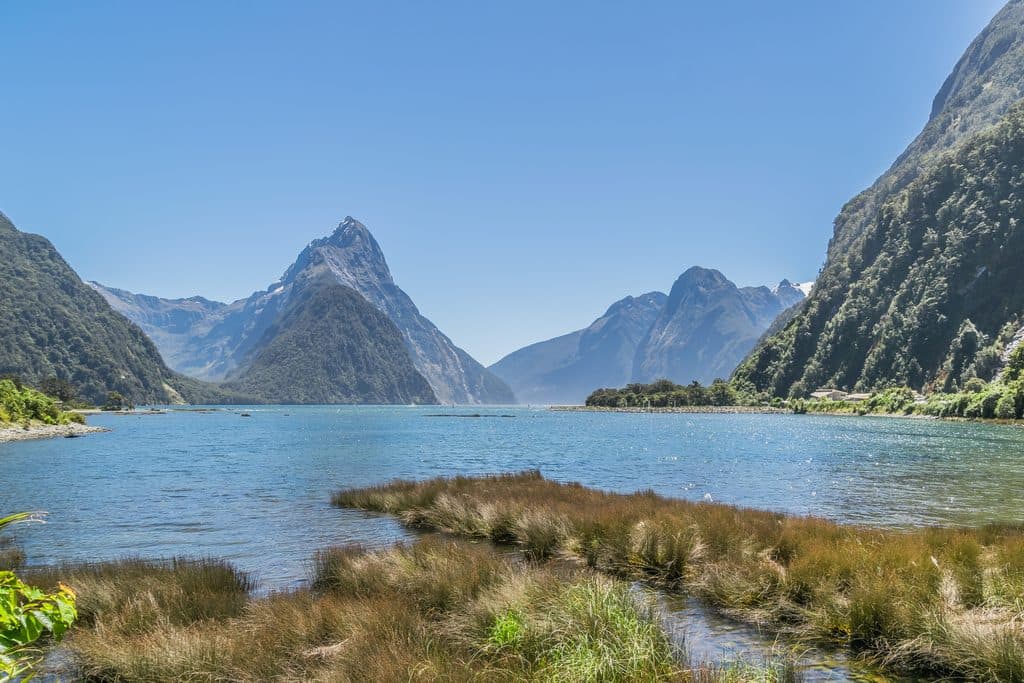
There’s no track or road to the base or brink. Most people spot Browne Falls on Doubtful Sound cruises (after the cross-Lake Manapouri and Wilmot Pass transfer). Some tours or flights offer distant views from the Wilmot Pass area or by air (helicopter/seaplane) for a broader perspective of the entire cascade.

Wildlife and landscape

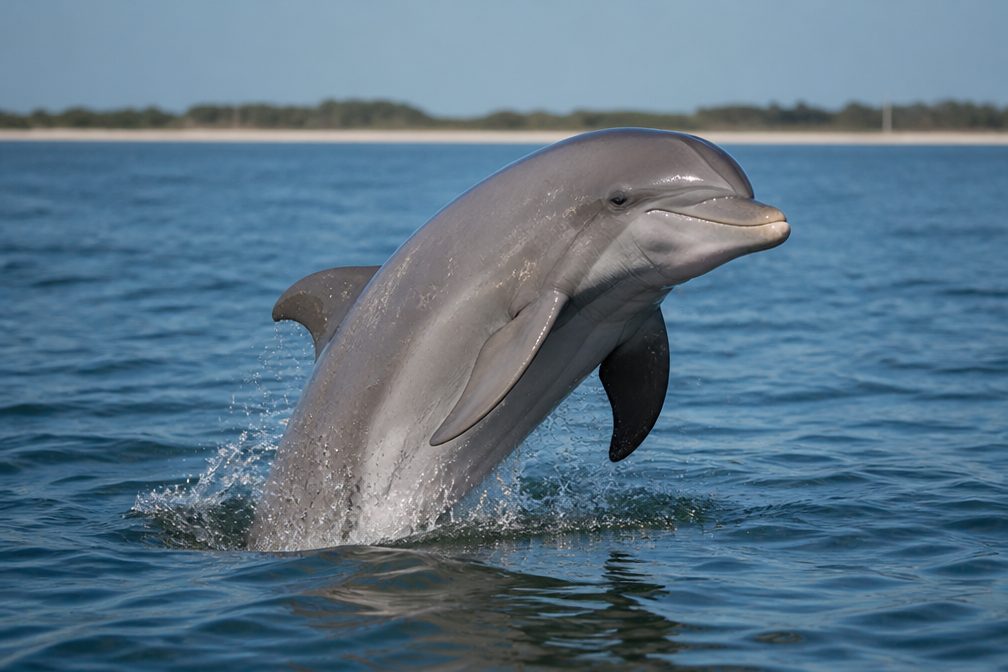
The surrounding temperate rainforest supports southern beech and lush fern understory. On the water, guided Doubtful Sound trips sometimes encounter Fiordland crested penguins and dusky dolphins—icing on the cake if you’re there for the falls.

Expectations and photography

Because the water hugs the rock at a modest angle, the falls can look less dramatic than a clean free-fall. After heavy rain, though, the thin ribbons turn fuller and more photogenic. A zoom lens helps compress the long drop into a frame from boat distance.

Best time to visit

  • After rain: the tarn overflow is strongest and the falls are most pronounced.
  • Any season works, but Fiordland weather is famously wet and changeable—pack layers and rain gear.
  • Doubtful Sound is generally uncrowded; daylight cruises give the best odds for clear views, while stormy days can produce the most powerful flow.


Need-to-know

  • No facilities at the falls; your tour boat is your base of operations.
  • The area is remote; check current conditions and trip logistics with official channels before you go.

Pros

  • One of the tallest cascades in New Zealand, fed by Lake Browne
  • Best seen on Doubtful Sound boat or air tours with sweeping views

Cons

  • No direct trail or road access; viewing is from the fiord or distant viewpoints
  • Flow and drama vary with rainfall and tarn overflow

Tips

  • Choose a Doubtful Sound itinerary that passes near Hall Arm to maximize views.
  • Aim for a rainy or recently rainy day—the tarn overflow pumps up the falls.
  • Bring a waterproof layer and a zoom lens for distant, detailed shots.
  • Expect a full-day outing via Lake Manapouri and Wilmot Pass for boat tours.
The Parkwolf tour guide sitting on a phone mounted in a car

Parkwolf Tour Guide

Like a tour guide in your car.

Save the places you found around Fiordland, then let Parkwolf guide the drive between them.Download Parkwolf on the App Store