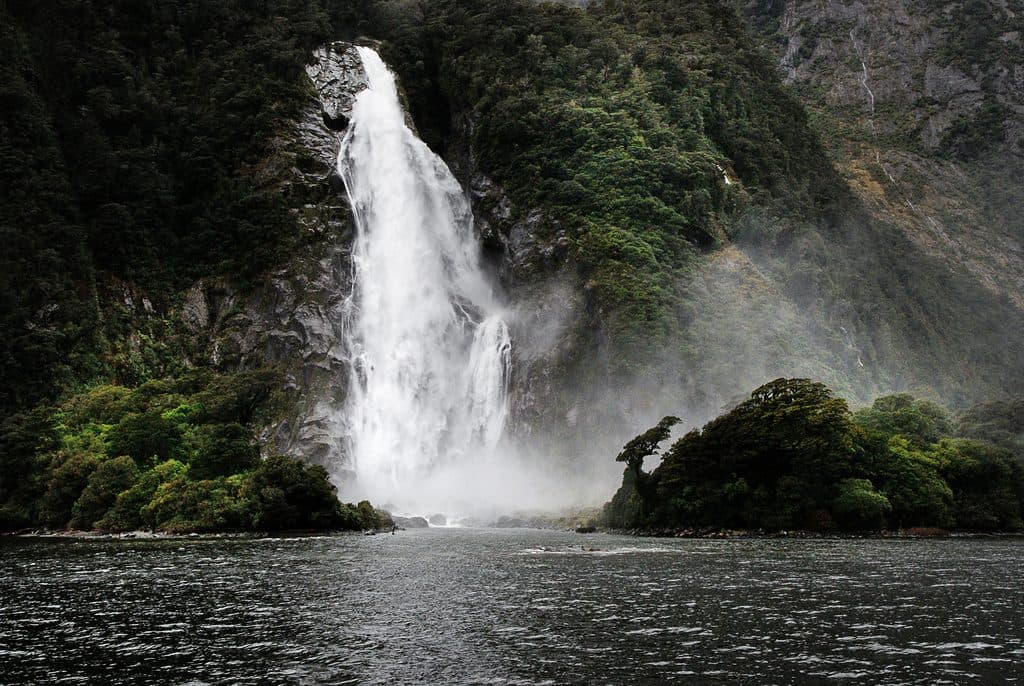
Best time to visit
There aren’t crowds or set hours here. The “best time” is simply when your permitted trip aligns with a stable weather window in Dusky Sound—plan to be flexible given the region’s heavy, changeable rainfall.

Sight · Fiordland National Park
Remote pest-free island in Dusky Sound with conservation focus
Overview
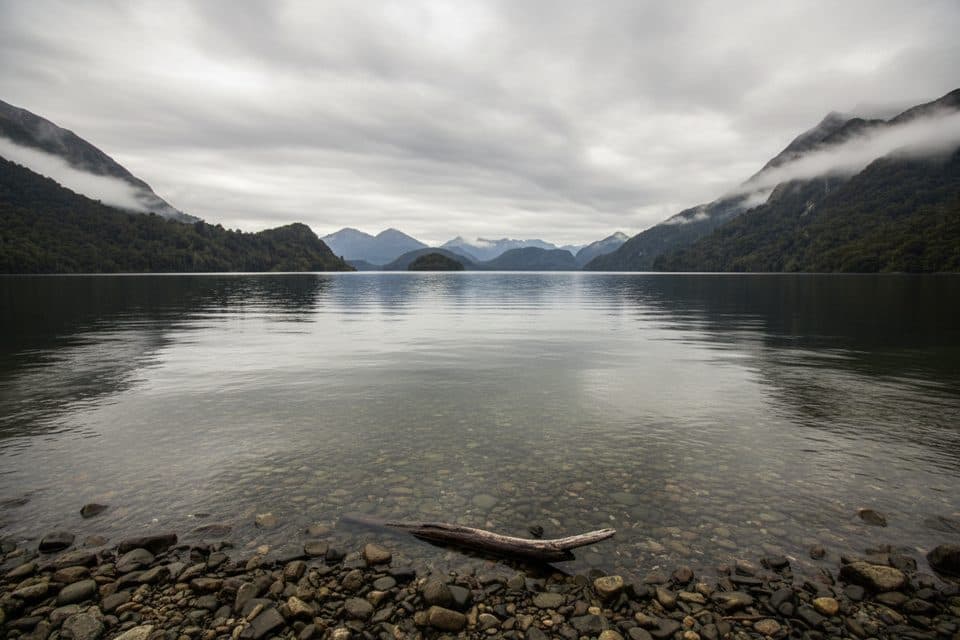
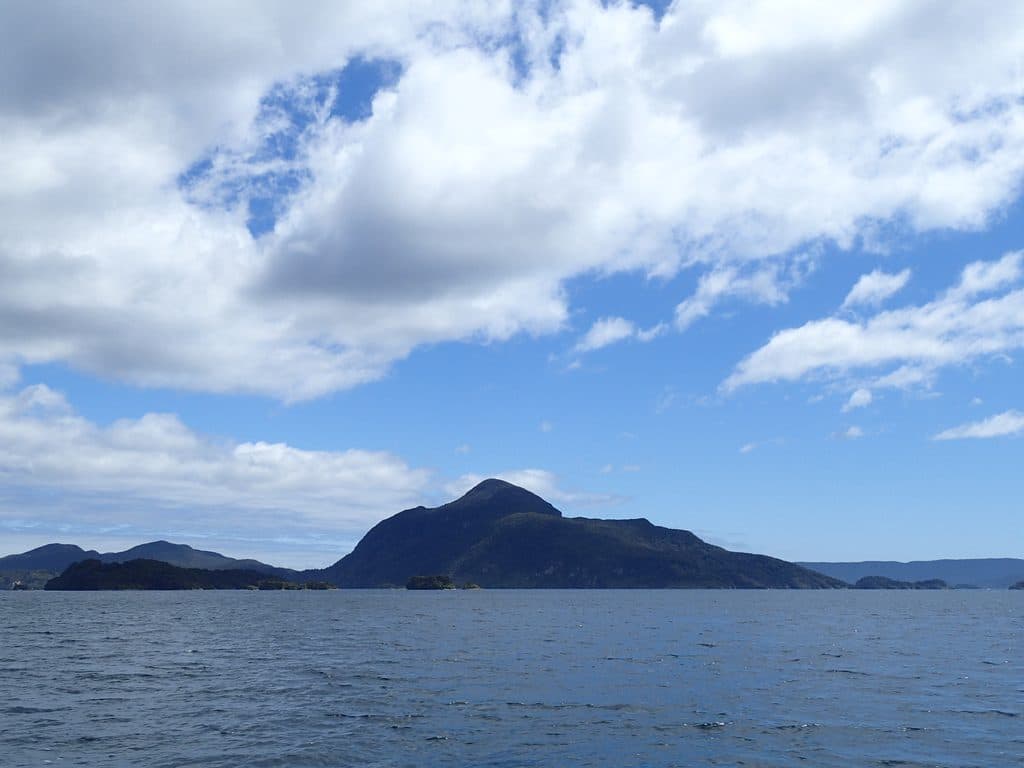
Indian Island sits deep in Dusky Sound, a remote maze of forested islands and steep coastlines. It’s wild and undeveloped—no tracks, no huts, no facilities—and typically reached only by chartered boat or expedition cruise. Expect dense native bush, rocky shores, and that classic Fiordland feeling of true isolation.
This is one of Fiordland’s few fully pest‑free islands, declared predator‑free in 2012 after eradication work that began in 1999. Its role is bigger than its size: Indian Island acts as a protective buffer for nearby Anchor Island, a critical refuge for endangered species like the kākāpō.
 Parkwolf’s verdictWhy It Matters
Map
Local know-how
Confirm permits and biosecurity requirements before planning any landing.
Access is by boat only; there are no tracks or facilities.
Bring all food, water, and safety gear—self‑sufficiency is essential.
Pack for heavy rain and rapid weather changes.
Plan your stop

The highest, rockiest slopes around here are a summer buffet for grizzly bears.
Fiordland Tour Guide
Parkwolf is a GPS audio tour guide for Fiordland National Park. As you drive, it chimes in with what’s ahead: hidden gems, upcoming stops, history, geology, and wildlife, right through your car’s speakers.
See the Fiordland audio tour“Fantastic app with many points of information… It’s great to just turn on while you’re driving and it gives you an audio tour of the national Park. We love it!!!!”


Guide
Indian Island’s pest‑free status supports native birdlife, and its buffer role helps safeguard Anchor Island’s kākāpō population. Out on the water, Dusky Sound regularly hosts bottlenose dolphins and fur seals, and penguins (including Fiordland crested penguins) are occasionally seen.
Fiordland is famous for extreme rainfall—around seven meters a year—and fast‑changing conditions. Waterproof layers and robust gear aren’t optional; they’re survival basics.
James Cook named the island in 1773 after seeing Māori in the area. The Māori name is Mamaku.
Wildlife
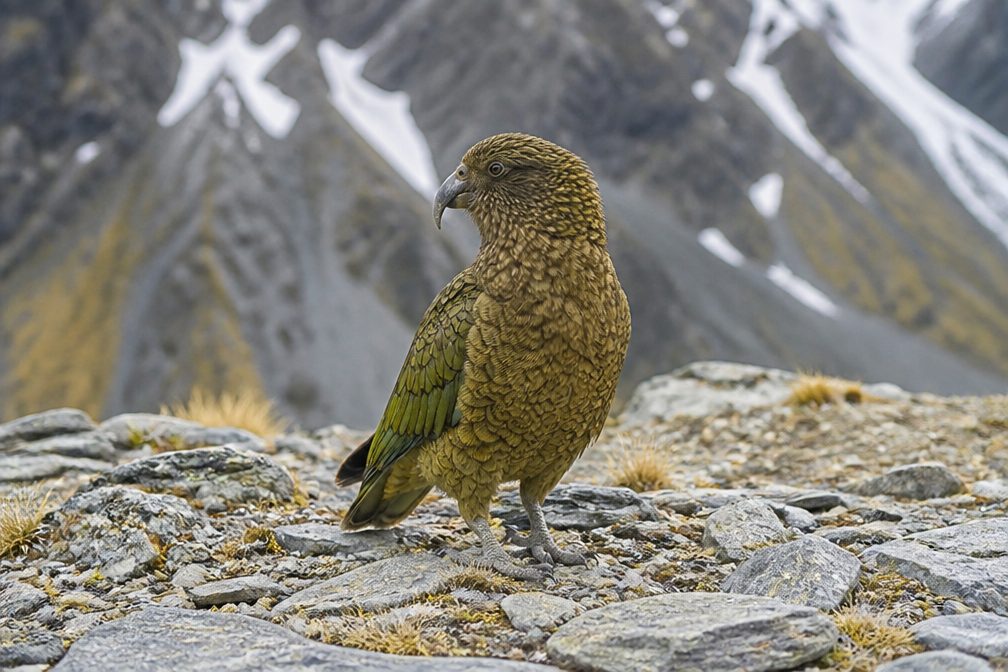 1,181 sightingsKeaMost seen around 10 AMSighting map
 199 sightingsFiordland PenguinMost seen around 7 PMSighting map
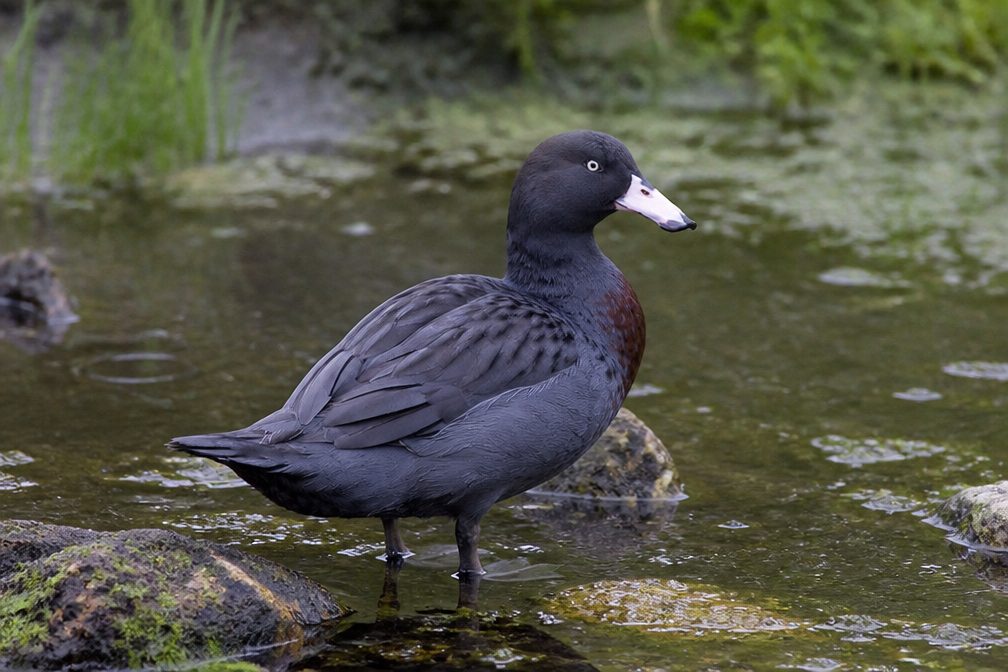 228 sightingsBlue DuckMost seen around 5 PMSighting map
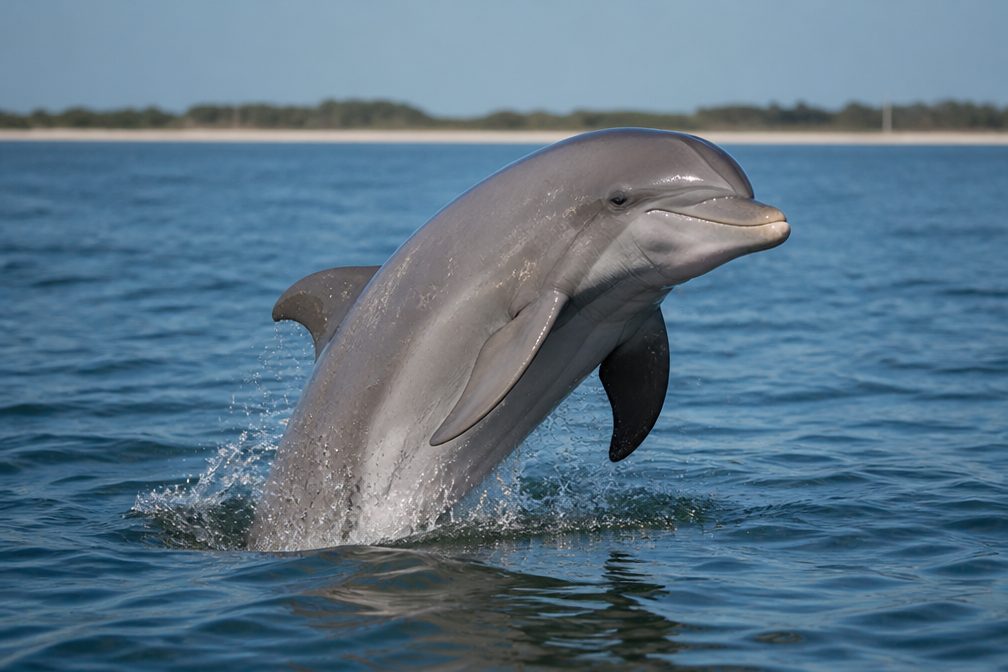 32 sightingsBottlenose DolphinMost seen around 5 PMSighting map
 247 sightingsNew Zealand Fur SealMost seen around 6 PMSighting map
 58 sightingsKākāMost seen around 6 PMSighting map
Sighting maps show where each species has been reported across Fiordland. Wildlife moves, so no sighting is guaranteed.
Keep exploring
Parkwolf’s Fiordland ranking
The audio tour guide for the drive, plus offline maps, trails, and wildlife heatmaps for when the signal drops.