Place · 2.4 mi away

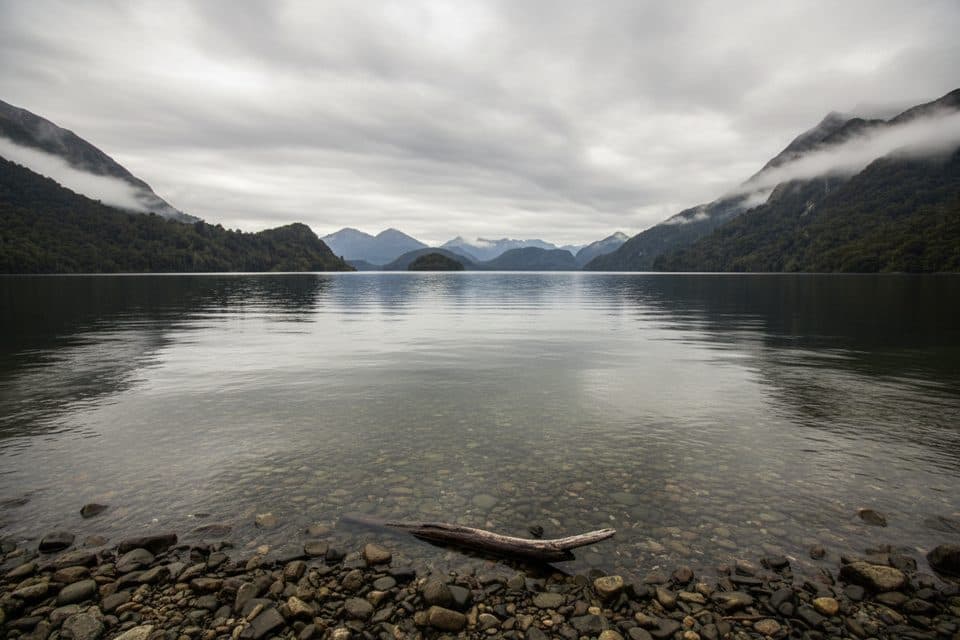
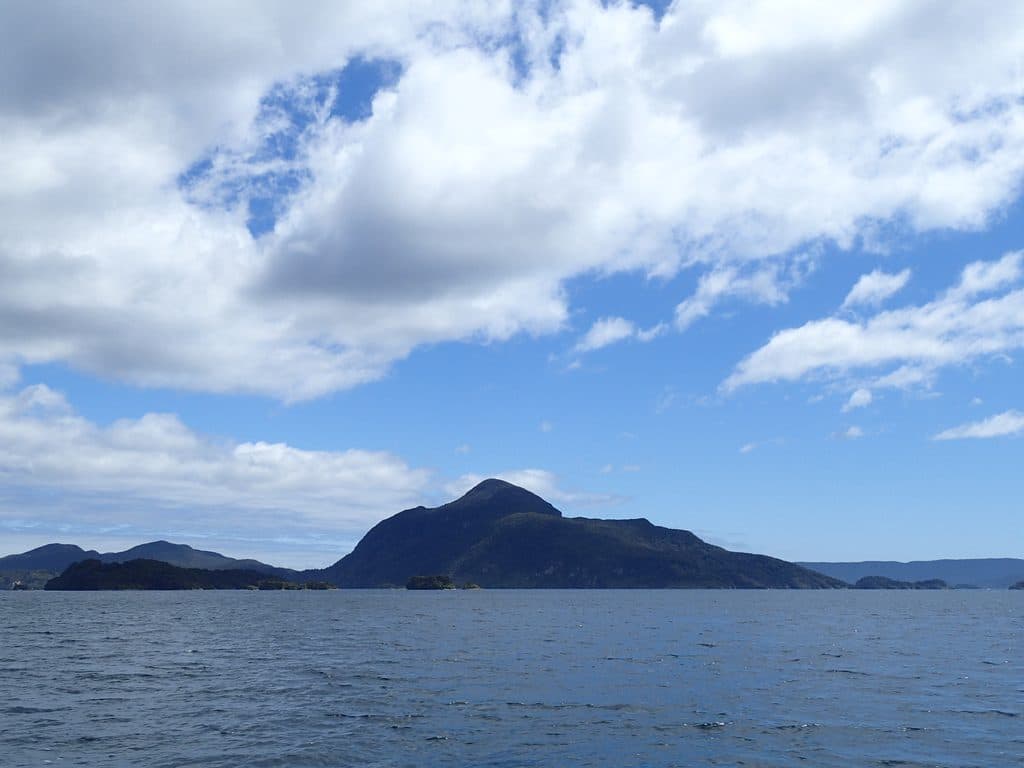
Anchor Island sits at the mouth of Dusky Sound, a wild, roadless outpost that’s all about conservation rather than casual tourism. It’s predator-free, uninhabited, and ringed by classic Fiordland scenery—steep forested ridges dropping into deep, sheltered water.
This island is one of Fiordland’s flagship wildlife sanctuaries. It’s been cleared of introduced predators and now supports translocated populations of rare species. You’re visiting a living conservation success story, not a developed attraction.
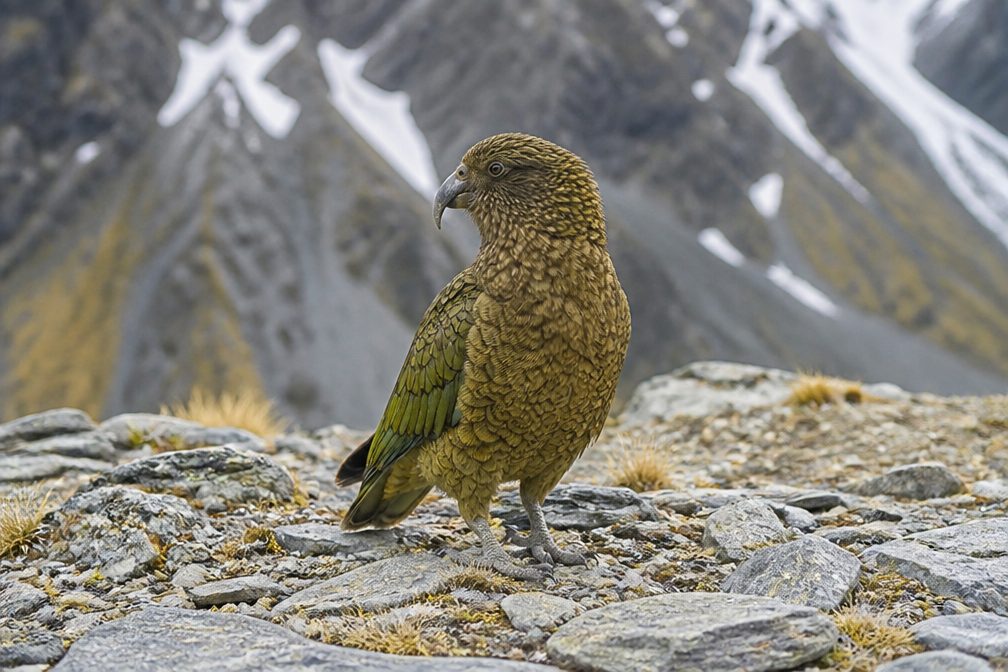
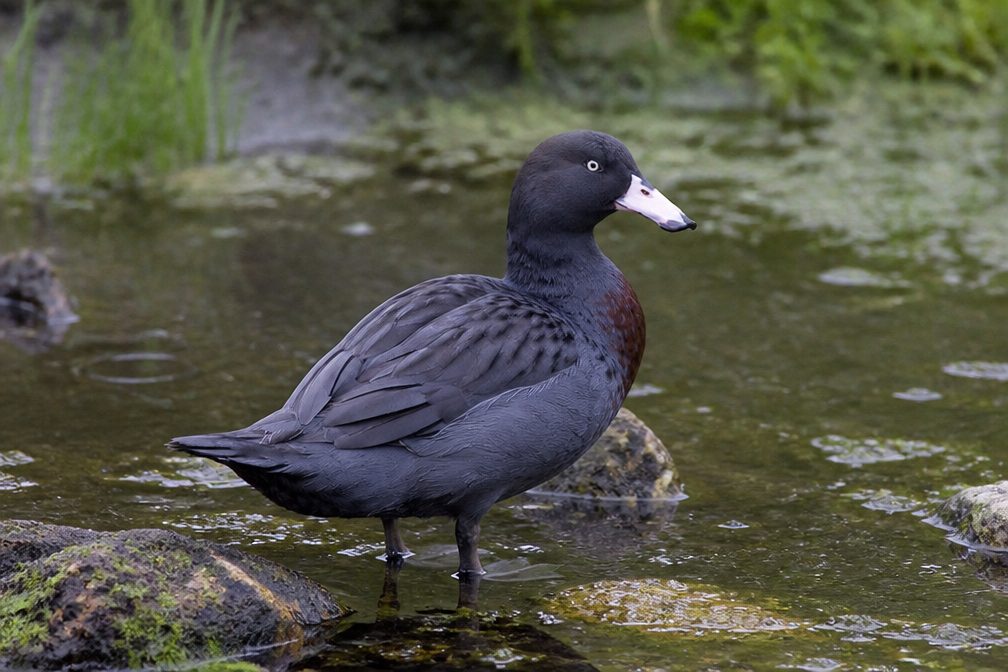
Expect native forest birdlife like mohua (yellowhead) and tīeke (saddleback) in the bush, and colonies of burrow-nesting seabirds along the coast. New Zealand fur seals often haul out around Luncheon Cove. The island also hosts carefully managed translocations such as little spotted kiwi and threatened skinks—remarkable, but not guaranteed to be seen on a short daytime landing.
There are no public facilities, trails, or roads. Access is by boat only, typically as part of a permitted expedition with a guided shore landing at Luncheon Cove. Many trips make a cross-island walk to Lake Kirirua before returning to the cove. Visits are tightly managed to protect the island’s pest-free status.
Luncheon Cove is a noted historic site, and most landings spend time here before or after the walk to the inland lake. It’s a rare combination: coastal colony activity, forest birds close at hand, and a glimpse of the area’s layered human history in a single stop.
There’s no real crowd problem here—access is limited to permitted trips. Operators sometimes land at sunrise, which can offer calmer conditions and gentle light, but timing is entirely at your skipper’s discretion and the weather’s mood. Plan flexibility into your schedule.

If you’re after Fiordland’s raw, conservation-first side, Anchor Island is a gem. It’s not for box-tickers; it’s for people happy with a guided, low-impact landing focused on wildlife, restoration, and a sense of true remoteness.