Lake Alabaster / Wāwāhi Waka

Remote Fiordland lake with hut and moody, mirror-like views
Lake Alabaster / Wāwāhi Waka, Fiordland National Park
InsideFiordland National Park

Overview

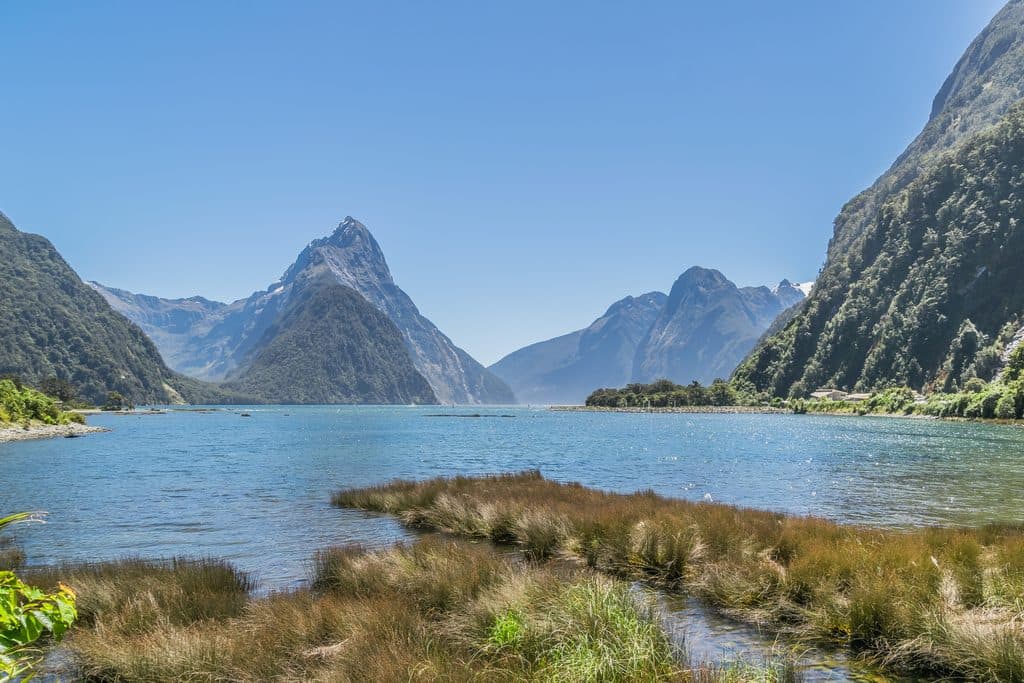
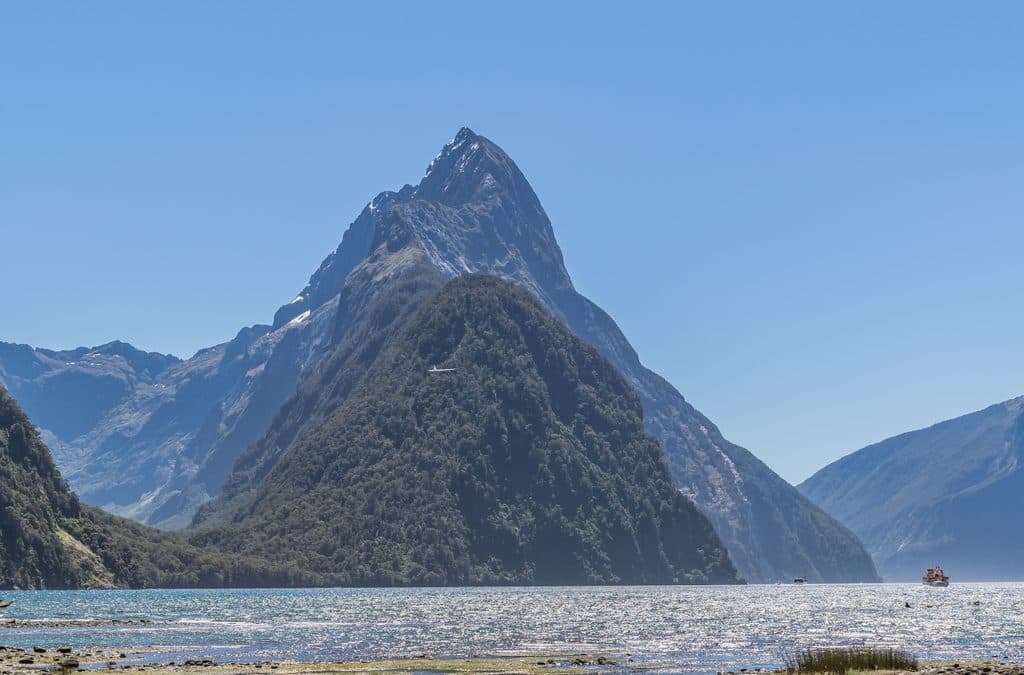
Lake Alabaster / Wāwāhi Waka is a long, narrow glacial lake tucked into the northern reaches of Fiordland. It’s a classic backcountry stop on the Hollyford Track and links to the rugged Pyke–Big Bay Route. Expect dramatic, cloud-draped mountains and dark, reflective water that feels a world away from the road system.

Why it’s special

This is Fiordland at its most atmospheric: rainforest, steep valley walls, and a sense of deep quiet. The dual name recognizes both the English and Māori heritage; Wāwāhi Waka translates to “split canoe,” a nod to the area’s cultural history.

What you’ll see

  • Mirror-still lake surfaces bordered by thick beech forest
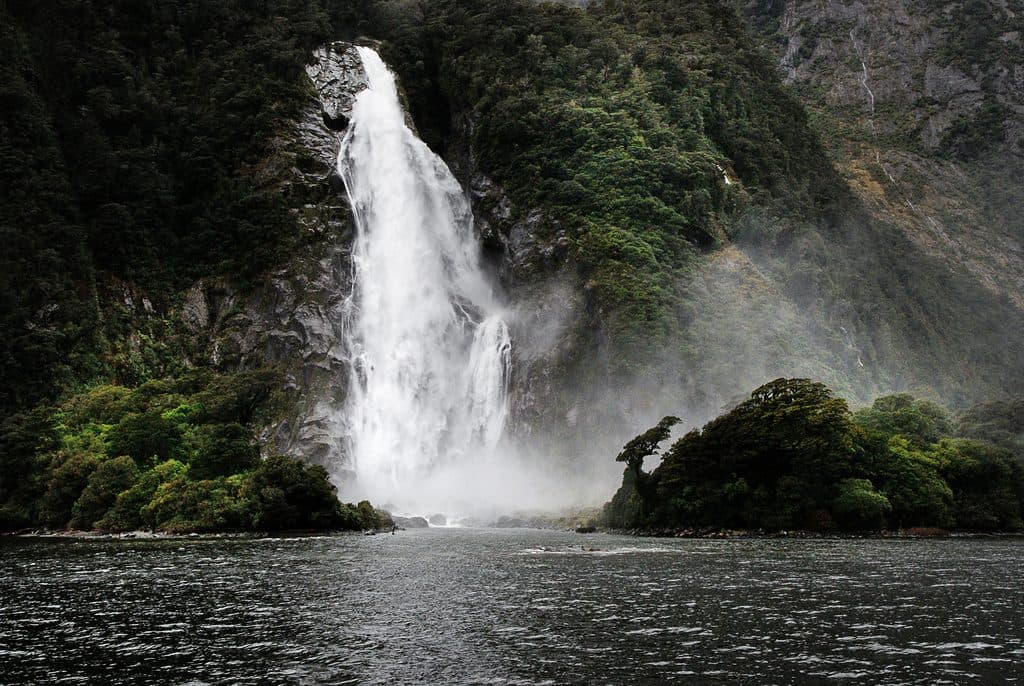
  • Small streams and waterfalls tumbling in after rain
  • Low cloud and mist rolling over the valley, adding to the mood
  • Lake Alabaster Hut on the southern shore, a key waypoint for trampers

Wildlife

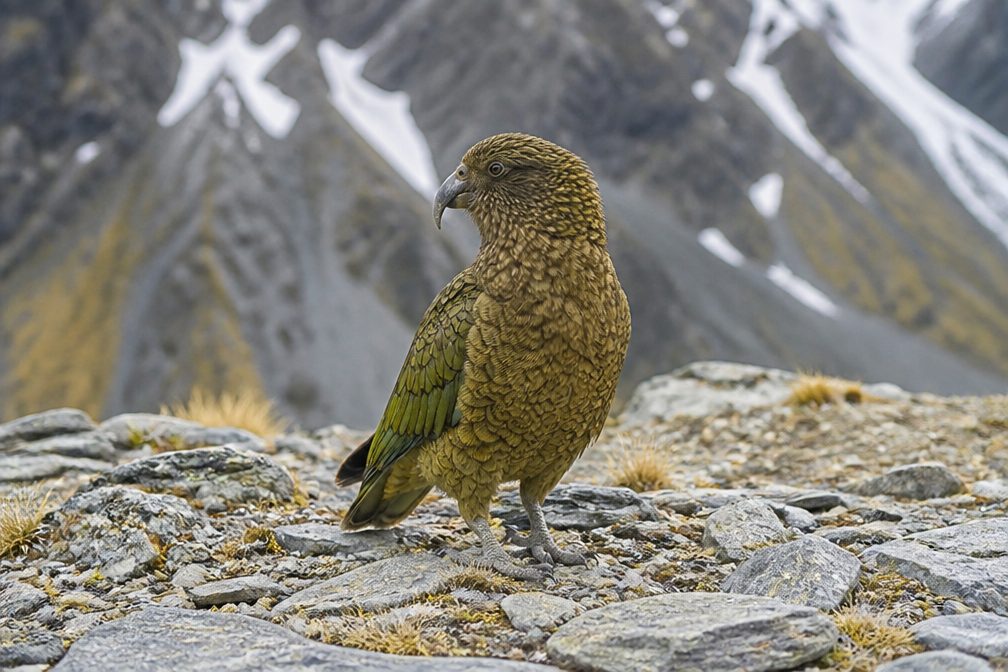
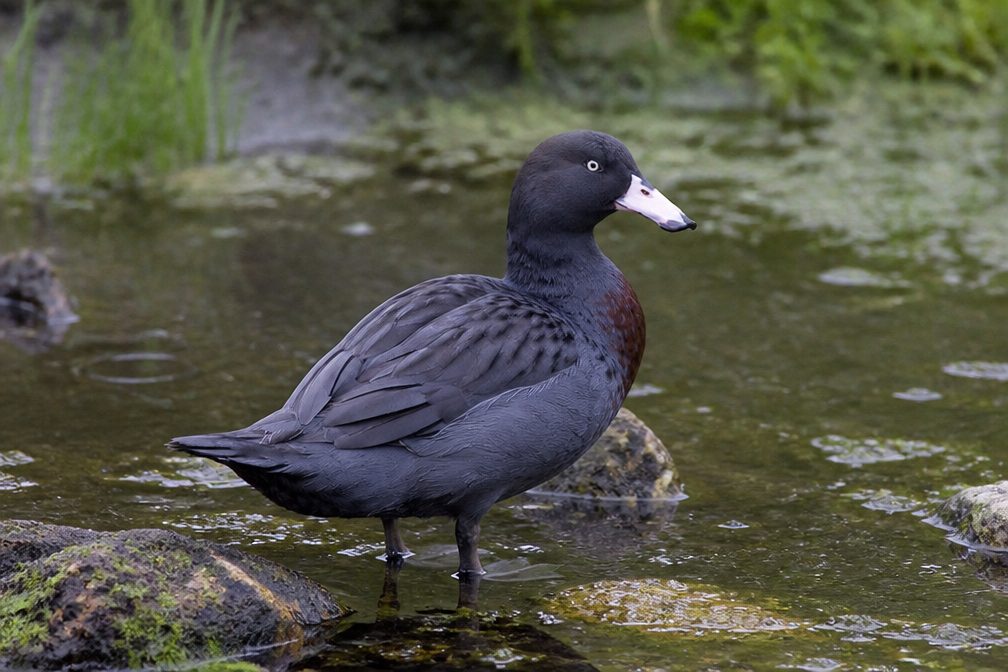
Native forest birds are a highlight—keep an eye out for tūī, bellbird, fantail, South Island robin, and kererū. Brown trout are present; if you’re angling, bring the proper permit. Night walkers sometimes talk about kiwi activity in the area.

Getting there & logistics

There’s no road access. Most people reach the lake by tramping the Hollyford Track; helicopter access is also possible. Facilities are minimal: the hut is basic, and there are no shops or services. Carry all food and gear, treat water from streams or the lake, and plan to be fully self-sufficient. Hut tickets/passes are required—book ahead in summer.

Conditions, hazards, and reality check

Fiordland is extremely wet. Tracks can be muddy, slippery, and occasionally flood. Navigation is straightforward on the main track but take extra care in poor weather and carry a PLB. Sandflies are relentless—come prepared with strong repellent and a strategy for quick hut entries and lake visits.

Geology in brief

Like many valleys here, Lake Alabaster was carved by ancient ice. The long, over-deepened basin and steep walls are classic glacial signatures.

Best time to visit

  • Summer brings the most trampers and better odds of settled weather—book huts early.
  • Shoulder seasons are quieter but still wet; come prepared.
  • Right after rain, waterfalls are lively; calm breaks deliver the best mirror reflections.

Pros

  • Remote, moody Fiordland scenery with mirror-like water and forested peaks
  • DOC’s Lake Alabaster Hut sits on the shore for overnight trampers

Cons

  • Ferocious sandflies, especially around the lake and hut
  • Tracks can be muddy and flood-prone; access is by multi-day tramp or helicopter

Tips

  • Book Lake Alabaster Hut in summer and carry the required hut pass or tickets.
  • Bring strong insect repellent and cover up—sandflies are intense here.
  • Pack full rain gear; expect mud and possible flooding on the track.
  • Carry a PLB and don’t rely on cell coverage for emergencies.
  • Treat all water from the lake or streams before drinking.
The Parkwolf tour guide sitting on a phone mounted in a car

Parkwolf Tour Guide

Like a tour guide in your car.

Save the places you found around Fiordland, then let Parkwolf guide the drive between them.Download Parkwolf on the App Store