Best time to visit
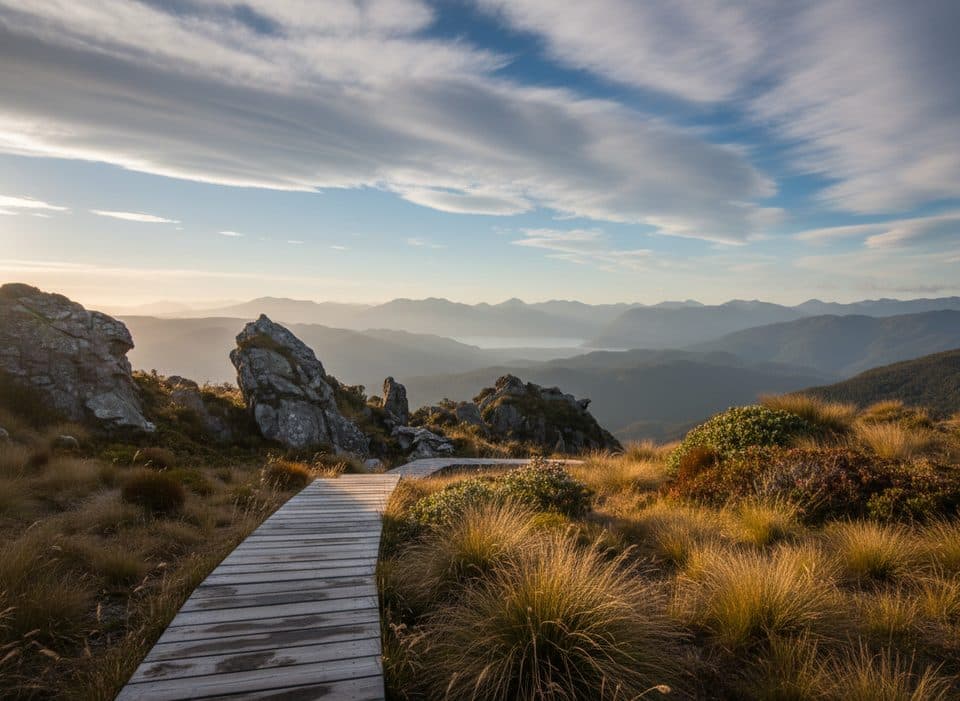
There are rarely crowds any time of year. Aim for a stable weather window for safer travel and clearer lakeside views. Early and late daylight hours give the best light across the lake; plan your walking days accordingly.
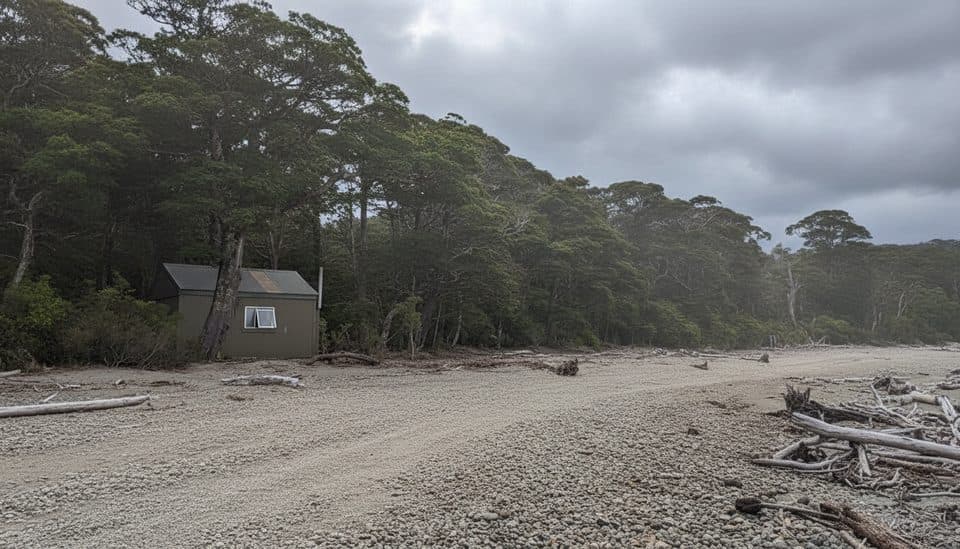
Lodging · Fiordland National Park
A tiny six-bunk hut on a vast, rarely visited Fiordland lake
Overview
Lake Poteriteri Hut is a tiny, standard six-bunk DOC hut tucked right on the shore of one of the park’s most remote lakes. It’s pure Fiordland solitude: no road access, minimal facilities, and miles of lowland forest between you and the nearest trailhead.
If you crave deep wilderness, silence, and a true off-grid hut night, this delivers. If you want easy access, amenities, or certainty of space, look elsewhere—this is a remote outpost for experienced trampers and hunters.
 Parkwolf’s verdictWho will love it (and who won’t)
Map
Local know-how
Carry DOC hut tickets or a Backcountry Hut Pass; space is first-come.
Bring a stove and fuel—don’t rely on any cooking facilities being present.
Treat or boil all hut water before drinking.
Expect slow, wet travel on the Poteriteri Track; take maps and GPS.
Sandflies can be intense by the lake; strong repellent and long sleeves help.
Plan your stop
The highest, rockiest slopes around here are a summer buffet for grizzly bears.
Fiordland Tour Guide
Parkwolf is a GPS audio tour guide for Fiordland National Park. As you drive, it chimes in with what’s ahead: hidden gems, upcoming stops, history, geology, and wildlife, right through your car’s speakers.
See the Fiordland audio tour“Fantastic app with many points of information… It’s great to just turn on while you’re driving and it gives you an audio tour of the national Park. We love it!!!!”


Guide
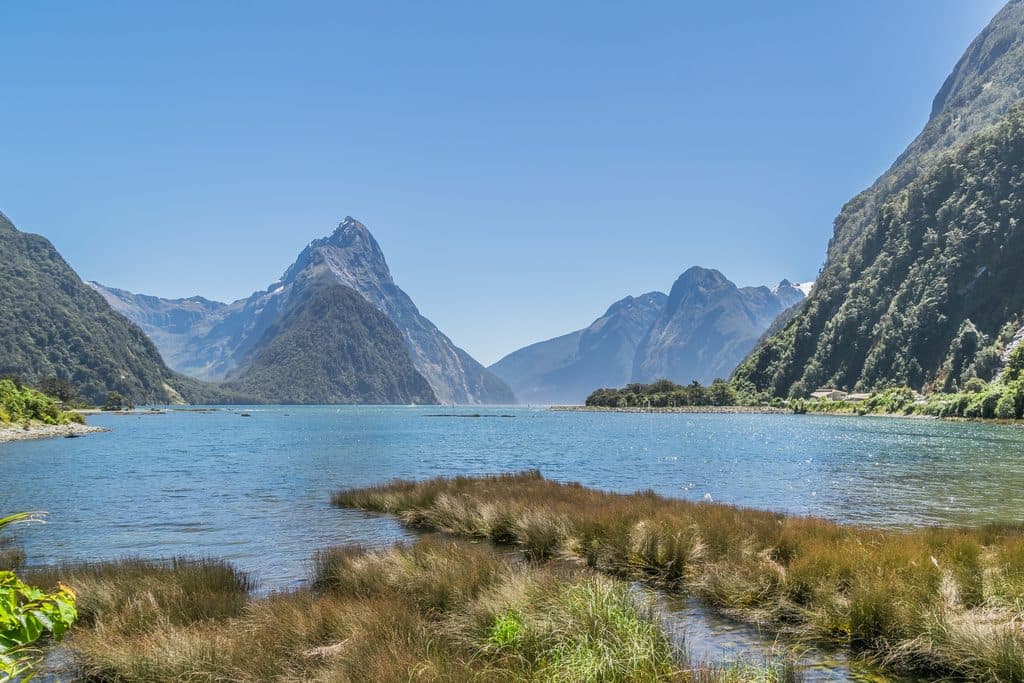
The hut sits at the water’s edge with expansive lake and hill views. Expect a classic backcountry vibe—mattresses, a basic water supply, and a toilet. It’s first-come, first-served and paid with DOC hut tickets or a Backcountry Hut Pass. Don’t expect cooking gear or electricity; bring everything you need and plan for Fiordland’s famously fickle weather.
You’re moving through classic Fiordland lowland forest around a vast, seldom-visited lake. Birdlife is present, but the draw here is the sheer sense of space and isolation rather than specific wildlife encounters.
As a standard hut, expect mattresses, a water supply, and a toilet. Heating and cooking facilities aren’t specified—pack your own stove and fuel. Treat or boil water. Carry extra food and emergency gear; weather can turn quickly and tracks can be slow after storms.
Wildlife
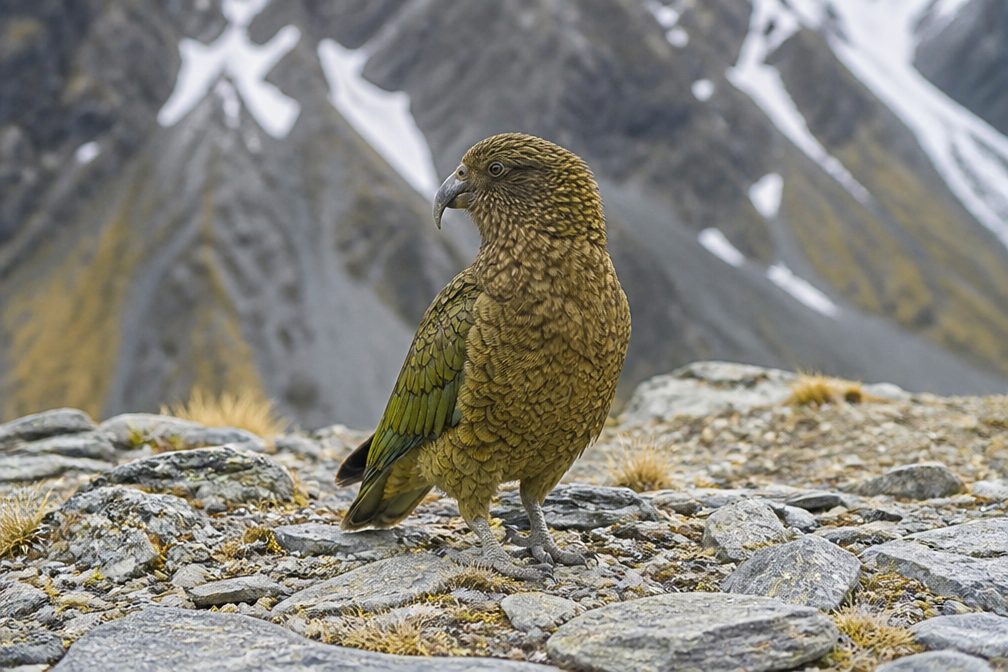 1,181 sightingsKeaMost seen around 10 AMSighting map
 199 sightingsFiordland PenguinMost seen around 7 PMSighting map
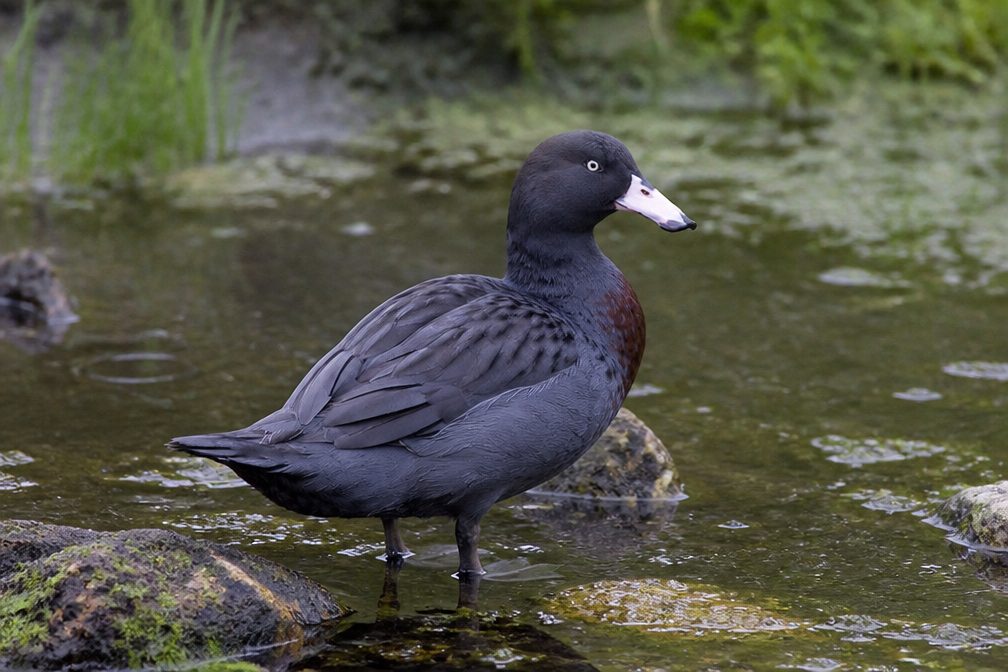 228 sightingsBlue DuckMost seen around 5 PMSighting map
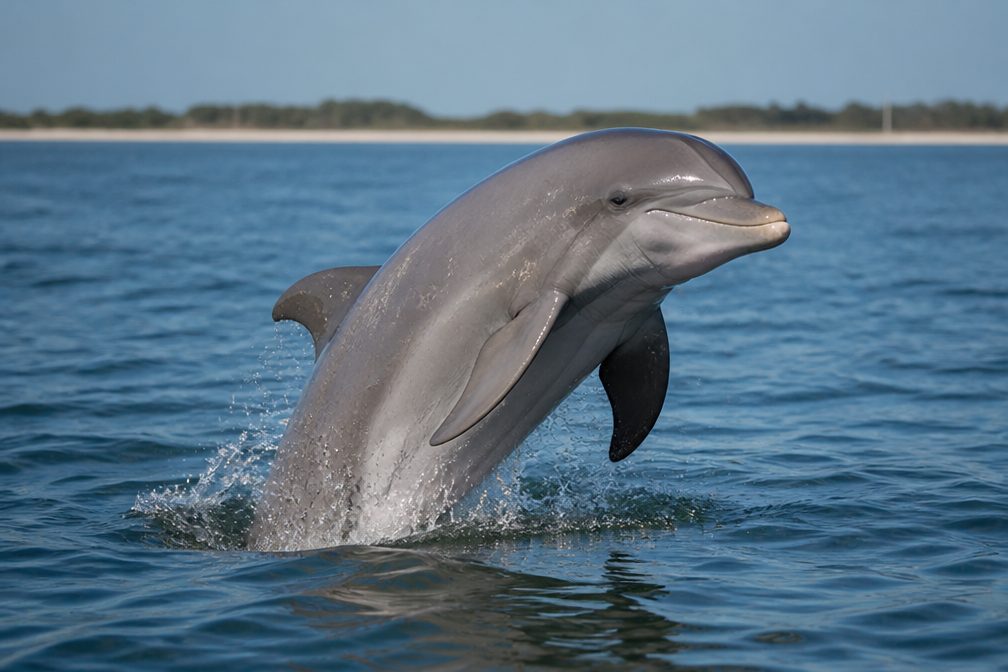 32 sightingsBottlenose DolphinMost seen around 5 PMSighting map
 247 sightingsNew Zealand Fur SealMost seen around 6 PMSighting map
 58 sightingsKākāMost seen around 6 PMSighting map
Sighting maps show where each species has been reported across Fiordland. Wildlife moves, so no sighting is guaranteed.
Keep exploring
Parkwolf’s Fiordland ranking
The audio tour guide for the drive, plus offline maps, trails, and wildlife heatmaps for when the signal drops.