Tamatea / Dusky Sound

Remote maze of islands, wildlife, and history by boat only
Tamatea / Dusky Sound, Fiordland National Park
InsideFiordland National Park

Overview

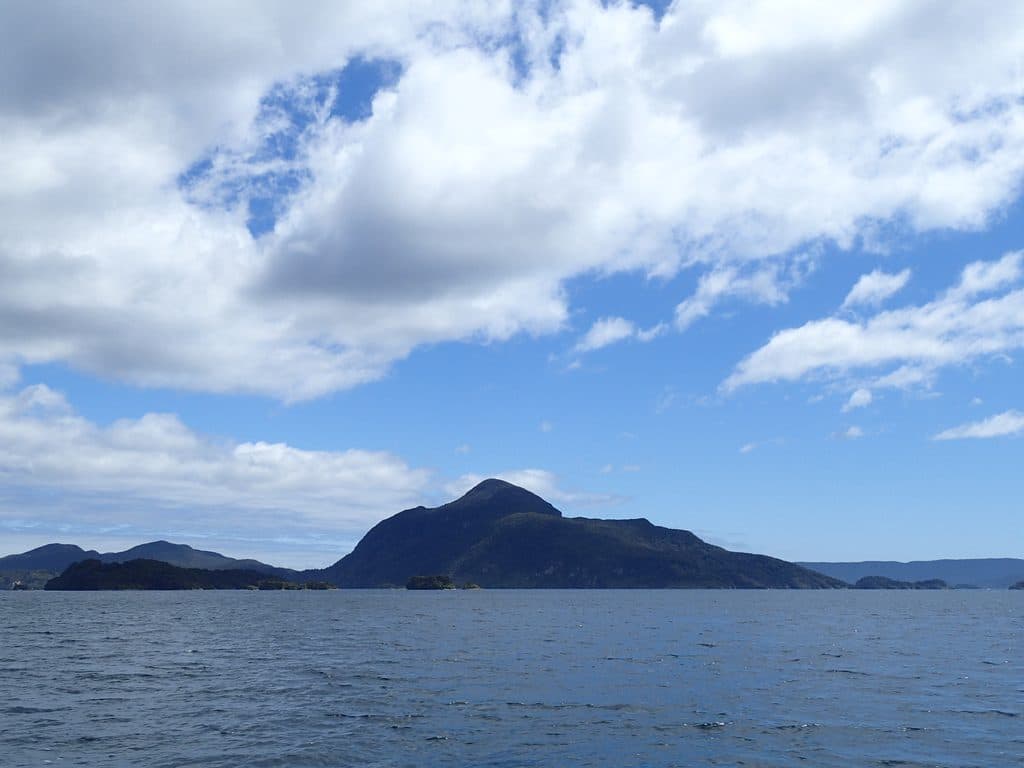
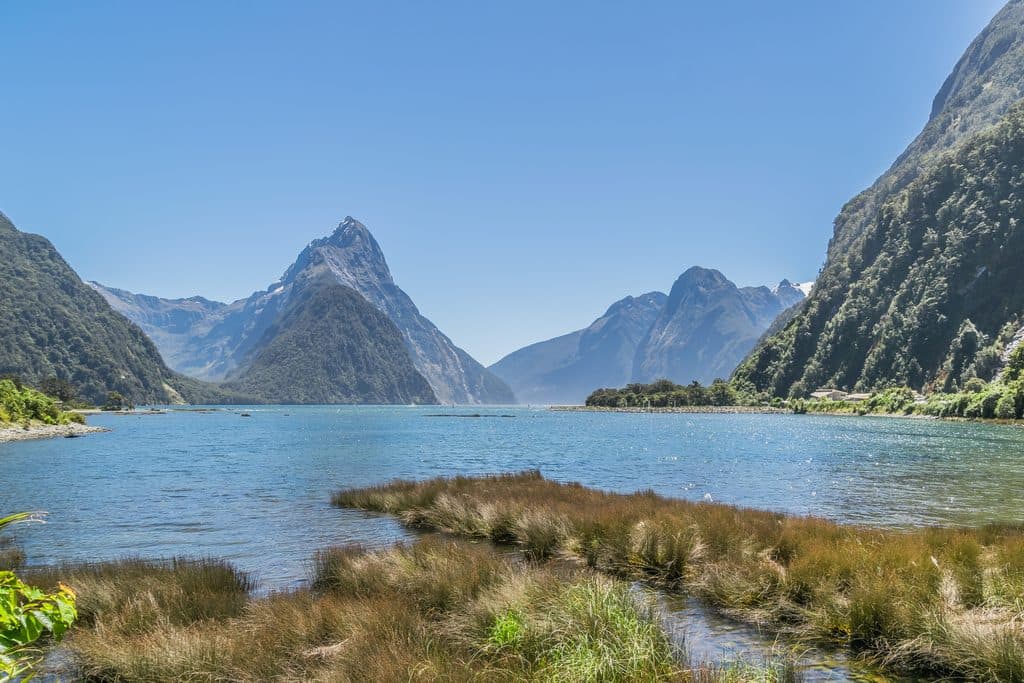
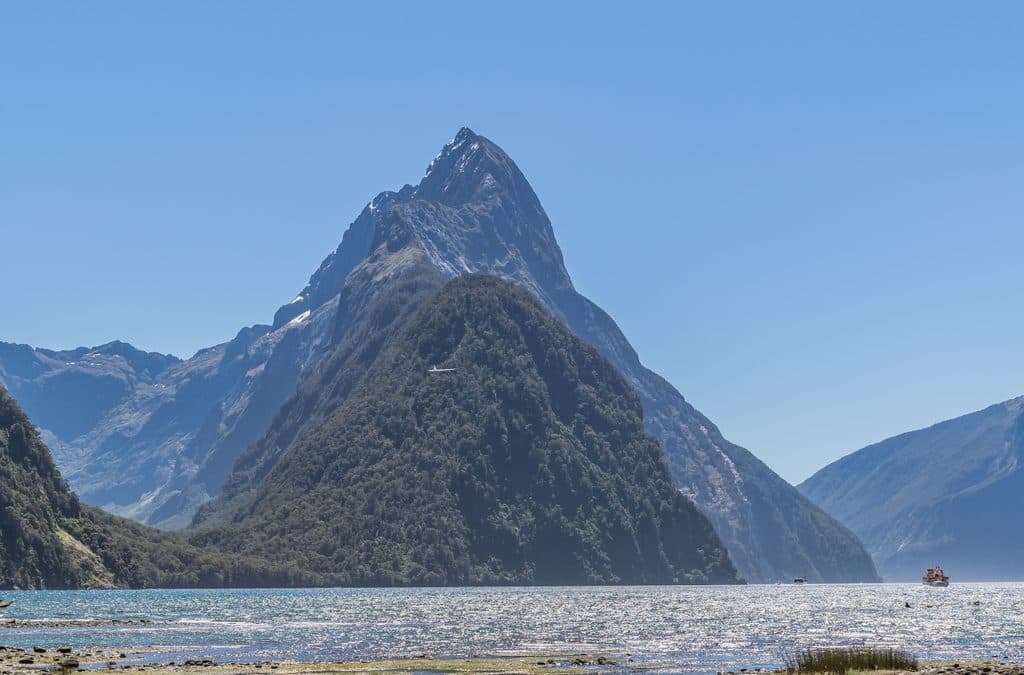
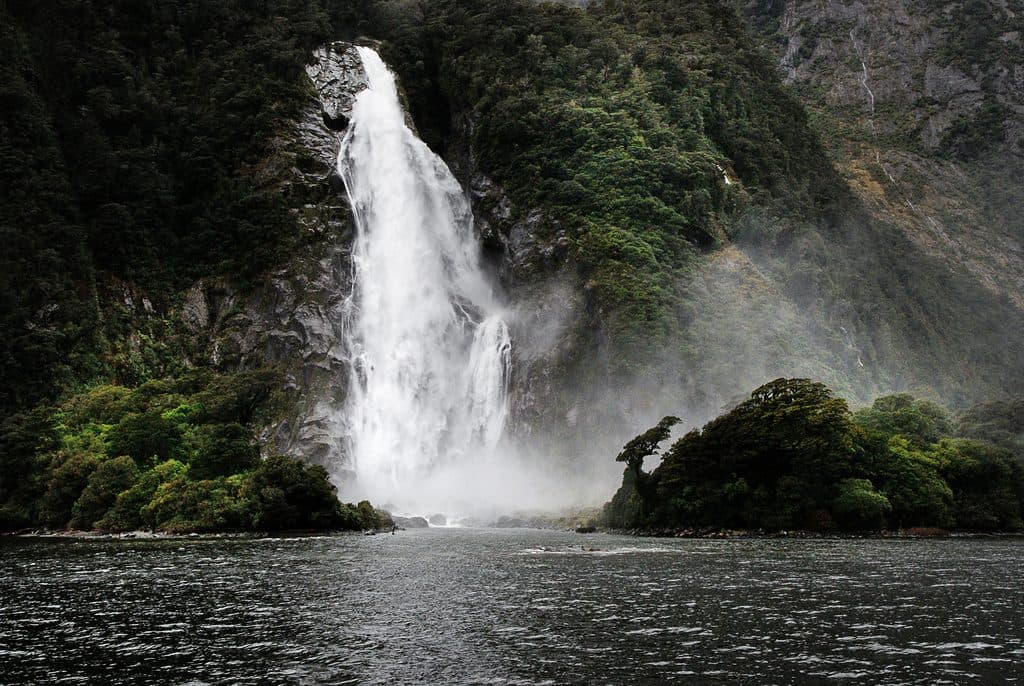
Tamatea / Dusky Sound is Fiordland at its wildest: a 40‑km‑long, island‑studded fiord carved by ice, ringed by steep, forested mountains, and almost entirely free of human footprint. It’s one of the most remote corners of the park—no roads, no towns, just deep water, dense bush, and over 700 islands.

What Makes It Special

Isolation has protected Dusky’s ecosystems. Many islands are pest‑free, acting as a living "bio bank" for endangered species. Two marine reserves—Taumoana/Five Fingers and Moana Uta/Wet Jacket Arm—safeguard rich underwater life. It’s also thick with stories: from Māori voyaging and inter‑iwi encounters to Captain Cook’s visits and the work of early conservationists.

Getting There

There’s no drive‑in option. Most visitors come on multi‑day live‑aboard boat trips or fly by helicopter to link up with vessels. A handful reach the head of the sound on foot via the rugged Dusky Track.

What You’ll See

Expect a constantly changing seascape of channels and coves—Cook Channel, Cascade Cove, Pickersgill Harbour, Bowen Channel—threading between Anchor, Indian, Long, and the massive Resolution Island. The head of the sound sits beneath Mount Solitary’s steep walls. On water, it’s a dreamy labyrinth; every turn feels like a new scene.

Wildlife

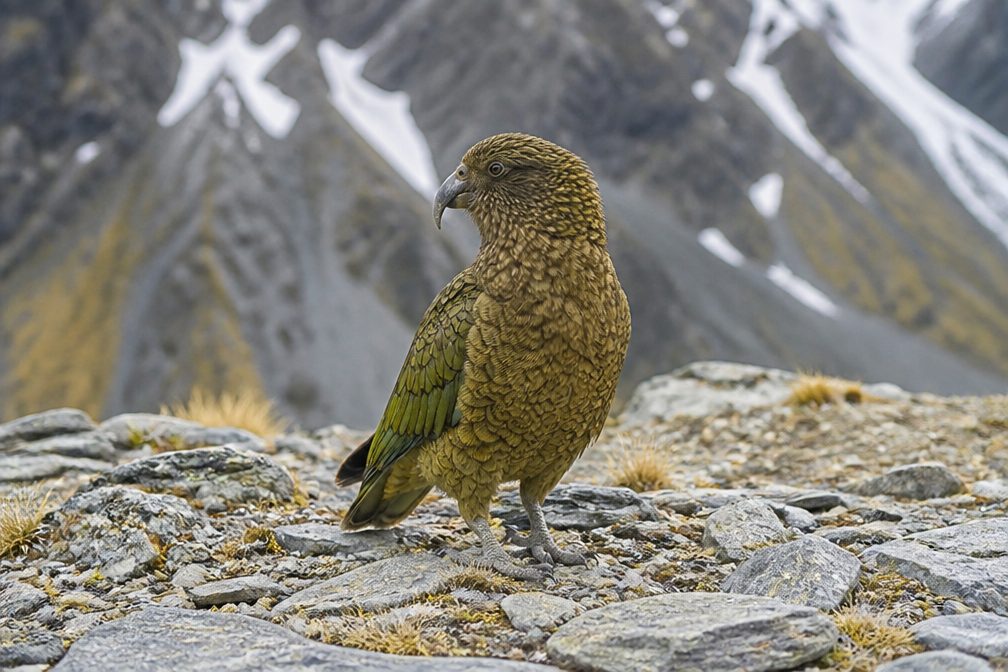
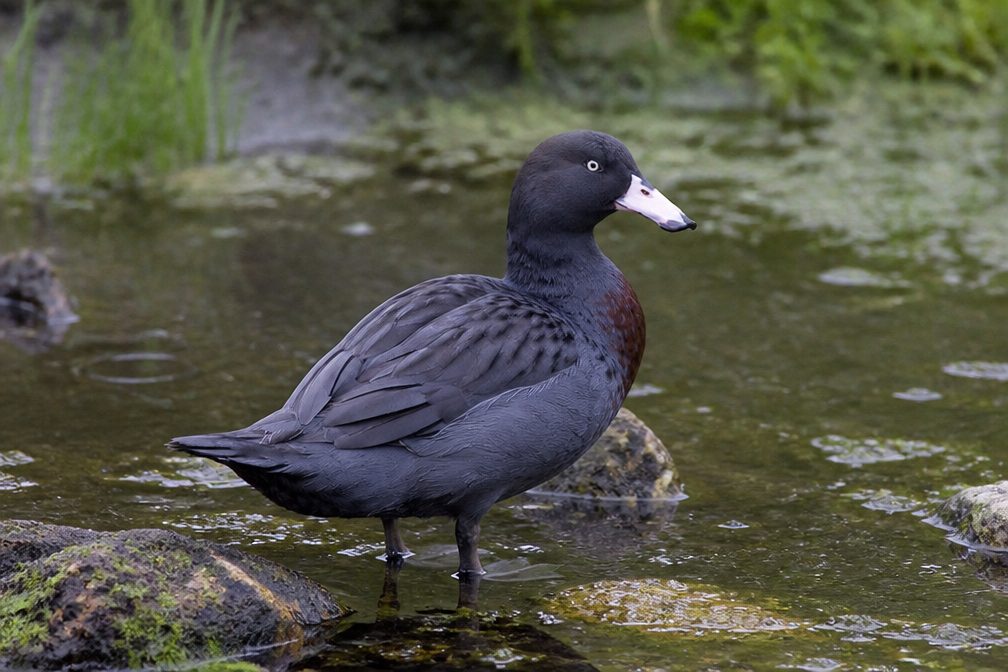
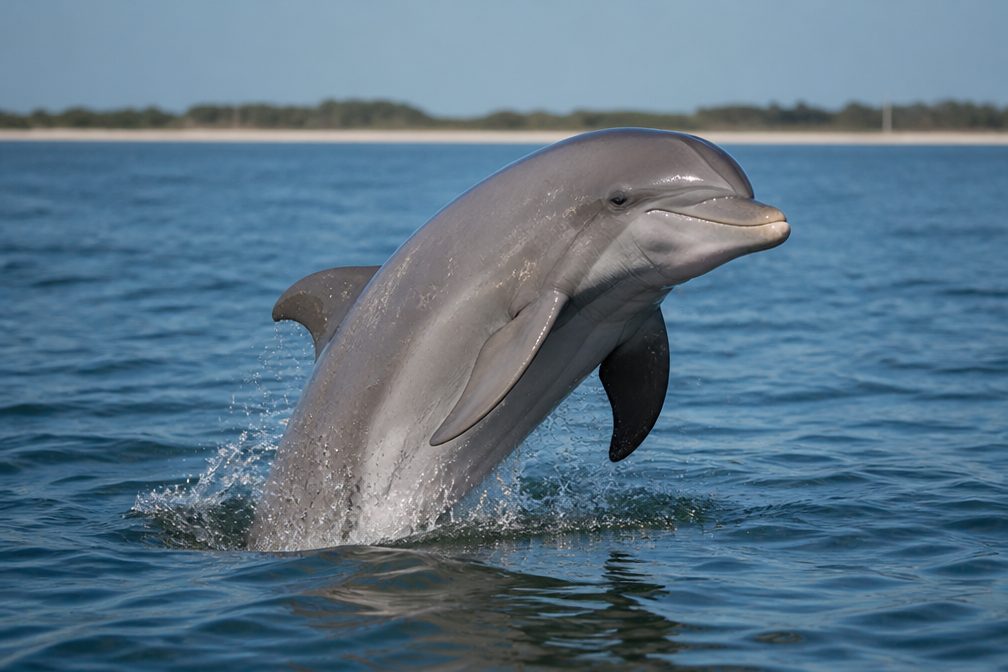
This is prime habitat for rare birds on predator‑free islands—think kākāpō, kiwi, mōhua, tīeke, and parakeets. On the water, dolphins and seals are regulars. Field notes also confirm tawaki / Fiordland crested penguins inside the sound. Reptiles like skinks and geckos persist here thanks to the absence of pests.

History & Culture

The Māori name Tamatea anchors the fiord to deep tradition; these coasts hold significant Kāti Māmoe and Kāi Tahu histories. European exploration left marks too—Cook named features here, artists romanticised it, and the area later hosted New Zealand’s first sealing station and bird sanctuary, with conservation pioneer Richard Henry working nearby.

On‑Foot Access: Dusky Track

For trampers, the Dusky Track terminates at Supper Cove at the head of the sound (the track’s trailhead is far away at Lake Hauroko). Expect true backcountry conditions; huts provide basic shelter and long‑drop toilets, but nothing more.

Know Before You Go

  • Remoteness is the point: there are no shops, fuel, or cell service. Bring everything you need.
  • Weather flips quickly. Fiordland is famous for heavy rain, fog, and sandflies—plan for it.
  • Most experiences are boat‑based; operators often include guided shore landings for wildlife and history.

Best Time to Visit

There are no real "crowds" here. Go when a solid weather window opens and your boat or helicopter operator can run. Early and late in the day bring softer light on the water; fog can be atmospheric but may limit views. Spring to summer often aligns with more field activity and wildlife observations, but conditions are changeable year‑round.


Pros

  • Pristine, little‑visited wilderness with true solitude
  • Exceptional wildlife, including rare birds and marine life
  • Layered Māori and exploration history across islands and coves

Cons

  • Hard and expensive to reach (boat, helicopter, or multi‑day trek)
  • Wild weather and sandflies; no on‑land services

Tips

  • Most visitors come via multi‑day live‑aboard charter or helicopter; book well ahead.
  • Pack insect repellent and full waterproof layers—Fiordland gets serious rain.
  • If tramping the Dusky Track, note it reaches Supper Cove; the trailhead is at Lake Hauroko, not in the sound.
  • Carry all supplies; there are no shops, fuel, or cell service anywhere in the sound.
  • For wildlife, join guided landings on pest‑free islands and keep respectful distances from penguins, dolphins, and seals.
The Parkwolf tour guide sitting on a phone mounted in a car

Parkwolf Tour Guide

Like a tour guide in your car.

Save the places you found around Fiordland, then let Parkwolf guide the drive between them.Download Parkwolf on the App Store