Thompson Sound / Te Awa-o-Tū

Remote, moody fiord of rainforest, waterfalls, and wildlife
Thompson Sound / Te Awa-o-Tū, Fiordland National Park
InsideFiordland National Park

Overview

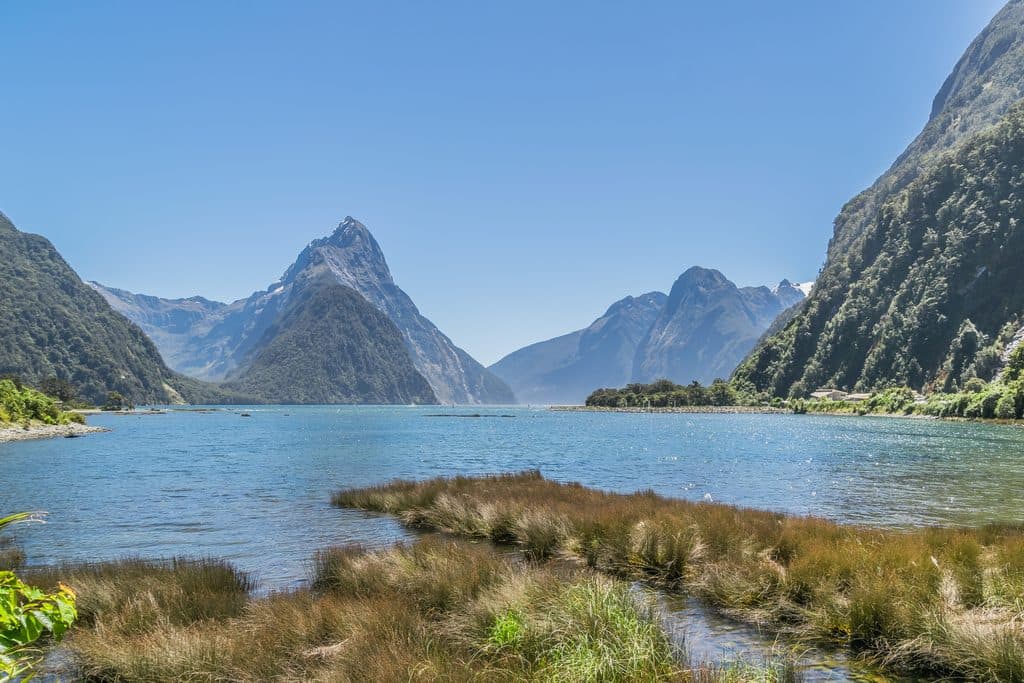
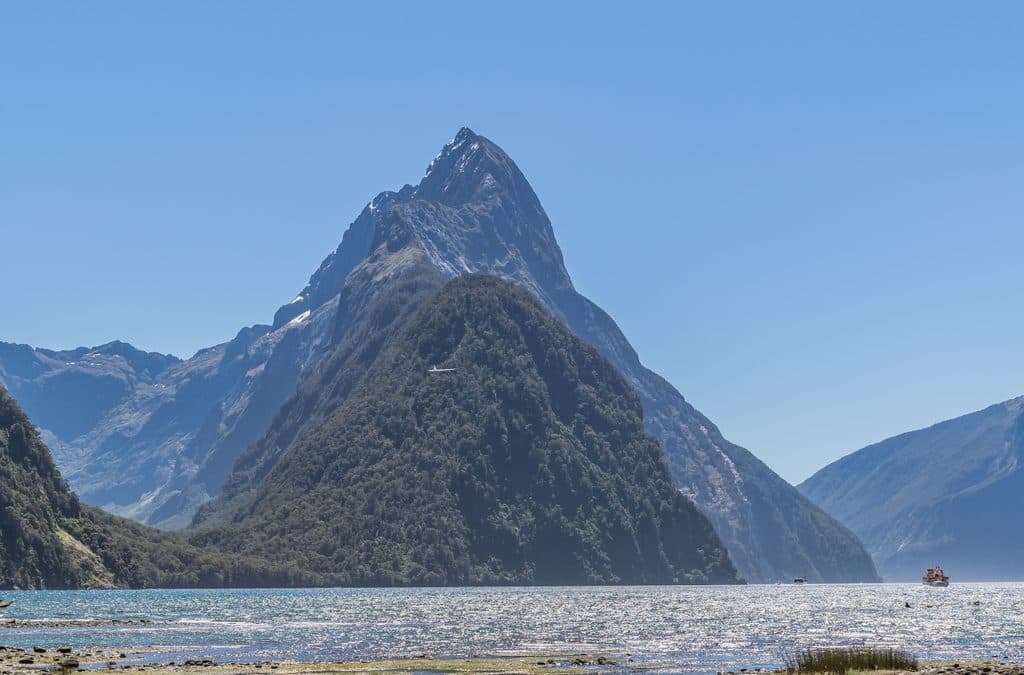
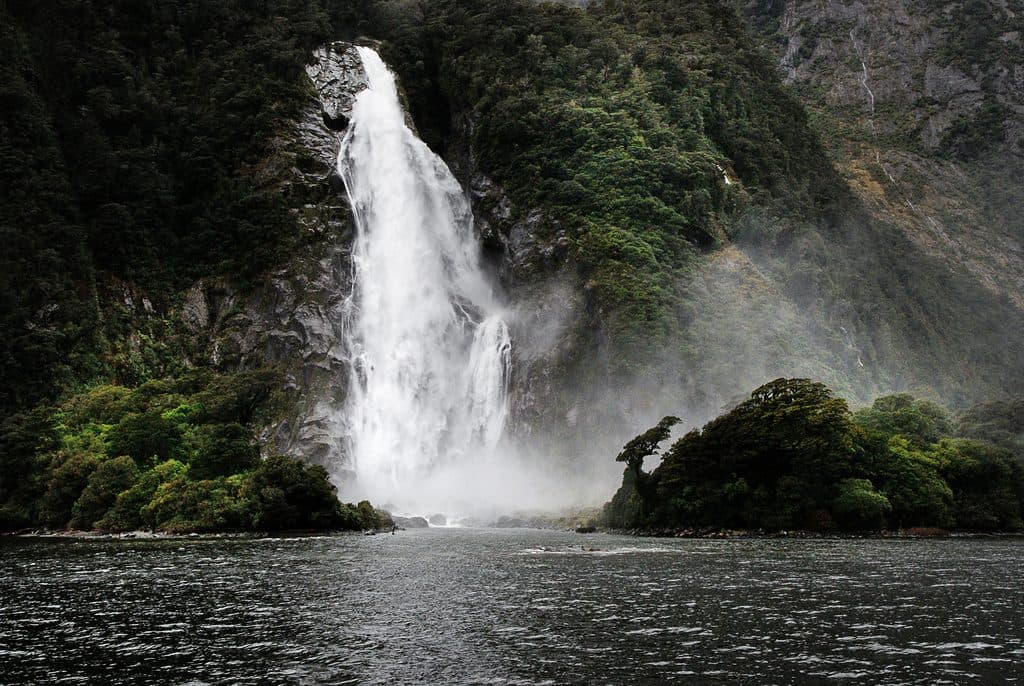
Thompson Sound / Te Awa-o-Tū is a deep, glacial fiord in the heart of Fiordland’s World Heritage wilderness. Sheer, forested mountains plunge straight into the water, waterfalls stitch the cliffs, and moody weather turns the place cinematic. It’s far less visited than Milford, so you get the solitude that Fiordland is famous for.

What You’ll See

Expect classic fiordlandscapes: steep, rocky walls draped in temperate rainforest, with cloud layers weaving through the peaks. Secretary Island flanks part of the sound, and views stretch toward nearby Doubtful Sound. Patches of wild beach exist in places, with native vegetation on the dunes.

Wildlife

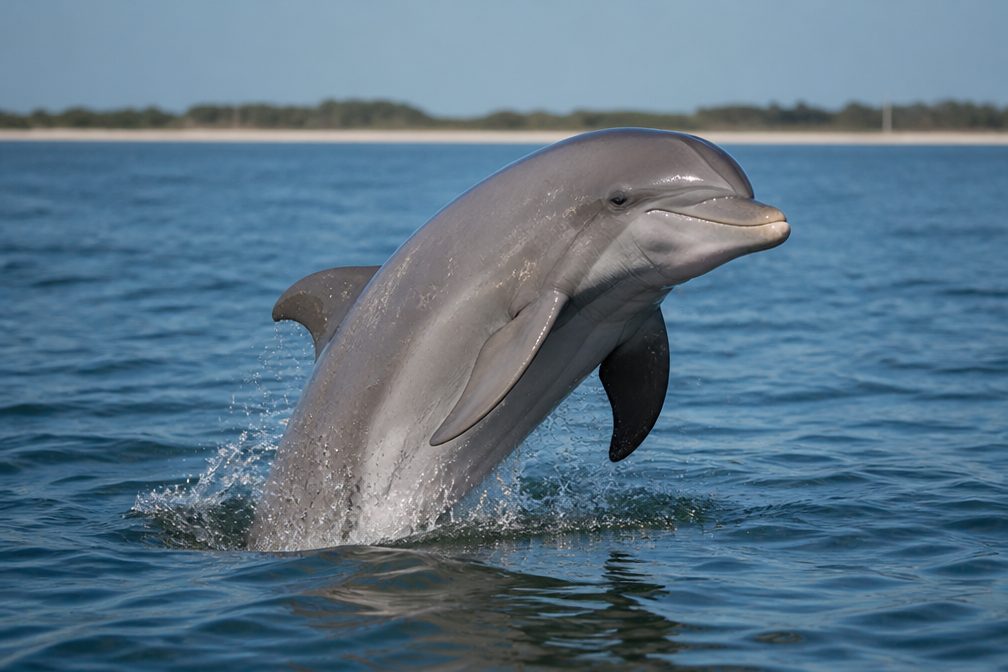
Out on the water, dolphins (including bottlenose) and seals are often seen, and whales have been reported returning in recent years. Around landing spots, native forest and alpine birds add to the sense of untouched nature.

Access and Experience

There are no roads, towns, or built facilities here—visits are by boat (eco-cruises or charters) or occasionally by air. Some trips also combine Thompson with Doubtful and Bradshaw Sounds. This is true wilderness: the lack of infrastructure is part of the appeal.

History & Geology

This is a classic glacially carved fiord cut by ancient ice and now flooded by the sea, with hard, ancient metamorphic rock forming those dramatic walls. The sound was named in the early 1800s by sealer John Grono, and later explorers—including Cook—passed through the region. Conservation has since taken precedence over extractive history.

Planning Essentials

  • It’s one of the wettest corners of the planet—bring serious rain gear, warm layers, and dry bags.
  • Sandflies can be intense at landing points; pack strong insect repellent.
  • There are no services; bring all essentials and confirm what your operator supplies.
  • Binoculars and a zoom lens make a big difference for wildlife and waterfalls.

Best Time to Visit

There’s no bad season if you’re game for Fiordland weather. Clear windows deliver crisp mountain views; stormy spells create the brooding atmosphere and turbocharge the waterfalls. Crowds aren’t the concern here—remoteness keeps numbers low year-round—so plan around weather and operator schedules rather than specific days.

Pros

  • Remote, unspoiled fiord scenery
  • Frequent wildlife encounters on the water

Cons

  • No road access or onshore facilities
  • Very wet, sandflies can be bothersome

Tips

  • Bring robust rain gear, warm layers, and dry bags—expect serious wet weather.
  • Pack insect repellent; sandflies can be fierce at any landing spot.
  • Book a cruise or charter that specifically includes Thompson Sound.
  • Carry binoculars and a zoom lens for dolphins, seals, and distant waterfalls.
  • Confirm with your operator what’s provided and bring all essentials—there are no shops or facilities.
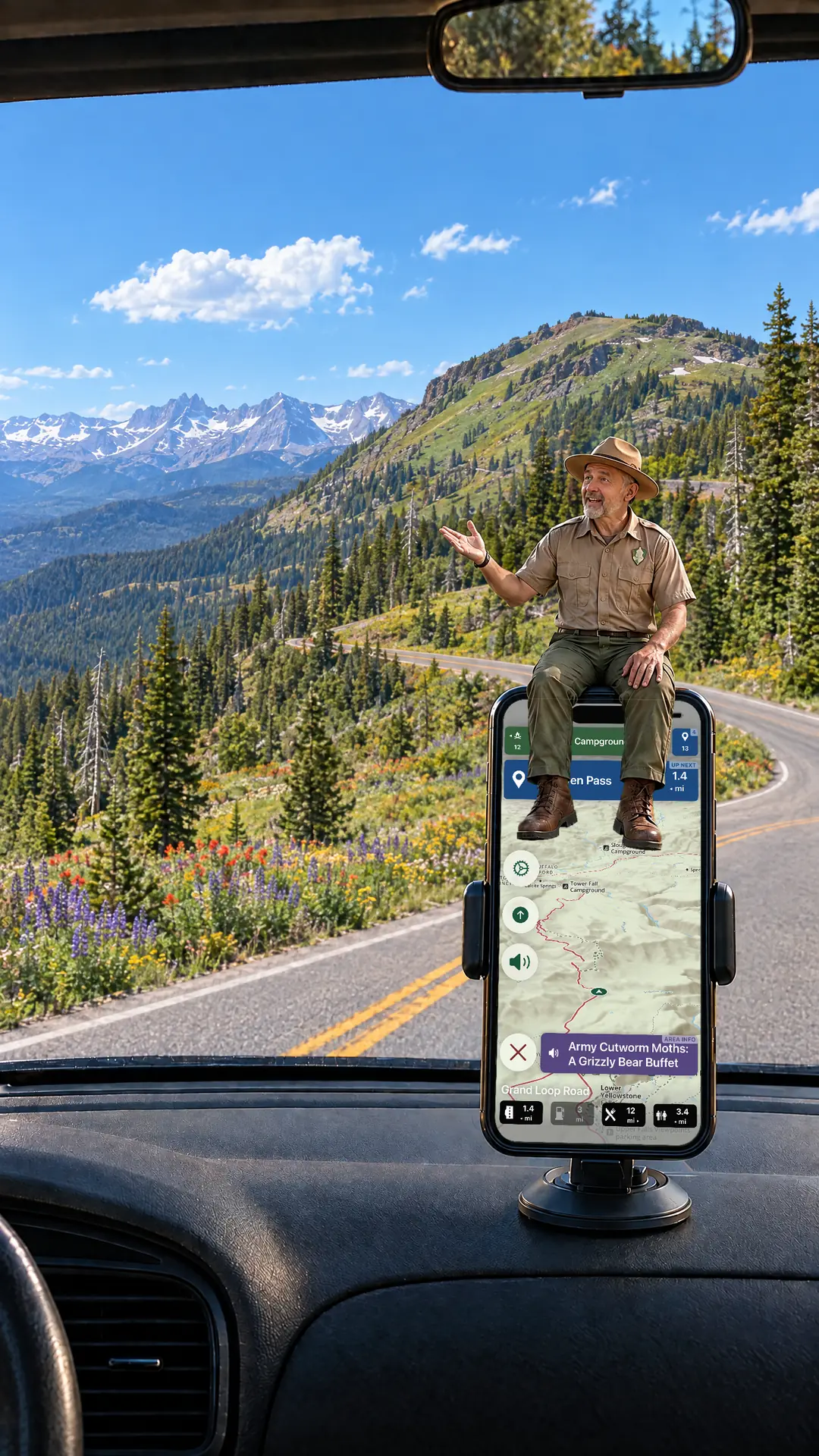
The Parkwolf tour guide sitting on a phone mounted in a car

Parkwolf Tour Guide

Like a tour guide in your car.

Save the places you found around Fiordland, then let Parkwolf guide the drive between them.Download Parkwolf on the App Store