Blue Mouse Cove

Sheltered cove for quiet anchoring and whale watching
Blue Mouse Cove, Glacier Bay National Park
InsideGlacier Bay National Park

Overview

Blue Mouse Cove is a quiet, grassy-and-wooded embayment used primarily as a protected anchorage. It sits off the main Glacier Bay thoroughfare and feels removed from the tidewater-glacier crowds—exactly the vibe many boaters come here for.

What You'll See

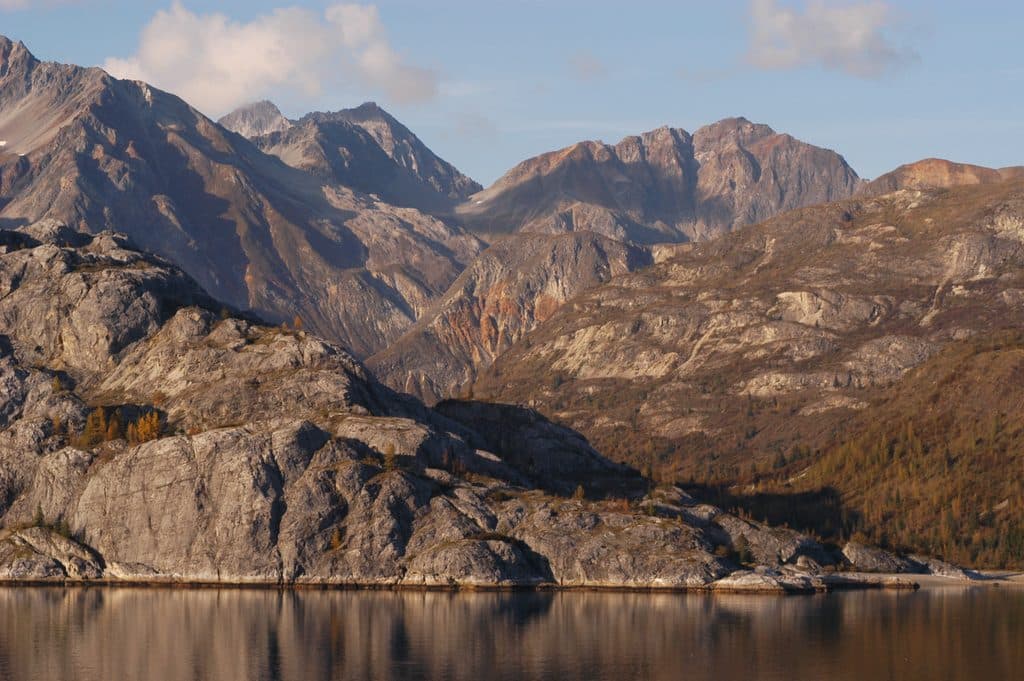
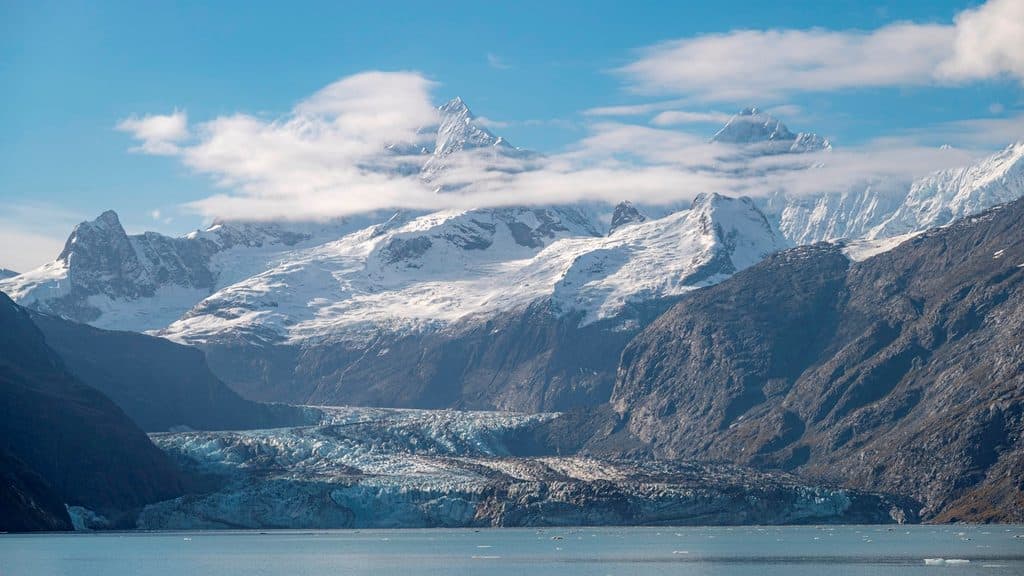
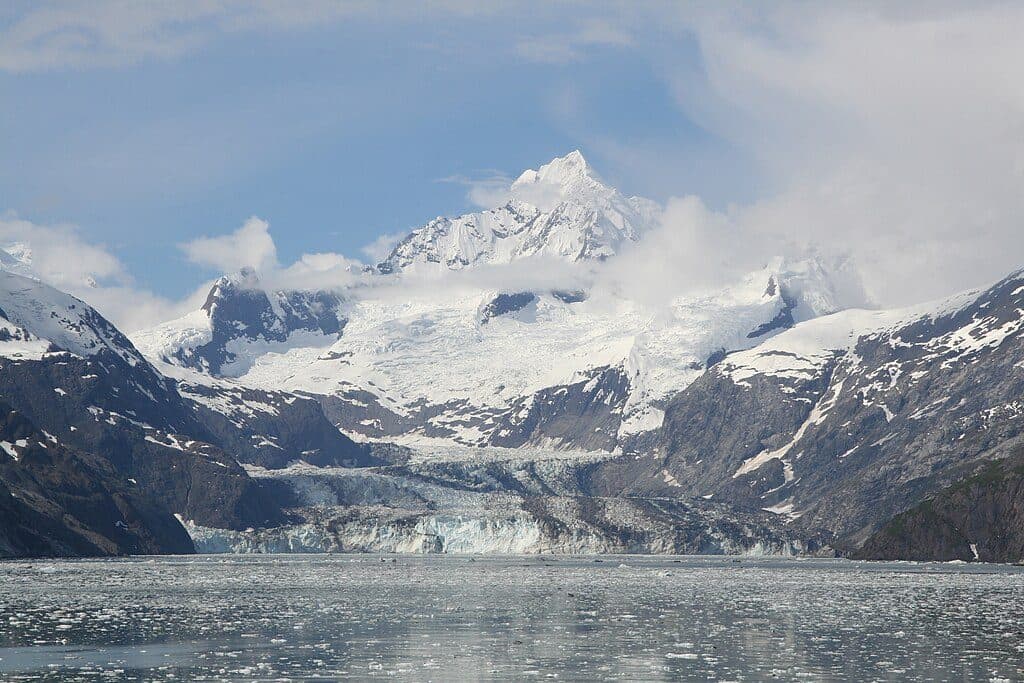
Expect forested shorelines, low grassy margins, and glassy water on calmer days. The setting is intimate rather than dramatic, with two small islands and a defining peninsula giving it a tucked-away feel and good protection from wind and swell.

Wildlife

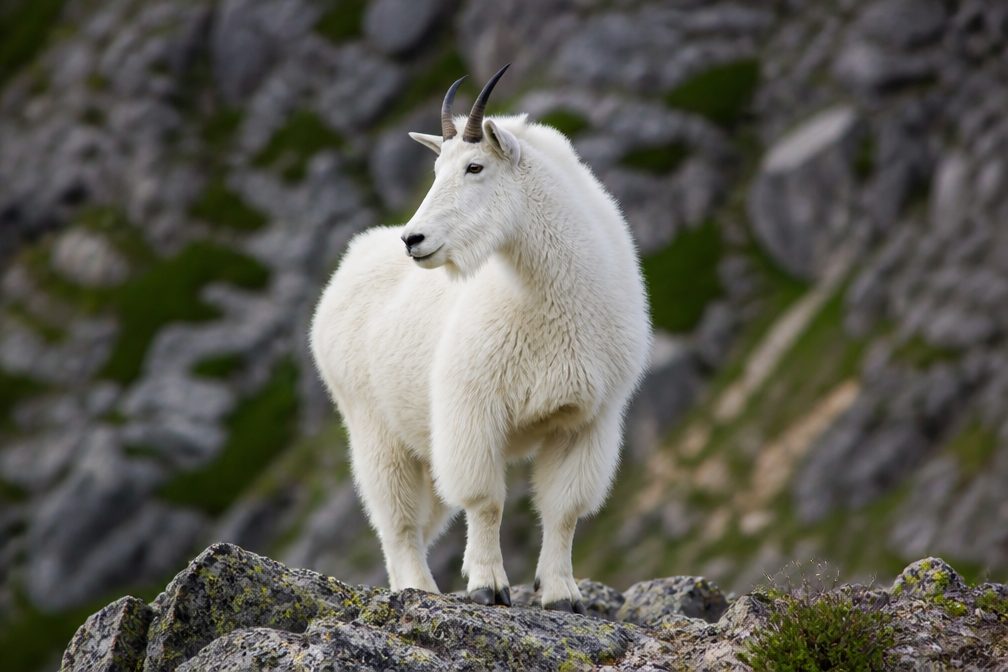
This is whale country. Visitors regularly report humpbacks cruising past anchored boats—blows at night, flukes at dawn. Black bears are sometimes seen working the shoreline. Keep binoculars handy for marine birds and the occasional seal or sea otter.

Access & Services

Arrive by private boat or guided kayak; there’s no road access. There are no developed facilities—no docks, restrooms, campsites, water, or stores. Official park and lodge maps list no amenities here, underscoring its wilderness character (see [nps.gov](https://www.nps.gov/glba/planyourvisit/maps.htm) and [visitglacierbay.com](https://www.visitglacierbay.com/plan/area-maps/)). Come fully self-sufficient and practice Leave No Trace.

Regulations You Should Know

Whale-waters protections apply. As of mid-2025, a 13-knot vessel speed limit within 1 nautical mile of the cove is in effect to protect feeding humpbacks. Check current park advisories before you go and maintain required distances from wildlife (see the park’s whale-waters updates at [nps.gov](https://www.nps.gov/glba/learn/news/whale-waters-update-for-glacier-bay-effective-july-17-2025.htm)).

Is It Worth It?

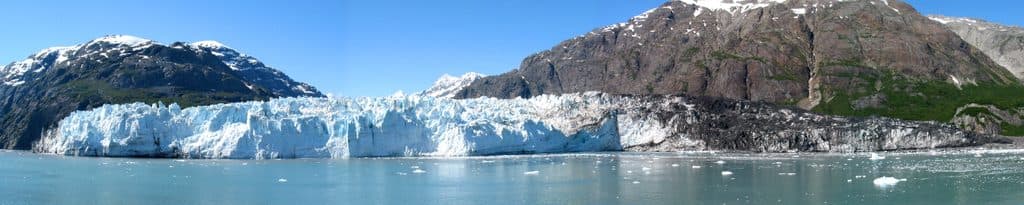
If you’re chasing solitude, soundscapes, and wildlife, yes—this cove is a gem. If you want big-ice views or developed comforts, look elsewhere. Peak-season evenings can bring a handful of anchored boats, but it still feels mellow compared with the glacier arms.

Best Time to Visit

  • Season: Outside the height of summer tends to be quieter.
  • Time of day: Early morning and evening are prime for whale activity and calmer winds.
  • Weather: Expect chill, rain, and periodic fog or haze that can mute views—pack for wet and cold.

Practical Tips

  • Anchor early to claim your preferred spot if you’re visiting in peak season.
  • Bring robust rain gear, layers, and a thermos; you’ll linger longer when warm.
  • Binoculars and a zoom lens greatly improve whale and shoreline-bear viewing.
  • Review current speed limits and wildlife-distance rules before entering the cove.

Pros

  • Sheltered, scenic anchorage with calm water
  • Frequent humpback whale activity nearby

Cons

  • No services or facilities of any kind
  • Can see multiple boats at anchor in peak summer

Tips

  • Aim to arrive and set anchor before late afternoon during peak summer.
  • Keep speeds down and give whales space; rules are actively enforced.
  • Expect fog or haze—use radar and sound signals, and have paper charts ready.
  • Bring all supplies, water, and a reliable headlamp; there are zero services.
  • Have binoculars at hand at dawn and dusk when wildlife activity picks up.
The Parkwolf tour guide sitting on a phone mounted in a car

Parkwolf Tour Guide

Like a tour guide in your car.

Save the places you found around Glacier Bay, then let Parkwolf guide the drive between them.Download Parkwolf on the App Store