Mount Orville

Remote, glaciated peak with ocean-to-summit relief for expert alpinists
Mount Orville, Glacier Bay National Park
InsideGlacier Bay National Park

Overview

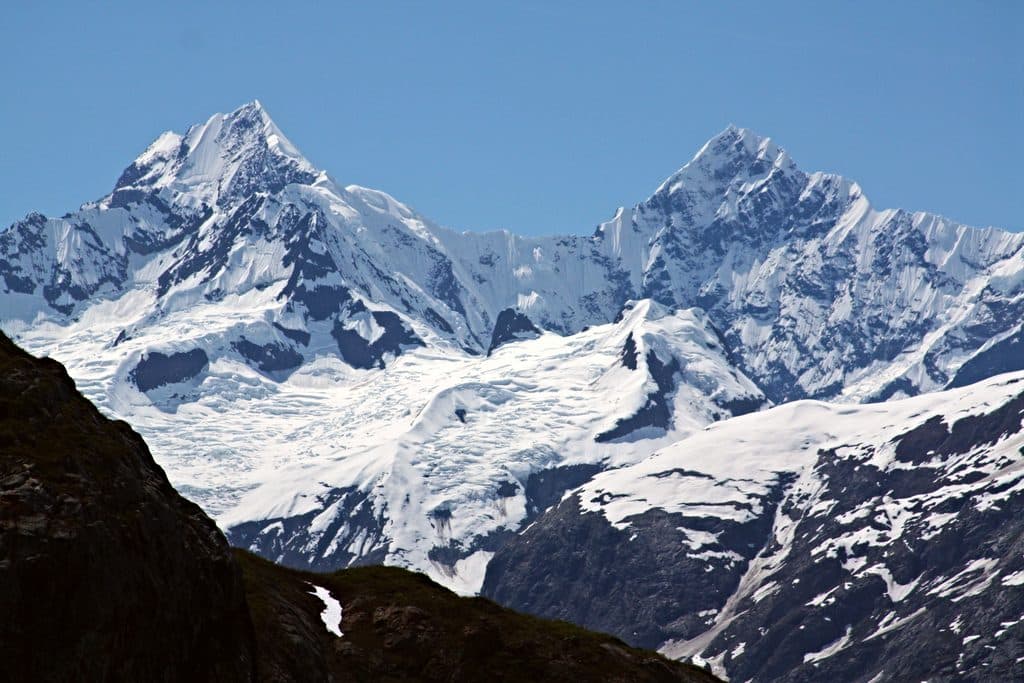
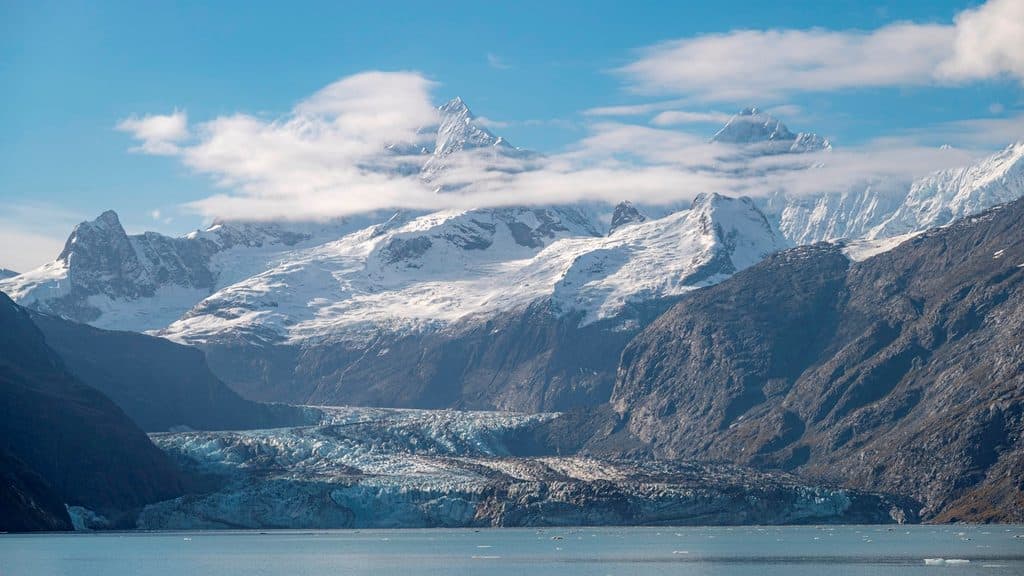
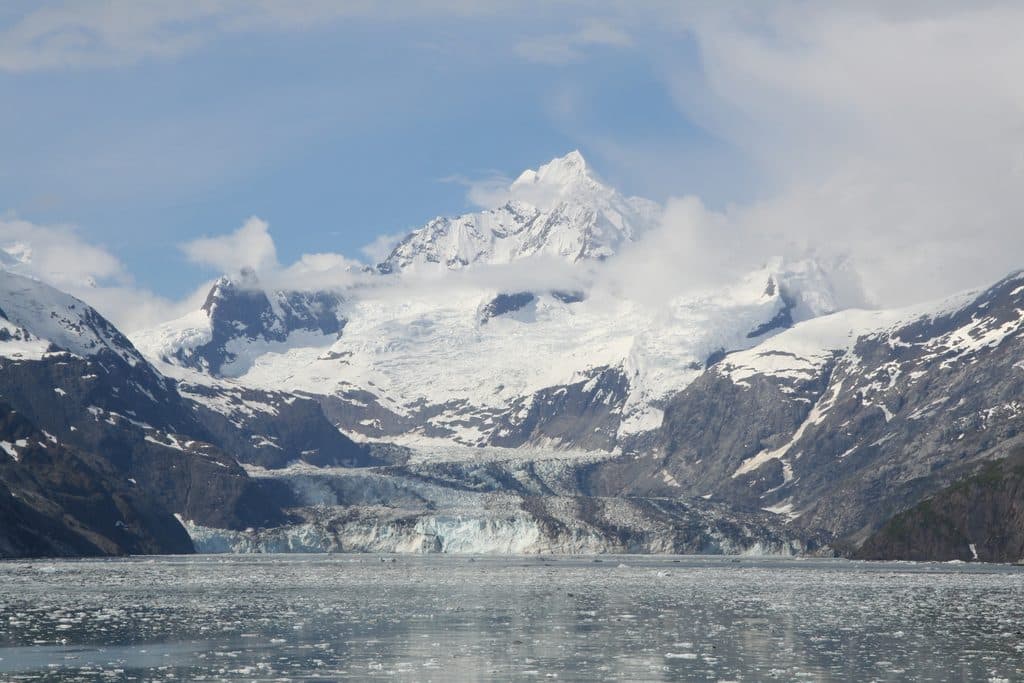
Mount Orville is a glaciated 10,272‑foot summit in the Fairweather Range, deep inside the park’s wild western backcountry. It rises astonishingly from near sea level within just a few miles, which makes its relief feel colossal even by Alaska standards. It pairs with neighboring Mount Wilbur—both honoring the Wright brothers—and sits amid sprawling ice and granite.

Setting & Scenery

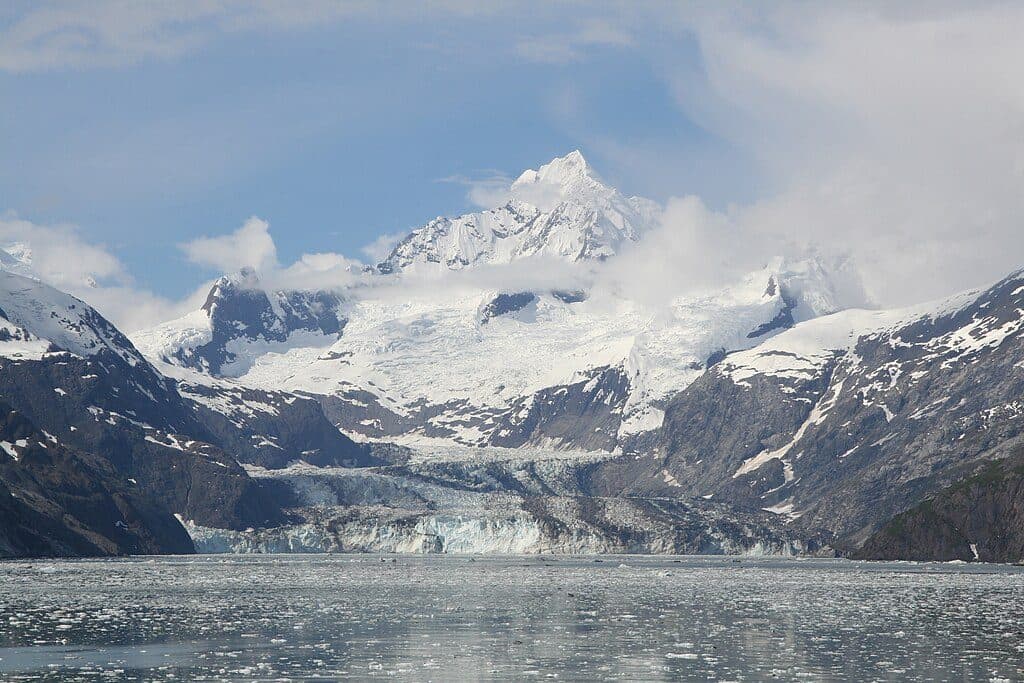
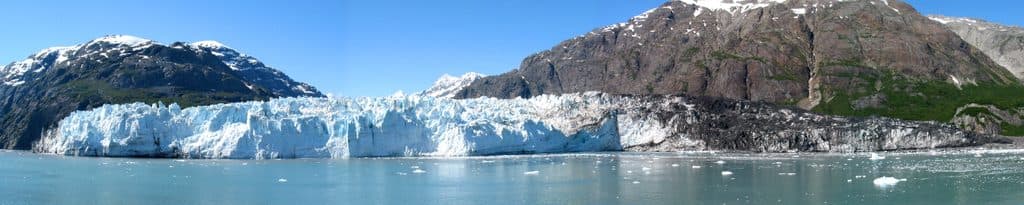
Expect a skyline of steep snow and ice faces, crevassed glaciers, and raw coastal mountains. Major ice flows like Cascade, Charley, and Lituya Glaciers wrap the area, and the massif lies only a handful of miles from tidewater at the head of Lituya Bay. Views (when the weather relents) are all drama and no fluff.

Access, Rules, and Logistics

There are no roads, trails, or facilities anywhere near Mount Orville—this is pure, trailless backcountry. Fixed‑wing aircraft landings are allowed within the park, but helicopter landings and airdrops are not. Guided mountaineering in the Fairweather Range is tightly limited—only two guided trips are authorized per year—so if you’re hoping for a guided ascent, you’ll need to plan far ahead. The park does not maintain a high‑altitude rescue team; plan for self‑reliance.

Climbing Notes & Hazards

Mount Orville is rarely climbed and has a sobering track record. The first recorded ascent in 1995 ended tragically when all three climbers were killed by an avalanche on the descent. Any route here involves serious objective hazards: avalanche exposure, complex glacier travel, crevasses, and severe, fast‑changing coastal weather. This peak is strictly an expert‑only, expedition‑style objective.

Wildlife & Solitude

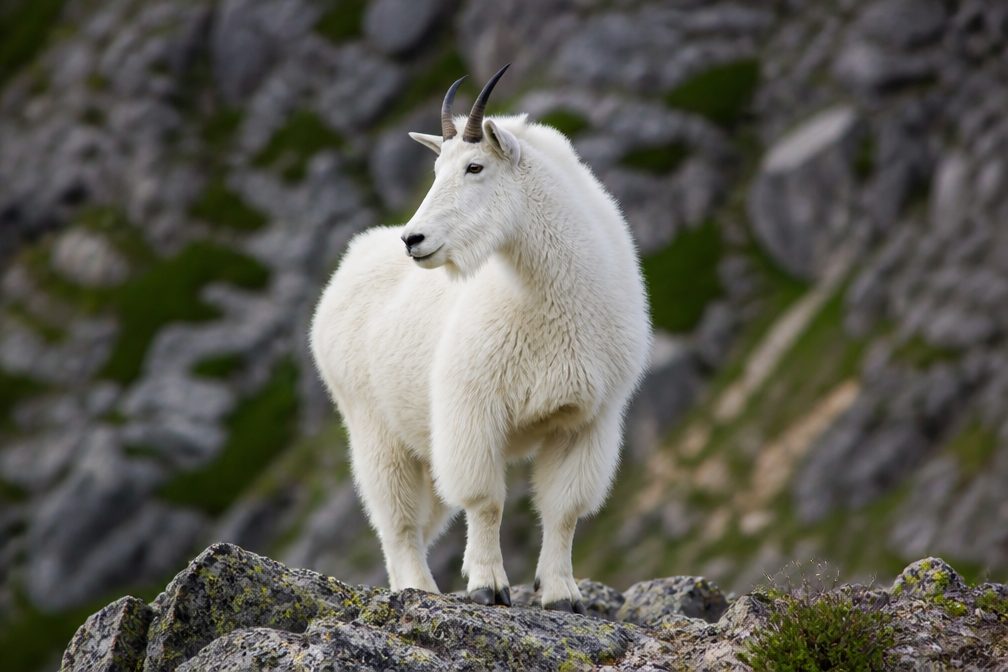
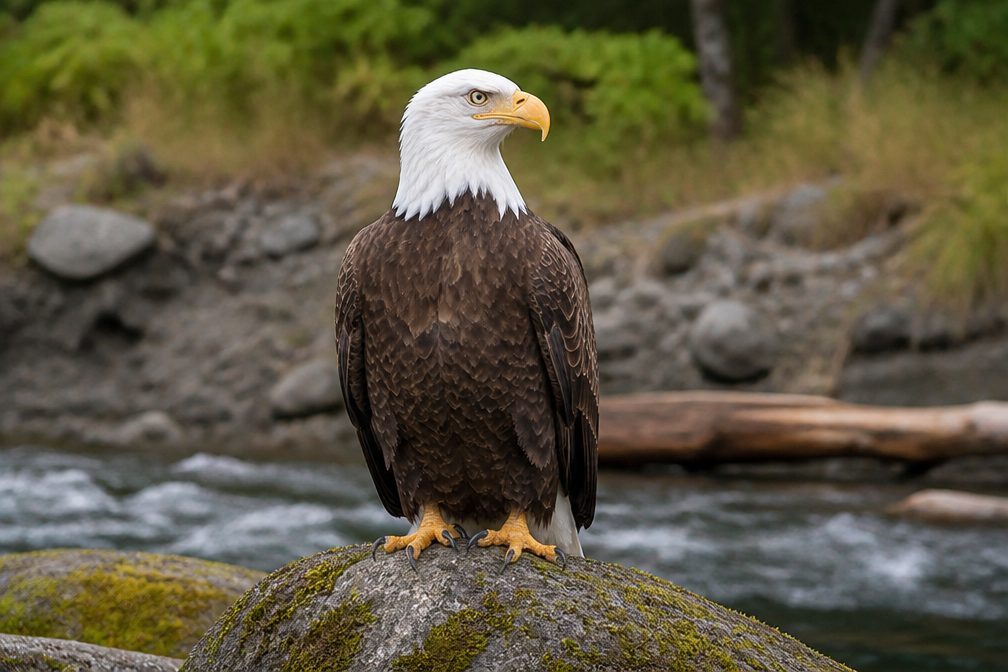
You’re unlikely to encounter much wildlife on the peak itself due to the harsh, glaciated terrain. In the broader area of the park, bears, mountain goats, wolves, bald eagles, seabirds, and marine mammals are present—more commonly in lower valleys and along the coast than up on Orville’s ice and rock. What you will absolutely find is solitude.

What to Bring

Think full Alaska alpine kit: ropes, ice tools, crampons, glacier travel and crevasse rescue gear, avalanche safety equipment, satellite communications, and the means to be fully self‑sufficient for an extended window. With helicopters off the table and rescue capabilities limited, you need redundant plans and conservative decision‑making.

Best Time to Visit

There’s no true “season” in the typical visitor sense. Attempts are few and far between, timed to short, stable weather windows and safer snowpack conditions. There are no crowds any day of the week. Build slack into your schedule for storms and sit‑and‑wait forecasts, and be prepared to pivot if avalanche hazard spikes.


Pros

  • Dramatic ocean-to-summit relief and sweeping glacier views
  • True solitude in the Fairweather Range

Cons

  • Extremely remote with no trails or amenities
  • Serious avalanche and weather hazards; helicopter landings prohibited

Tips

  • Plan fixed‑wing access; helicopter landings and airdrops aren’t allowed.
  • Only two guided mountaineering trips are authorized annually in the Fairweather Range—check availability early.
  • Carry avalanche gear and build conservative weather and snowpack margins into your plan.
  • There are zero amenities—no roads, no trails, no toilets—so be fully self‑sufficient.
  • Expect severe, fast‑changing coastal weather and plan extra buffer days.
The Parkwolf tour guide sitting on a phone mounted in a car

Parkwolf Tour Guide

Like a tour guide in your car.

Save the places you found around Glacier Bay, then let Parkwolf guide the drive between them.Download Parkwolf on the App Store