Place · 2.1 mi away

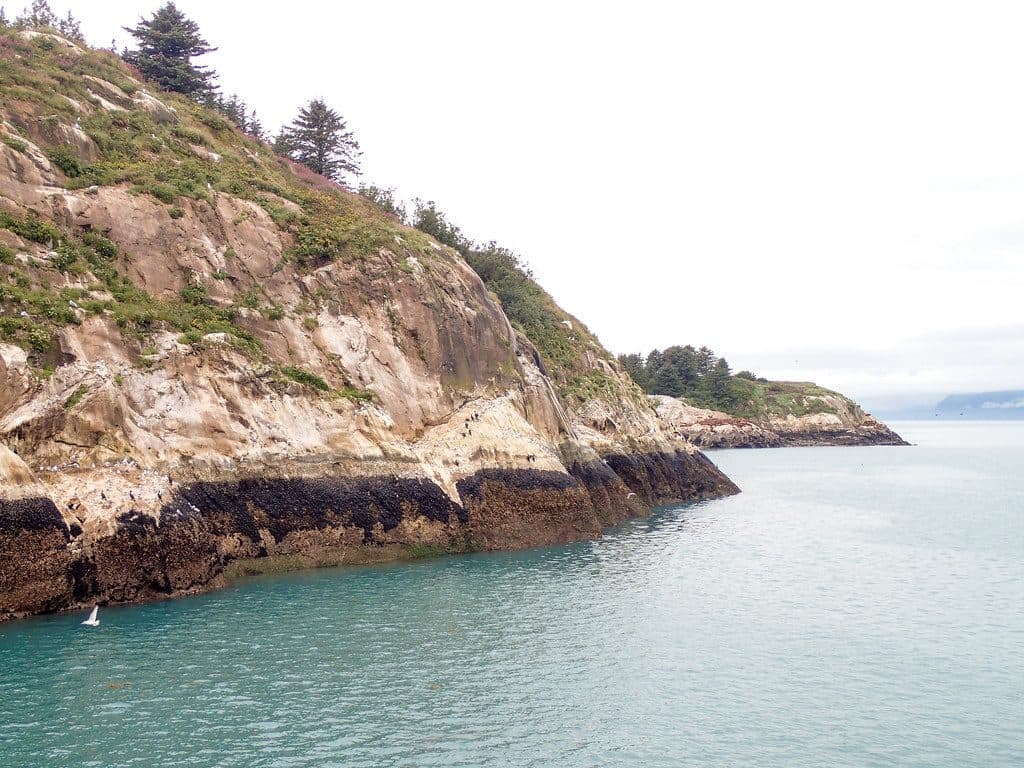
North Marble Island is a small, rocky islet at the mouth of Glacier Bay, the northernmost of the Marble Islands cluster. It’s remote, treeless, and wave‑battered—perfect habitat for marine mammals and seabirds, and a signature wildlife stop that tour boats often pause beside. What sets it apart isn’t a trail or overlook—it’s the spectacle and sound you experience from the water.
Expect a living soundtrack: the roars and groans of Steller sea lions, the chatter and whistles of pigeon guillemots, kittiwakes, and gulls, and the occasional whoosh of whales surfacing offshore. Harbor seals and harbor porpoises are also regulars in these waters. Seabirds you’re likely to encounter include pigeon guillemots, glaucous‑winged gulls, black‑legged kittiwakes, Bonaparte’s gulls, marbled murrelets, and herring gulls. It’s a reliable, high‑energy wildlife scene you experience without stepping ashore.
This is a boat‑only experience with no docks, trails, or infrastructure. Tour vessels commonly pause offshore to view the colonies and listen to the soundscape; independent boaters do the same. Landing is not part of the experience. Protective rules require respectful distances around hauled‑out sea lions and nesting/roosting seabirds—operators and private boaters are expected to adhere to them.
The island is one of the park’s monitored seabird colony sites and a marquee example of Glacier Bay’s natural sounds—an immersive “wall of sound” created by thousands of animals using the cliffs and ledges. If you want Glacier Bay’s wildlife at full volume, this is the place.
Weather turns fast here: fog, rain, and wind can affect visibility and comfort. Viewing is from a distance by design, so bring optics and expect the wildlife to fill your ears more than your frame unless you have a long lens. There are no amenities—this is pure, wild Glacier Bay.
Like much of Glacier Bay, North Marble Island’s low, rocky profile was sculpted by the advance and retreat of ice over the past few centuries. Its name was published by the International Boundary Commission in 1923. The exposed rock, ledges, and surf‑washed shoreline make ideal haul‑outs and nesting nooks.
Plan your stop when boat tours are operating and seas are cooperative. Clear, calm weather makes for better viewing and listening, while fog and wind can mute the experience. During the breeding season, extra care and distance rules protect sensitive wildlife.