Parking
Park at the Bartlett River / Bartlett Lake Trailhead near Glacier Bay Lodge and Park Headquarters at Bartlett Cove; follow the Bartlett River Trail for about 0.7–0.75 mile to the signed Bartlett Lake branch.

#3 of 3 trails in Glacier Bay
Glacier Bay National Park, AK
Long, soggy rainforest trek to a quiet lake—bring rubber boots.
Overview
Bartlett Lake Trail is a rugged out-and-back from the Bartlett River / Bartlett Lake Trailhead at Bartlett Cove to the shore of Bartlett Lake. The verified mapped corridor is about 4.58 miles one way, so plan for approximately 9.2 miles round-trip. The National Park Service describes this as a full-day hike through Southeast Alaska temperate rainforest.
Map & elevation
Plan your hike
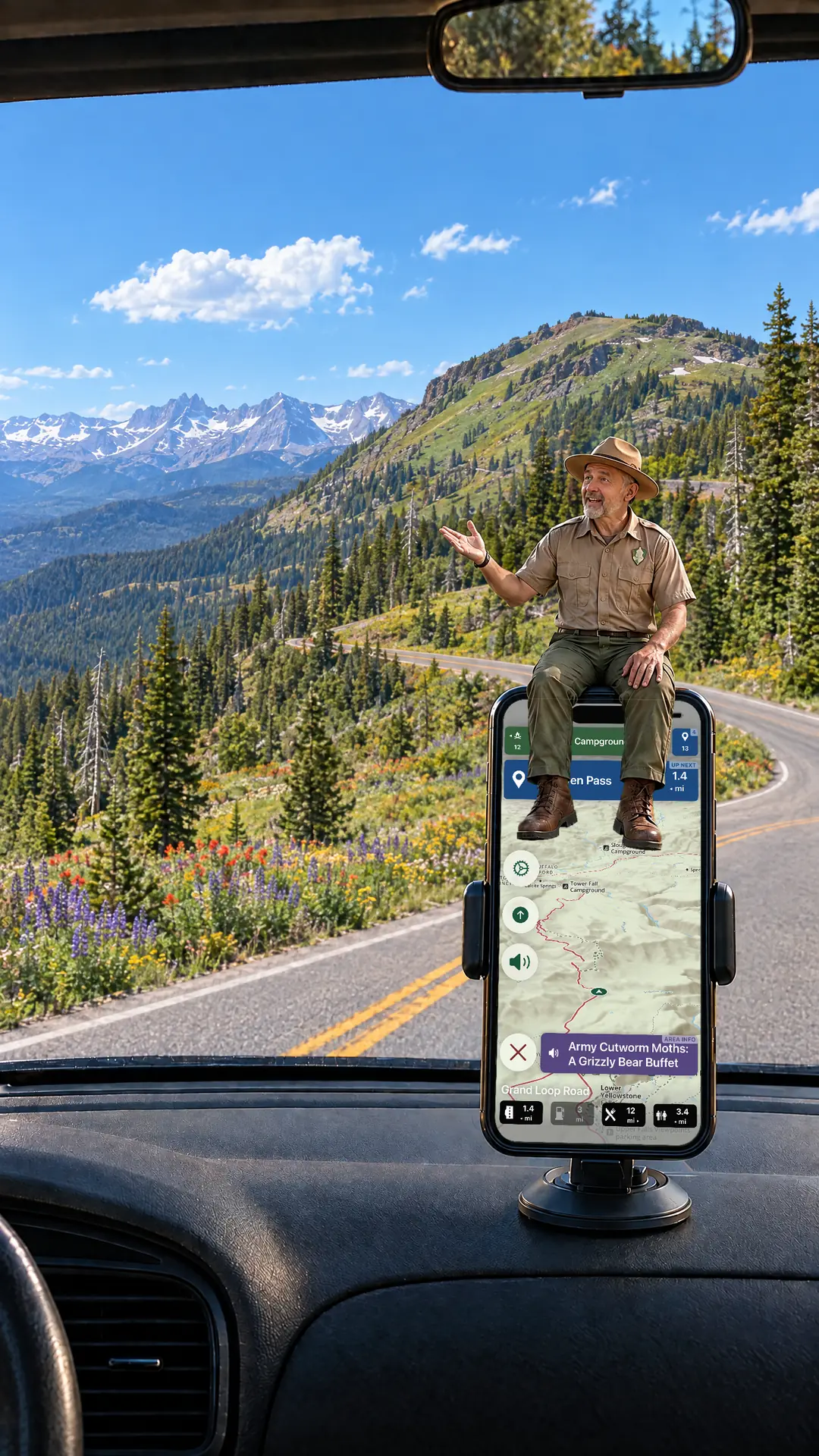
The highest, rockiest slopes around here are a summer buffet for grizzly bears.
Glacier Bay Tour Guide
Parkwolf is a GPS audio tour guide for Glacier Bay National Park. As you drive, it chimes in with what’s ahead: hidden gems, upcoming stops, history, geology, and wildlife, right through your car’s speakers.
Recorded for this area
The Muskeg: A Carnivorous Garden“If you’re on a boardwalk over a wet, spongy landscape, you're in a muskeg. It’s a peat bog, sitting on land that's still springing back up after the glaciers retreated a couple hundred years ago.”
Plays on the road 0.3 mi from the trailhead in the Parkwolf Glacier Bay Tour Guide.
More stories near here in the app
“Fantastic app with many points of information… It’s great to just turn on while you’re driving and it gives you an audio tour of the national Park. We love it!!!!”


Trail guide
Begin on the Bartlett River Trail from the Bartlett Cove trailhead. After roughly 0.7–0.75 mile, follow the signed Bartlett Lake branch as it climbs the moraine and continues through spruce–hemlock forest, moss-covered boulders, wetlands, roots, mud, and small creek crossings to Bartlett Lake. The lake trail is less maintained than the shorter Bartlett Cove routes, so wayfinding and footing require attention.
Plan on a moderate full-day hike; the NPS trail guide estimates 7–8 hours. The main challenge is wet, uneven footing and route-finding rather than steep climbing. The route is slow after rain and deserves extra daylight and weather margin.
For shorter Bartlett Cove hikes or wetter-day alternatives, consider the Forest Loop, Bartlett River, or Tlingit trails. They share the same rainforest setting without the full-day commitment.
Wildlife
 98 sightingsHumpback WhaleMost seen around 6 AMSighting map
 48 sightingsOrcaMost seen around 5 PMSighting map
 110 sightingsBrown BearMost seen around 7 PMSighting map
 312 sightingsSea OtterMost seen around 4 PMSighting map
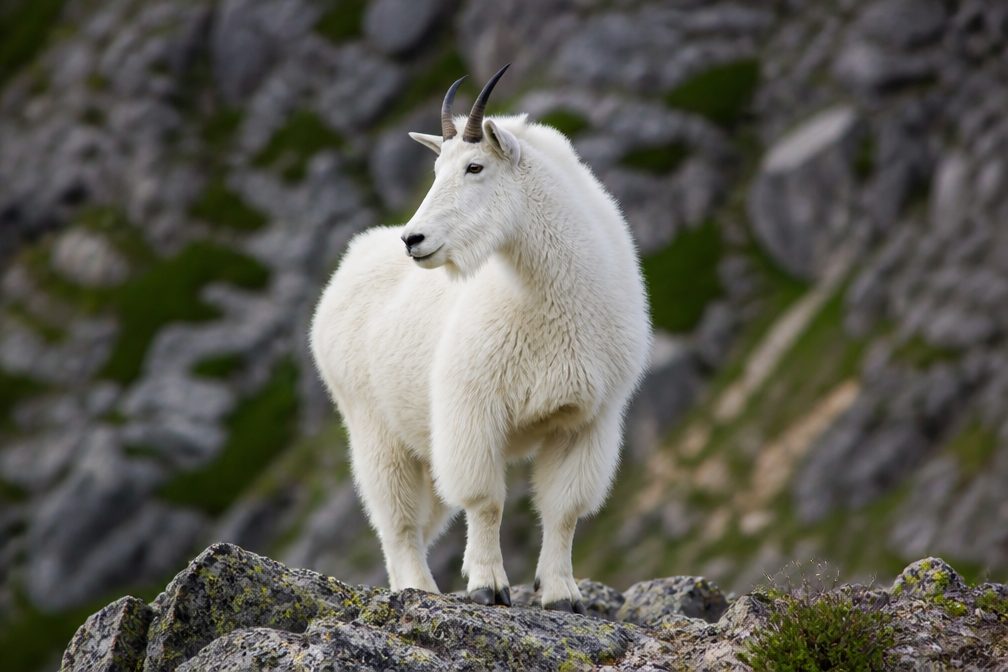 106 sightingsMountain GoatMost seen around 6 PMSighting map
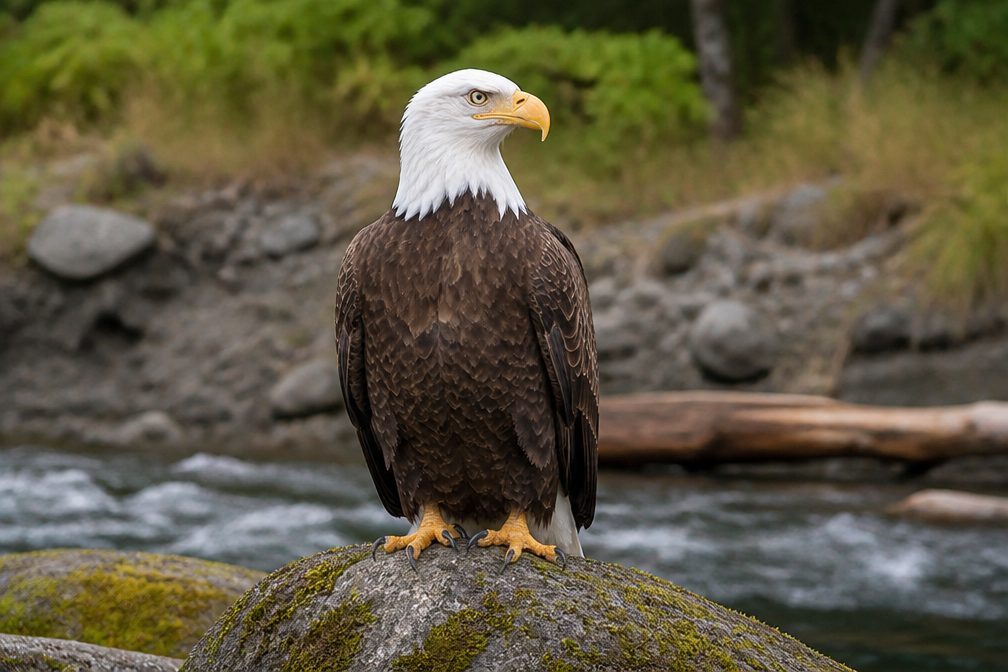 93 sightingsBald EagleMost seen around 5 PMSighting map
Sighting maps show where each species has been reported across Glacier Bay. Wildlife moves, so no sighting is guaranteed.
Keep exploring
 EasyForest Loop Trail1.1 mi · 45 min · 0.5 mi awayEasy Bartlett Cove loop through spruce–hemlock forest to the beach
 EasyTlingit Trail1 mi · 1 hr · 0.6 mi awayA gentle bayside stroll into Huna Tlingit culture and Bartlett Cove
 Sight · 0.4 mi awayXunaa Shuká HítA living Tlingit clan house on Bartlett Cove’s shoreline
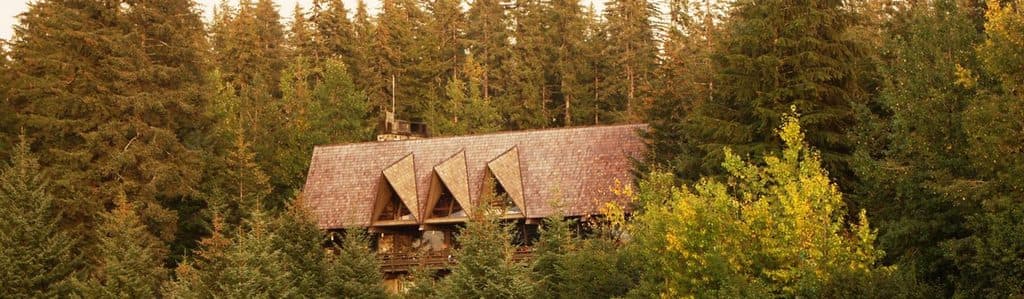 Visitor center · 0.5 mi awayPark Visitor CenterSmall, smart hub with exhibits, views, and a whale-listening hydrophone
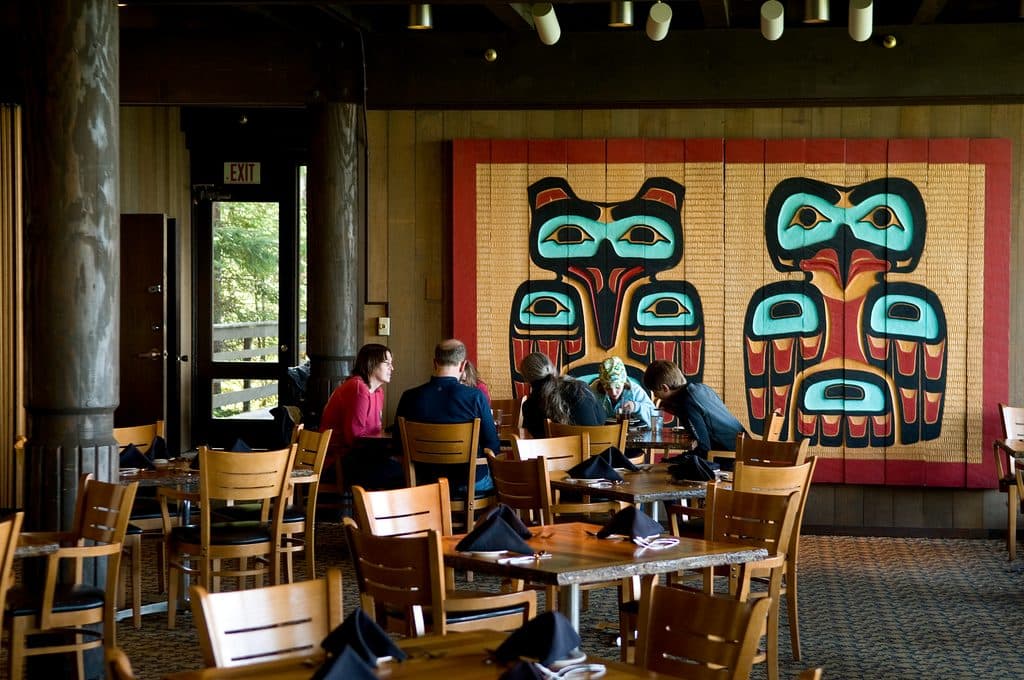 Restaurant · 0.5 mi awayFairweather Dining RoomLocal seafood with big Bartlett Cove views
 Sight · 0.5 mi awayHumpback Whale ExhibitOpen-air skeleton of “Snow,” a famed humpback
 Ranger station · 0.6 mi awayBartlett Cove Visitor Information Station (VIS)Permit and orientation hub by the Bartlett Cove dock
 Campground · 0.9 mi awayBartlett Cove CampgroundFree walk-in rainforest campground with a communal beach fire pit
 Sight · 1.6 mi awayLester IslandQuiet, kayak-friendly island just off Bartlett Cove
 Sight · 1.8 mi awayBartlett CoveHub for trails, day tours, culture, and free camping
Parkwolf’s Glacier Bay ranking

The audio tour guide for the drive, plus offline maps, trails, and wildlife heatmaps for when the signal drops.