Place · 0.1 mi away

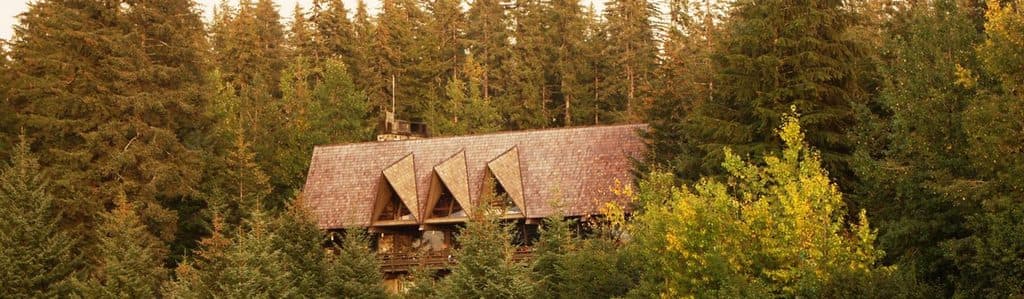
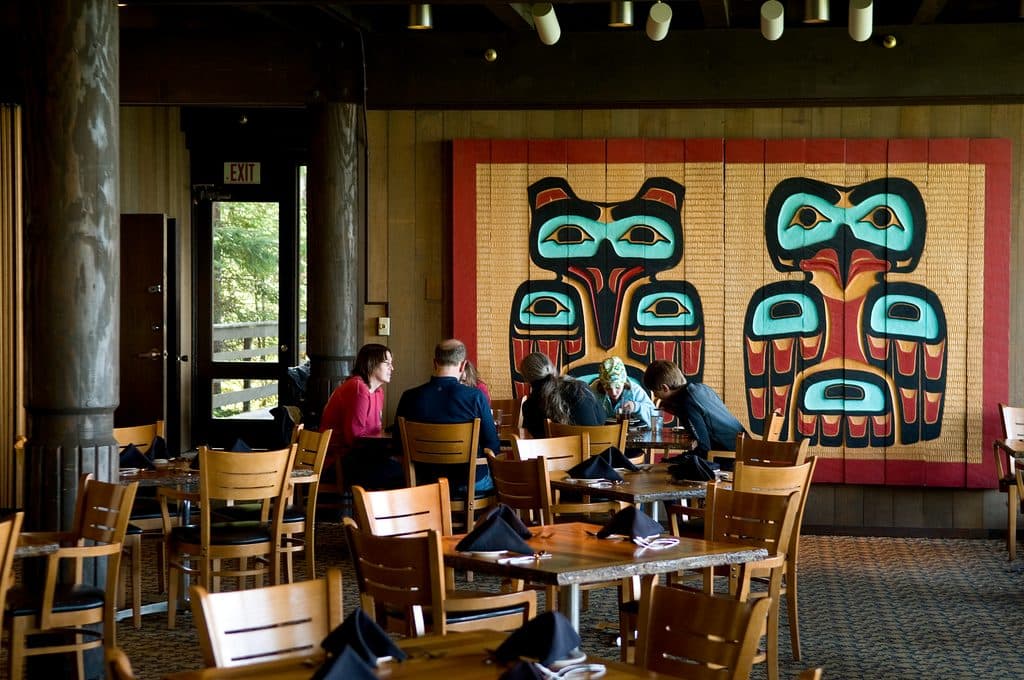
Xunaa Shuká Hít—Huna Ancestors’ House—anchors the shoreline of Bartlett Cove as a living Tlingit clan house, created through deep partnership between the Hoonah Indian Association and the National Park Service. It’s not a museum-piece; it’s a gathering place where culture is practiced, taught, and shared.
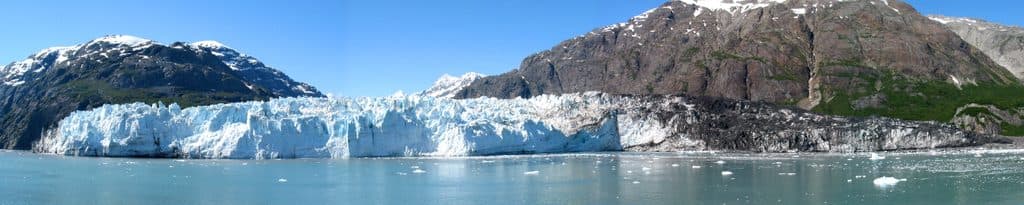
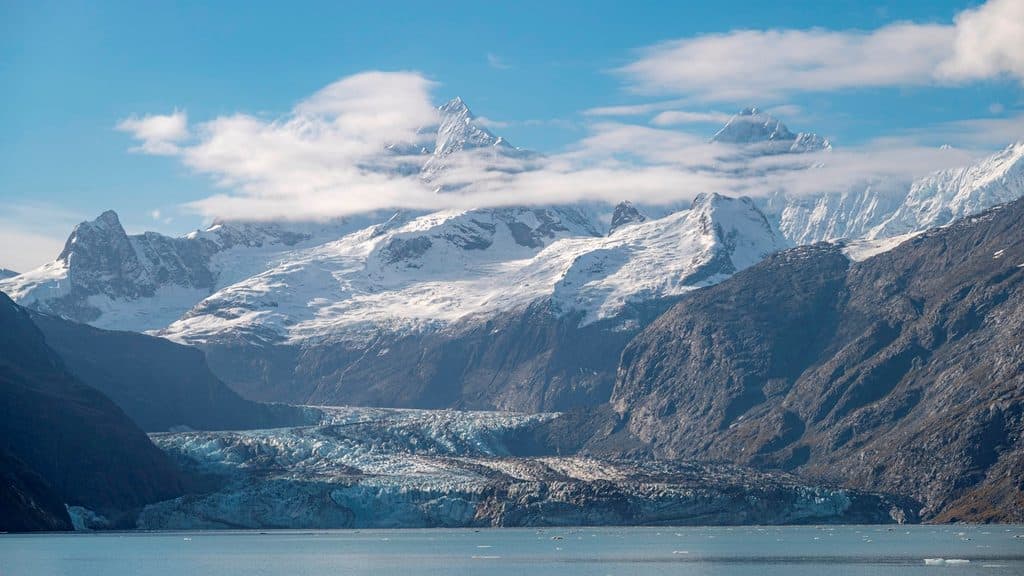
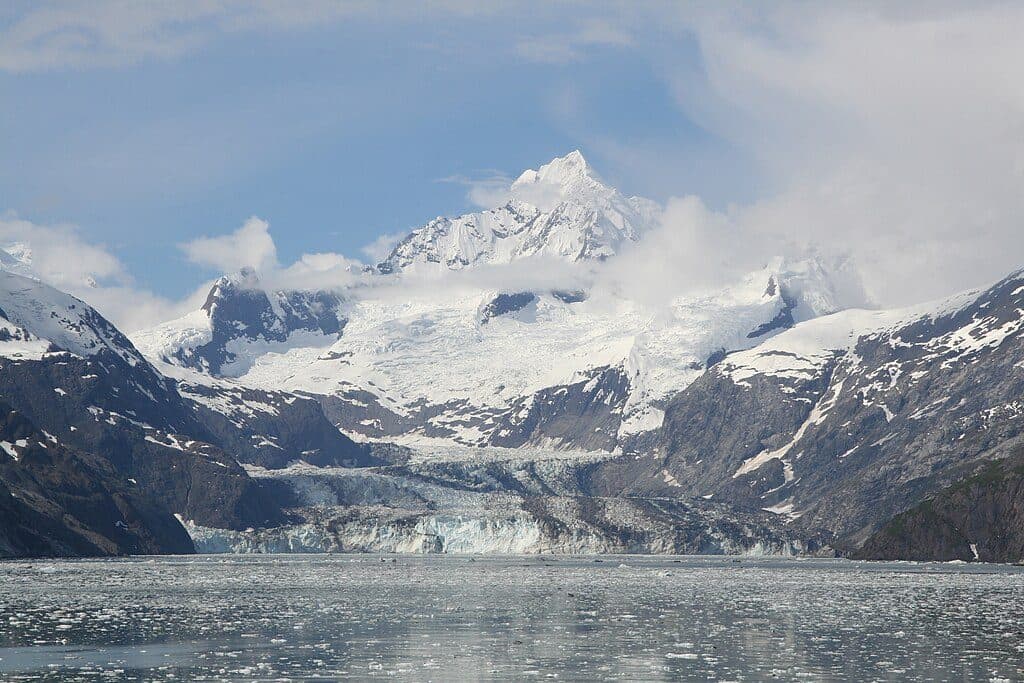
This is the first permanent clan house in Glacier Bay since Tlingit villages were overrun by an advancing glacier more than 250 years ago. Standing here connects the park’s human story to the ice that shaped it.
Expect bold formline artwork and monumental carvings: a cedar façade, carved house posts, and totems. Step outside and wander the shoreline paths to find Tlingit tree carvings, a traditional dugout canoe, and exhibits that tie natural history to living culture.
The house symbolizes healing and cooperation after a complicated history between the park and the Huna Tlingit. It hosts ceremonies, workshops, camps, and tribal gatherings, while giving visitors a respectful window into Huna Łingít history and lifeways.
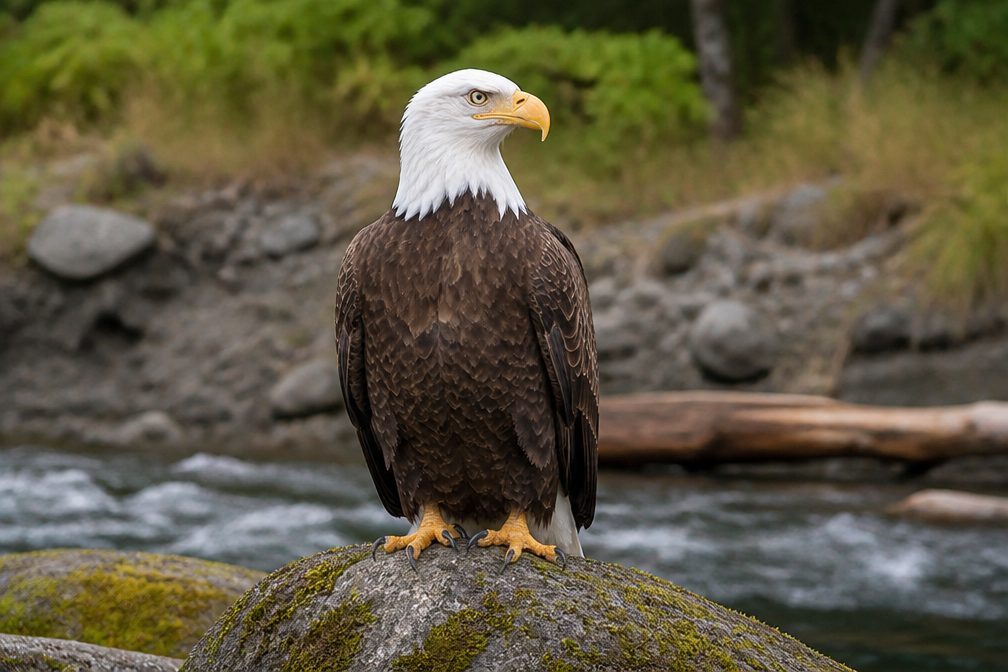
Though you’re here for culture, Bartlett Cove is lively: you might spot bald eagles in shoreline trees, seals in the cove, and seasonal shorebirds and waterfowl. Black bears or even moose can occasionally roam the nearby forest. Sightings ebb and flow with season and time of day—keep your eyes open.
It’s an easy stroll from the main Bartlett Cove hub—pair the house with a slow walk along the shoreline paths. Read every panel; the context makes the art sing. Give yourself time to simply stand quietly in front of the façade and carvings.
Summer is your best bet for occasional talks or guided programs. Aim for early morning or late evening when soft light flatters the cedar and the cove, and when the area is typically quieter. Weather shifts quickly on the coast—layers and rain gear pay off.