Humpback Whale Exhibit

Open-air skeleton of “Snow,” a famed humpback
Humpback Whale Exhibit, Glacier Bay National Park
InsideGlacier Bay National Park

Overview

This outdoor exhibit in Bartlett Cove centers on the re‑articulated skeleton of “Snow” (Humpback #68), a well‑known whale in Glacier Bay. Suspended under a protective open‑air pavilion, the 45‑foot skeleton lets you appreciate a humpback’s sheer scale up close while learning the science and story behind Snow’s life and tragic death from a ship strike.

What You’ll See

  • The complete skeleton of Snow, presented in a lifelike posture under shelter.
  • Clear interpretive panels that explain how researchers identify individual whales by tail‑fluke markings and even estimate age using annual layers in an ear plug.
  • A shoreline setting with glimpses of Bartlett Cove as you walk to and from the exhibit.

Why It’s Unique

This is not a generic display—it’s the story of a specific whale that park researchers knew and followed for years. The bones were meticulously preserved and assembled over a long, multi‑year effort, turning Snow’s loss into a powerful, educational centerpiece that connects visitors directly to Glacier Bay’s humpback research legacy.

Context and Science

Glacier Bay and nearby Icy Strait are seasonal feeding and socializing areas for humpbacks, and the park has cataloged individual whales here for decades. Snow’s identity and life history tie directly into that program, making this exhibit a tangible window into how biologists track individuals, document births, and study age and growth.

Getting There and Nearby

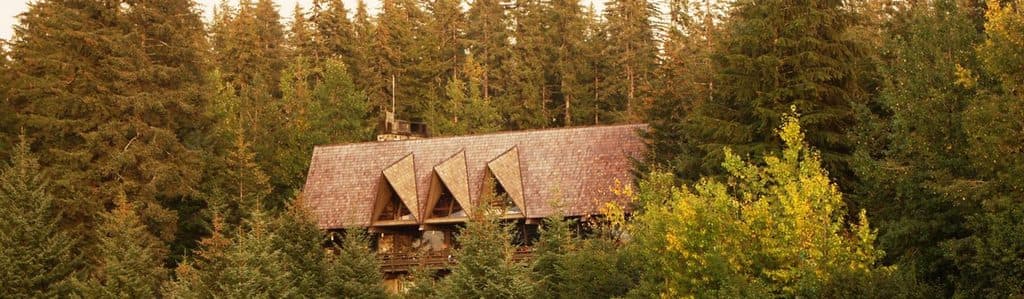
The exhibit sits along the Bartlett Cove shoreline corridor, a short, easy walk from the Glacier Bay Lodge and the Visitor Information Station. The lodge area functions as the park’s info hub when open, with educational materials and exhibits—making it natural to pair this stop with a stroll through the visitor complex.

Wildlife You Might Notice

While the exhibit isn’t a live wildlife viewing spot, the cove and nearby waters host sea otters, harbor seals, seabirds, and—seasonally—humpbacks. Many visitors weave this stop into a broader day that can include a whale‑watching tour from the Bartlett Cove area.

Best Time to Visit

Anytime you’re in the Bartlett Cove hub works—this is an outdoor exhibit with a roof, so it’s fine in drizzle. If you want to pair it with a whale‑watching tour or ranger programming at the lodge/visitor station, time your visit around those plans and when the lodge area is open.


Good to Know

This is a focused interpretive stop rather than a hands‑on museum. Expect thoughtful panels and a moving story more than interactive bells and whistles.

Pros

  • Full articulated skeleton of locally known humpback “Snow”
  • Easy stroll from the Glacier Bay Lodge/visitor hub
  • Covered open-air pavilion works in wet weather

Cons

  • Outdoor setting means weather can affect comfort
  • Story centers on a fatal ship strike, which can be sobering

Tips

  • Bring a rain shell—it's outdoors but covered, and Bartlett Cove is damp.
  • Pair this stop with a shoreline walk and the lodge/visitor station nearby.
  • Give yourself 15–20 minutes to read the panels and study the skeleton.
  • If you’re booking a whale‑watching tour, visit here first to learn the research basics.
The Parkwolf tour guide sitting on a phone mounted in a car

Parkwolf Tour Guide

Like a tour guide in your car.

Save the places you found around Glacier Bay, then let Parkwolf guide the drive between them.Download Parkwolf on the App Store