
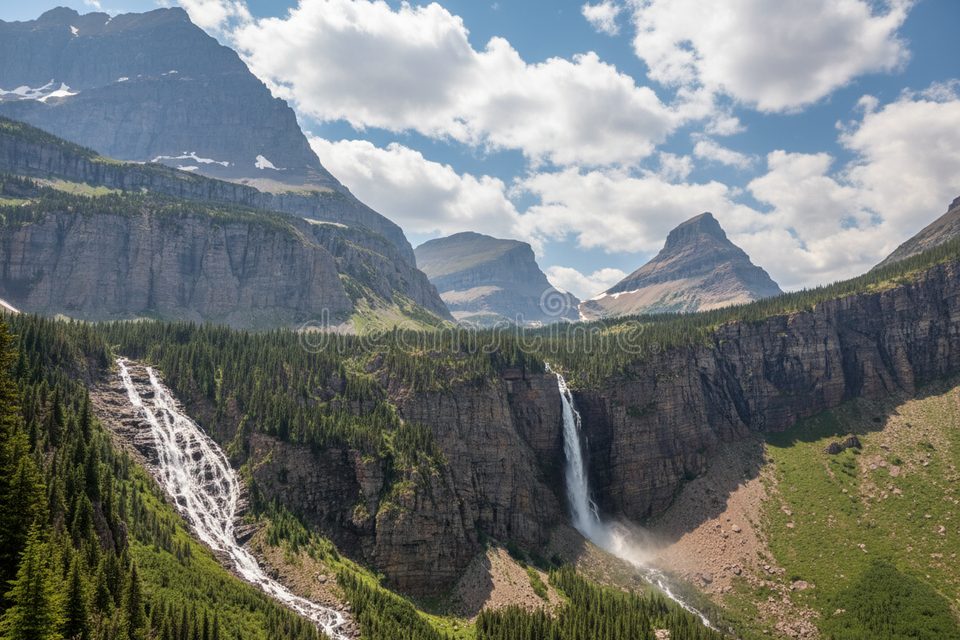
Place · 1.8 mi away
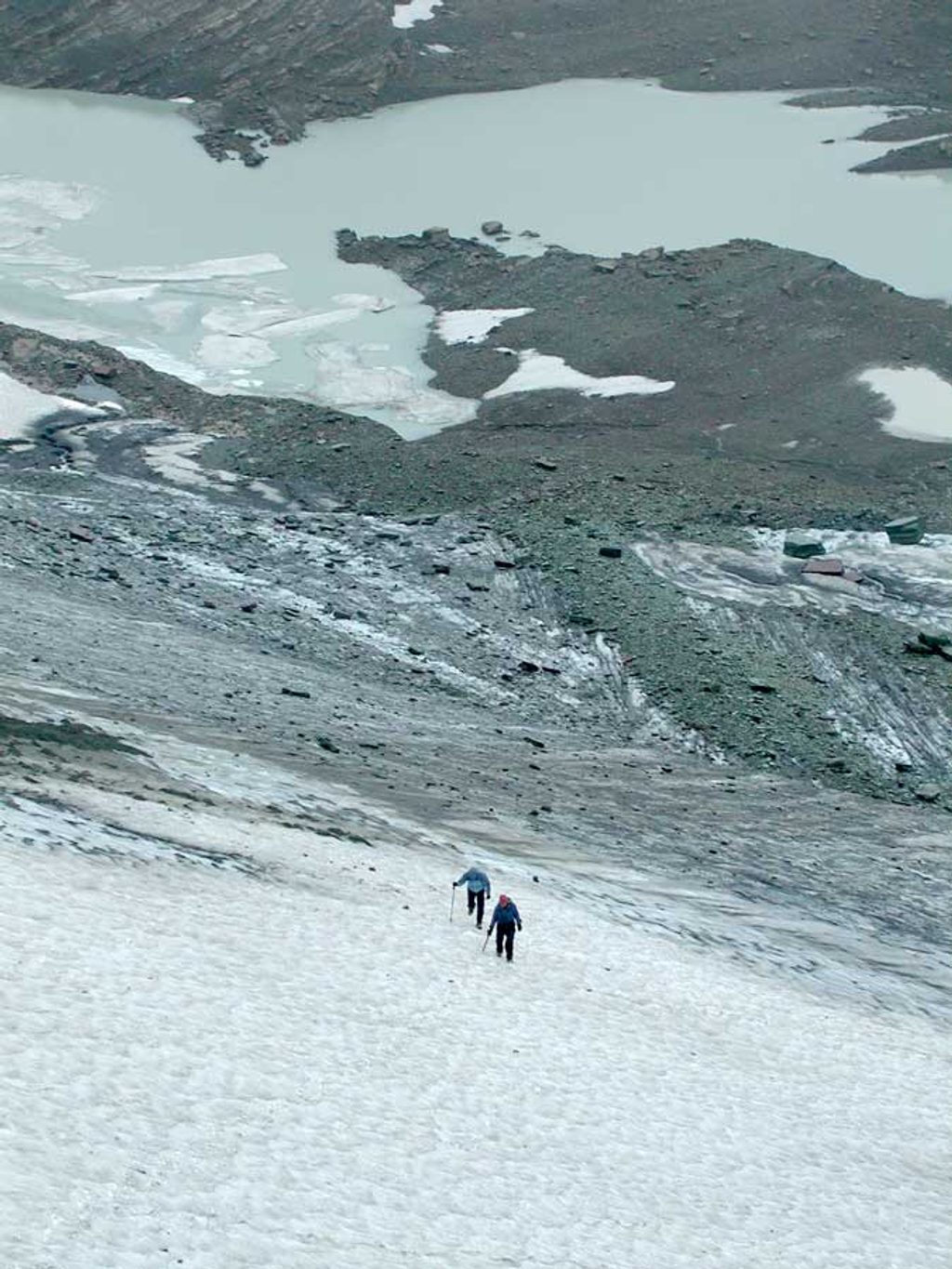
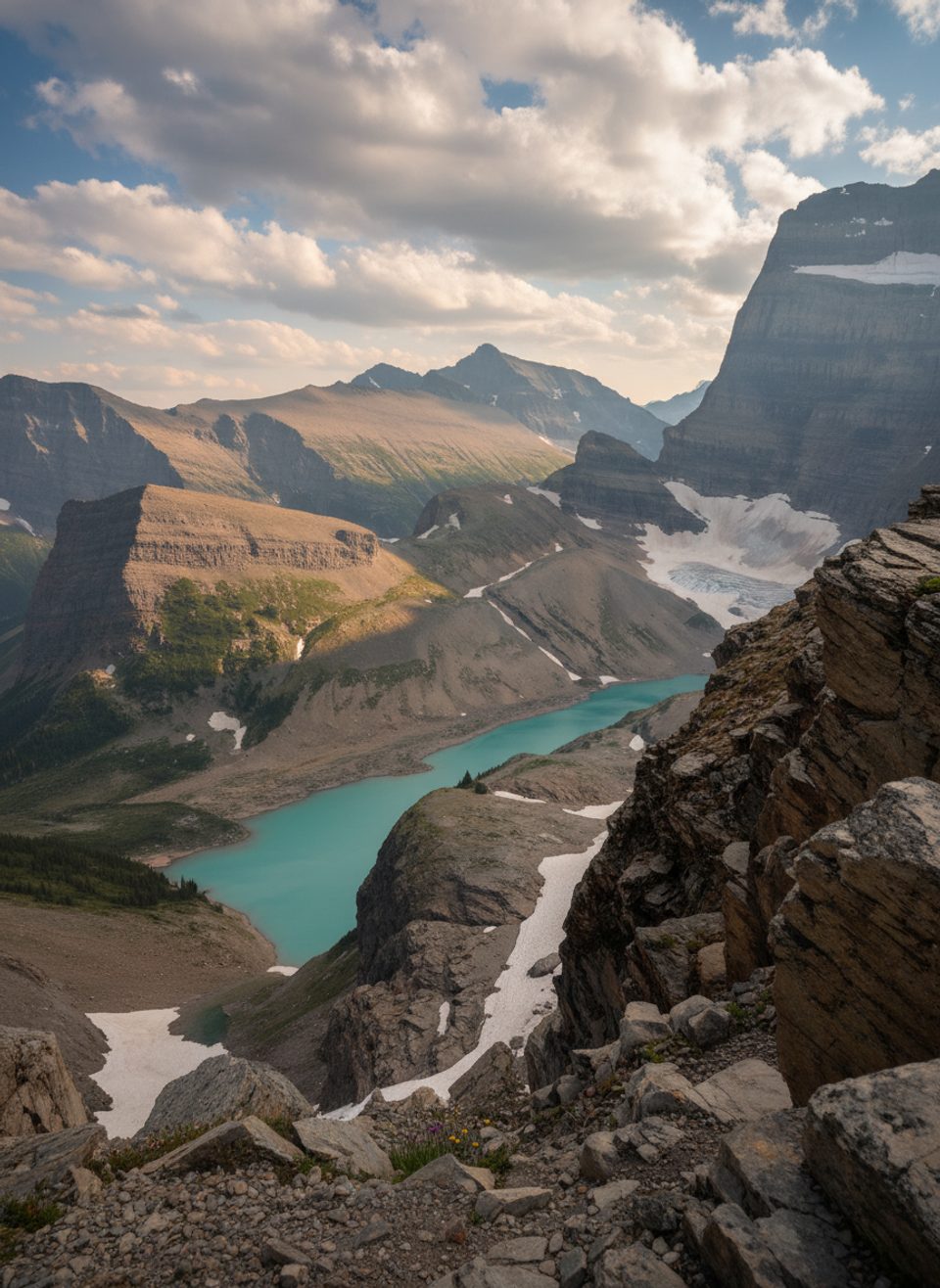
Chaney Glacier is one of the park’s small alpine glaciers and a sobering case study in change. USGS repeat photos and mapped perimeters show it has shrunk dramatically over the last century, part of the park‑wide trend that saw roughly 80 glaciers at the Little Ice Age peak fall to 32 by 2005. It’s the kind of place that makes climate science feel immediate rather than abstract.
Unlike headline hikes to Grinnell or Iceberg Lake, Chaney doesn’t have a signed front‑country trail leading straight to it. That relative obscurity is the appeal: a raw, less‑visited cirque where you can frame the remaining ice against rugged ridgelines and contemplate how fast these features are changing. Photographers will find powerful before‑and‑after storytelling opportunities inspired by USGS repeat‑photo vantages.
There isn’t an official “Chaney Glacier Trail.” Most visitors use established Many Glacier routes to get partway, then would need off‑trail navigation to reach better viewpoints—something only to consider with the right skills and after checking conditions with rangers. If you want big, on‑trail glacier scenery with infrastructure, aim for well‑known routes like Grinnell Glacier or the Highline and treat Chaney as a bonus objective if it safely fits your plan.
Expect construction‑driven changes in the Many Glacier valley. Mid‑summer access routes the public through the Many Glacier Hotel area via a day hiker shuttle system and added trail detours; don’t plan on driving and parking at the usual far‑end lots. Restrooms and potable water are centered at/near the hotel; once you’re on trail, services are minimal. Build extra time for shuttles and reroutes, and verify the latest specifics before you go.
Mountain weather flips quickly—layers and sturdy footwear aren’t optional. This is prime bear country; carry bear spray, hike in a group, and stay alert. Cell coverage is sparse once you leave developed areas, so have offline maps and a conservative turnaround time. Backcountry toilets are limited to designated camps; plan accordingly and pack out all trash.
Chaney is all about mood and scale: receding ice against steep walls, seasonal snow patches, and shifting light. A longer lens helps isolate crevasses and textures; a wider lens captures the broader cirque. Because access isn’t straightforward, your best images come from scouting safe, legal vantage points you can reach via maintained trails plus short, thoughtful detours—only if conditions and your skills allow.
Summer offers the best odds for snow‑free approaches and shuttle operations. Go early in the day to build a margin for bus queues and detours, and to keep your options open if conditions or route‑finding slow you down.
Place · 1.8 mi away
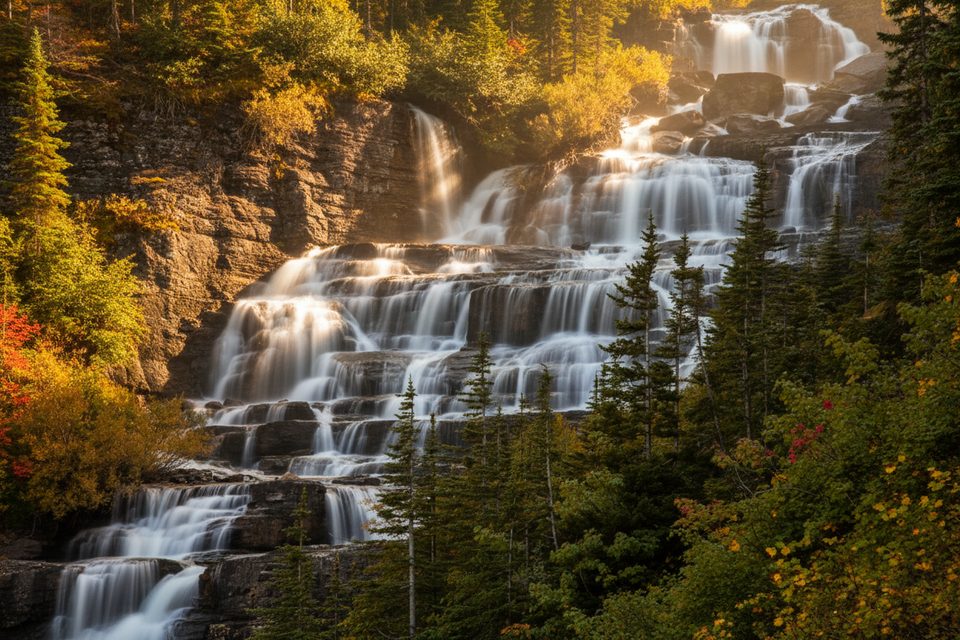
Place · 1.8 mi away
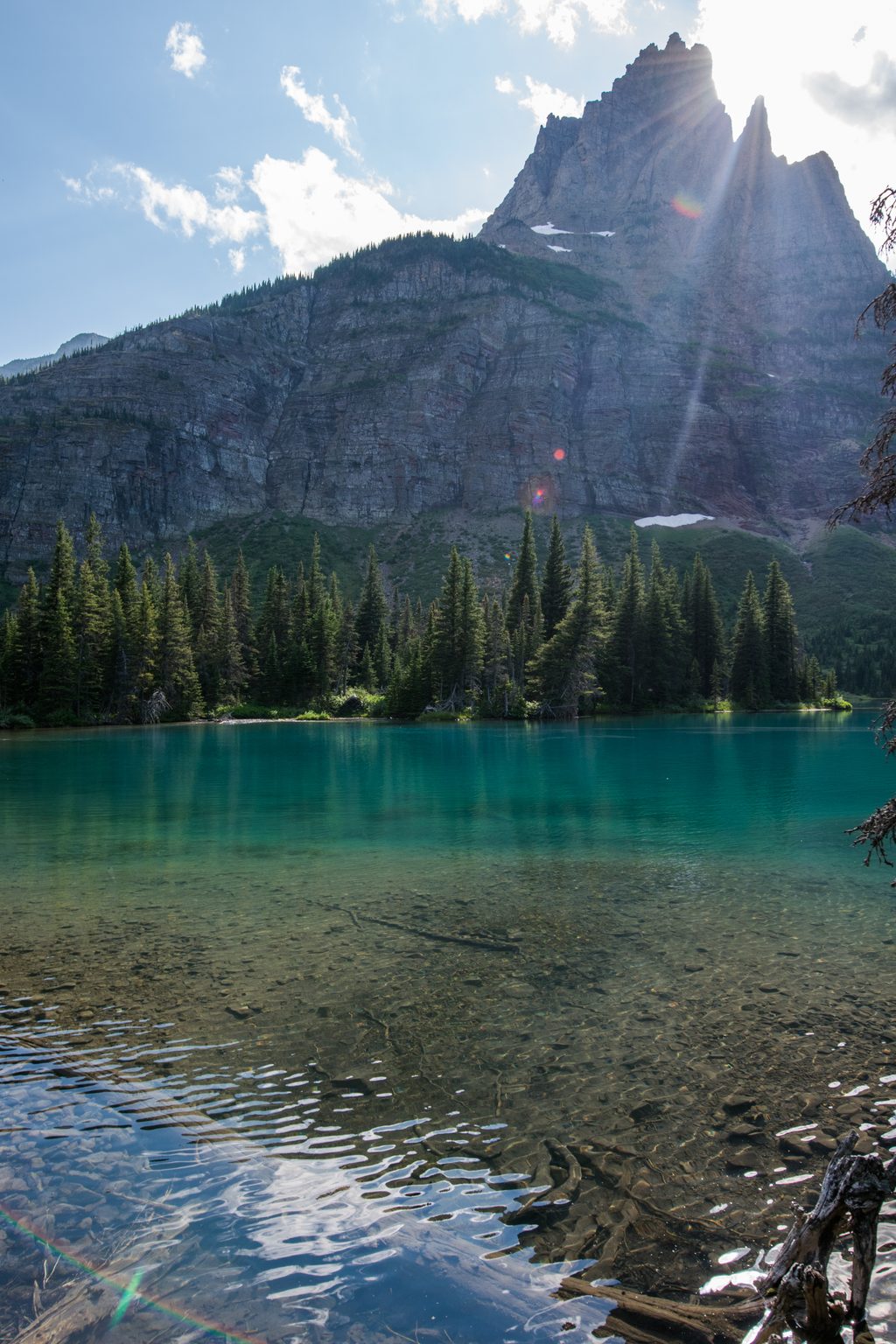
Place · 2 mi away
Place · 2.4 mi away
Challenging · 6.8 mi away
Challenging · 6.8 mi away
Challenging · 7.8 mi away
Challenging · 7.8 mi away

Parkwolf Tour Guide
