
Place · 0.5 mi away
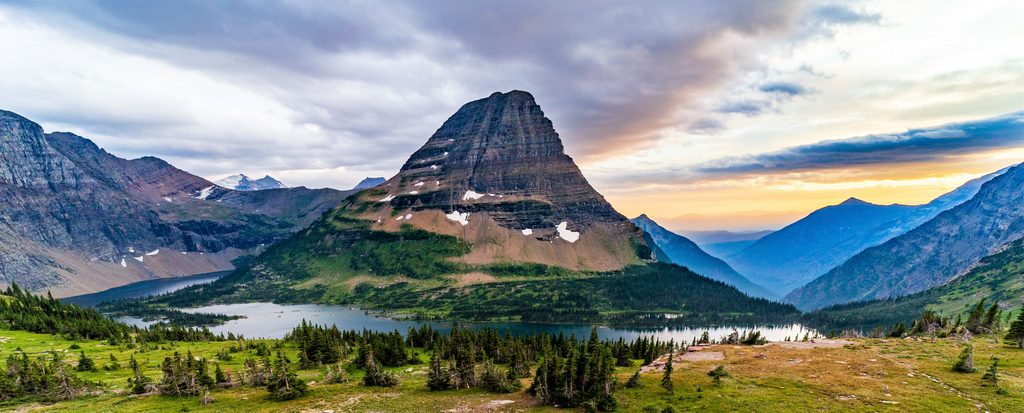
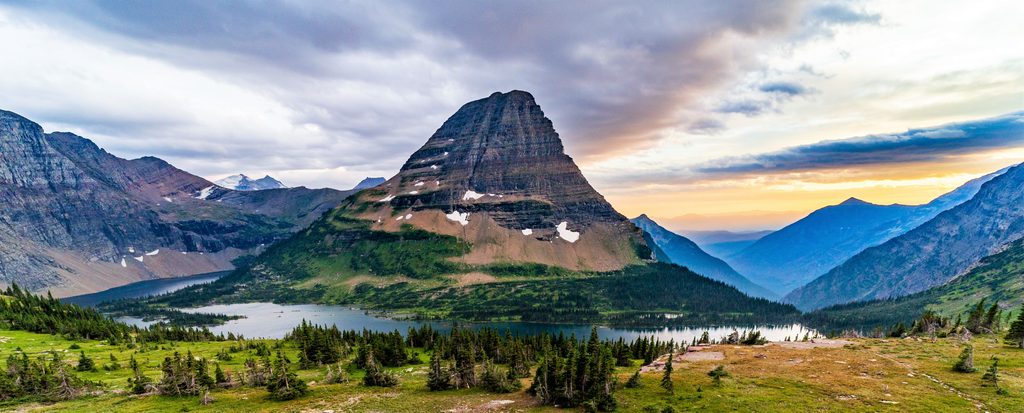
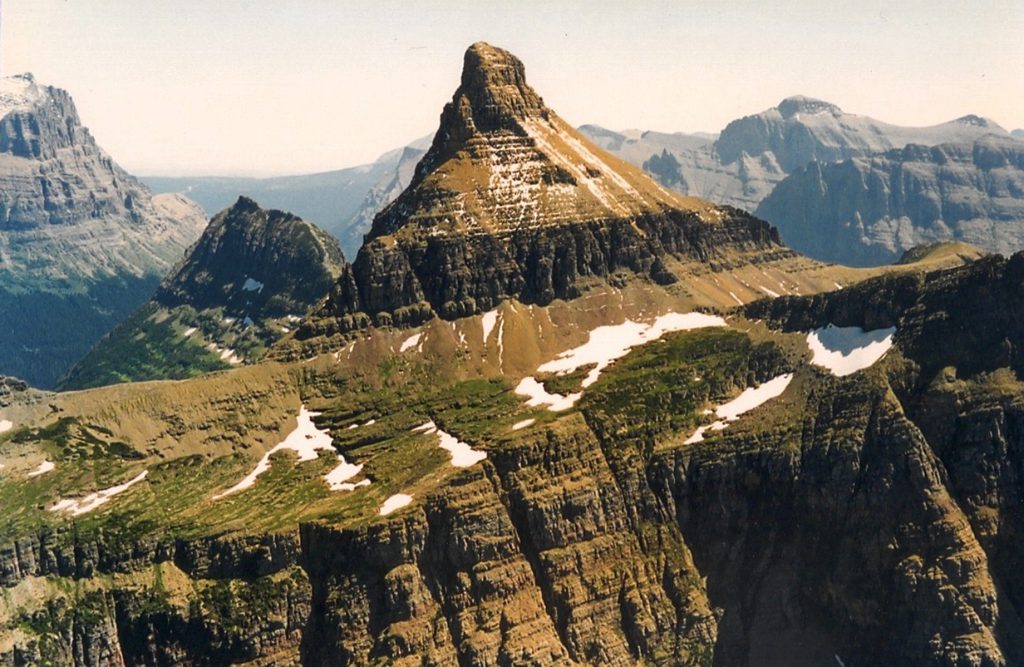
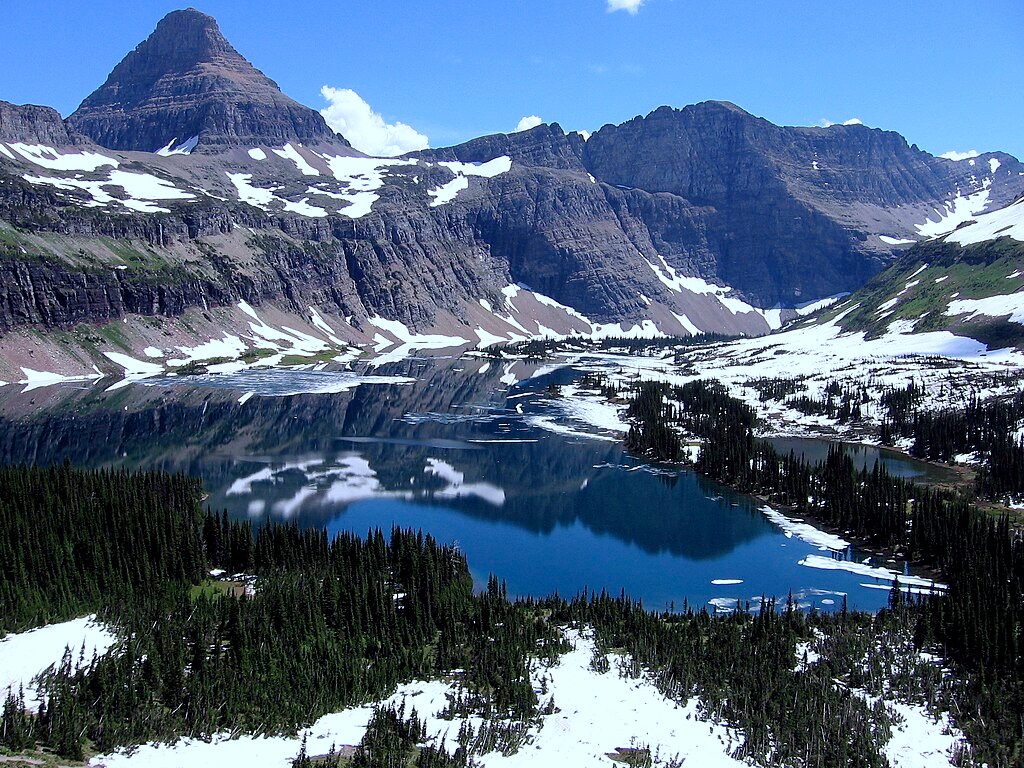
Hidden Lake sits in a glacial basin just west of Logan Pass, with Bearhat Mountain towering above it. You reach it via the popular Hidden Lake Overlook Trail that starts behind the Logan Pass Visitor Center. The first stretch—mostly boardwalk through alpine meadows—leads 1.35 miles to the overlook for a sweeping view of the lake and surrounding peaks. From there, a very steep path drops a little over a mile down to the lakeshore, with ever‑better vistas as you go.
Expect classic Glacier: a turquoise alpine lake rimmed by rugged cliffs, wildflower-filled meadows in summer, and a skyline dominated by Bearhat Mountain. From the overlook, the panorama takes in nearby summits like Mount Cannon and Fusillade Mountain. It’s one of the park’s most photogenic scenes, and you don’t need a huge effort to earn it—at least to the overlook.
This is one of the best spots in the park to see mountain goats; they’re commonly spotted near the overlook and along the trail. You might also see bighorn sheep and marmots. Grizzly bears occasionally use this basin, which is why the trail or even the lake itself can be closed at times—always check status before you go.
Early in the season, snow and ice linger; traction devices can be needed and footing can be slick. Weather changes quickly at this elevation—pack layers, sun protection, and plenty of water. Carry bear spray and stay alert; wildlife closures are not uncommon. The water is cold and conditions vary, so swimming or jumping in isn’t recommended.
Parking at Logan Pass fills very early. If you’re not keen on the pre-dawn parking hunt, plan to use the shuttle. Be flexible: closures for bear activity do happen. The park charges an entry fee, and at times a vehicle reservation is required for certain corridors—confirm requirements before your trip.
If you’re here for the classic view, the overlook is the money shot. The descent to the lakeshore is beautiful but steep and adds time and effort—worth it if you want to be on the water’s edge and don’t mind a stout climb back up.
Place · 0.5 mi away
Place · 0.9 mi away
Place · 1.2 mi away
Place · 1.3 mi away
Moderate · 1.7 mi away
Challenging · 1.7 mi away
Moderate · 3 mi away
Easy · 3.2 mi away

Parkwolf Tour Guide
