
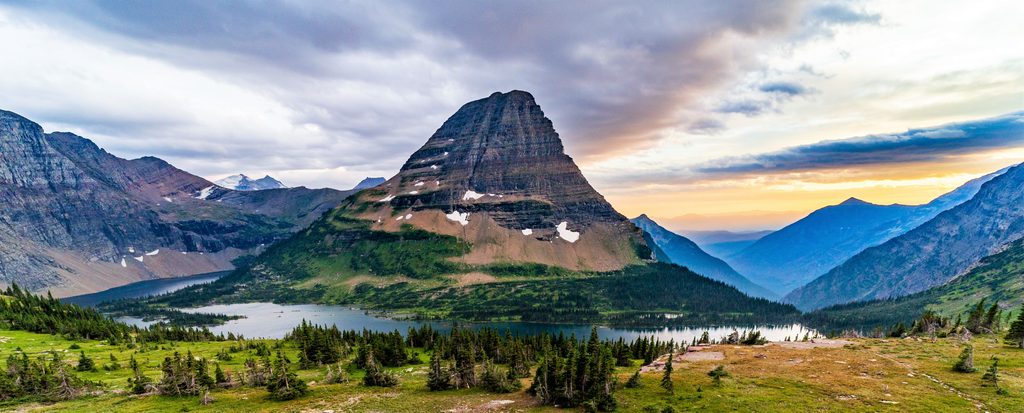
Place · 0.4 mi away
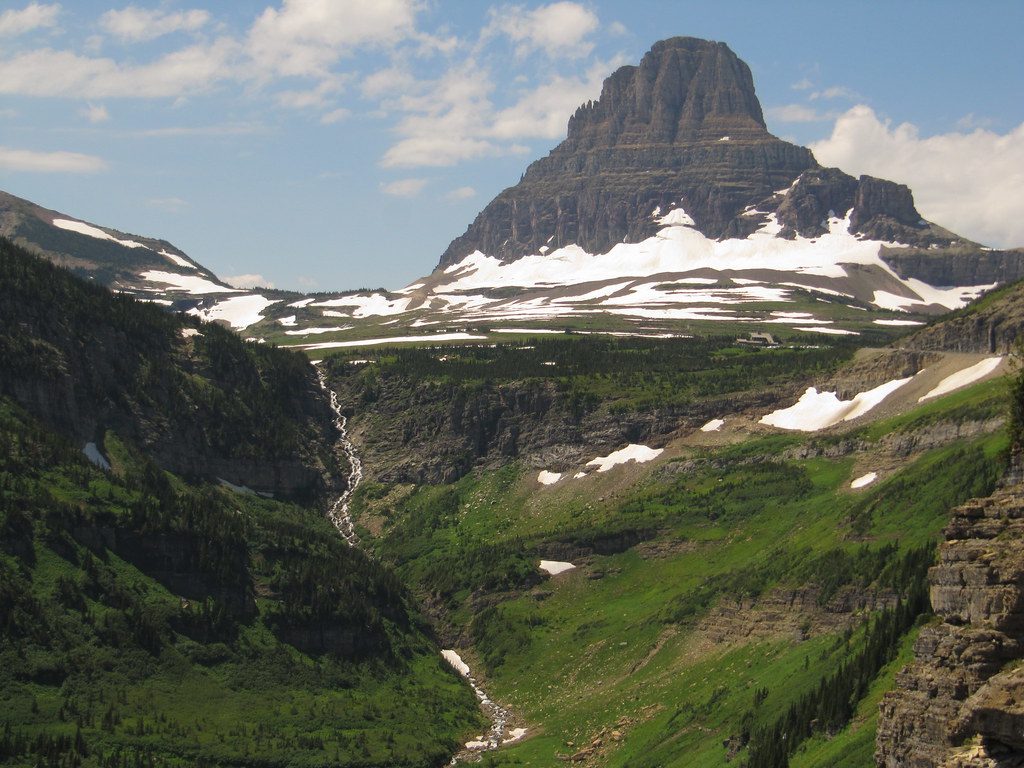
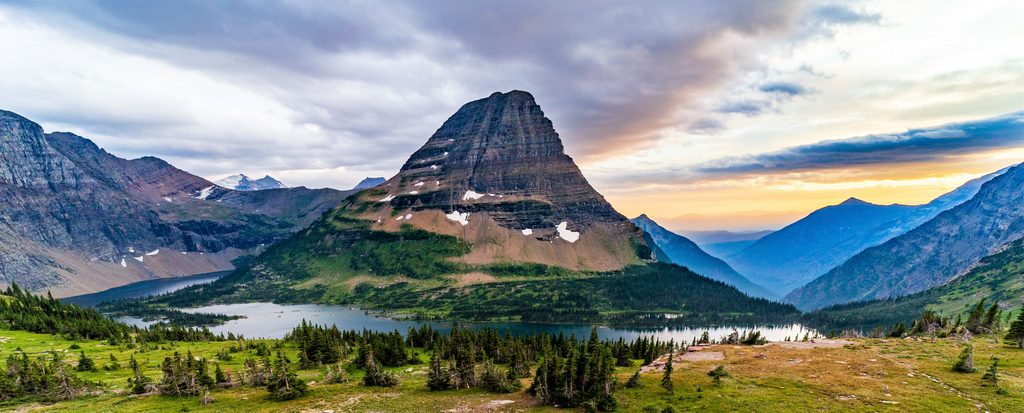
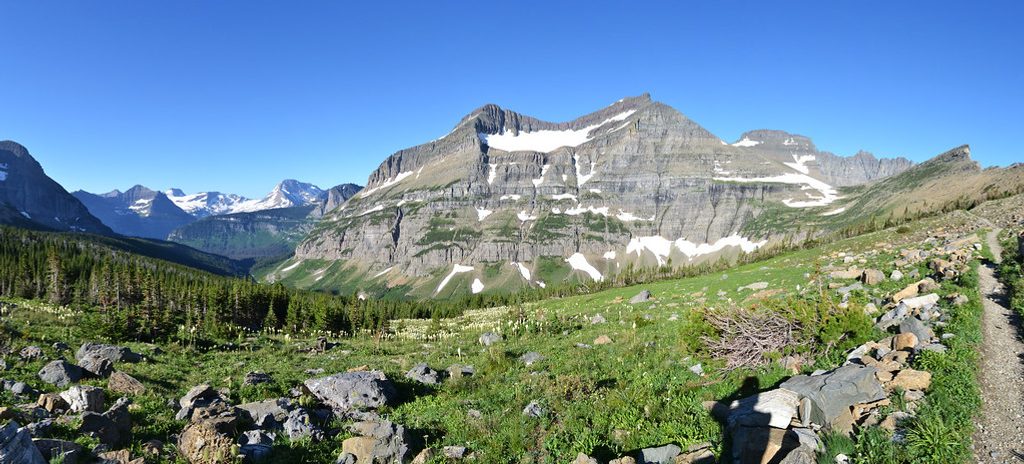
Clements Mountain rises to 8,765 feet in the Lewis Range, just west of Logan Pass and above the Hidden Lake Trail. It’s one of the most photogenic profiles in the pass, instantly recognizable from the Logan Pass area and the Hidden Lake Overlook. Think dramatic cliffs, layered sedimentary rock, and an alpine backdrop that does a lot of the heavy lifting for your photos.
If you’re already at Logan Pass, you’ll stare at Clements whether you plan to or not—it dominates the skyline. For photographers and sightseers, it’s a ready-made subject from the pass and the Hidden Lake Trail. For experienced scramblers, it’s a satisfying, close-to-the-road alpine objective without a long approach.
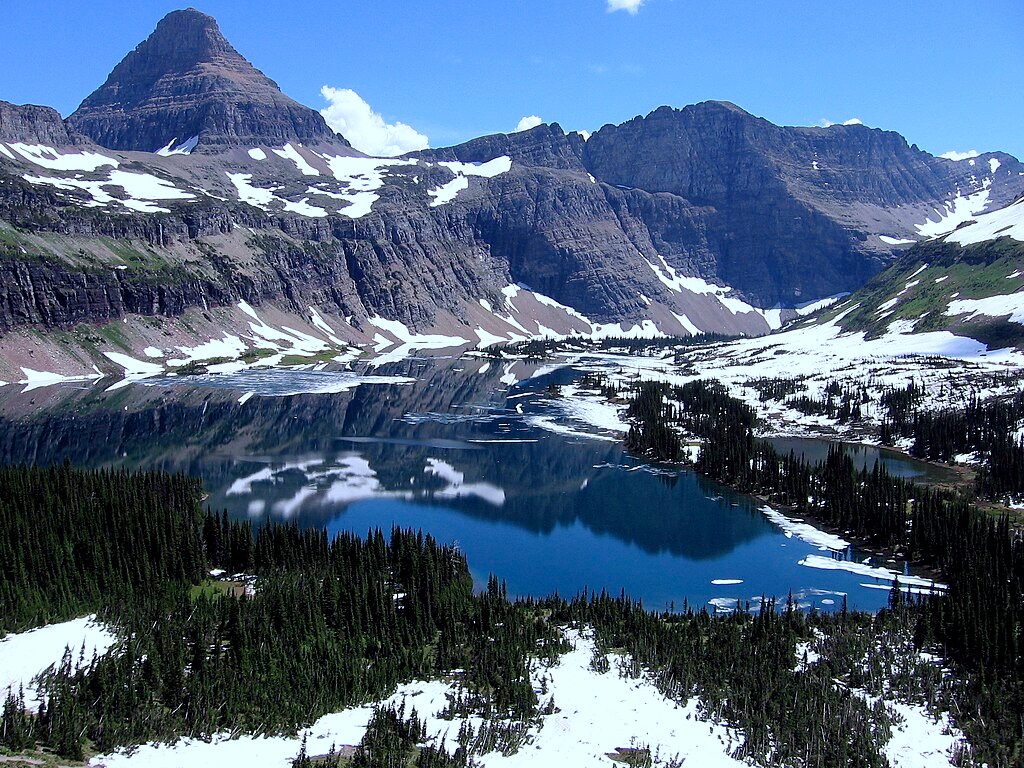
From the pass and on the mountain, expect sweeping views into the Hidden Lake basin and the Hanging Gardens meadows, with neighboring summits like Reynolds Mountain, Mount Oberlin, and Mount Cannon framing the scene. Late summer often brings wildflowers on surrounding slopes, and the east face catches light beautifully from the Logan Pass side.
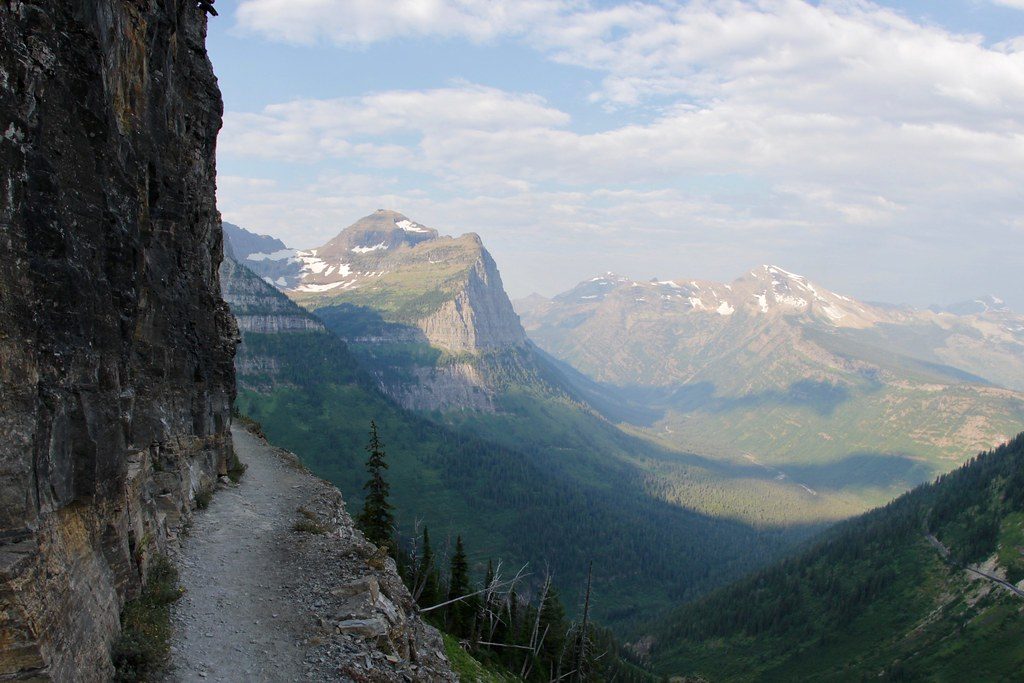
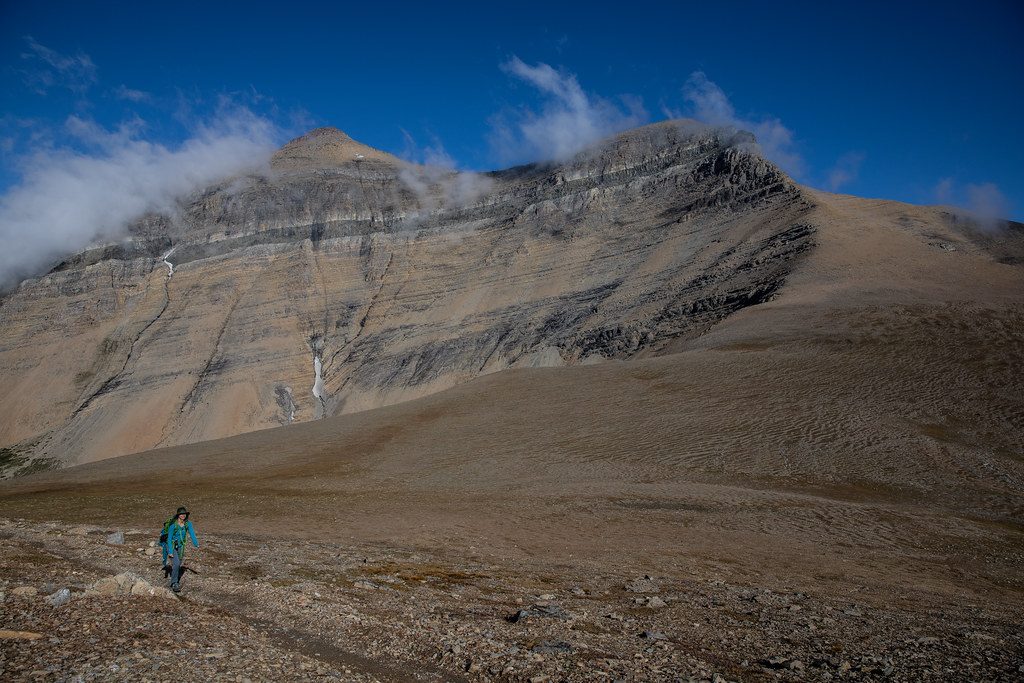
There’s no signed trail to the summit. Most parties start on the Hidden Lake Trail, then leave it near the overlook to gain the west ridge. That standard line is a Class 2–3 scramble with roughly 2,300 feet of elevation gain and off‑trail route‑finding. The east face involves steeper, more exposed Class 3–4 ledges—only for those comfortable with airy moves. Conditions matter: lingering snow or ice can turn a fun scramble into a serious undertaking.
Mountain goats are commonly encountered around Logan Pass and along the ridges—memorable to see, but give them a wide berth. You’ll notice “goat paths” on ledges; don’t assume they’re the safest human route.
There are no amenities on Clements Mountain—no parking, restrooms, or water. You’ll stage everything from Logan Pass. The meadows around the pass are sensitive; stay on designated trails where required and keep off fragile vegetation when you leave the trail for the scramble. Weather shifts fast at altitude; expect wind and bring layers.
Clements is built of ancient sedimentary rock shaped by the Lewis Overthrust, which shoved older strata over younger layers—those horizontal ledges you use while scrambling are the mountain’s geology doing you a favor. The peak is named for Walter M. Clements, tied to early land negotiations on the park’s east side.
Place · 0.4 mi away
Place · 0.8 mi away
Place · 0.8 mi away
Place · 0.9 mi away
Challenging · 1 mi away
Moderate · 1 mi away
Challenging · 3.4 mi away
Moderate · 3.4 mi away

Parkwolf Tour Guide
