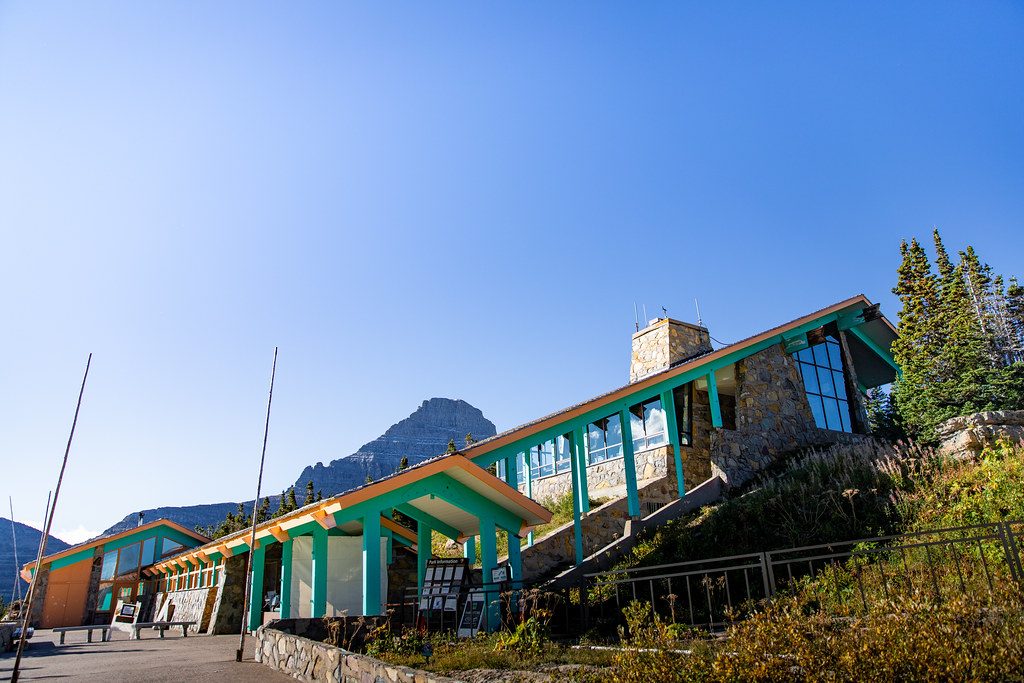
Logan Pass Visitor Center

Alpine hub for big views, wildlife, and marquee trails
Logan Pass Visitor Center, Glacier National Park
InsideGlacier National Park

Overview

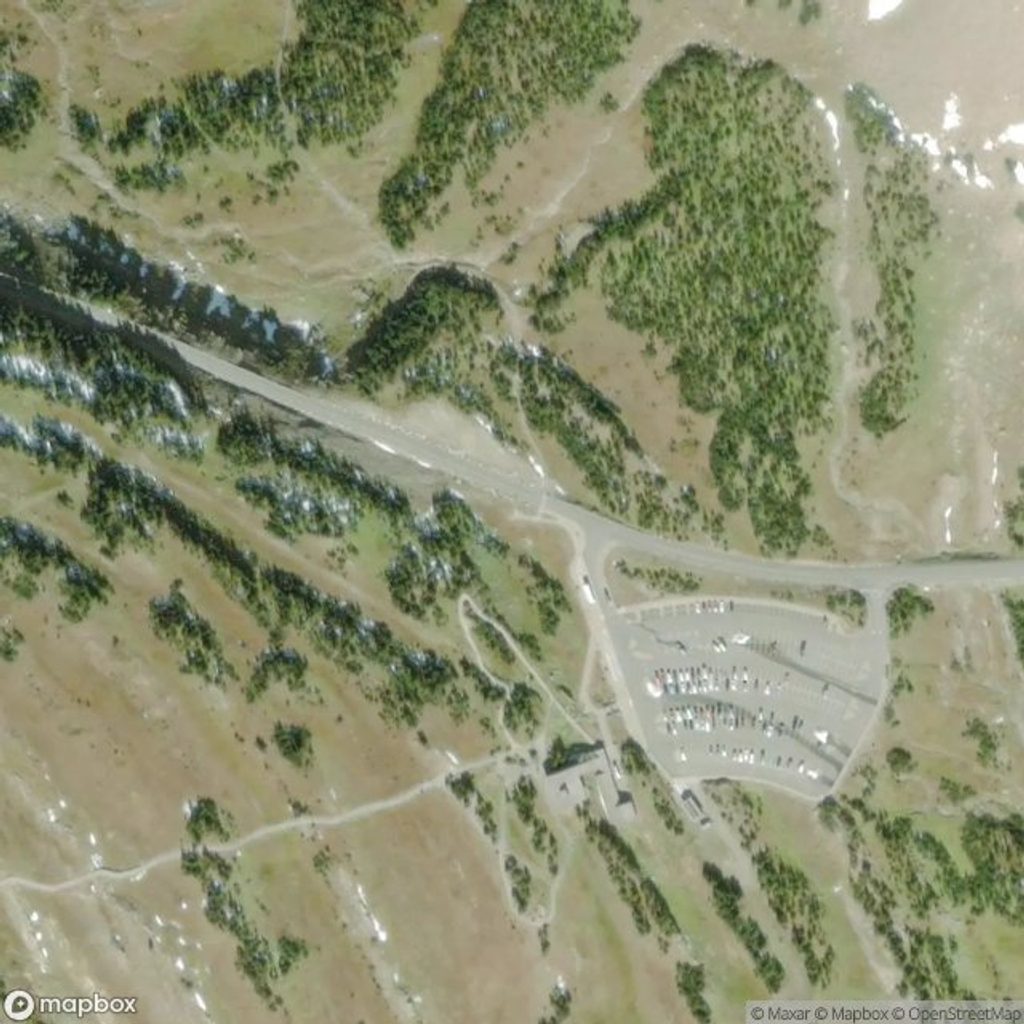
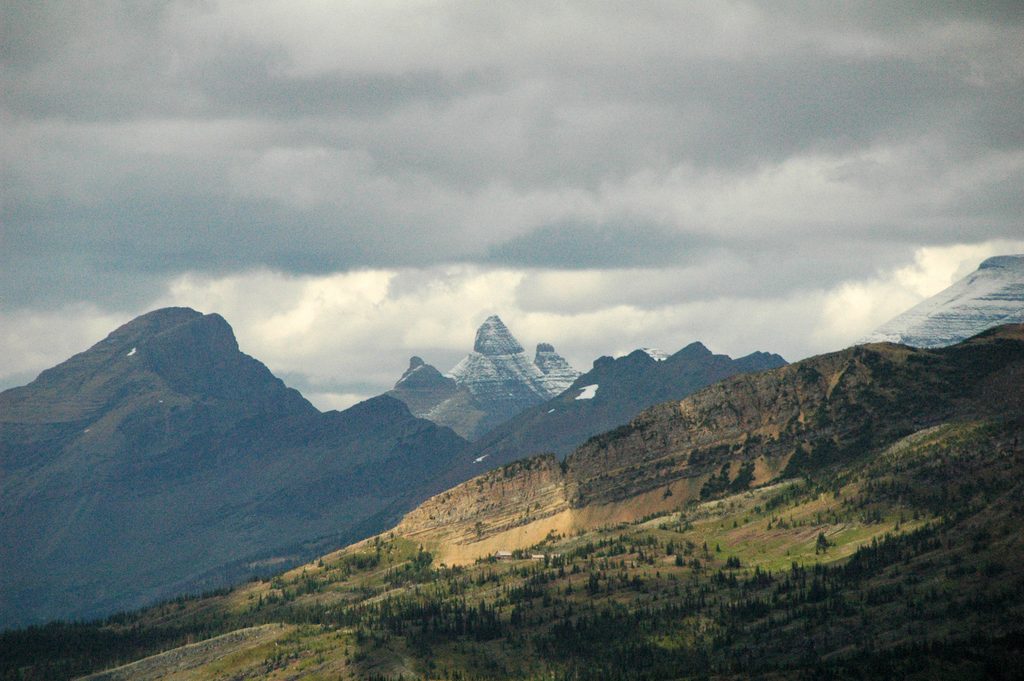
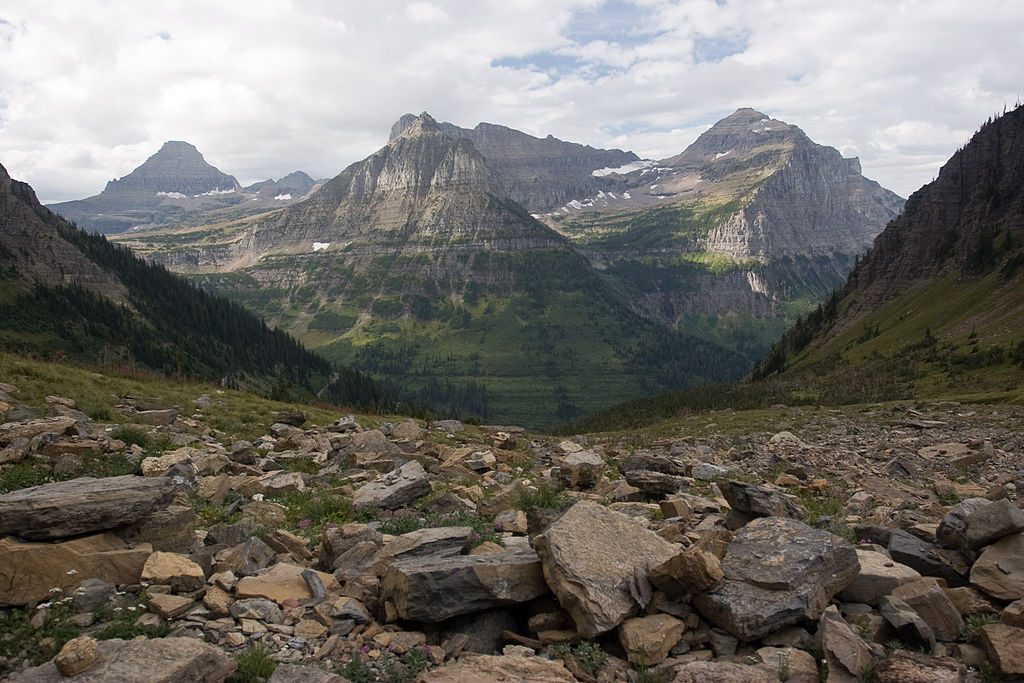
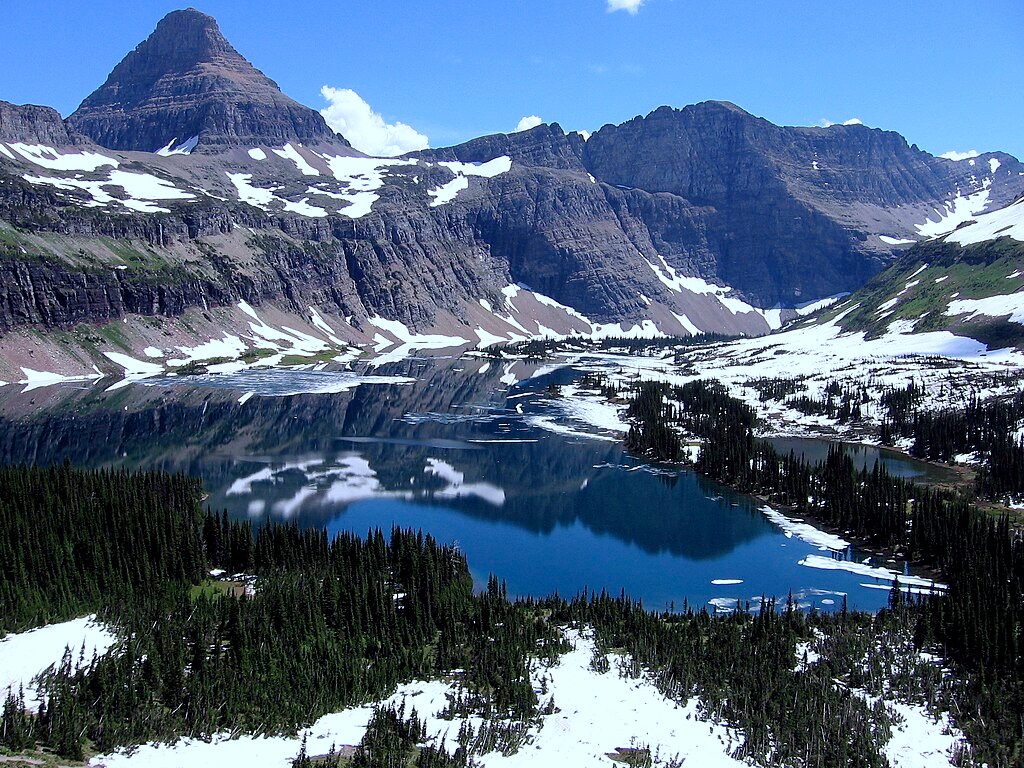
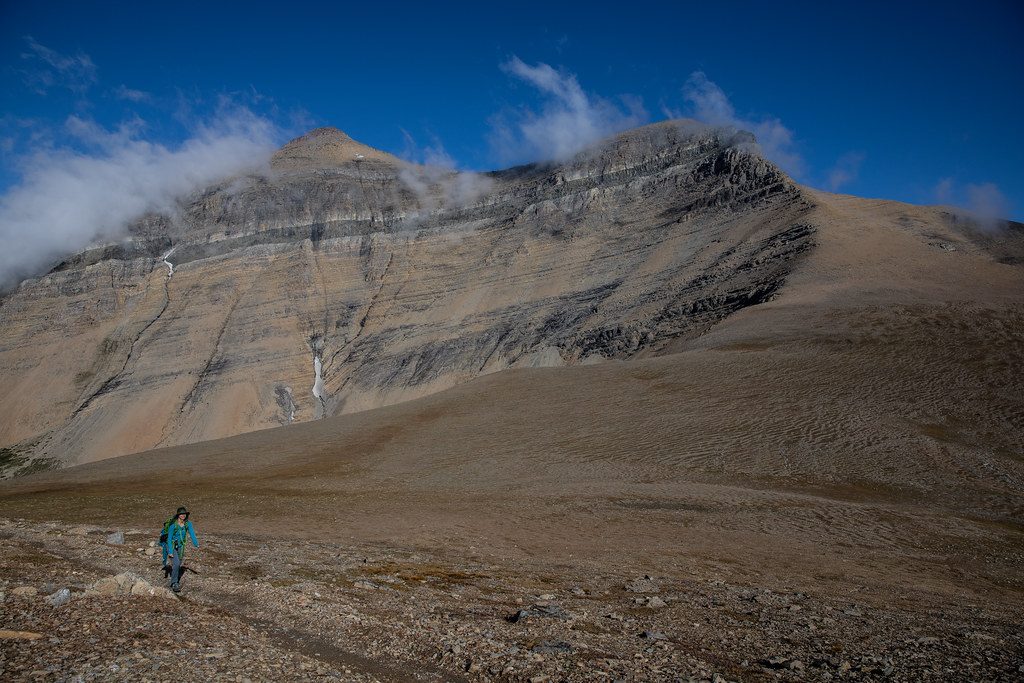
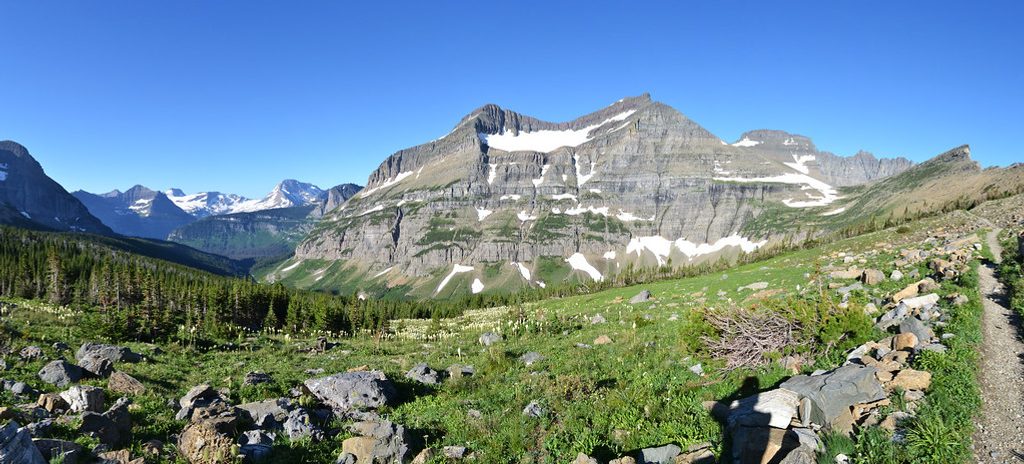
Perched at 6,646 feet on the Continental Divide, the Logan Pass Visitor Center is the high-country hub of the Going‑to‑the‑Sun Road. You’re dropped into alpine meadows backed by serrated peaks—Mount Reynolds, Mount Clements, and Bearhat Mountain frame the scene—and it feels like you’ve stepped into the park’s postcard.

The building itself is a slice of park history, a Mission 66 design that now carries National Register recognition. Inside and around the center, exhibits zero in on the fragile alpine ecosystem and how a warming climate is reshaping life at the pass.

What You'll See

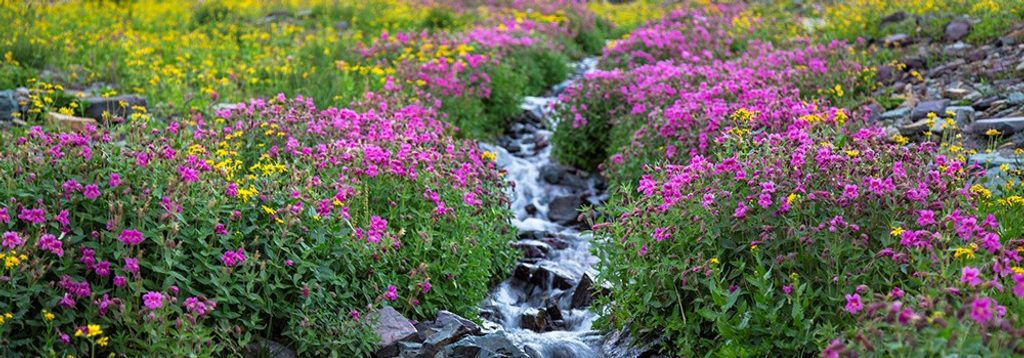
  • Summer wildflowers carpeting the meadows below towering peaks.
  • Sweeping, photogenic vistas in every direction—this is a sunrise stunner.
  • Thoughtful interpretive displays that make sense of the geology, plants, and wildlife you’re seeing.

Trails from the Door

Two of the park’s marquee hikes start here:

  • Hidden Lake Overlook: A mix of boardwalk and gravel climbs through meadows to a classic overlook. Stay on the boardwalk to protect the tundra.
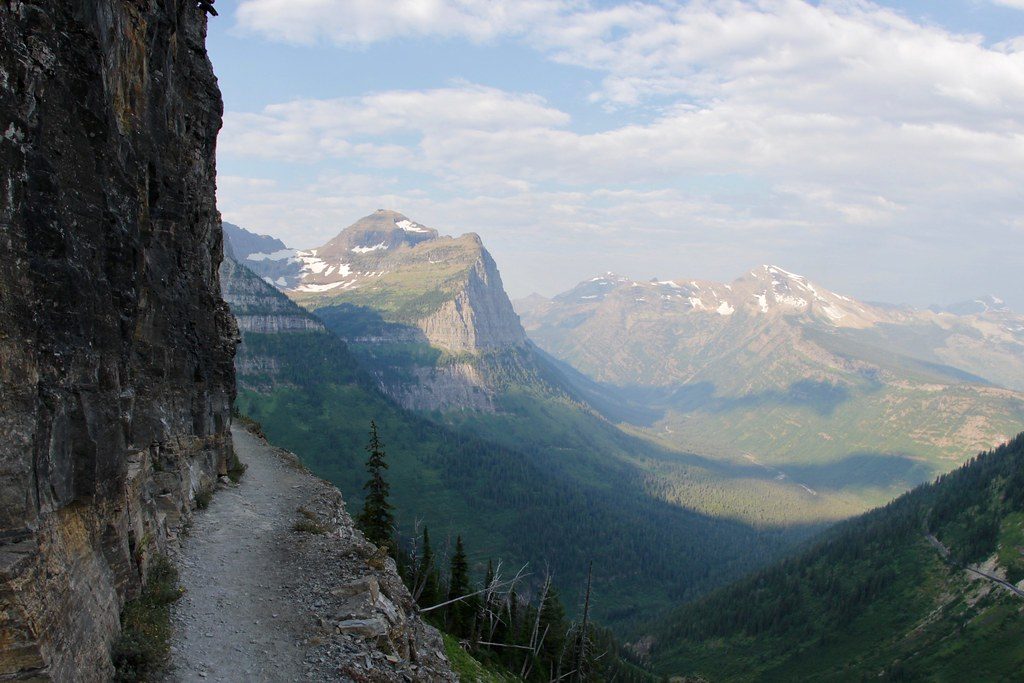
  • Highline Trail: The iconic traverse begins right across the road—start early to beat the crowds and heat.

Wildlife

This is prime wildlife country. Early mornings are your best bet for spotting animals moving across the meadows; mountain goats and bighorn sheep are the headliners, with the occasional bear sighting in the wider area. Bring binoculars and give wildlife lots of space.

Amenities and Services

Expect a ranger-staffed information desk, gifts/souvenirs/books, and exhibits focused on alpine life and climate. Restrooms are available (some facilities are seasonal). There’s a major shuttle stop here connecting both sides of the road, and a large parking lot that’s popular—and it shows.

Crowd Reality

Logan Pass is wildly popular. The parking lot is commonly full between about 8:30 am and 4:00 pm in peak season. If you’re driving, think crack‑of‑dawn or late afternoon. Otherwise, lean on the free park shuttle and save yourself the loop‑around stress.

Best Time to Visit

  • Early morning: softer light, better wildlife chances, easier parking.
  • Late afternoon/early evening: thinning crowds and warm, directional light for photos.
  • Weekdays beat weekends in peak summer; shoulder season brings calmer days, but some services may be limited.

Quick Tips

  • Dress in layers—alpine weather swings from sun to chill quickly.
  • Pack water and snacks; there’s no food service here.
  • If you’re here to hike, start early. Hidden Lake and the Highline get busy fast.
  • Use the shuttle if you’re not keen on the parking scrum.

Pros

  • Gateway to Hidden Lake Overlook and the Highline Trail
  • Big alpine views right on the Continental Divide
  • Engaging exhibits and on-site ranger info

Cons

  • Parking often fills from mid‑morning to late afternoon
  • No food service on site
  • Alpine weather changes fast, even in summer

Tips

  • Arrive before 8:30 am or after 4 pm, or take the free shuttle.
  • Start Hidden Lake Overlook or the Highline Trail right from the visitor center.
  • Stay on the boardwalks to protect fragile alpine vegetation.
  • Bring layers, sunglasses, and sunscreen—conditions change fast at 6,600+ feet.
  • Aim for early morning for wildlife and the best, low-angle light.
The Parkwolf tour guide sitting on a phone mounted in a car

Parkwolf Tour Guide

Like a tour guide in your car.

Save the places you found around Glacier, then let Parkwolf guide the drive between them.Download Parkwolf on the App Store