
Place · 8.2 mi away
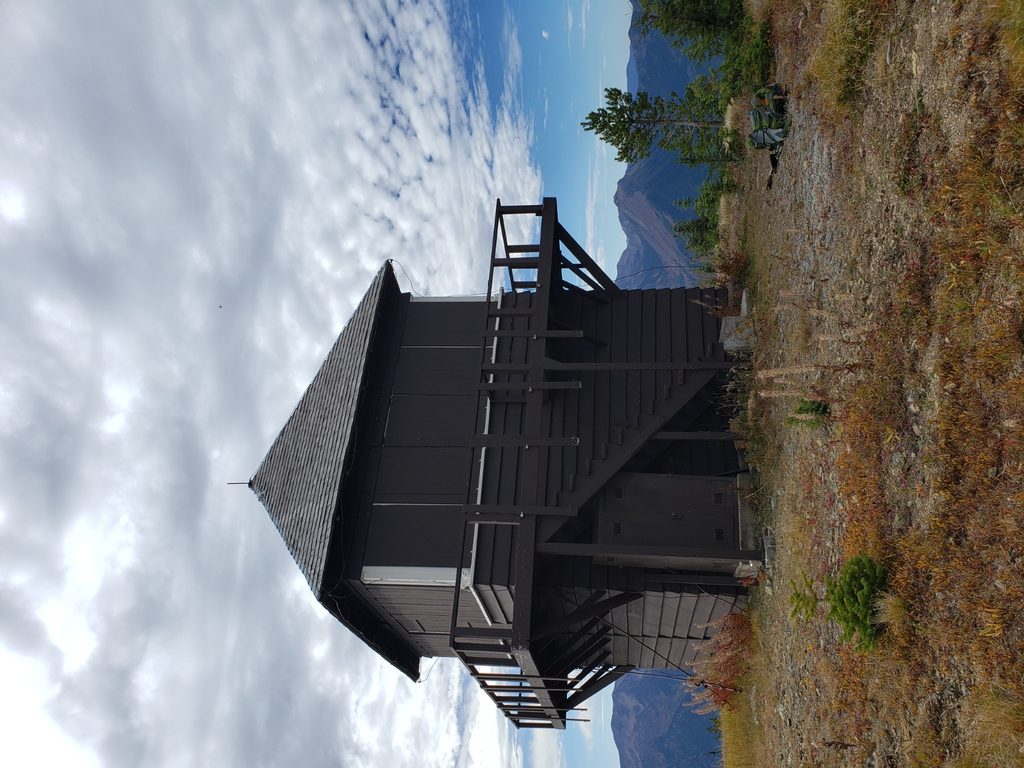
Loneman Lookout is a big, quiet day in the park’s wild south side. It’s strenuous and remote, with serious river fords and a brushy, lightly traveled trail—but the summit panorama pays you back in spades. If you crave solitude and a sweeping look into Glacier’s core, this one’s for you.
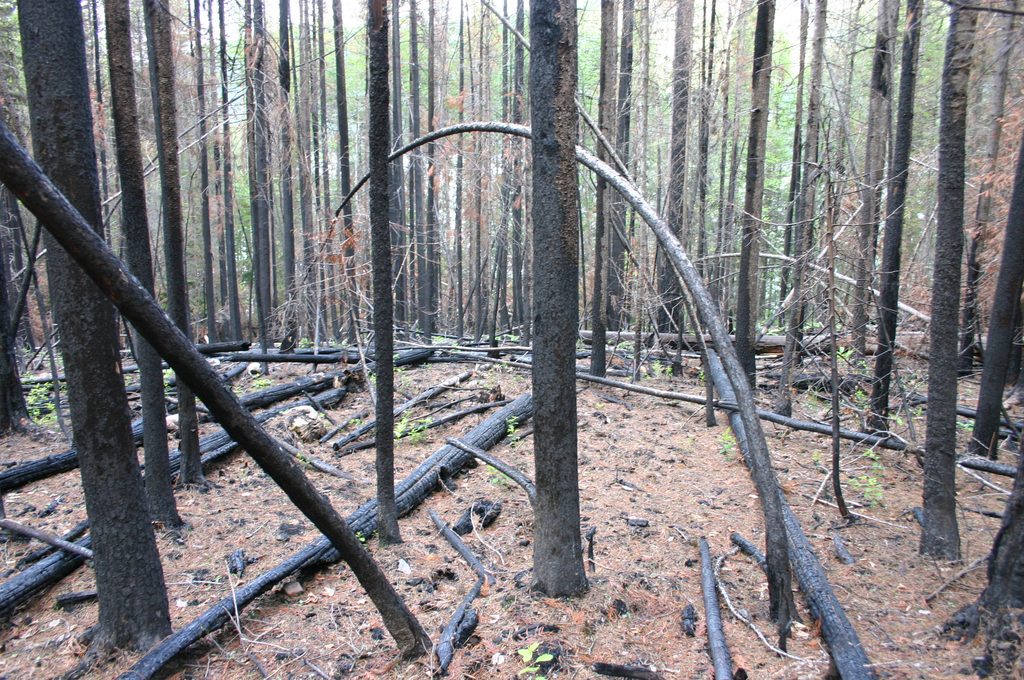
Reaching the route starts with fording the Middle Fork of the Flathead River at Nyack Crossing, and often an additional Nyack Creek ford. Water levels vary—sometimes it’s a mellow braid, other times it’s a hard no-go. After the ford, you’ll briefly follow the South Boundary Trail before turning up a faint, unsigned junction that’s easy to miss without offline maps. Expect long climbing through old burn, then open slopes and switchbacks to the lookout ridge.
Brush and overgrowth are common on lower sections; long pants help. Some hikers report a “mule trail” variant on the return that’s less overgrown—ask rangers about current junction details before you go.
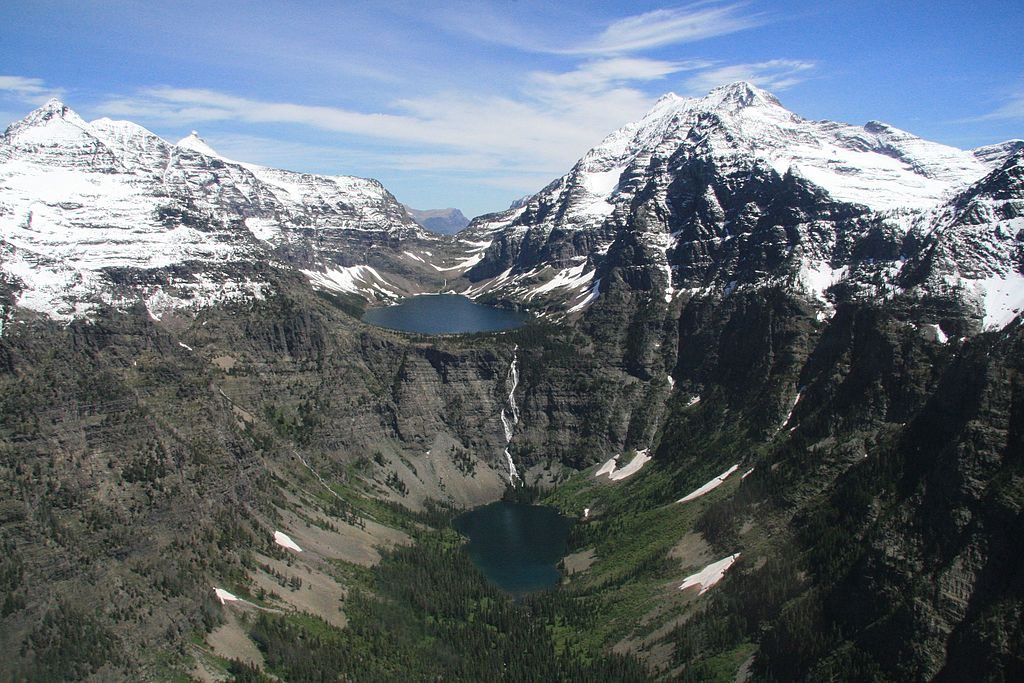
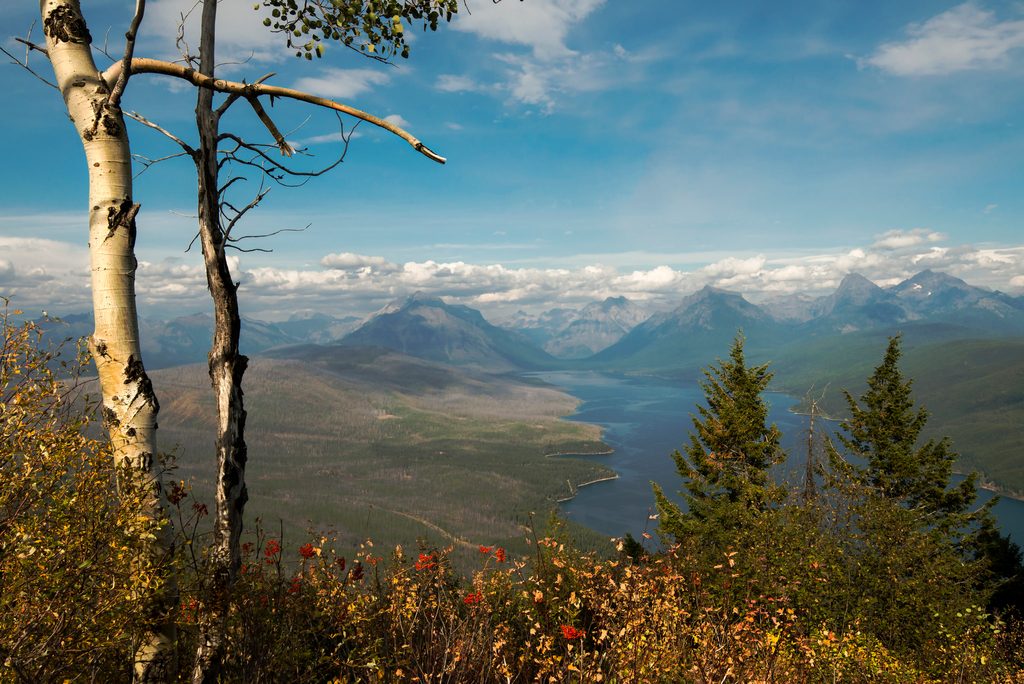
Views open early over Nyack Flats and the Middle Fork drainage. Higher up, the mint-green waters of Harrison Lake pop into view, with Walton Mountain, Mount Jackson, and the hulking Stimson massif lining the horizon. The summit ridge dishes out 360-degree, big-country scenery you won’t get from the park’s busier trails.
This is true grizzly country. Expect bear sign and make noise in brush and berry patches; carry spray and know how to use it. Elk bugle in September—magical if you catch it. Mosquitoes and flies can be intense mid-season, so bring strong repellent.
Aim for mid-August through September when runoff has eased and crossings are lower. Start early to bank time for scouting safe fords, route-finding at the unsigned turn, and lingering on top. For photos, morning and late-day light rake the burn slopes and set Harrison Lake glowing.
There are no services at the start—no toilets, water, or trash cans—so bring everything and pack it back out. Cell service is spotty to none. Footwear that handles wet, slick cobbles is a must; sandals or camp shoes and trekking poles are clutch for the fords. Carry offline maps plus a paper backup, bear spray, sun protection, layers for summit wind, and water treatment (Nyack Creek is a reliable source later in season). This route is not recommended in winter.
Loneman is a superb but committing outing: long, quiet, and occasionally scratchy—then a knockout summit. It’s best for experienced hikers comfortable with river fords, navigation, and grizzly country. Pick a low-water window, check in with rangers, and go prepared.
Place · 8.2 mi away
Place · 8.5 mi away
Place · 8.7 mi away
Place · 8.9 mi away
Challenging · 9.1 mi away
Challenging · 9.9 mi away
Easy · 10.4 mi away
Challenging · 11 mi away

Parkwolf Tour Guide
