
Place · 0.2 mi away
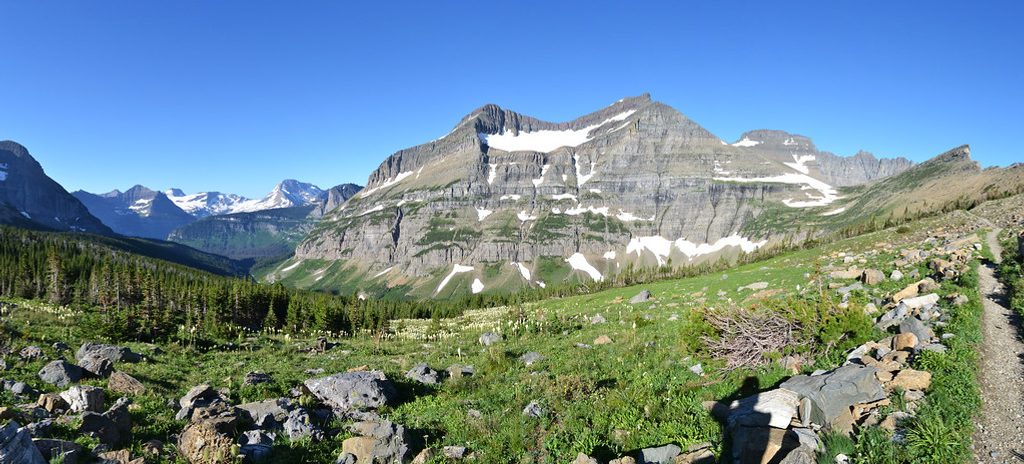
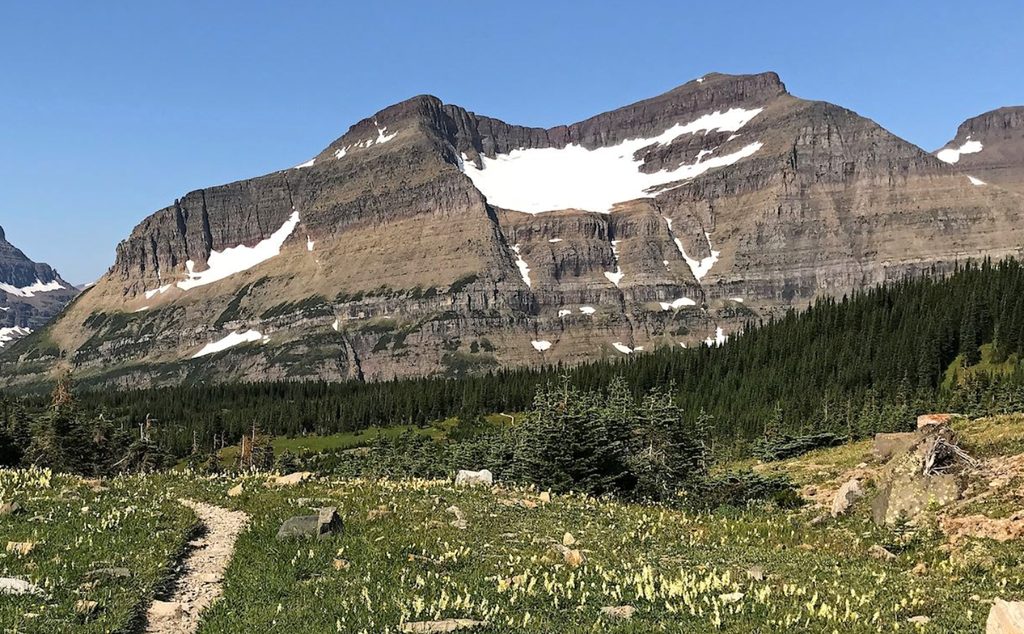
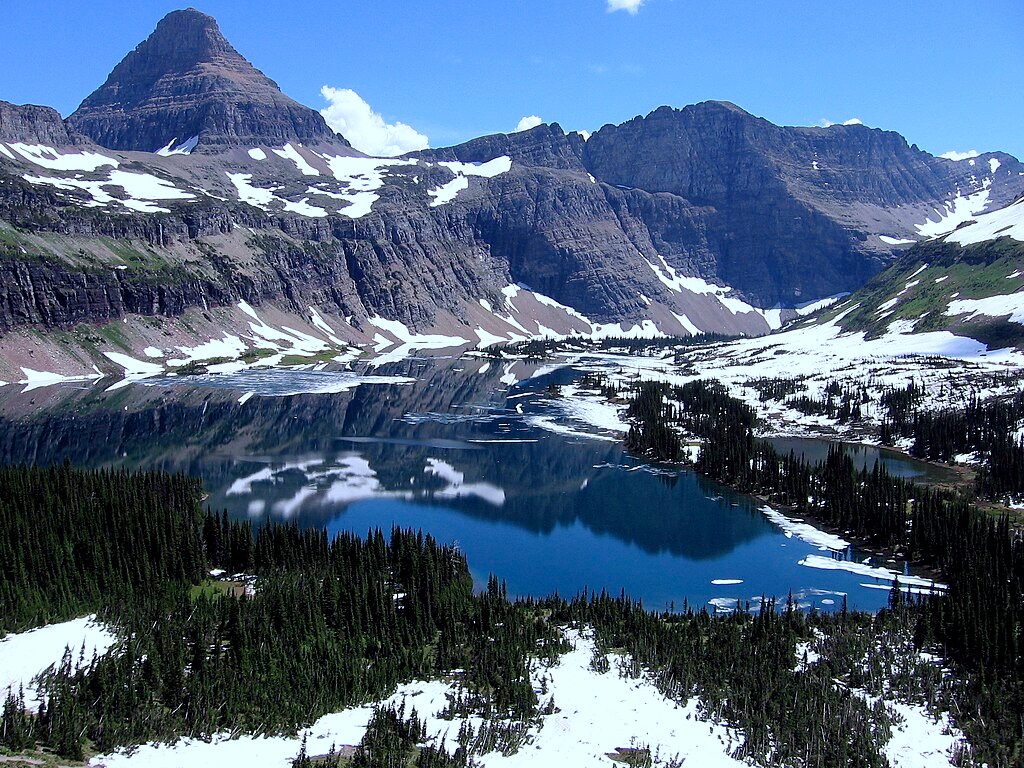
Piegan Glacier sits tucked in a classic cirque on the slopes of Piegan Peak. It’s part of the park’s small, high‑country alpine glaciers—remnants of colder periods that expanded during the Little Ice Age and have been retreating since the mid‑1800s. Across the park you’ll see U‑shaped valleys, arêtes, horns, moraines, and hanging valleys carved by ice over thousands of years. Today, all of the park’s glaciers are melting, and the story of Piegan Glacier is a front‑row look at that change.
When the park was established, there were about 80 named glaciers; now there are roughly two dozen. The rocks around the pass showcase the park’s deep-time geology too—colorful Belt Supergroup layers uplifted along the Lewis Overthrust, then sculpted by Ice Age glaciers into the dramatic relief you’re hiking through.
There’s no roadside viewpoint for Piegan Glacier; most people appreciate it as part of a day on the Piegan Pass corridor. From the east side, you can hike out‑and‑back from Siyeh Bend to Piegan Pass for big alpine views, or commit to the point‑to‑point traverse between Many Glacier and the Going‑to‑the‑Sun Road. From this corridor you’ll get excellent looks at nearby glaciers and classic glacial landforms; Jackson Glacier is often visible on the GTTSR side. Strong winds are common near the pass and saddle.
The route is generally best from June through October, but snowfields can linger into July. Expect wind on the pass, and watch for fast‑building thunderstorms—the upper stretches are exposed. Sturdy boots, layers, and trekking poles are smart. Wildlife is part of the draw and the responsibility here: hikers report moose, pika, marmots, foxes, and occasional grizzly. Carry bear spray and give all animals space.
Aim for the core summer window (July–September) for the most reliable footing, with the understanding that early July can still hold snow. Start early for parking, cooler temps, and a weather buffer. On shoulder‑season days in June and October, be prepared for lingering snow, colder winds, and shorter shuttle hours.
Place · 0.2 mi away
Place · 0.9 mi away
Place · 1.3 mi away
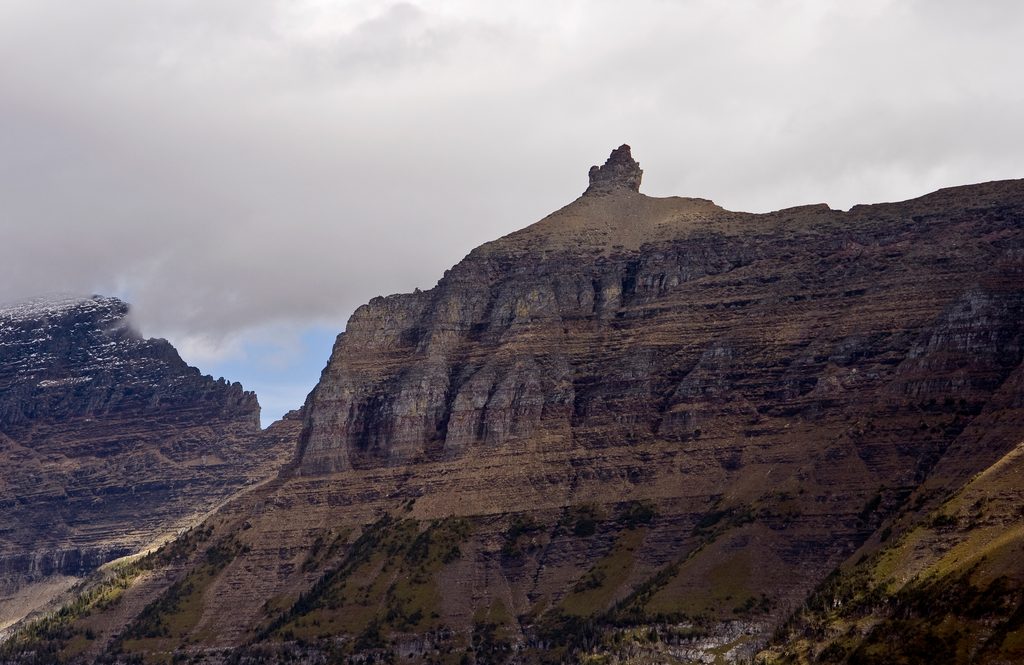
Place · 1.6 mi away
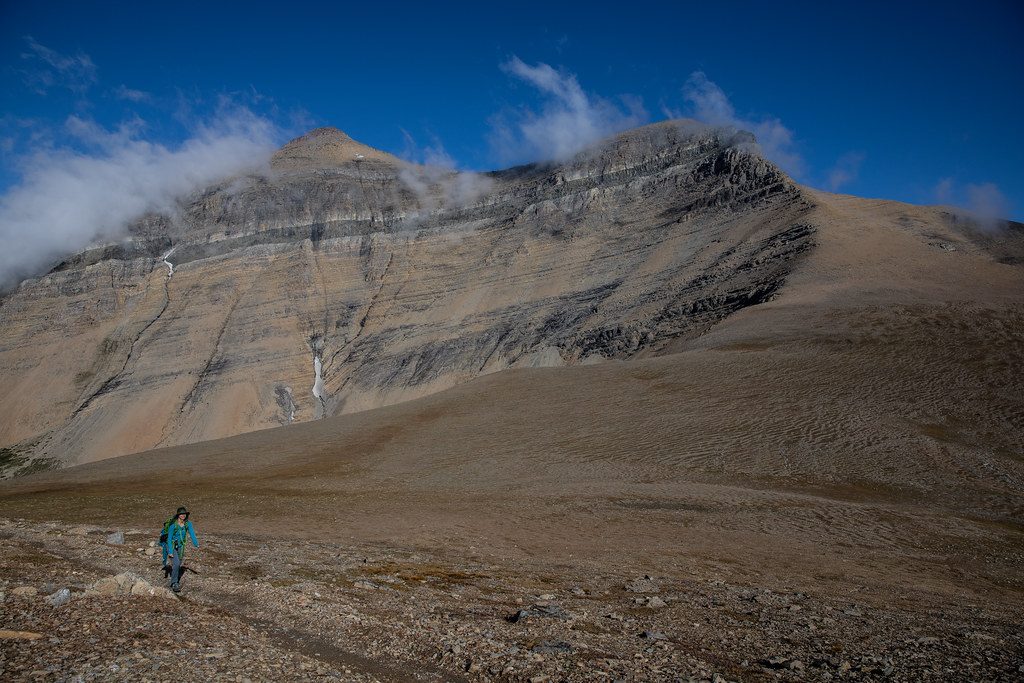
Challenging · 0.9 mi away
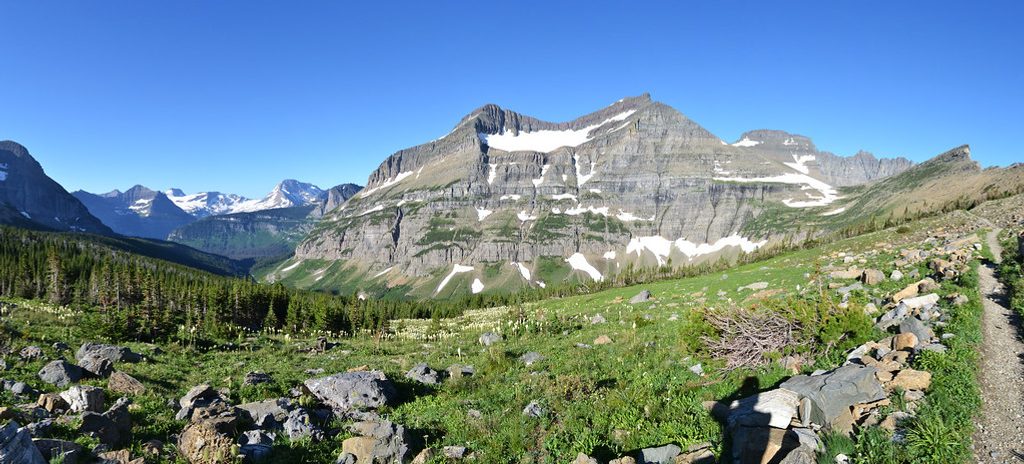
Moderate · 0.9 mi away
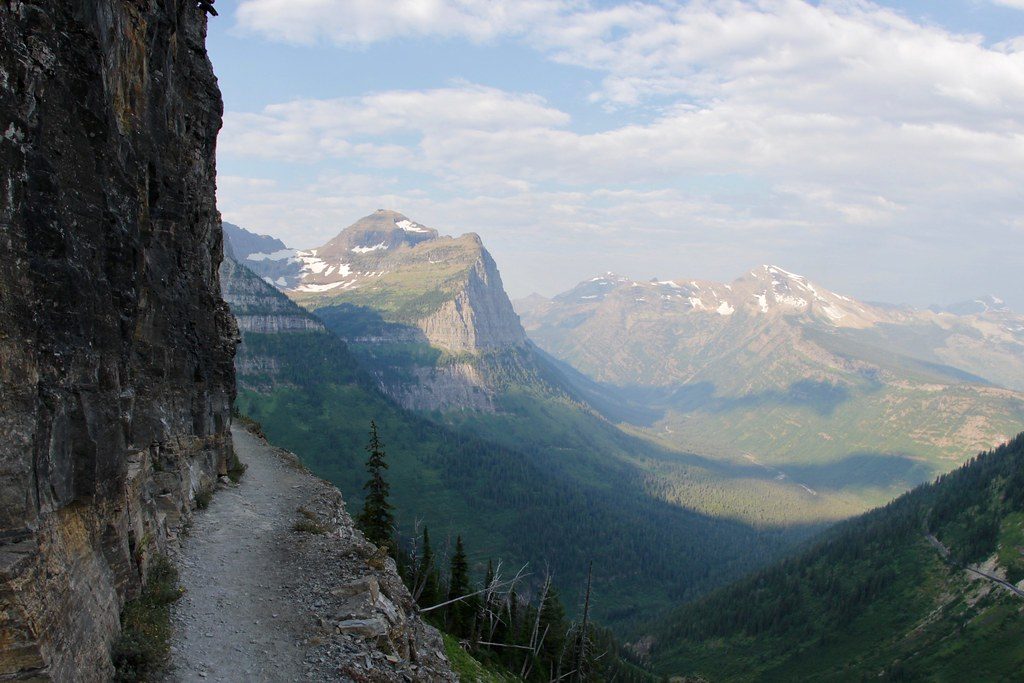
Challenging · 1.7 mi away
Moderate · 1.8 mi away

Parkwolf Tour Guide
