Overview
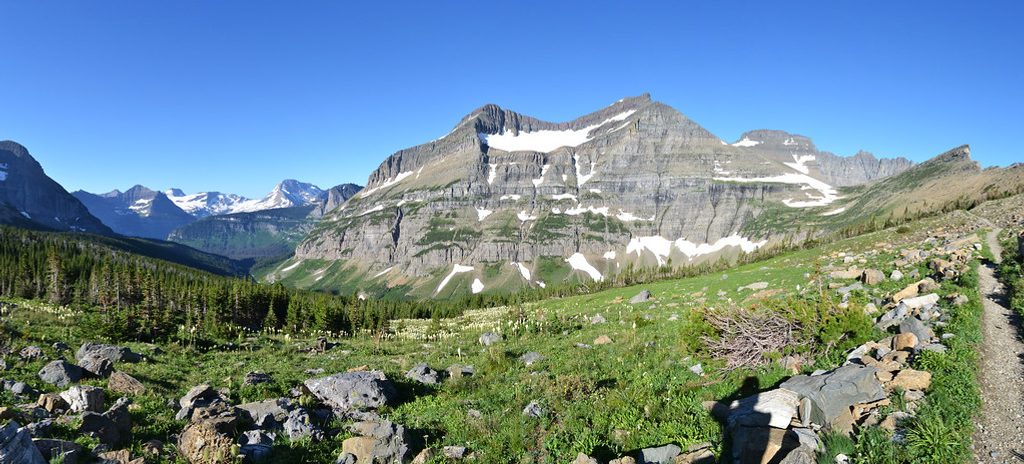
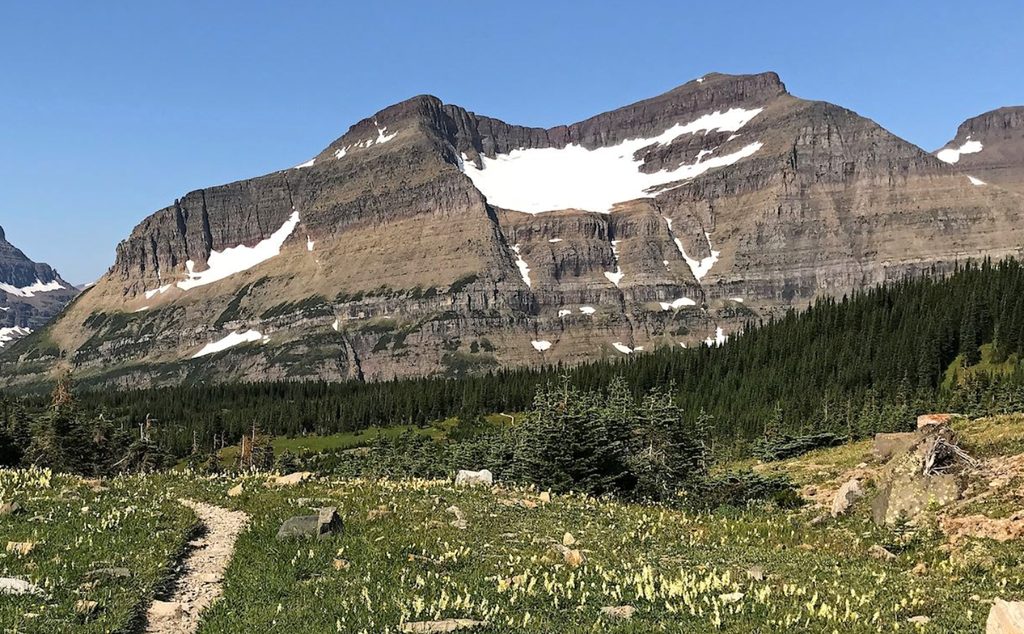
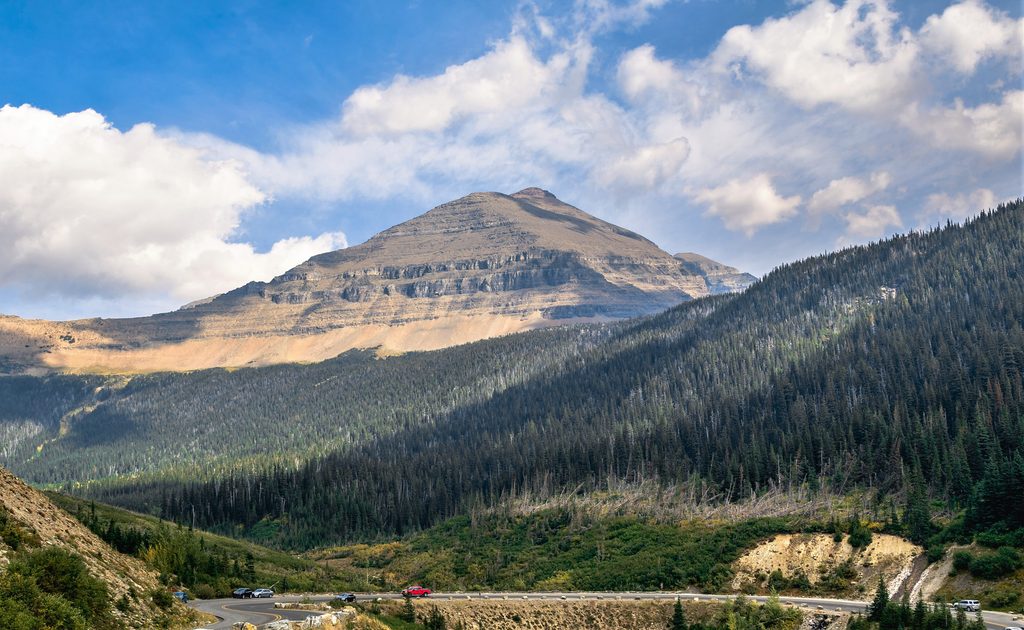
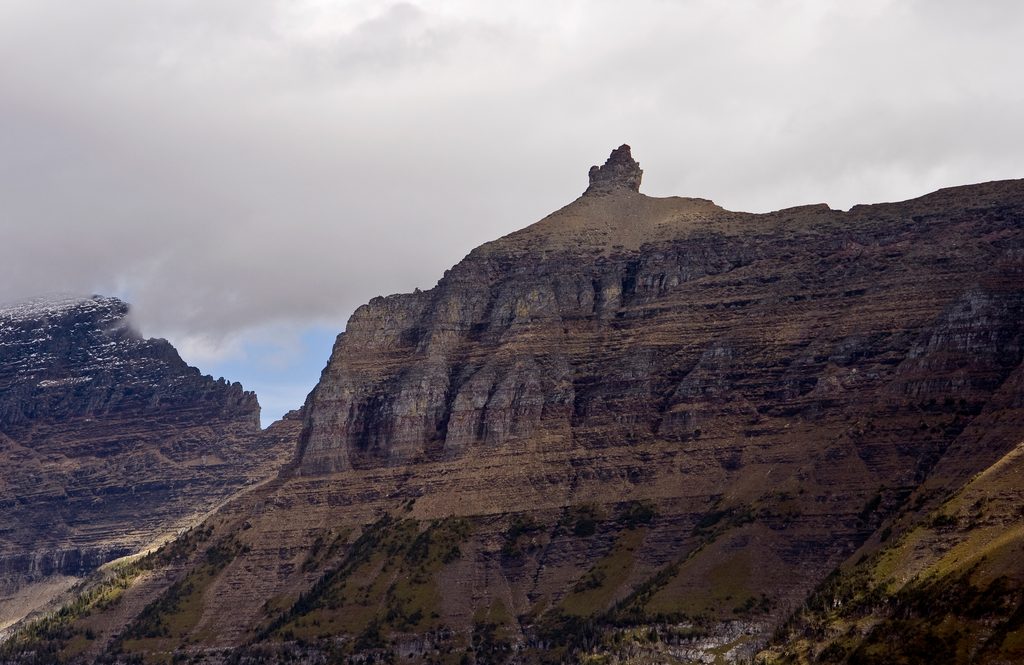
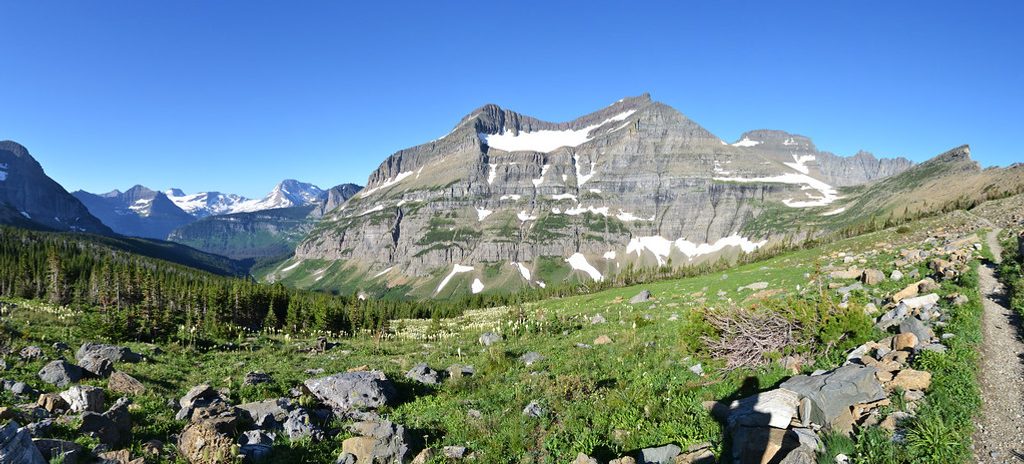
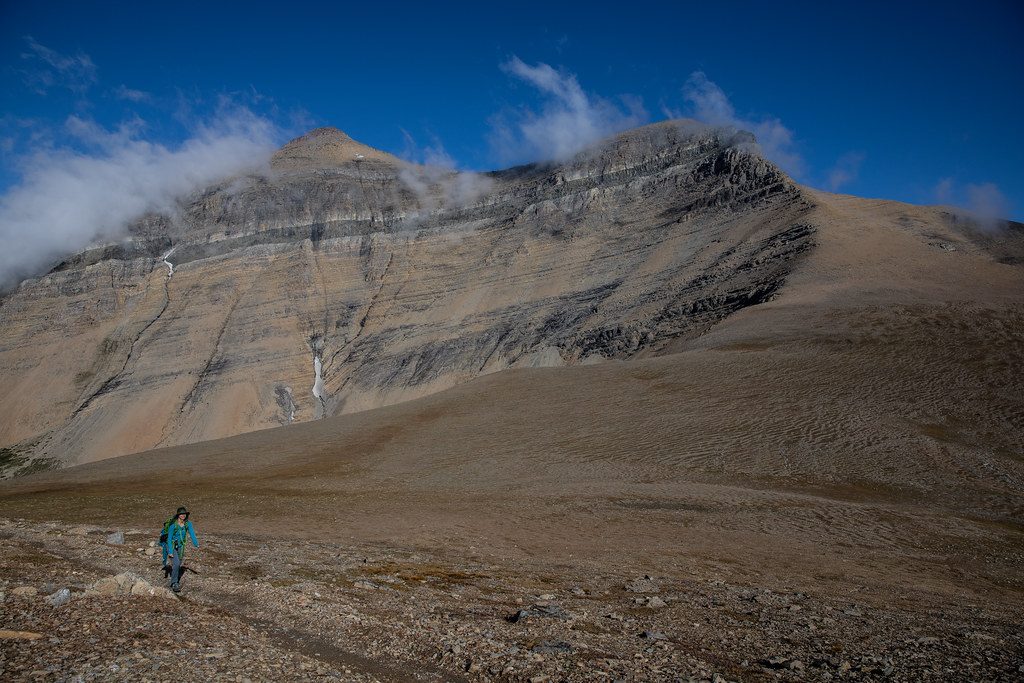
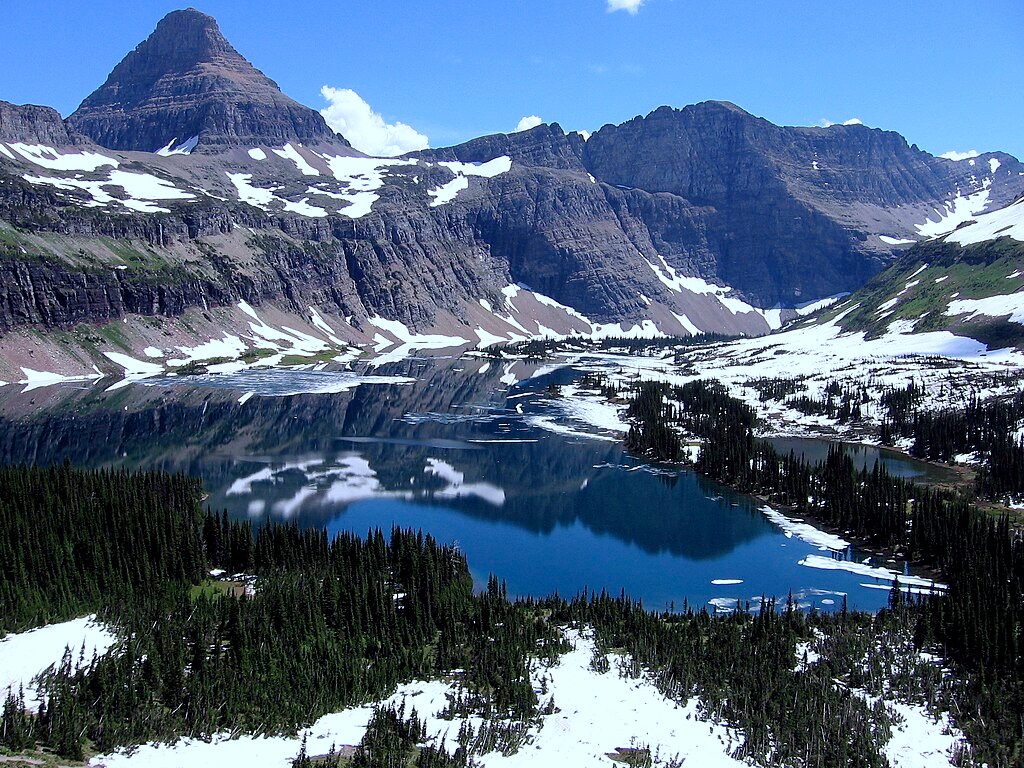
Piegan Mountain anchors one of the park’s classic high-country corridors. Most visitors aim for nearby Piegan Pass; peak‑baggers sometimes continue off‑trail to the summit for a bigger, wilder payoff. Expect sweeping views of Piegan and Jackson Glaciers, the Garden Wall, and deep, U‑shaped valleys carved by ancient ice.
How people do it
- Most day hikers start from Siyeh Bend on Going‑to‑the‑Sun Road and climb to Piegan Pass for a high‑alpine lunch spot with huge vistas. From the pass, a short but steep side trip to Piegan Saddle (between Piegan and Pollock) ups the views—and the wind.
- The true summit of Piegan Mountain is a non‑maintained, off‑trail climb commonly done via Lunch Creek. It’s a steep scree slog with route‑finding and a tricky descent—solid judgment and stable weather are mandatory.
- Strong hikers sometimes link Many Glacier to the east side of Going‑to‑the‑Sun Road via Piegan Pass for a big point‑to‑point day. Arrange shuttles or two cars before you go.
What you’ll see
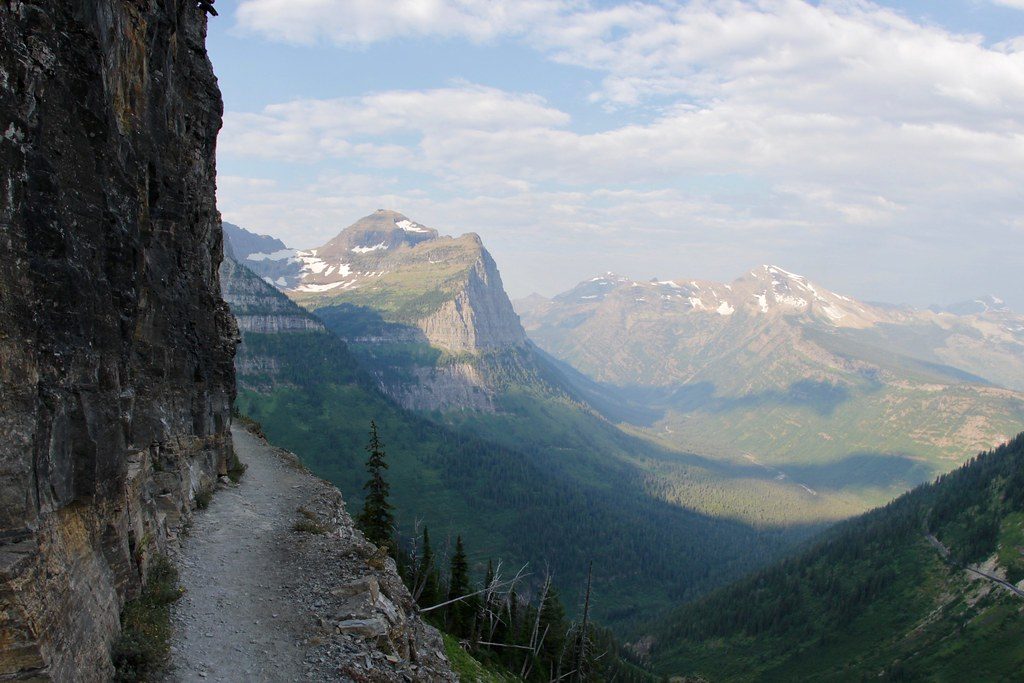
- Big glacial scenery: cirques (amphitheater basins), arêtes and horns along the Garden Wall, and classic U‑shaped valleys with hanging side valleys and waterfalls.
- On clear days, sightlines reach across the Divide to Jackson Glacier and the Many Glacier side’s lakes and falls.
- Wildlife shows up often: marmots and pikas in the rocks, with chances for mountain goats, moose, and bears. Give all animals space and carry bear spray.
Trail character and conditions
- Footing is rocky in places; early season can bring snowfields or avalanche debris that obscure the tread. Winds at the pass/saddle are common.
- The final summit push (if you go for it) is off‑trail, steep, and loose—expect scree and careful route‑finding.
Logistics and amenities
- There are no services on the trail. Refill water and use restrooms at developed areas like Logan Pass, St. Mary Visitor Center, Rising Sun, or in the Many Glacier complex before you start.
- Parking at Siyeh Bend is limited and fills early; the park shuttle along Going‑to‑the‑Sun Road is a useful backup.
- Dogs are not permitted on these trails.
Best time to visit
- June through October is typical, but snow can linger early and return late. Start early to beat heat, wind, and crowds—and to give yourself time for decisions at the pass or saddle.
- For photography, morning light favors the Divide and glacier views; afternoons often bring stronger winds and a higher chance of thunderstorms. If storms build, turn back before committing to exposed ridges.
Safety essentials
- Bring a windproof layer, warm hat/gloves even in summer, sturdy boots, and trekking poles for long descents or snow patches.
- Carry bear spray and know how to use it; hike in groups when possible.
- Off‑trail summit bids require map/GPS, conservative turnaround times, and stable weather.