
Place · 0 mi away
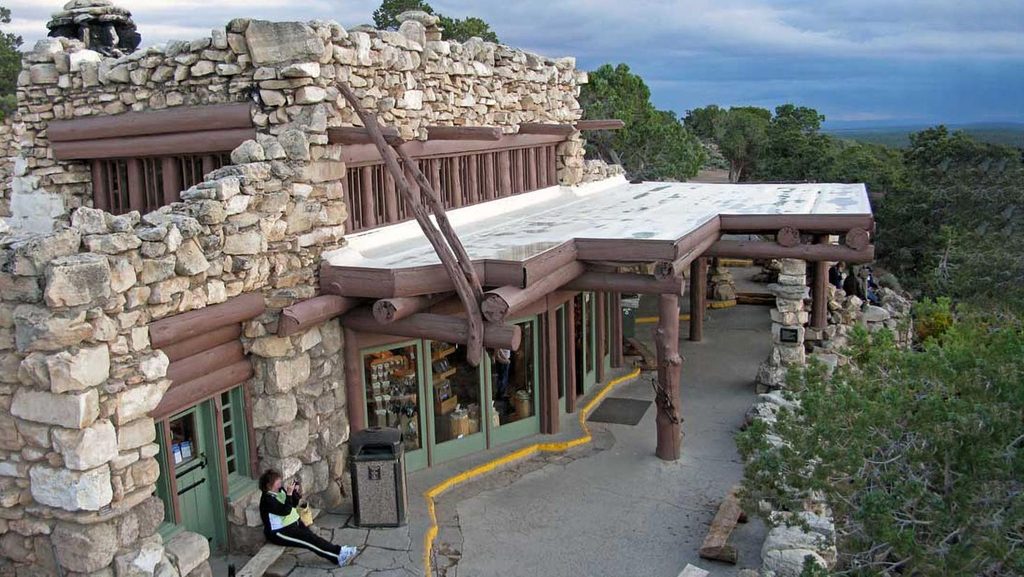
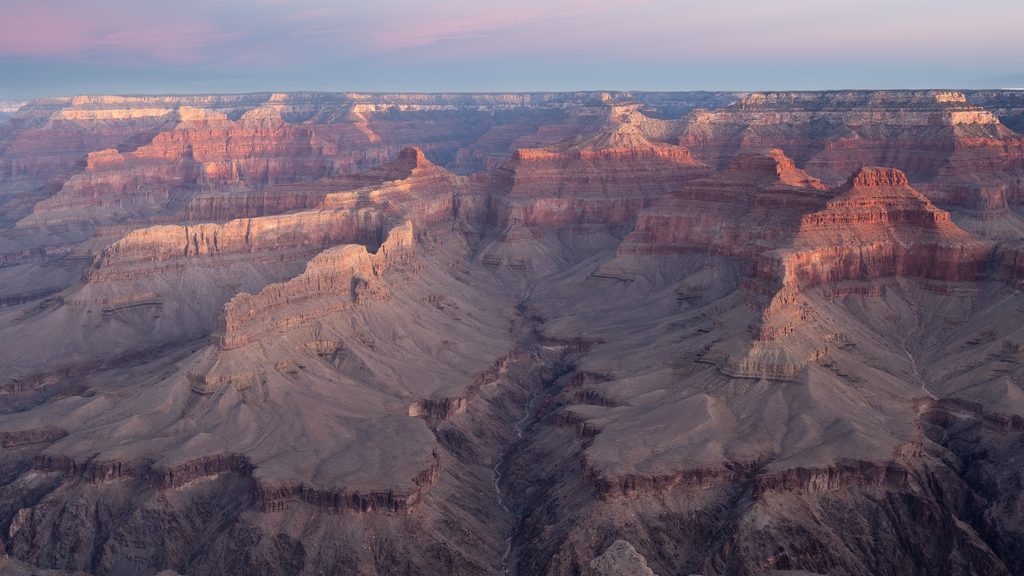
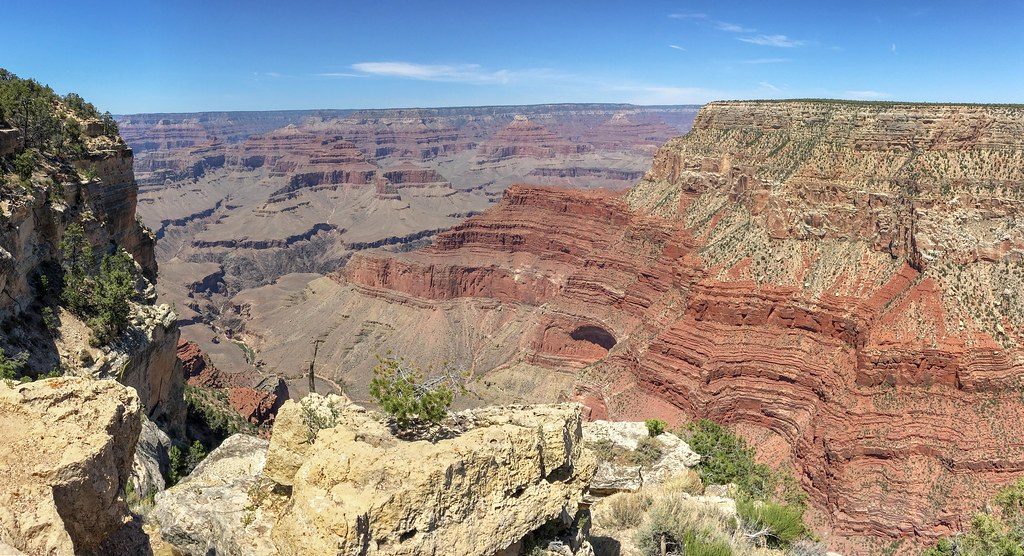
Hermit's Rest is the mellow, end-of-the-line capstone to Hermit Road—a rustic stone hideaway perched on the South Rim with big canyon vistas and fewer crowds than the village. Designed in 1914 by Mary Colter, it blends into the landscape so well it almost feels like it grew out of the rock.
Colter’s building is a masterclass in desert rustic: native stone, hand‑wrought details, and a huge fireplace that makes the interior feel like a canyon lodge. It’s more than a viewpoint—it’s a slice of Grand Canyon history built for early rim tours and named for Louis Boucher, the canyon’s famed “hermit.” It’s also the western terminus of both Hermit Road and the Rim Trail, so it’s a natural place to exhale after a day of overlooks.
Expect wide canyon views steps from the building, cozy nooks inside, and interpretive signs outside that ground the scenery in story. The scene’s calmer than the village hubbub, making it an easy spot to linger with a drink or cookie from the snack bar.
Most of the year you’ll ride the park’s Red Route shuttle to the road’s end. Private vehicles are generally allowed only December–February. If you’re driving to catch the shuttle in the village, know that lots near the transfer point can fill—plan a few extra minutes.
There’s a snack bar for simple eats and drinks, plus restrooms nearby. Picnic tables and seating make it an easy refuel stop. You’re not staying here—this is day‑use only—but it’s exactly the kind of place you’ll want to pause.
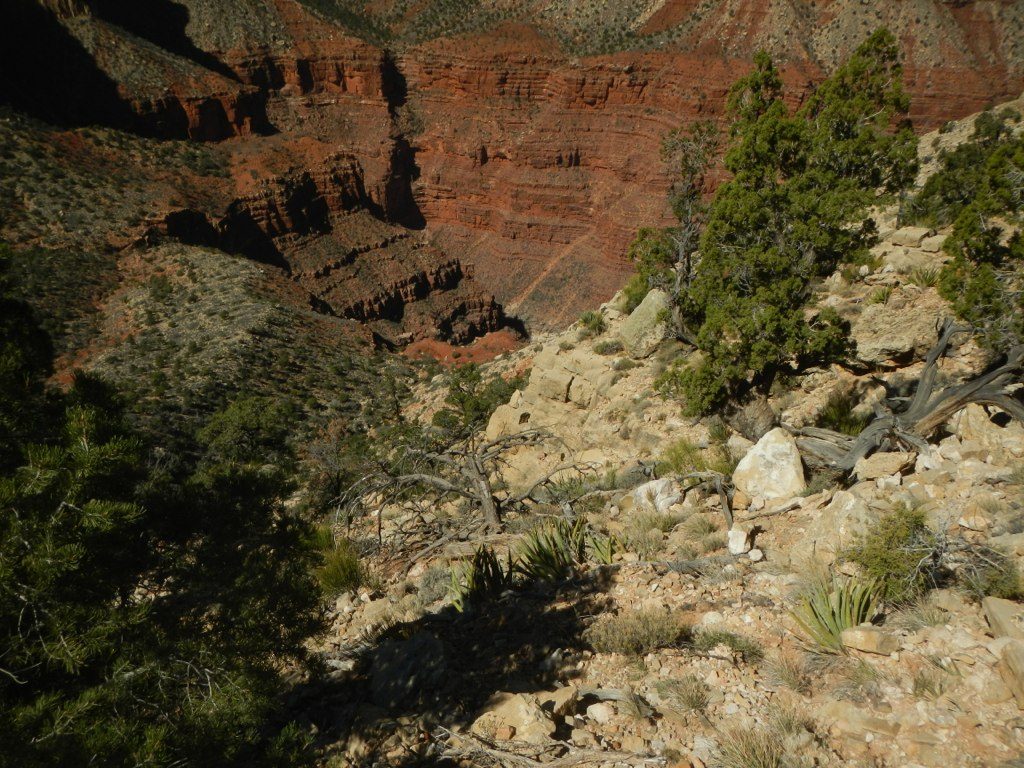
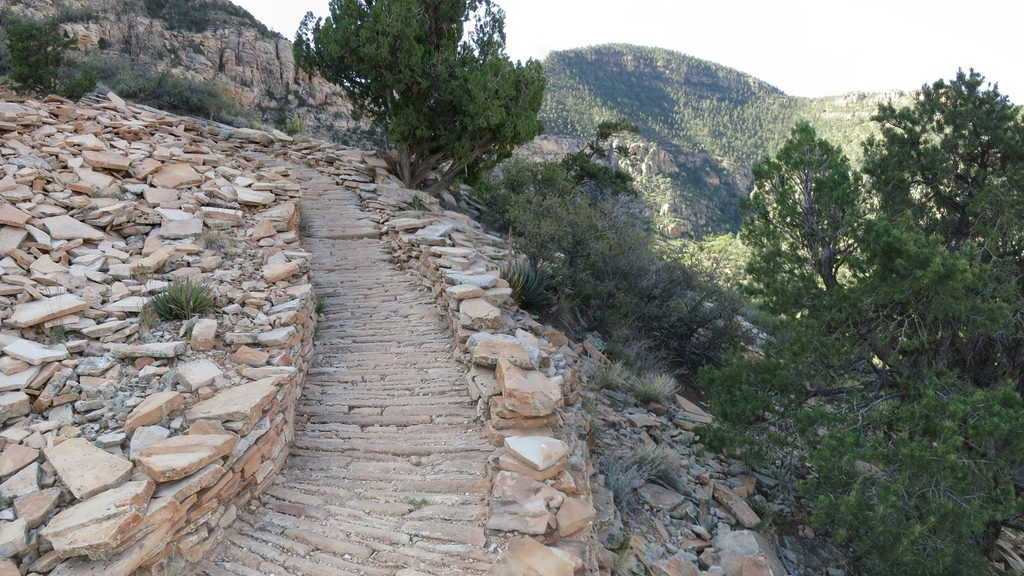
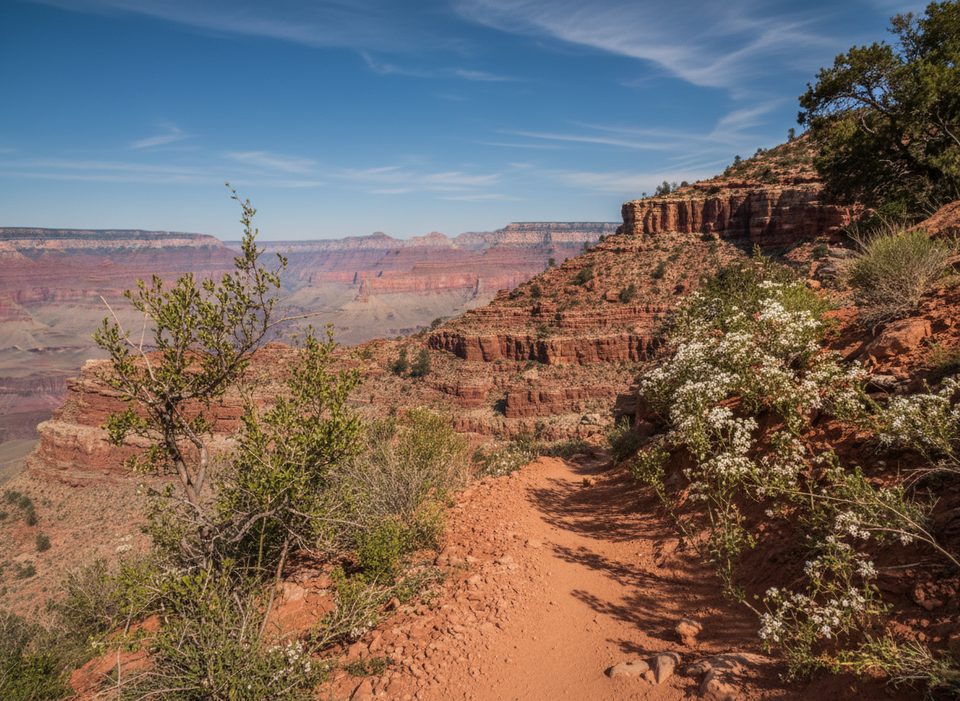
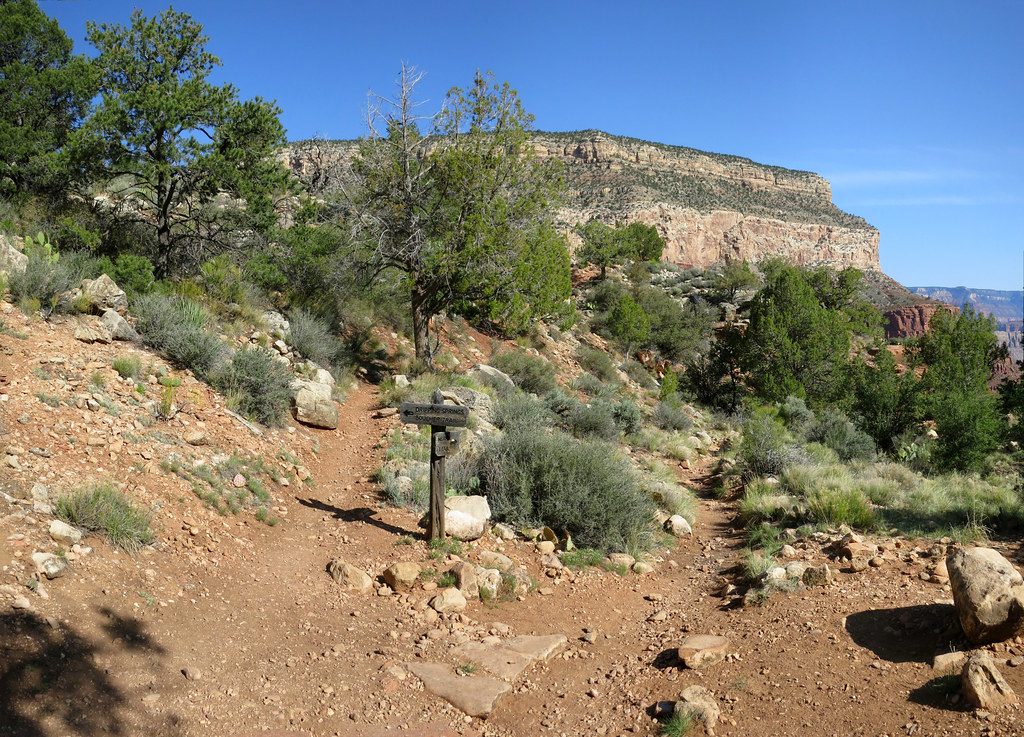
Just beyond the building lies the Hermit Trailhead, launching a rugged descent toward the Colorado River. It’s far rougher than the park’s corridor trails—loose surfaces, big elevation loss—so time your turnaround conservatively. The Rim Trail also reaches its western end here, a pleasant, mostly flat option for strolling between shuttle stops.
Around the rim you’ve got good odds of ravens and squirrels any time; mule deer and elk sometimes cruise by, especially early and late. On the Hermit Trail, lizards and a variety of birds are common.
Built for the Fred Harvey Company and designated as part of a National Historic Landmark group of Mary Colter buildings, Hermit’s Rest was the charming last stop for early carriage and automobile tours—an ethos it still nails today.
Place · 0 mi away
Place · 0.5 mi away
Place · 1 mi away
Place · 1.7 mi away
Challenging · 0 mi away
Challenging · 0 mi away
Challenging · 0 mi away
Challenging · 0 mi away

Parkwolf Tour Guide
