Challenging

Dripping Springs Trail

Historic rim-to-spring trek with big views and a cool canyon grotto
Dripping Springs Trail, Grand Canyon National Park
Distance7 mi
Typical time5 hr
DifficultyChallenging
PetsNot allowed

Why hike it

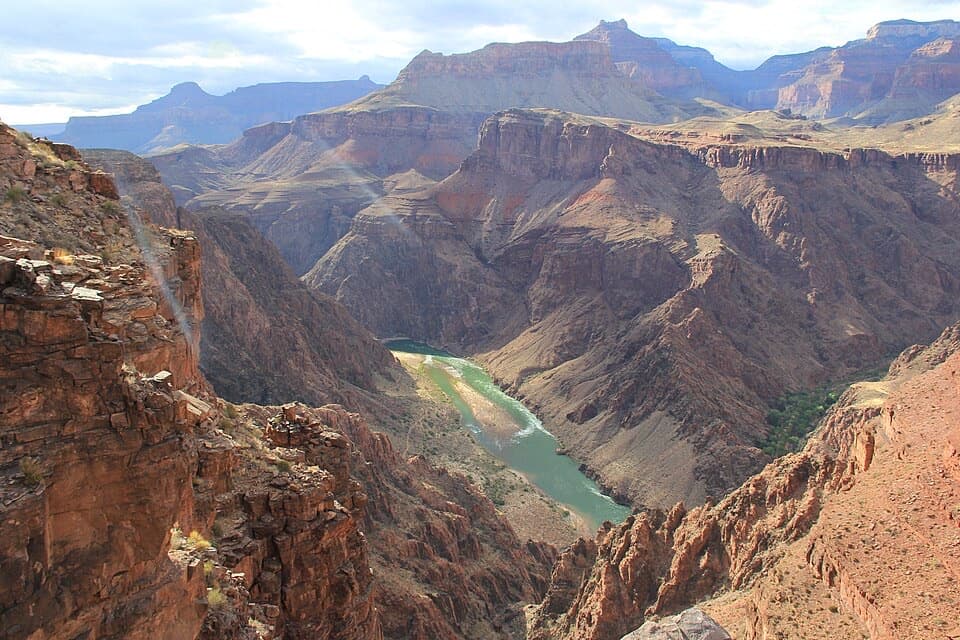
If you want a real Grand Canyon day hike without dropping all the way to the river, this is your move. Dripping Springs runs west off the Hermit Trail to a shady, ferny grotto tucked under a 200‑foot cliff—an oasis that feels wildly out of place in the desert. You’ll earn it with rugged tread and a stout climb back to the rim, but you also get classic big‑canyon views and far fewer people than the corridor trails.

Route overview

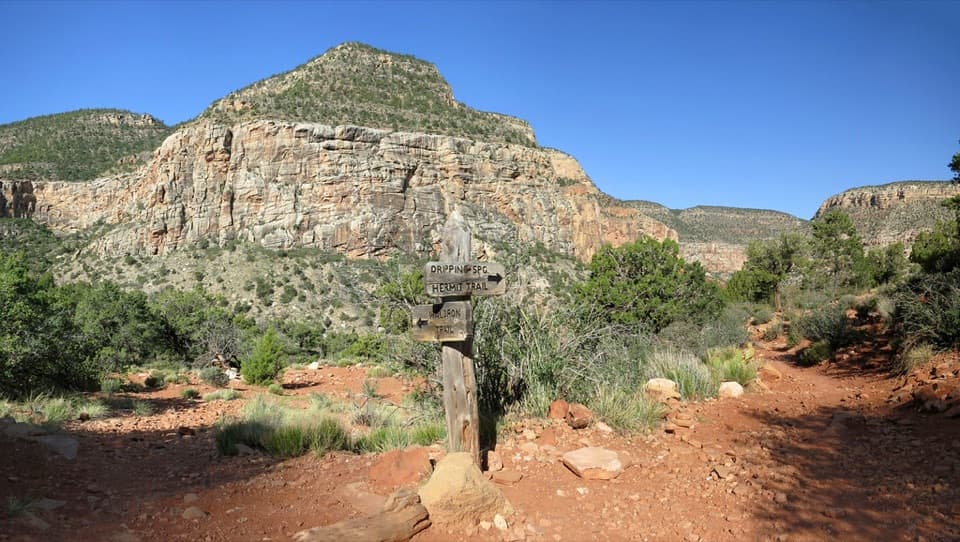
Start at Hermit’s Rest on the South Rim and descend the historic Hermit Trail for roughly 1.5–1.75 miles to the signed Dripping Springs junction. From there, follow the spur past the Boucher Trail junction and head west (left) up a side canyon between Eremita Mesa and the rim to the spring. It’s an out‑and‑back totaling about 6.4–7 miles round trip with roughly 1,480 feet of cumulative descent/ascent. Most hikers take 4–6 hours.

What it’s like

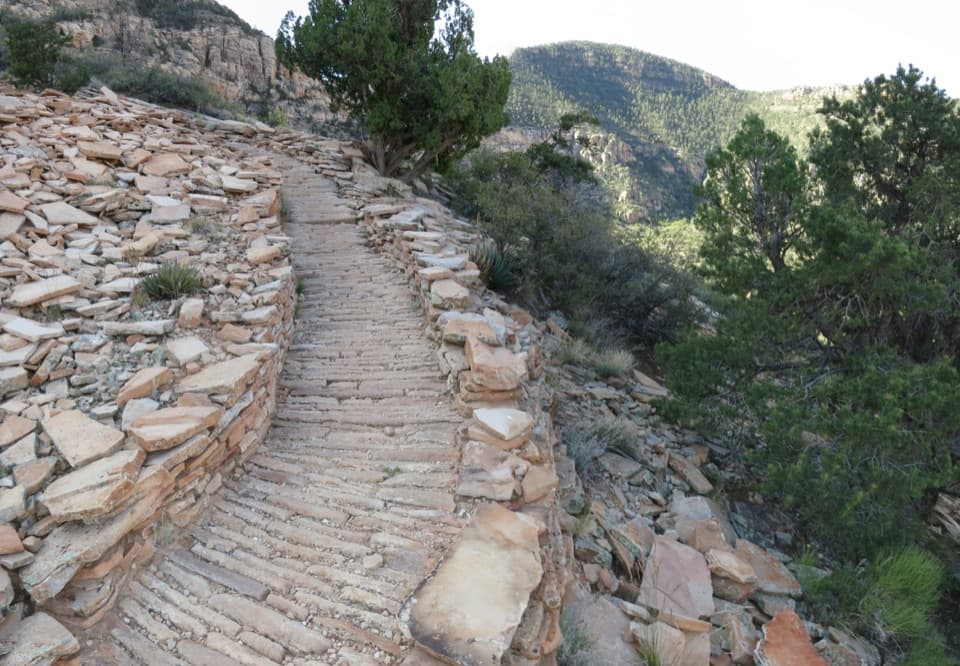
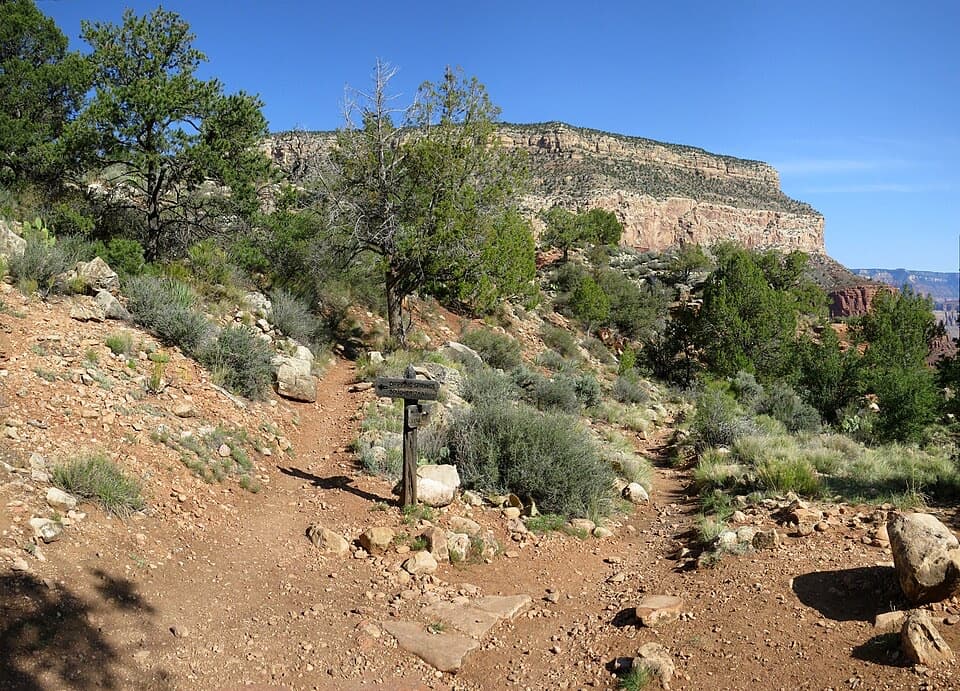
The Hermit segment is steep, rocky, and unmaintained—expect uneven rock steps, loose gravel, and occasional narrow, exposed sections. After dropping into Waldron Basin and crossing the upper Hermit Creek drainage, the Dripping Springs spur feels “fairly level” by comparison but still undulates with short ups and downs that add effort. The return climb to the rim is the crux—save gas for the last mile.

Scenery and geology

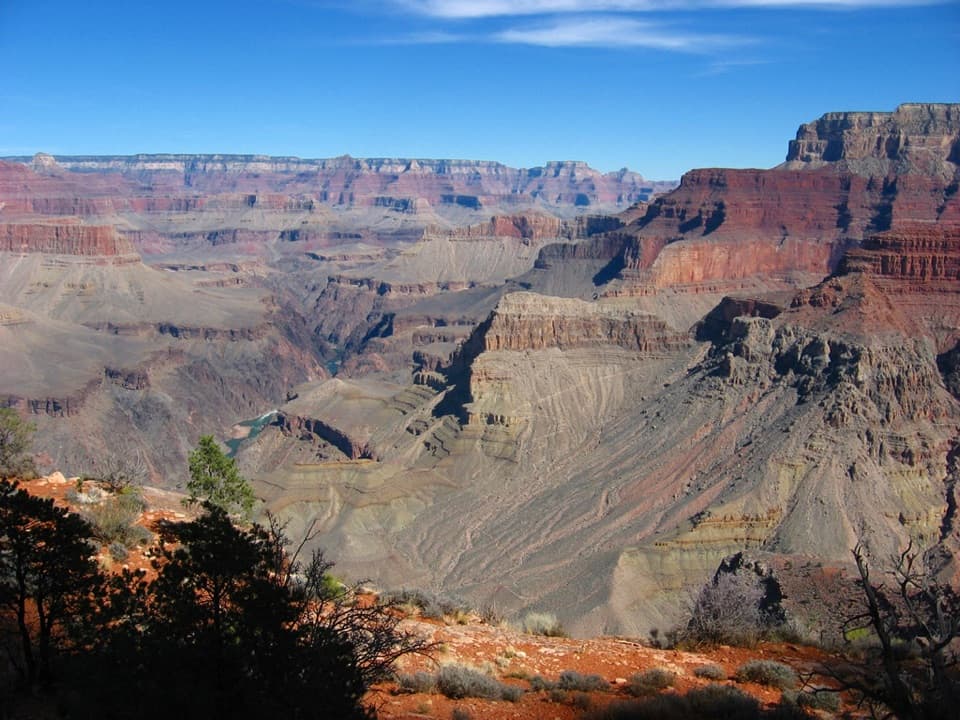
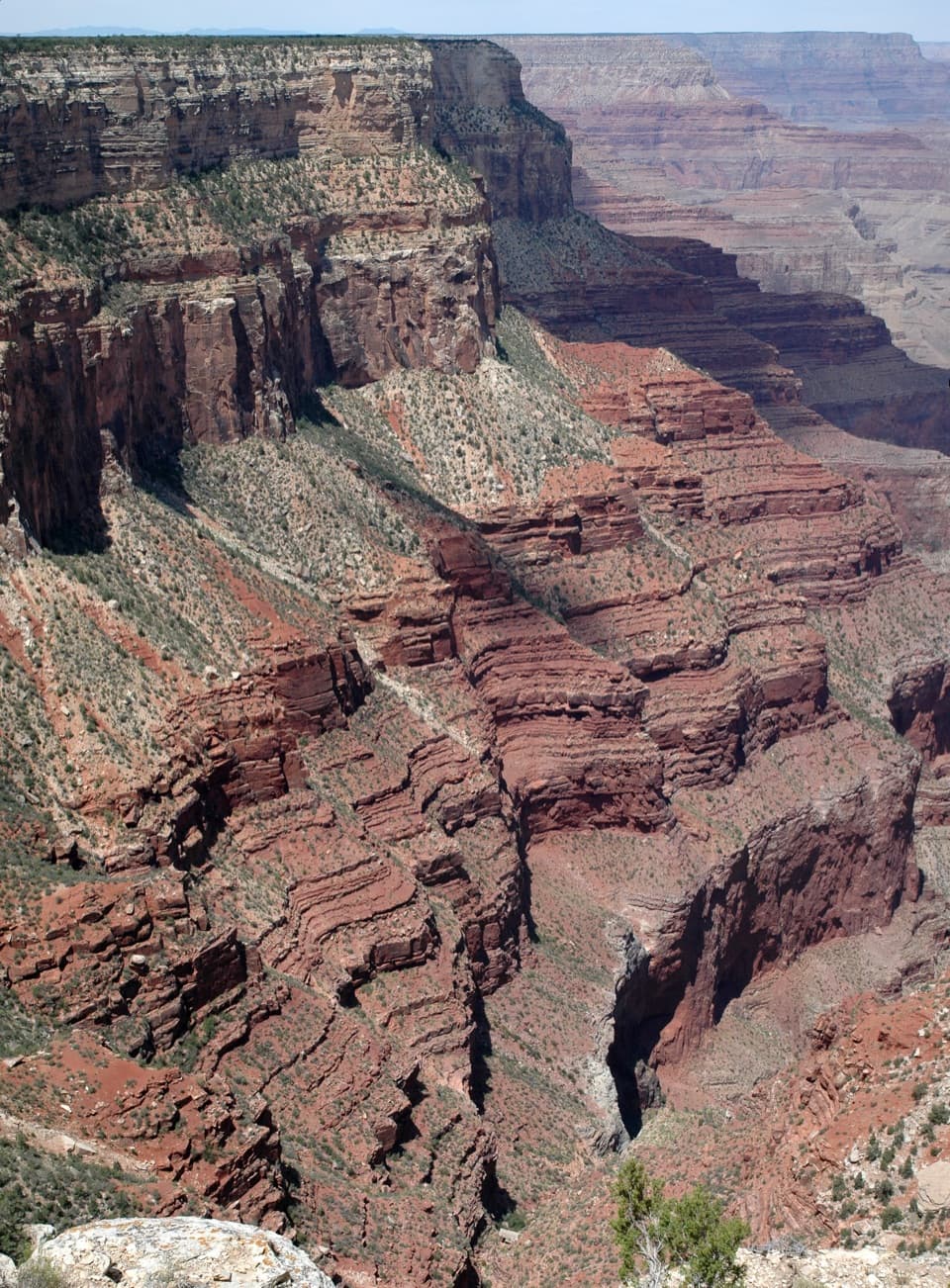
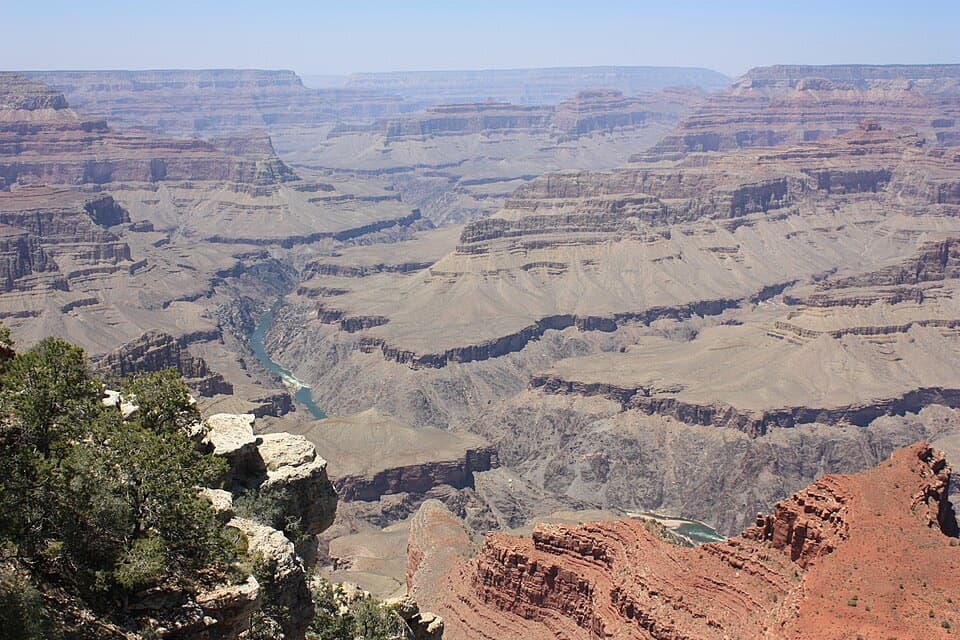
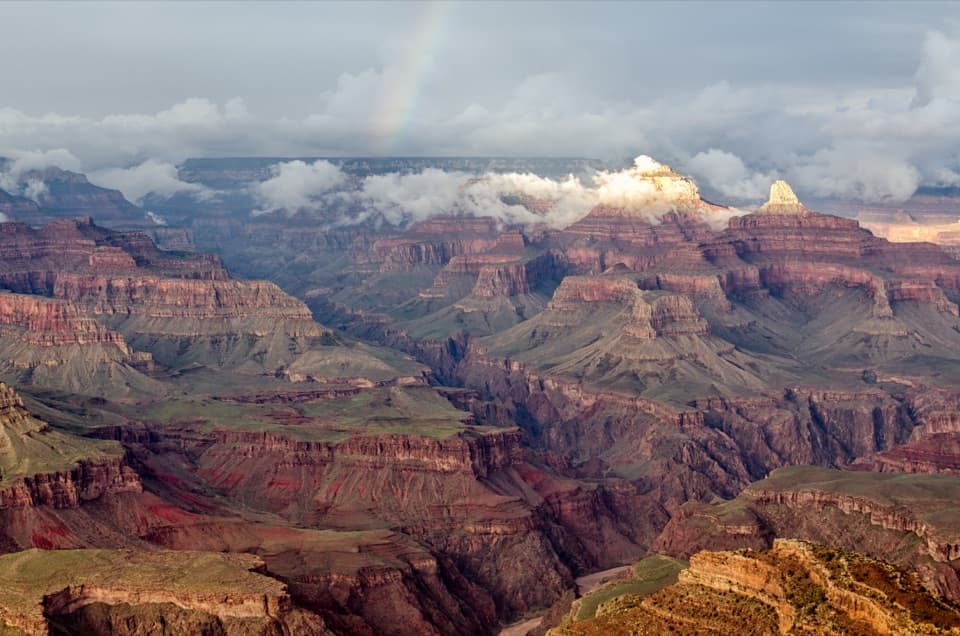
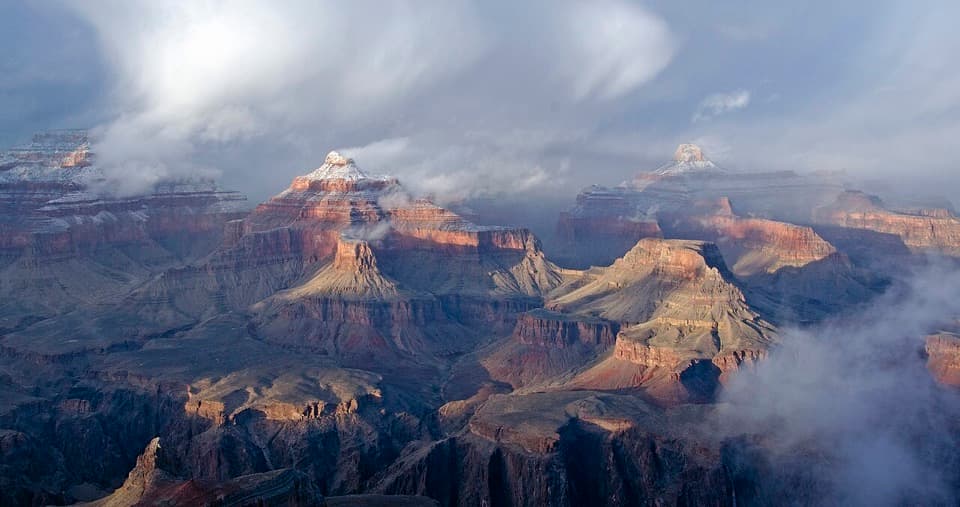
Views into the Hermit country are wide open, with mesas and side canyons framing the route. The payoff is a cool, shaded alcove where water seeps year‑round at the boundary between Coconino Sandstone and Hermit Shale, feeding ferns and pockets of unexpected greenery—one of the canyon’s classic hanging‑spring micro‑oases.

Season and access

Best in spring and fall for milder temperatures. Summer can be brutally hot on exposed slopes, though the spring itself is a cool respite. Hermit Road is closed to private vehicles March 1–November 30; use the free park shuttle to reach Hermit’s Rest during that period. In the off‑season you can drive. Hermit’s Rest has restrooms and (seasonal) water—still, plan to be self‑sufficient.

Tips

  • Bring plenty of water; any spring water must be treated, and flow is slow—carry a small bag or funnel to help collect it.
  • Start early for shade and to make the climb out less punishing. Trekking poles and sturdy footwear pay off on the loose, blocky tread.
  • Looking for crowds and easier tread? Try the corridor trails. Want more solitude with real canyon character in a manageable day? This is underrated and delivers.

Pros

  • Shaded, ferny grotto oasis under a towering cliff—a rare desert scene
  • Noticeably quieter than the corridor trails for a South Rim day hike
  • Walk a piece of early‑1900s Hermit Trail engineering history

Cons

  • Hermit Road shuttle access required most of the year adds logistics
  • Loose, narrow, and exposed sections demand focus, especially on return
  • Rolling ups and downs make it tougher than the mileage suggests

Parking

Begin at Hermit’s Rest/Hermit Trailhead. From Mar 1–Nov 30, Hermit Road is closed to private vehicles—use the free park shuttle. In the off‑season you can drive. Restrooms and seasonal water at Hermit’s Rest.

Caution

Steep, unmaintained trail with loose gravel and exposed ledges; the final climb back to the rim is strenuous and sun‑baked. Summer heat can be severe—start early and carry ample water. Dripping Springs flows slowly; treat all water and use a bag/funnel to collect.

The Parkwolf tour guide sitting on a phone mounted in a car

Parkwolf Tour Guide

Like a tour guide in your car.

Bring Grand Canyon trail research into the car, with offline maps and stories that play as you drive.Download Parkwolf on the App Store