

Place · 0 mi away
Challenging
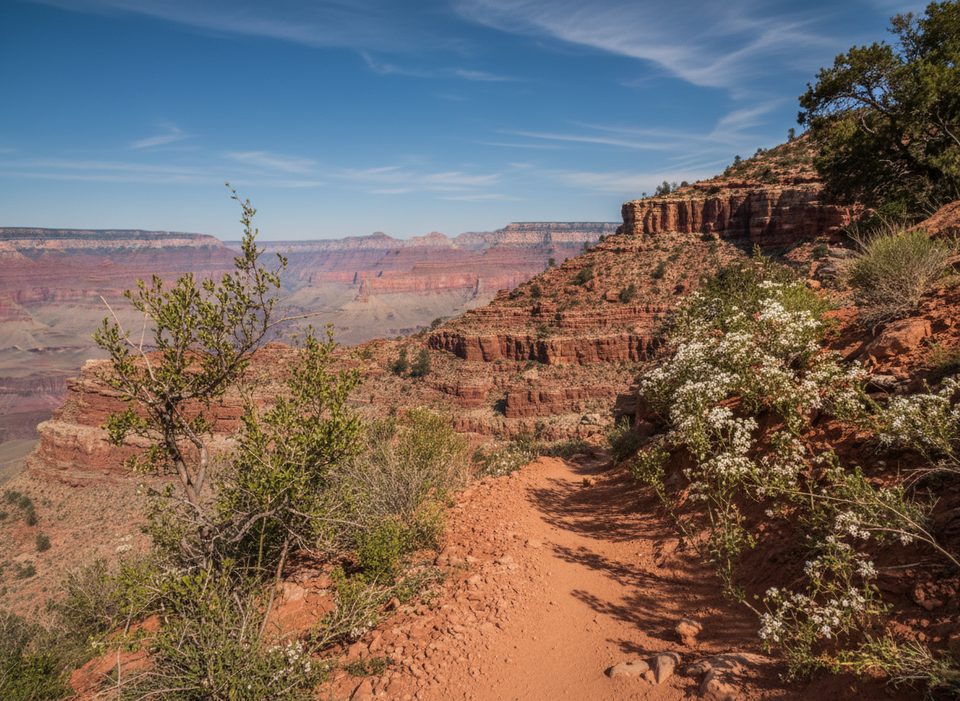
If you want the Grand Canyon raw and up close, this is it. Starting at Hermits Rest on the South Rim, the route drops steeply through big western-canyon vistas, old stonework, and classic switchbacks before diving into the riparian corridor of Hermit Creek and, for those who push on, the roaring Hermit Rapids.
Distance-wise, plan on roughly 17.5 miles round trip if you go rim to river, with about 4,240 feet of elevation loss and regain. Many day hikers smartly turn around at Santa Maria Spring (about 2.5 miles down; 5 miles round trip) beneath a picturesque, historic stone shelter. Strong, prepared backpackers often base at Hermit Creek Campground for a quieter alternative to corridor trips; permits are required for any overnight below the rim.
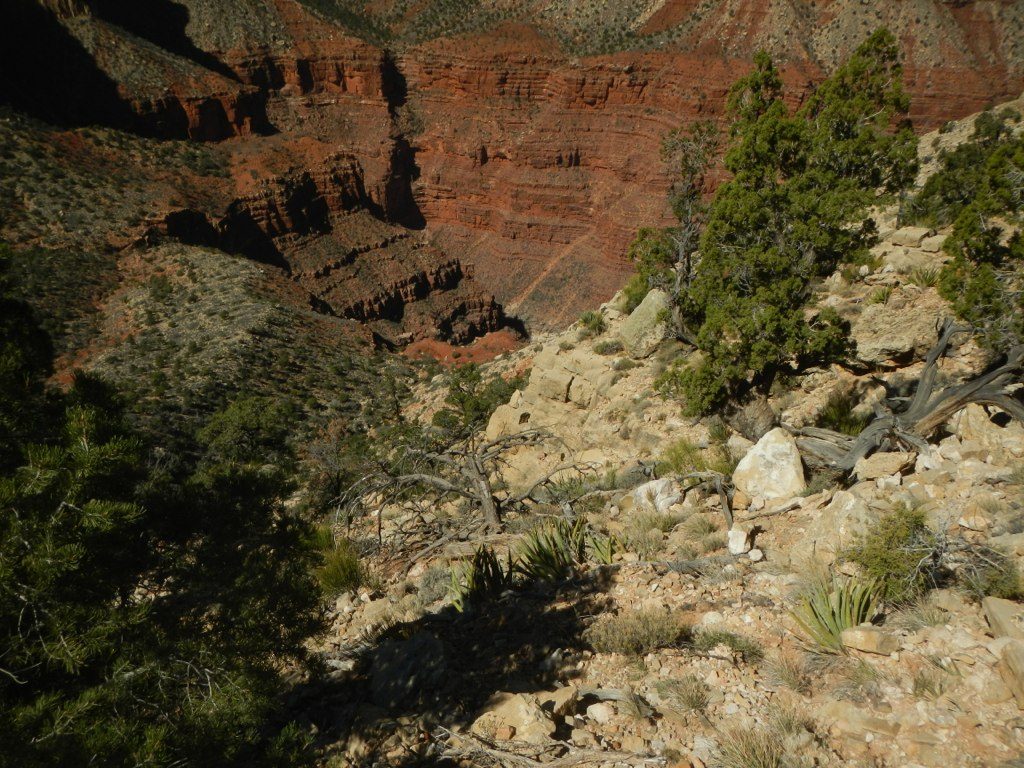
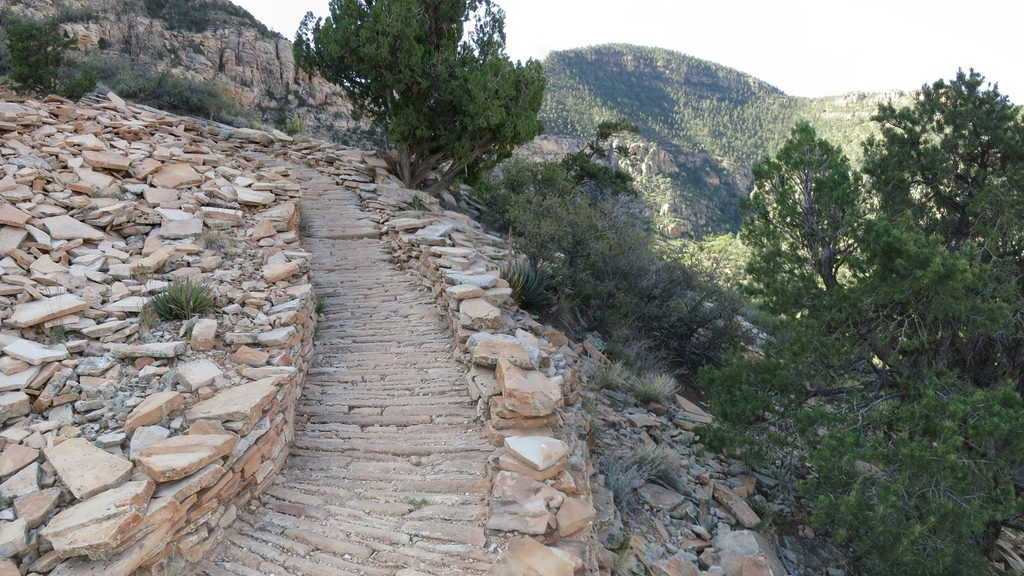
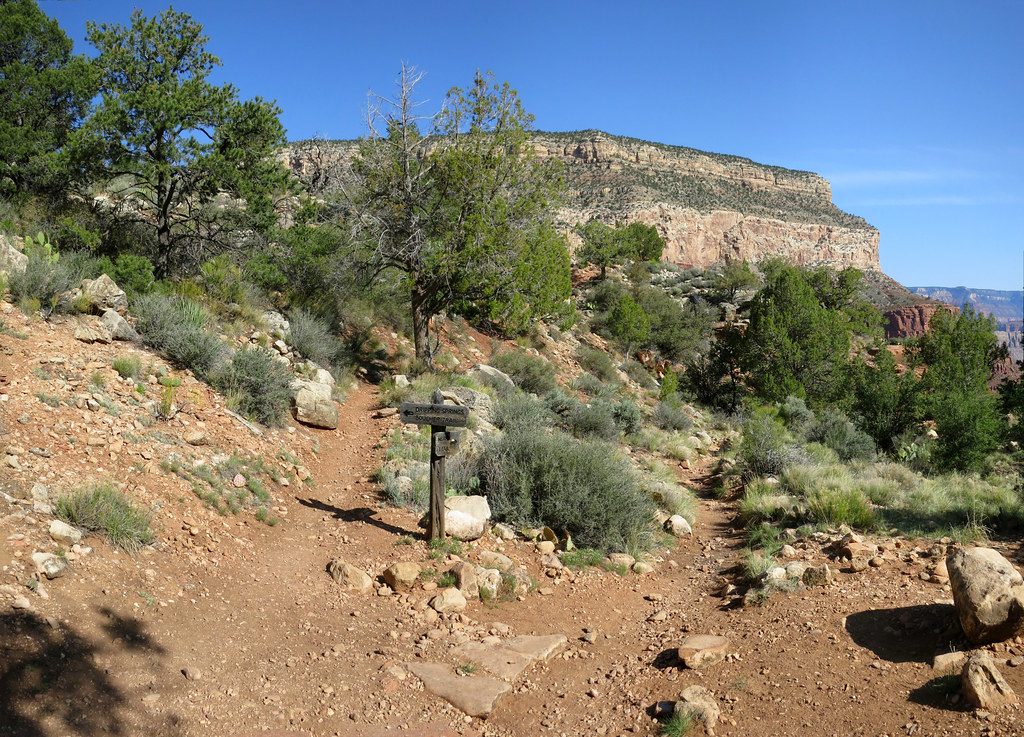
Expect a steep, rocky, sometimes uneven tread. This isn’t a corridor trail—it’s managed as a rougher, self‑reliant experience. You’ll see remnants of early 1900s Santa Fe Railroad engineering (wide slabs, cribbing), but rock slides have changed sections and you may do a little hands-on scrambling with a pack. Junctions are signed (Waldron Trail at 1.3 miles; Dripping Springs at 1.8 miles), yet rockfall and boulder fields can momentarily obscure the line, so stay alert.
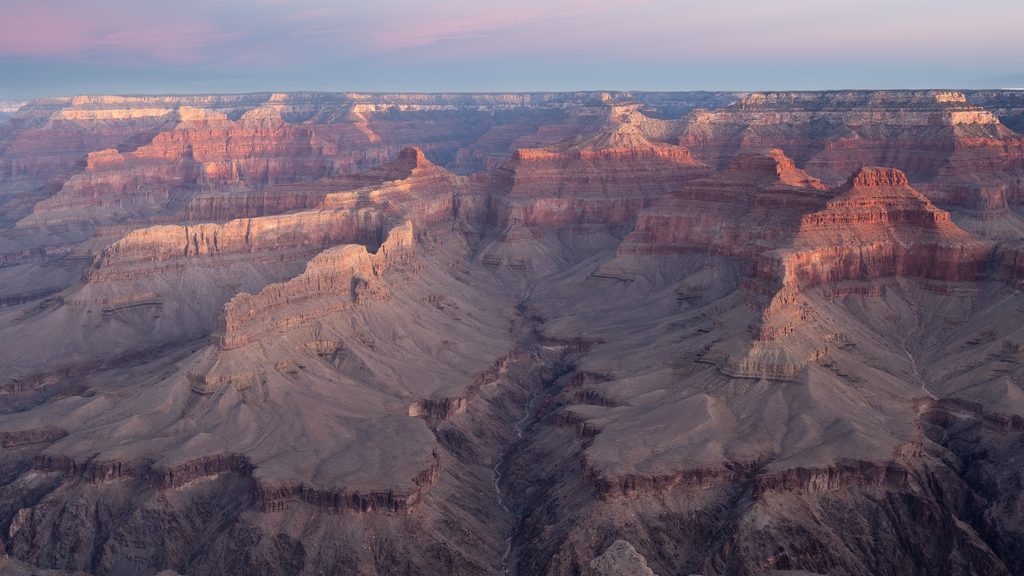
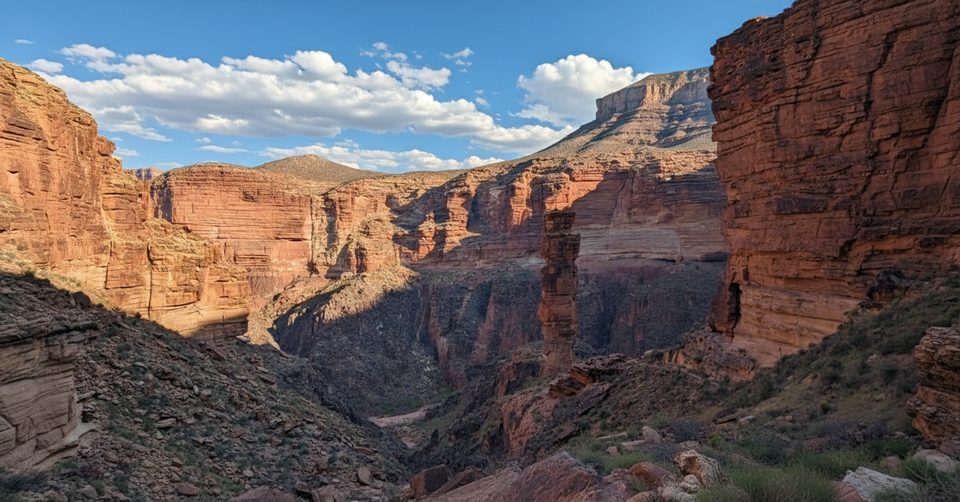
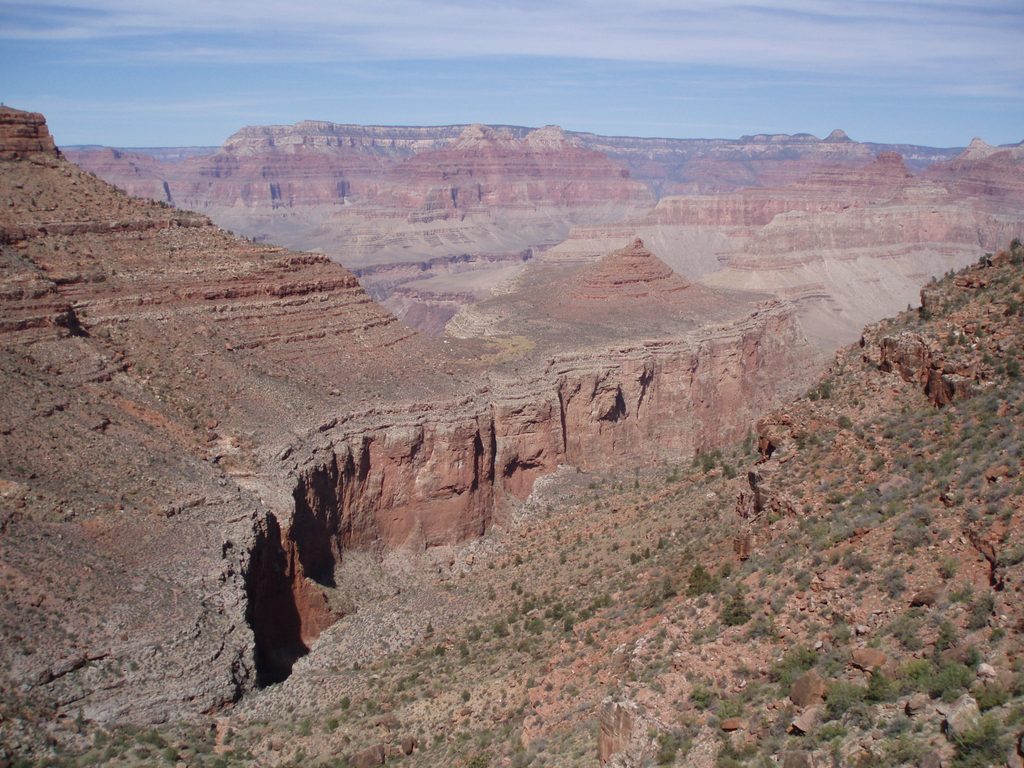
Scenery evolves as you descend through Kaibab Limestone, Toroweap, Coconino Sandstone, Hermit Shale, and the deep reds of the Supai Group—keep an eye out for these textbook layers. Near the bottom, the Tapeats Sandstone narrows along Hermit Creek make for striking geology and cooler microclimates. Push to the river and you’re rewarded with the thunder of Hermit Rapids.
Water planning is critical. Santa Maria Spring is a nice shade stop but not reliable for drinking. Hermit Creek usually has flow, but all water must be treated. Summer heat here is brutal; winter can bring ice on upper switchbacks (traction may be needed). Trekking poles and sturdy boots pay off on the steep, rocky grades, and your climb out will feel longer than the map suggests.
Compared with Bright Angel or South Kaibab, you’ll see fewer people and less maintenance—exactly the appeal for many. If you want a smoother, supported experience, stick to those corridor classics. If you’re fit, prepared, and want solitude with a side of history, Hermit Creek Trail is one of the South Rim’s most rewarding undertakings.
Best time to hike: Year‑round access, but spring and fall are prime for temperatures and light. Start pre‑dawn in summer and build in long shade breaks. In winter, expect snow/ice on the rim and upper switchbacks and shorter daylight. Early starts help with both crowd avoidance (what little there is) and safer temperatures.
Tips: Bring extra water capacity, purification, and sun protection. Poles help on the big steps. Mind signed junctions, especially after rockfall zones. Overnight? Secure a backcountry permit in advance for Hermit Creek Campground.
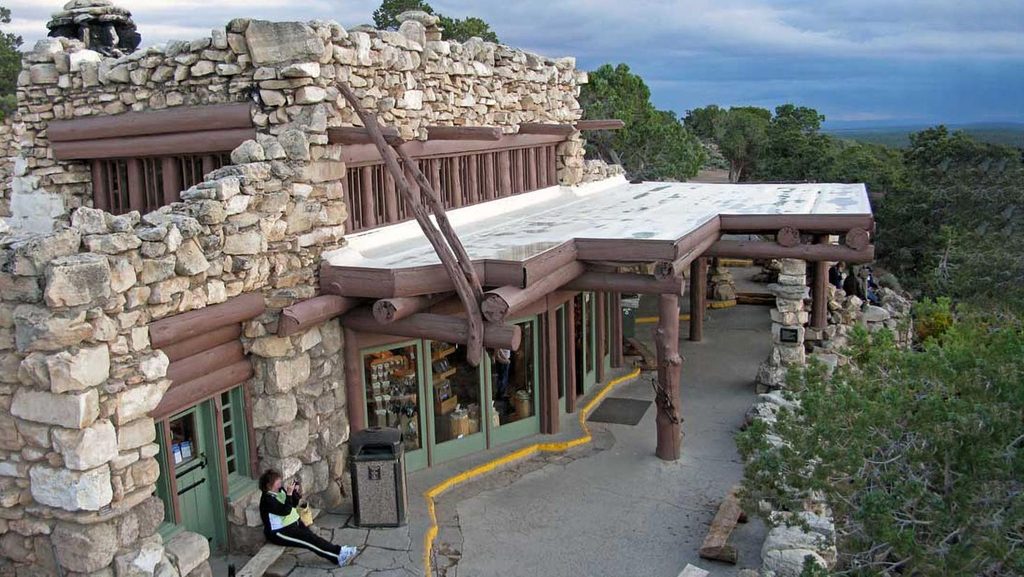
Trailhead at Hermits Rest. March–November, use the park’s free shuttle to Hermits Rest; in winter, private vehicles can drive to the trailhead.
Very strenuous, steep, rocky, and not corridor-maintained. Extreme summer heat; potential ice/snow on upper switchbacks in winter. Rockfall-altered sections and drop-offs require care. Flash floods possible near the creek. Carry ample water and treat all sources. Permits required for any overnight.
Place · 0 mi away
Place · 0 mi away
Place · 0.5 mi away
Place · 1 mi away
Challenging · 0 mi away
Challenging · 0 mi away
Challenging · 0 mi away
Challenging · 0 mi away

Parkwolf Tour Guide
