
Place · 0.5 mi away
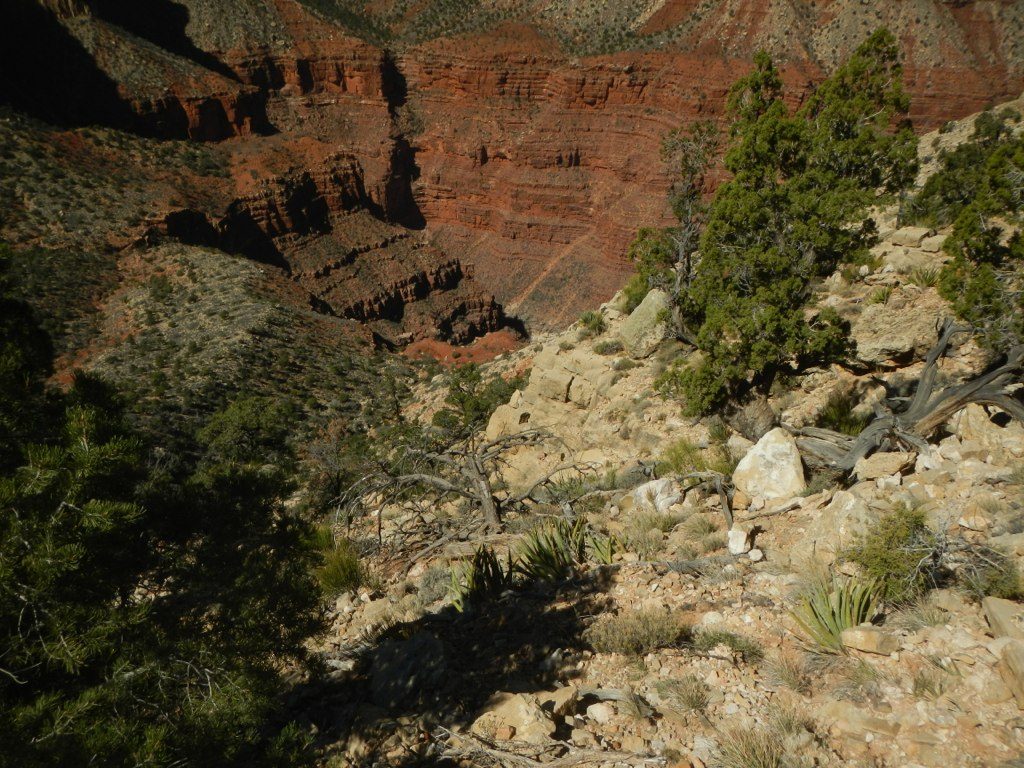
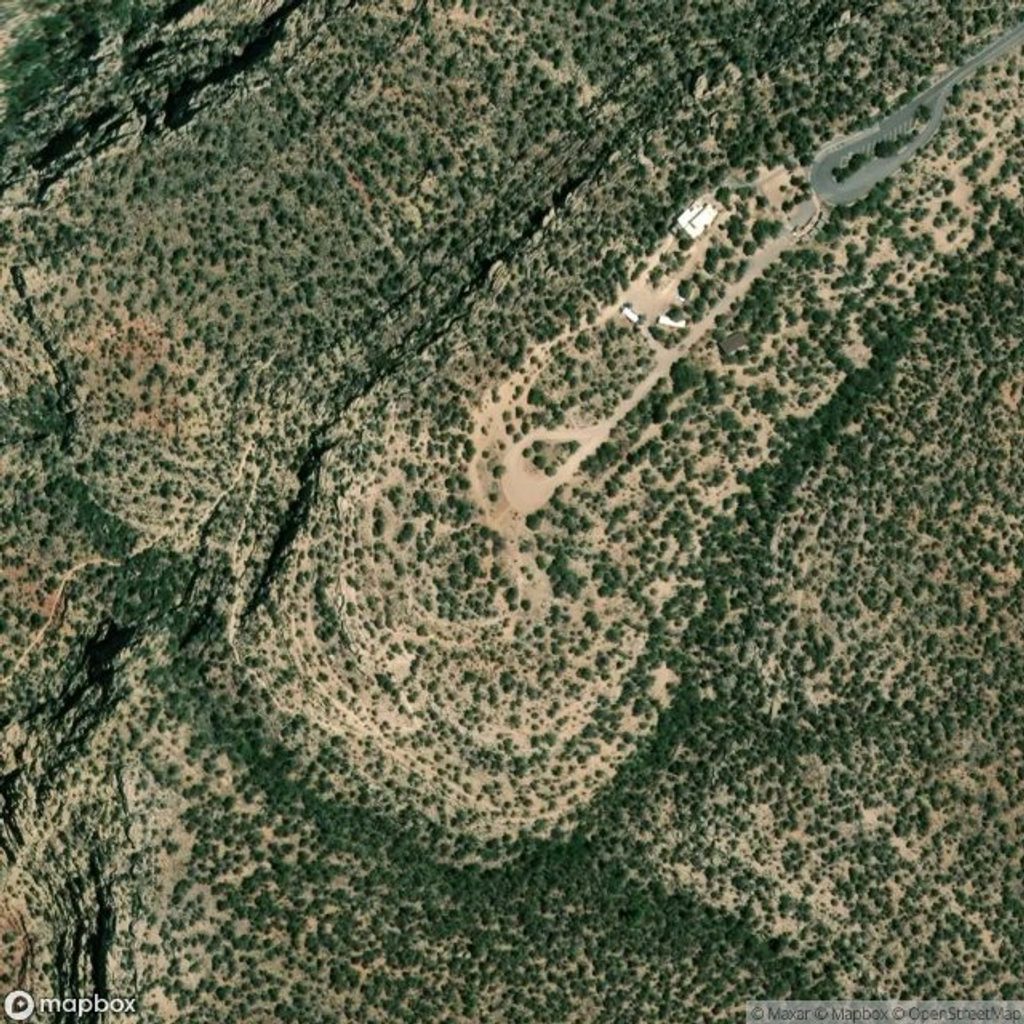
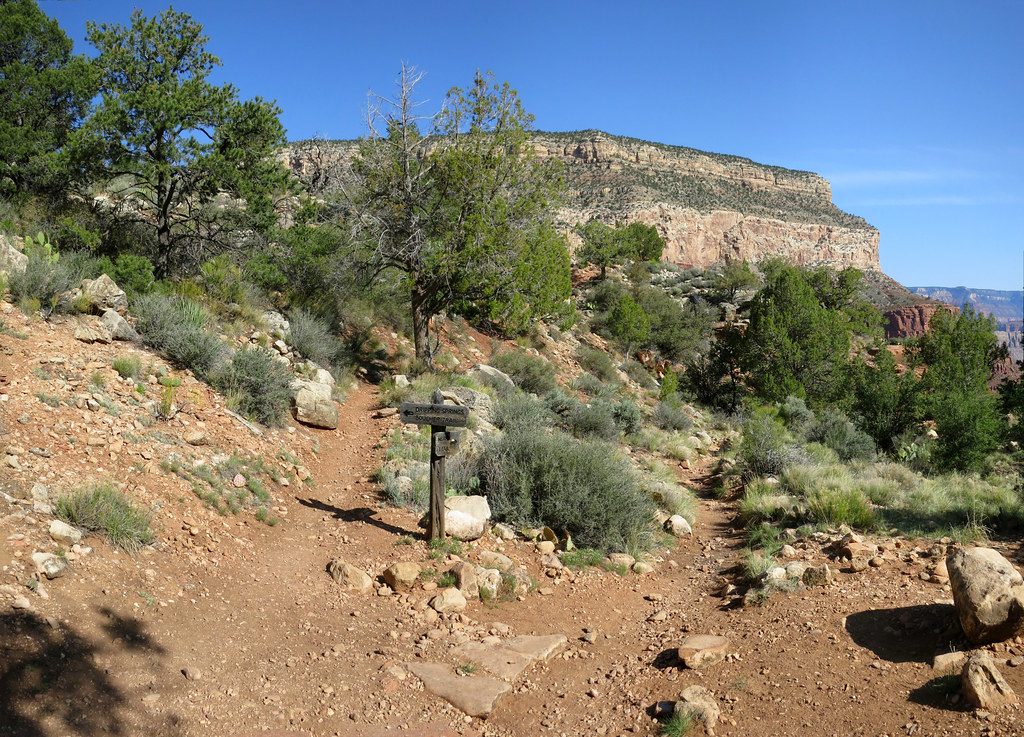
Tucked about 2.5 miles down the Hermit Trail from Hermit’s Rest, Santa Maria Spring is a classic mid‑canyon pause: a leafy, stone rest house from 1913 beside a trickling spring. It’s the natural turnaround for a stout day hike—quiet, scenic, and far less trafficked than the park’s headline routes.
The spring usually collects in an open trough and is untreated—filter and disinfect if you plan to drink. Don’t bank on it as your only source; flow can be a trickle, and the return to the rim is long and dry.
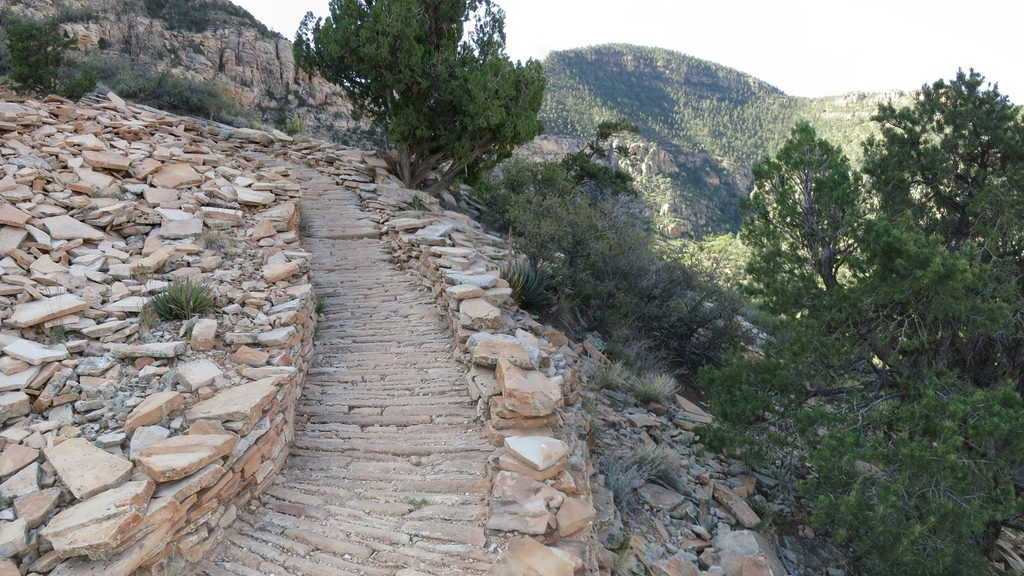
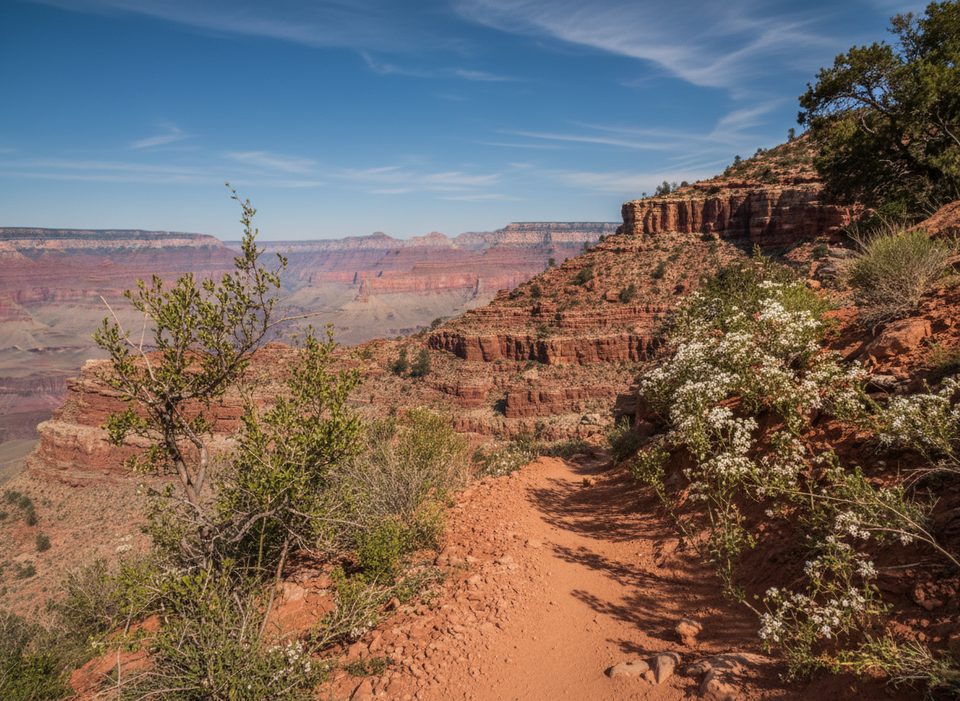
Expect a challenging out‑and‑back with roughly 1,600+ feet of descent to the spring, then all of it back on the return. The trail can be rocky and eroded in places, which makes trekking poles a smart call.
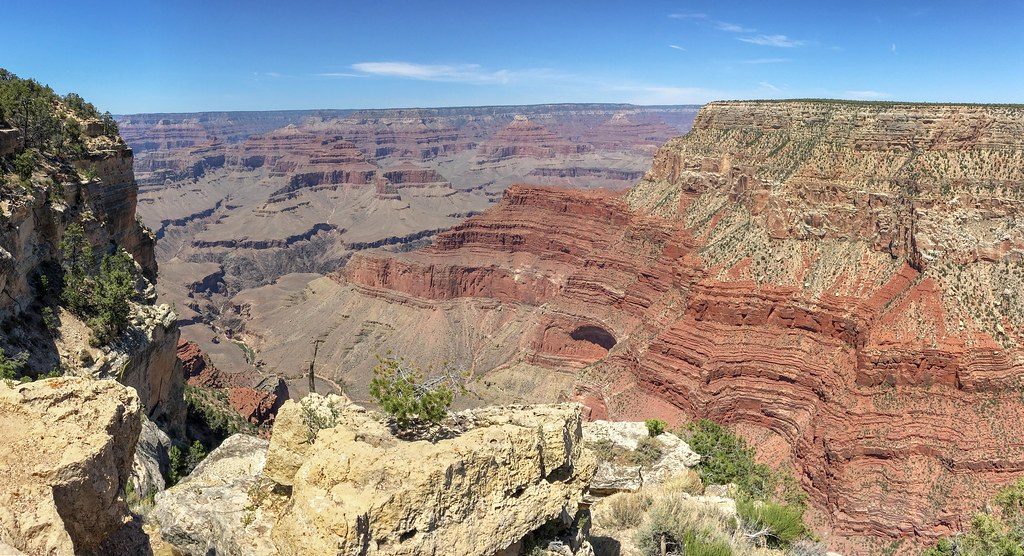
Built in 1913 alongside the then-new Hermit Trail, the stone shelter is a relic of early canyon tourism. You’ll descend past marquee rock layers—Kaibab Limestone down through the Coconino Sandstone and Hermit Shale—before reaching the spring, which emerges where water hits less‑permeable layers.
You may spot rock squirrels, lizards, mule deer, and a variety of birds. Your best odds are early or late in the day when the trail quiets down.
Start early for cooler temps, gentler light, and more solitude. Spring and fall are the sweet spots; summer heat makes the ascent punishing. Midday is harsh for photos and hiking—morning light is kinder on the canyon walls and your energy.
Place · 0.5 mi away
Place · 0.5 mi away
Place · 1.5 mi away
Place · 2.2 mi away
Challenging · 0.5 mi away
Challenging · 0.5 mi away
Challenging · 0.5 mi away
Challenging · 0.5 mi away

Parkwolf Tour Guide
